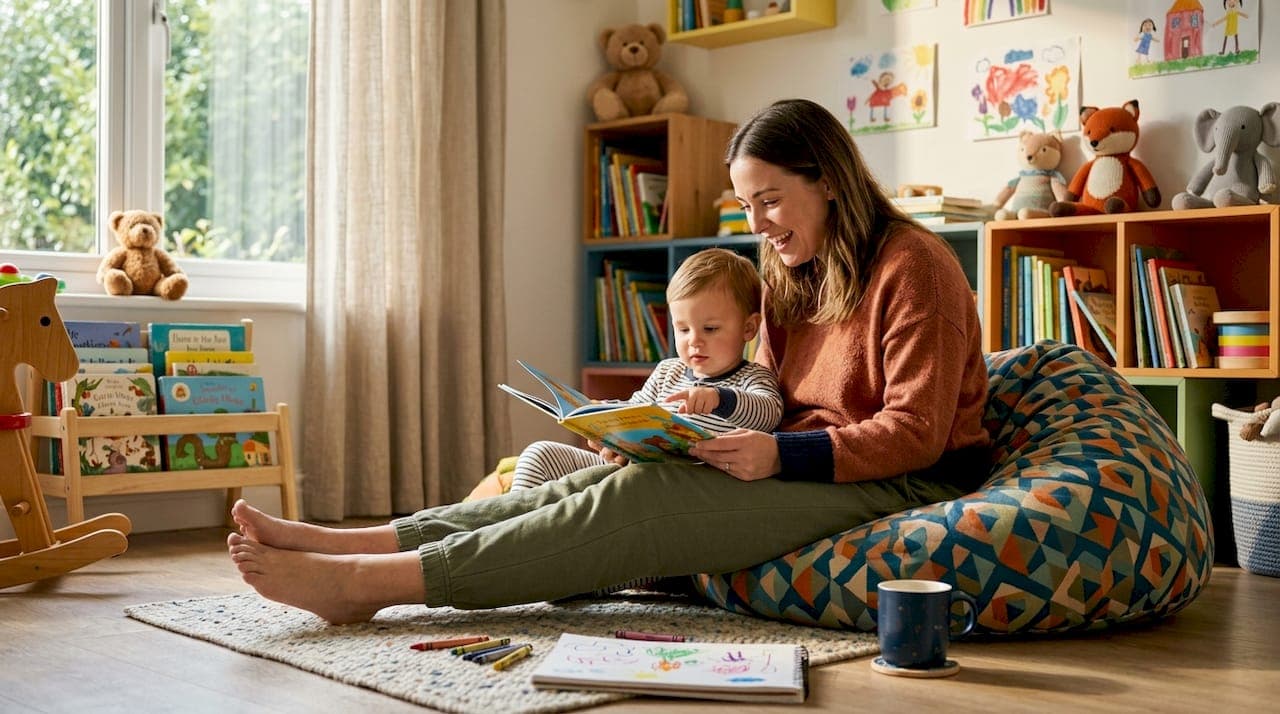
Sibling adjustment books are children's picture books designed to normalize big feelings, assign meaningful roles, and help older children process the emotional shift of welcoming a new baby. Nearly 4 million families have relied on foundational titles like I'm a Big Sister and I'm a Big Brother to prepare children for this transition. These books work because they give kids language for feelings they cannot yet name on their own. The best book gift ideas for new siblings adjustment go beyond entertainment. They open conversations, reduce rivalry, and help older children feel seen during one of the biggest changes of their young lives.
What makes a great book gift for sibling adjustment?
The best sibling adjustment books do three things well. They validate difficult emotions, assign the older child a positive role, and reflect real family life without sugarcoating it.
Here is what to look for when choosing gift books for kids navigating this transition:
- Emotional validation. Books that validate negative feelings like jealousy and anger give children permission to express them without guilt. This is the single most important feature in any sibling adjustment book.
- Empowerment through role. Titles that frame the older sibling as a helper or teacher shift their perspective from feeling pushed aside to feeling needed.
- Coverage of ongoing adjustment. The biggest adjustment phase for siblings happens months after birth, not just during arrival. Books that address the daily realities of noise, mess, and divided attention are more useful than those focused only on pregnancy.
- Inclusive characters. Books with diverse characters better reflect real family life and increase a child's sense of connection to the story.
- Humor and honesty. Stories that blend realistic family dynamics with humor ease a child's anxiety and normalize the ups and downs of sibling relationships.
- Emotional vocabulary. Books that name specific feelings, like jealousy, frustration, and pride, build the emotional literacy children need to communicate with their parents.
Pro Tip: Read the book with your child before the baby arrives, then read it again in the first weeks after. The second reading often unlocks questions the child was not ready to ask the first time.
Top book gift ideas for new sibling adjustment
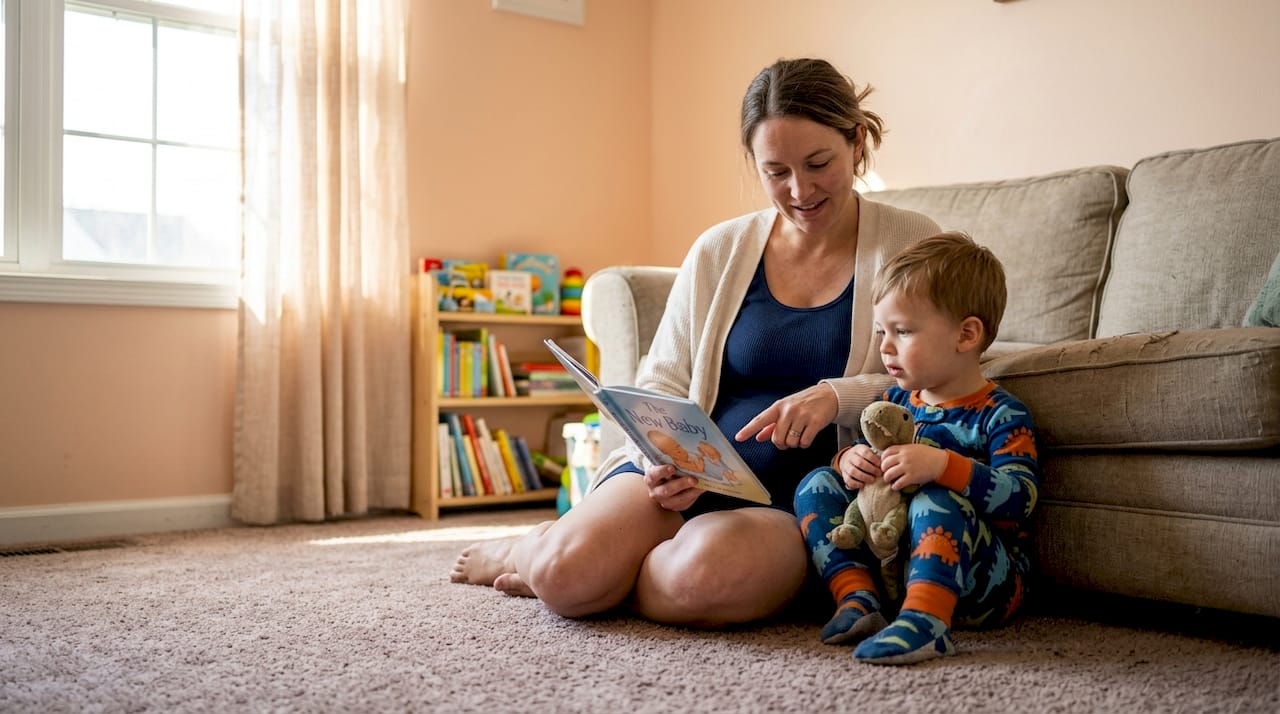
These titles each take a distinct approach to sibling adjustment. Matching the right book to your child's age and temperament makes a real difference.
1. I'm a Big Sister and I'm a Big Brother by Joanna Cole
These two classics are the most widely used sibling preparation books in the United States. Almost 4 million families have used them to support children through the transition. The books use simple language and warm illustrations to walk toddlers and preschoolers through what to expect when a new baby arrives. They cover feeding, sleeping, and crying in honest, age-appropriate terms. Both titles affirm that the older child holds a special place in the family that no baby can replace.
2. What to Do When There's a New Baby in the Family
This title takes an emotion-regulation approach that sets it apart from most storybooks. Experts highlight emotion regulation as a key learning goal, and this book delivers it through guided activities and reflective prompts alongside the story. It is best suited for children ages 4 through 8 who are verbal and curious about their own feelings. The book names jealousy and frustration directly, which gives children permission to feel those things without shame. Parents report that the activity sections spark some of the most honest conversations they have had with their kids about the new baby.
3. It's Big Brother Time! from the My Time series
This book takes the empowerment angle further than most. Assigning older siblings meaningful helper roles through books shifts their perspective from feeling displaced to feeling essential. The story frames the older sibling as a teacher and guide for the new baby, giving the child a clear and positive identity within the new family structure. Empowering older siblings through literature promotes emotional security and reduces rivalry. This title works especially well for children who respond to responsibility and pride in their accomplishments.
4. Books that use humor to ease anxiety
A category of picture books uses comedy to address sibling stress. Titles in this group often feature exaggerated situations, funny illustrations, and relatable older siblings who say the quiet part out loud. Humor and realism improve engagement and help children feel less alone in their frustration. These books work well for children who shut down when conversations get too serious. Laughter lowers a child's defenses and makes it easier to talk about what is really bothering them.
5. Books focused on the ongoing adjustment phase
Most sibling books focus on the baby's arrival. The more useful books address what comes after. Most families experience the greatest adjustment challenges in the months following birth, making books that cover ongoing realities more effective than those focused only on pregnancy or birth. Look for titles that show the older child navigating daily life with a baby in the house, including moments of frustration, boredom, and unexpected joy. These books normalize the long arc of adjustment, not just the first week.
6. Toddler-specific new baby sibling books
Toddlers need shorter text, bolder illustrations, and simpler emotional concepts. The best new baby sibling books for this age group use one or two sentences per page and focus on concrete actions like holding, watching, and helping. Avoid books with complex emotional vocabulary for children under age 3. The goal at this stage is familiarity and comfort, not deep emotional processing. Reading the same simple book repeatedly builds a sense of predictability that helps toddlers feel safe.
7. Books for early elementary siblings
Children ages 5 through 8 can handle more nuanced stories. They benefit from books that show older siblings experiencing mixed emotions, including love and resentment at the same time. Storybooks for sibling rivalry at this age work best when they show a realistic resolution rather than a tidy, instant fix. The child needs to see that complicated feelings are normal and that they eventually settle. A book that ends with the older sibling genuinely enjoying their role is more credible than one where all conflict disappears overnight.
8. Books that pair with a personalized gift
A book becomes a more memorable gift when paired with something small and personal. A stuffed animal, a journal, or a "big kid" item like a special backpack reinforces the message of the book in a tangible way. The combination tells the older child: this moment matters, and so do you. Pairing book reading with real-life involvement in baby care strengthens the older child's confidence and sense of belonging. A book plus a small gift signals that the older sibling is being celebrated, not overlooked.
How to use sibling adjustment books for maximum impact
Choosing the right book is only the first step. How you read it matters just as much.
- Read before and after the birth. Read the book during pregnancy to build anticipation, then revisit it in the first months after arrival when adjustment challenges peak.
- Pause and ask questions. Stop at pages that show big feelings and ask your child, "Have you ever felt like this?" Let the book do the opening, then follow your child's lead.
- Use book language in real life. When your child shows signs of jealousy or frustration, name the feeling using words from the book. This reinforces the emotional vocabulary they are building.
- Involve the older child in baby care. Pairing reading with real involvement in caring for the baby strengthens the older child's confidence and sense of belonging.
- Revisit regularly. Reading adjustment books regularly during early months reinforces emotional skills and family roles. One reading is rarely enough.
Pro Tip: After reading, let your child draw a picture of how the story made them feel. Children who are not yet verbal often express through drawing what they cannot say out loud.
Matching book types to your child's needs
Different children need different approaches. This table helps you match book categories to your child's temperament and your family's situation.
| Book category | Best for | Strengths | Limitations |
|---|---|---|---|
| Preparatory stories | Toddlers and preschoolers before birth | Builds familiarity and reduces fear of the unknown | Less useful after the baby arrives |
| Emotional skills books | Ages 4–8 with verbal curiosity | Names feelings directly, includes activities | May feel heavy for anxious or sensitive children |
| Empowerment narratives | Children who respond to responsibility | Builds confidence and reduces rivalry | Less effective for children who resist "helper" roles |
| Humor-based books | Children who shut down in serious conversations | Lowers defenses, makes feelings approachable | May not address deeper emotional needs |
| Ongoing adjustment stories | All ages, post-birth | Covers the long arc of adjustment realistically | Harder to find than arrival-focused titles |
No single book type covers every need. Many parents find that combining a preparatory story before birth with an emotional skills book in the months after covers the full adjustment arc most effectively.
Key takeaways
The most effective sibling adjustment books validate difficult emotions, assign the older child a meaningful role, and address the ongoing realities of life with a new baby, not just the moment of arrival.
| Point | Details |
|---|---|
| Validate feelings first | Choose books that name jealousy and frustration directly so children feel permission to express them. |
| Match book to age | Toddlers need simple, repetitive text; children ages 5–8 benefit from nuanced, realistic stories. |
| Read before and after birth | A single pre-birth reading is not enough; revisit books in the months after arrival when adjustment peaks. |
| Pair with real involvement | Involving the older child in baby care reinforces the empowerment message of the book. |
| Combine book types | Use a preparatory story before birth and an emotional skills book after for the most complete support. |
Why these books matter more than most parents realize
The transition from being the only child to sharing parental attention is one of the most disorienting experiences a young child faces. I have watched siblings go through this shift, and the emotional nuances are easy to miss. The guilt a child feels for resenting the baby, the regression to younger behaviors, the quiet withdrawal. These are not signs of a difficult child. They are signs of a child who needs language and a story that says, "This is hard, and that is okay."
What surprises most parents is that the books do not need to be read perfectly or discussed at length to work. The act of sitting together with a story that reflects the child's experience is itself reassuring. The transition from being the sole focus to sharing parental attention is a major emotional challenge, and empathetic storytelling is one of the most direct ways to address it.
The books that stick with children are the ones that give the older sibling a role worth wanting. Not "you have to share now," but "you get to be the one who knows things the baby does not know yet." That reframe is powerful. It turns displacement into purpose. I have seen it work in families where nothing else was getting through.
Be patient with the process. The books are tools, not fixes. Read them consistently, follow your child's lead in conversation, and trust that the emotional seeds being planted will grow.
— Derek
Books worth exploring for your family
Finding the right sibling adjustment book does not have to be complicated. The titles that work best are the ones that speak directly to your child's age, temperament, and the specific stage of adjustment your family is in.
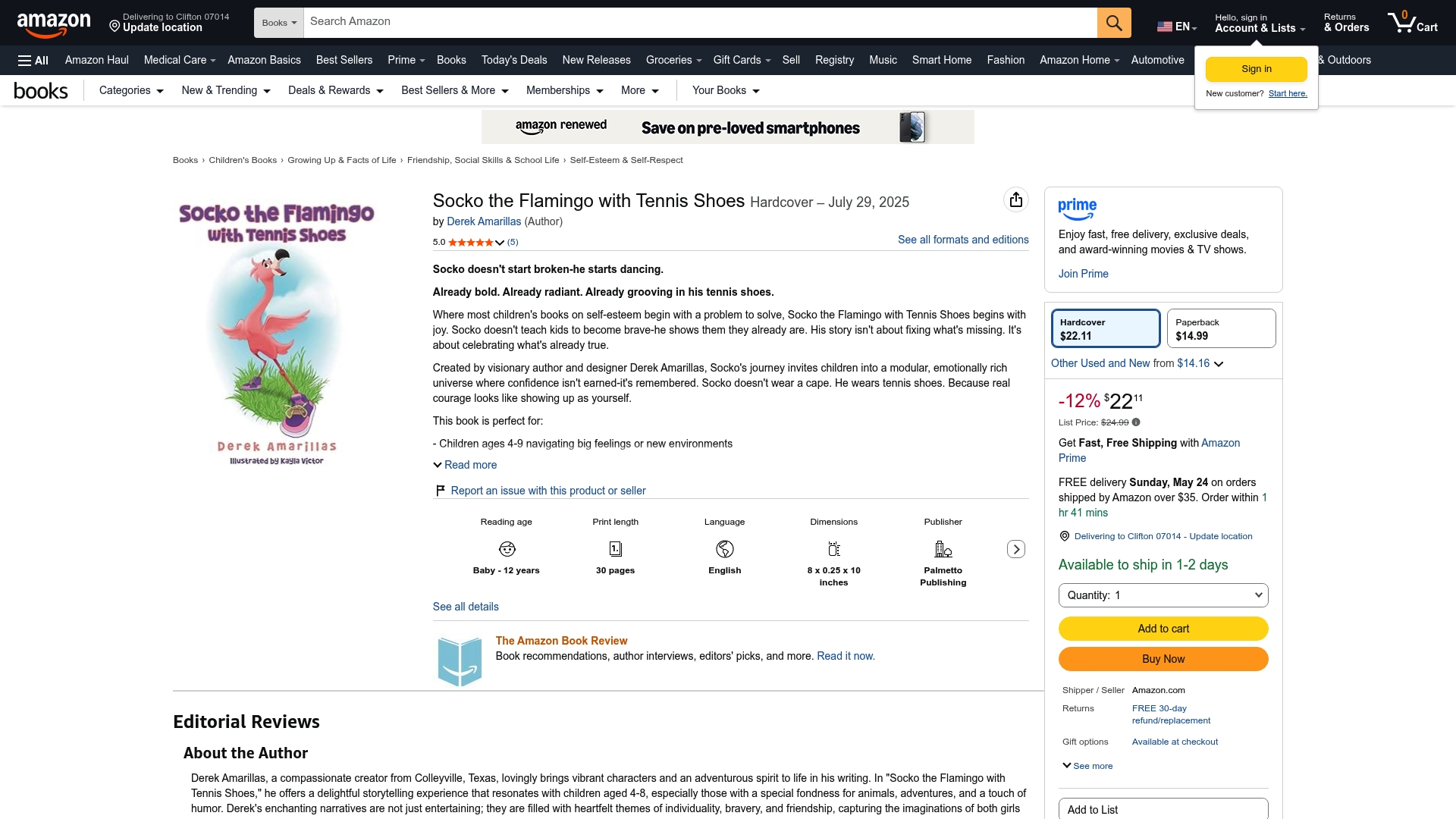
A curates picture books that teach emotional literacy, belonging, and self-acceptance through characters like Socko the Flamingo with Tennis Shoes. These are books designed to spark real conversations about big feelings, not just fill a shelf. Parents looking for trusted sibling adjustment books will find a carefully selected collection that covers the full range of adjustment needs, from toddler preparation to ongoing post-birth support. A book given at the right moment can do more for a child's emotional health than almost any other gift.
FAQ
What age is best for sibling adjustment books?
Sibling adjustment books work for children ages 2 through 8, with simpler titles for toddlers and more emotionally complex stories for children ages 5 and up.
When should I start reading new baby sibling books?
Start reading during pregnancy so the older child builds familiarity before the baby arrives, then revisit the books in the months after birth when adjustment challenges are greatest.
Do sibling adjustment books actually reduce rivalry?
Empowering older siblings through literature promotes emotional security and reduces rivalry by giving children a positive identity within the new family structure.
What should I look for in the best books for siblings?
Look for books that name difficult feelings directly, assign the older child a meaningful role, and reflect realistic family dynamics rather than presenting an overly tidy resolution.
Can one book cover the full adjustment period?
One book rarely covers the full arc. Combining a preparatory story before birth with an emotion-focused book in the months after provides the most complete support for the older child.