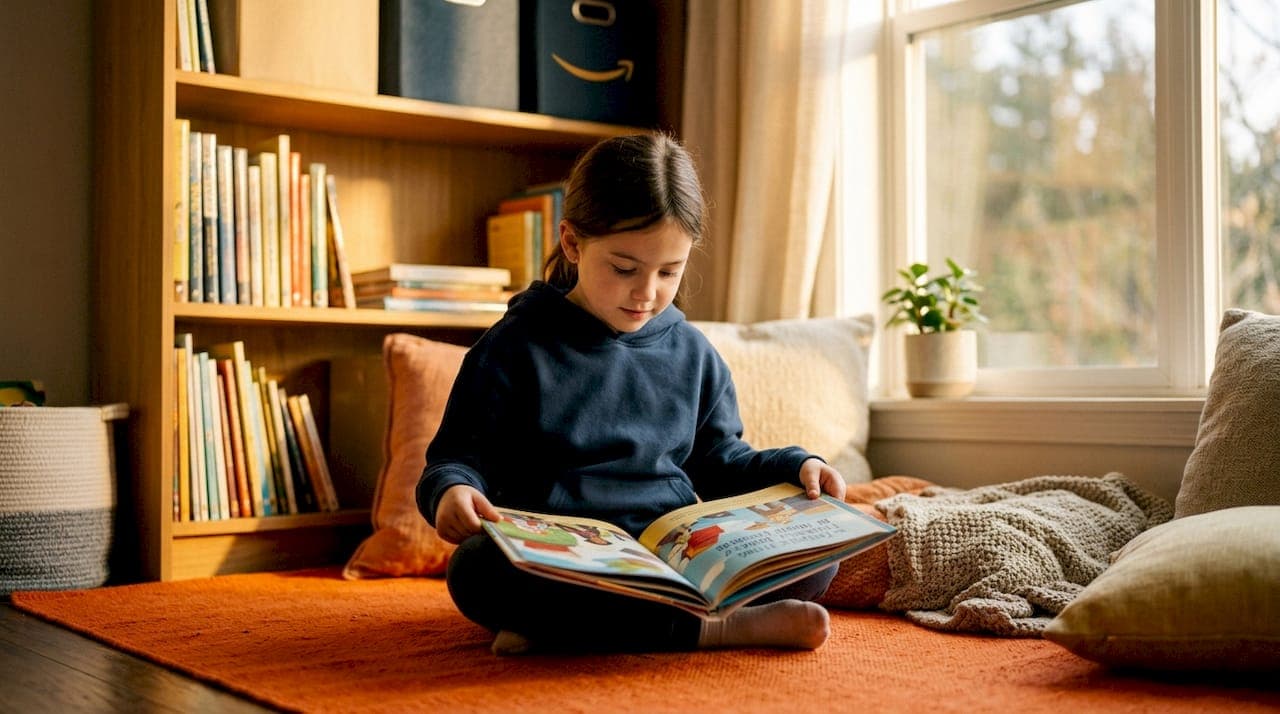
Books helping shy kids feel seen are picture books and storybooks that openly acknowledge shyness, validate a child's emotional experience, and promote self-acceptance rather than pushing children to simply "get over it." Emotional literacy, the ability to recognize and name feelings, is a foundational skill in early childhood development, and the right story can do more in ten minutes than weeks of well-meaning adult advice. Titles like The Shy Book from the Emotions Series, Sammy Feels Shy from the Big Bright Feelings series, and Meesha Makes Friends give shy children aged 3 to 8 a mirror that says: your feelings make sense, and you belong here.
What makes a book effective for shy kids feeling seen?
The best books for shy children do one thing above all others: they name the feeling without shaming it. A story that treats shyness as a problem to fix sends the wrong message. A story that treats shyness as a real, understandable experience sends the right one.
When you are choosing books for your quiet child, look for these qualities:
- Emotional naming. The book uses the word "shy" or describes the physical sensations of shyness, like a tight chest or a quiet voice, so children can connect the word to their body.
- Strengths-based framing. Strengths-based narratives reduce shame by affirming feelings while building coping skills, rather than treating shyness as a flaw.
- Social navigation, not social pressure. Good stories show characters finding their own path into a friendship or group, not being forced into one.
- Diverse representation. Books that feature characters of different backgrounds, family structures, and identities expand the emotional possibilities a child can imagine for themselves.
- Age-appropriate pacing. For children under 5, moment-by-moment emotional mapping works better than abstract advice. For ages 6 to 8, stories with slightly more complex social scenarios build on that foundation.
Pro Tip: Before reading, flip through the illustrations with your child and ask what the character's face looks like. This builds emotional vocabulary before a single word is read aloud.
A book that checks all five of these boxes becomes a conversation tool, not just a bedtime story. That is the difference between a book your child enjoys once and one they ask for again and again.
1. The Shy Book (Emotions Series)
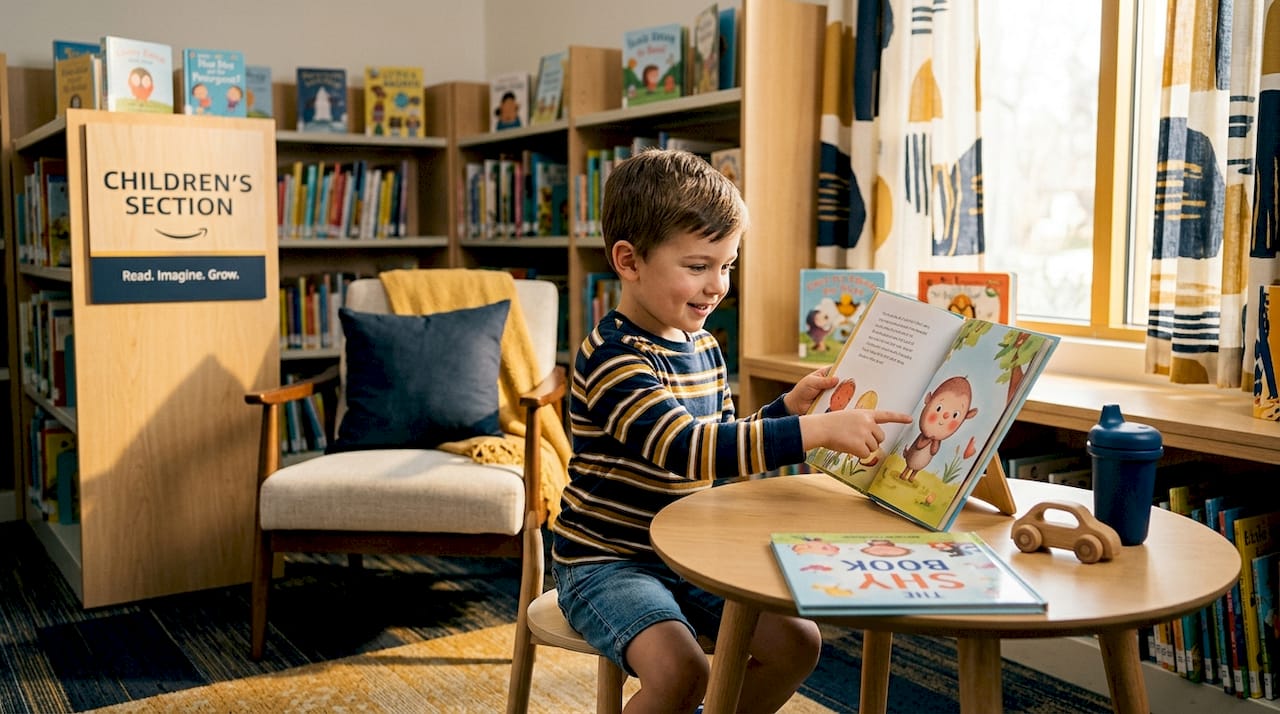
The Shy Book is designed specifically for children aged 3 to 7, and it does something most books avoid: it teaches children to recognize and name shyness as a distinct emotion with its own texture. The book is part of the Emotions Series, a collection built around the idea that naming a feeling is the first step to managing it. Reviewers highlight it as a practical emotional literacy tool that reassures children shyness does not prevent them from being seen or valued. For caregivers, it works best when read slowly, pausing to ask, "Has your tummy ever felt like that?"
2. Sammy Feels Shy (Big Bright Feelings)
Sammy Feels Shy follows a child whose shyness escalates visually into bright pink anxiety, making the internal experience of shyness visible and concrete for young readers aged 3 to 6. The Big Bright Feelings series uses a non-labeling approach, meaning it never tells the child what they are. It shows what they feel. This distinction matters enormously for sensitive children who resist being categorized. The book invites conversations about fear and social situations without prescribing a solution, which respects the child's pace. It is one of the strongest examples of strengths-based framing available for this age group.
"Sammy Feels Shy exemplifies strengths-based framing by depicting escalating fear yet focusing on learning to manage and return to enjoyment." — Split Rock Books
3. Meesha Makes Friends (Big Bright Feelings)
Also from the Big Bright Feelings series, Meesha Makes Friends addresses the specific challenge of social cues and friendship for children aged 3 to 6 who struggle to read social situations. Meesha's story centers on discovering a personal talent as the entry point into connection, which is a genuinely useful model for shy children who feel they have nothing to offer in social settings. The strengths-based plot avoids the trap of telling children to simply "be more friendly." Instead, it shows that belonging comes from being yourself, not from performing an extroverted version of yourself.
4. Todd Parr's The Worry Book
Todd Parr's books are a reliable resource for parents of anxious and shy children because they use bold, simple visuals and direct language that preschoolers absorb quickly. His approach teaches coping strategies like imagining yourself as a superhero or talking to someone you trust, framed in language a 4-year-old can actually use. Shyness and worry overlap significantly in young children, and Parr's work addresses both without making children feel broken. The books are short enough for children with limited attention spans and concrete enough to revisit during real moments of anxiety.
5. The Invisible String by Patrice Karst
The Invisible String speaks directly to the separation anxiety that often underlies shyness in young children. When a child fears entering a new room or meeting new people, the root is frequently a fear of losing connection with their safe person. This book teaches children that love creates a permanent, invisible bond that cannot be broken by distance or new situations. For shy children aged 4 to 8, this concept can reduce the emotional cost of social participation. Caregivers report using it as a pre-school ritual, reading it together before drop-off to anchor the child emotionally before a challenging social moment.
6. Quiet by Tomie dePaola (adapted concept titles)
Picture books that celebrate quiet, observant children rather than urging them to speak up give introverted kids a rare gift: the message that their natural way of being is not a problem. Stories for quiet kids that position observation, listening, and thoughtfulness as strengths rather than deficits align with what raising confident children research consistently shows: confidence grows from self-acceptance, not from forcing children into extroverted molds. When a shy child sees a character who is quiet and still celebrated, it shifts their self-narrative in a way no amount of encouragement from adults can replicate.
7. Queer-inclusive illustrated fiction for shy kids
Queer-inclusive picture books serve a specific and often overlooked function for shy children: they expand the range of identities and emotional experiences a child can recognize as valid. Queer-inclusive illustrated fiction creates emotional space for children to feel recognized without moral lectures, and it challenges rigid gender expectations that can make shy children feel doubly out of place. A shy boy who does not fit aggressive social norms, or a girl who feels different from her peers, finds in these books a broader definition of belonging. Diverse representation in books reduces loneliness and expands emotional possibilities for children who differ from mainstream narratives.
Pro Tip: Pair a queer-inclusive picture book with a conversation about what makes each family member unique. This normalizes difference as a source of richness, not a reason for shame.
How these books support social skills and emotional regulation
The books listed above do not just make shy children feel good in the moment. They build durable skills that transfer into real social situations. Here is how that process works in practice:
- Emotional recognition. When a child can name what they feel, they are less overwhelmed by it. Sammy Feels Shy maps the physical escalation of shyness moment by moment, which is exactly the concrete emotional recognition that easily overwhelmed children need before they can use any coping strategy.
- Social modeling. Characters in Meesha Makes Friends and The Shy Book demonstrate specific behaviors: waiting, watching, finding a point of connection. Children absorb these models and replay them in their own social situations.
- Caregiver conversation. Every book on this list works as a discussion tool. After reading, ask your child: "What did the character do when they felt scared?" This moves the lesson from the page into your child's own experience.
- Stress navigation. Resources on navigating stress in school consistently show that children who have language for their emotions handle social pressure better than those who do not. These books build that language early.
The goal is not to eliminate shyness. The goal is to give shy children the tools to participate in the world on their own terms, without shame.
Key takeaways
The most effective books for shy children aged 3 to 8 validate shyness as a real emotion, use strengths-based framing, and give children concrete language and models for navigating social situations.
| Point | Details |
|---|---|
| Name the feeling first | Books like The Shy Book and Sammy Feels Shy teach emotional naming before coping, which is the correct developmental sequence. |
| Strengths-based framing matters | Stories that affirm shyness rather than fixing it reduce shame and increase a child's willingness to engage. |
| Representation expands belonging | Diverse and queer-inclusive books help shy children feel seen beyond shyness alone, reducing loneliness. |
| Use books as conversation starters | Pausing to ask questions during reading transfers emotional lessons from the page to the child's real experience. |
| Match book to emotional capacity | Choose moment-by-moment emotional mapping for ages 3 to 5, and more complex social scenarios for ages 6 to 8. |
What I have learned from reading these books with children
Reading books about shyness with a shy child is not the same as reading any other picture book. The child is watching you as much as the page. If you rush through the uncomfortable moment in the story, they notice. If you pause and say, "I wonder how Sammy feels right now," you give them permission to sit with the feeling instead of escaping it.
The books I return to most consistently are the ones that do not resolve the shyness neatly. Sammy Feels Shy does not end with Sammy becoming confident and outgoing. It ends with Sammy managing the feeling and finding a moment of joy. That is honest. Children know when a story is lying to them, and they trust the ones that tell the truth.
One thing I would caution against: choosing books based on what you wish your child felt rather than what they actually feel. A book about a shy child who becomes the life of the party is not a book for shy children. It is a book for adults who want their child to change. The titles on this list were chosen because they meet children where they are, not where we want them to be.
— Derek
Find the right book for your shy child
Choosing the right story for a quiet or sensitive child does not have to be guesswork. The books on this list are available through a curated selection of emotional literacy titles built specifically for children aged 3 to 8. Whether your child is working through social anxiety, struggling to name big feelings, or simply needs to see a character who looks and feels like them, there is a story here that will help.
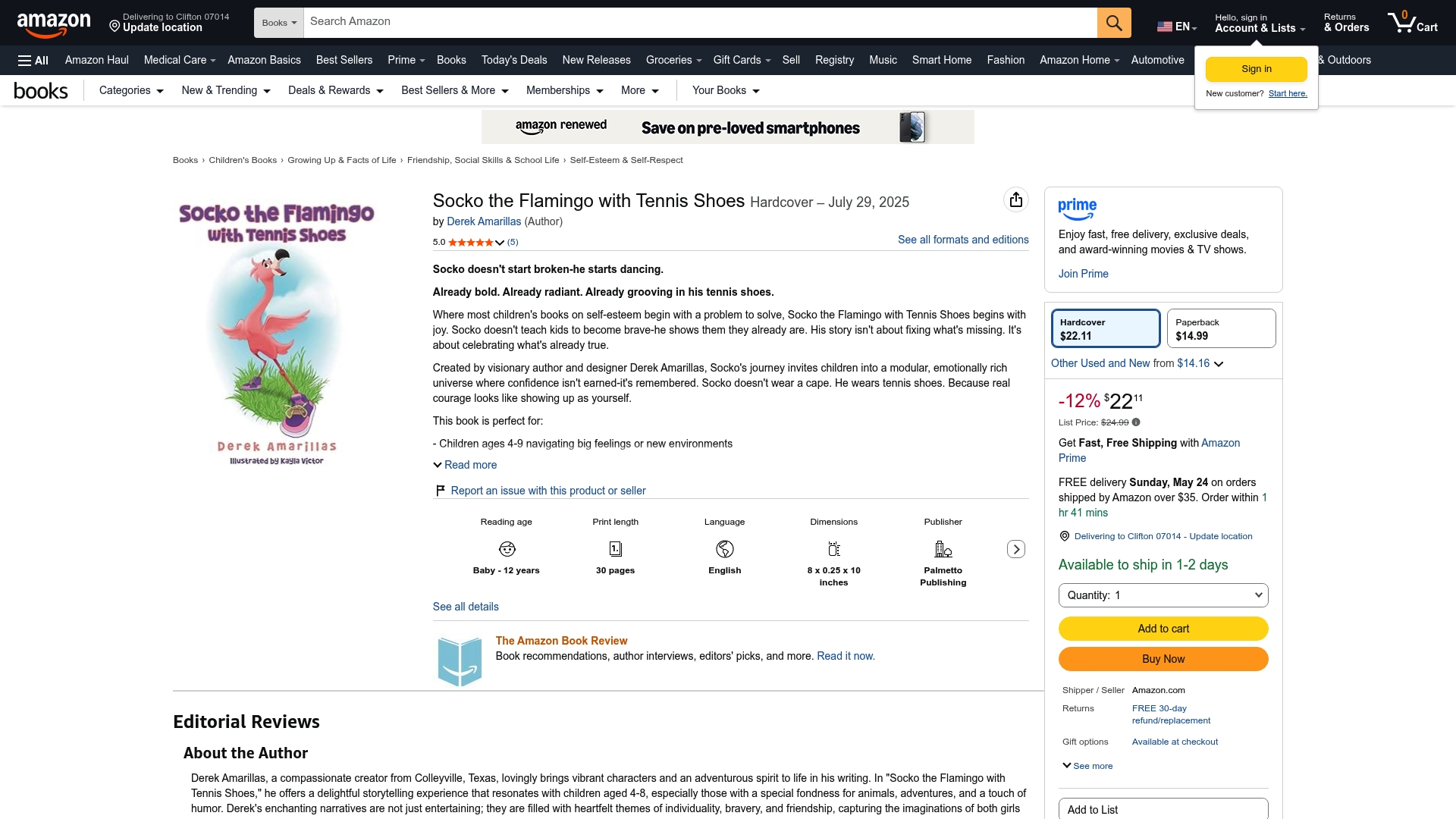
A, the brand behind Socko the Flamingo with Tennis Shoes, believes every child deserves to feel understood. Explore the full collection and find the book that opens the conversation your child has been waiting to have.
FAQ
What are the best books for shy children aged 3 to 6?
Sammy Feels Shy and Meesha Makes Friends from the Big Bright Feelings series are two of the strongest options for this age group, using visual emotional mapping and strengths-based storytelling to validate shyness without labeling the child.
How do books help shy kids build social confidence?
Books model specific social behaviors and give children language for their emotions, which research shows reduces overwhelm and improves a child's ability to navigate real social situations.
Should I choose books that show shy characters becoming outgoing?
No. Books that end with a shy character transforming into an extrovert send the message that shyness must be fixed. The most effective titles, like The Shy Book, affirm shyness as a valid experience while teaching children to manage it.
How do I use these books as conversation tools?
Pause during reading and ask open questions: "What does the character's face tell you?" or "Has your body ever felt like that?" This moves emotional learning from the story into your child's own experience.
Do diverse and inclusive books help shy children specifically?
Yes. Inclusive representation in books reduces loneliness and expands the emotional possibilities children can imagine for themselves, which is especially valuable for shy children who already feel different from their peers.