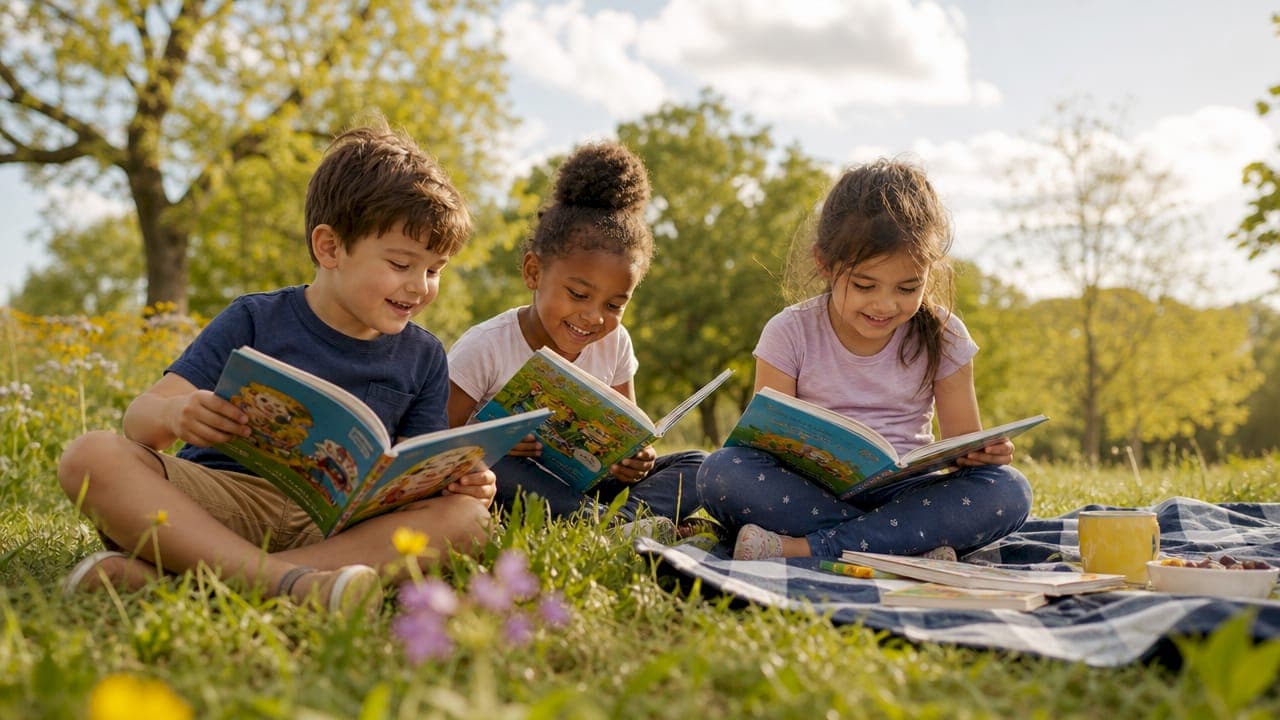
The best examples of books with a lasting impact on young readers are those that combine emotional literacy with developmentally appropriate storytelling. These titles give children language for big feelings, mirrors for their own experiences, and windows into lives different from their own. From board books built on rhyme and rhythm to young adult novels that tackle race and identity, the most enduring children's literature works because it meets kids exactly where they are. Parents, teachers, and caregivers who understand what makes these books powerful can make far better choices for the children in their lives.
1. What makes a book leave a lasting impact on young readers?
Lasting impact in children's literature is defined by two things: emotional literacy development and personal connection. A book builds emotional literacy when it gives a child words and frameworks for feelings they already have but cannot name. It creates personal connection when a character or situation reflects the child's own world back at them.
Researchers and educators use the phrase "mirror and window" to describe this dual function. Books act as mirrors when they reflect a child's identity, and as windows when they show lives and perspectives beyond their own experience. Both functions build empathy and real-world problem-solving skills.
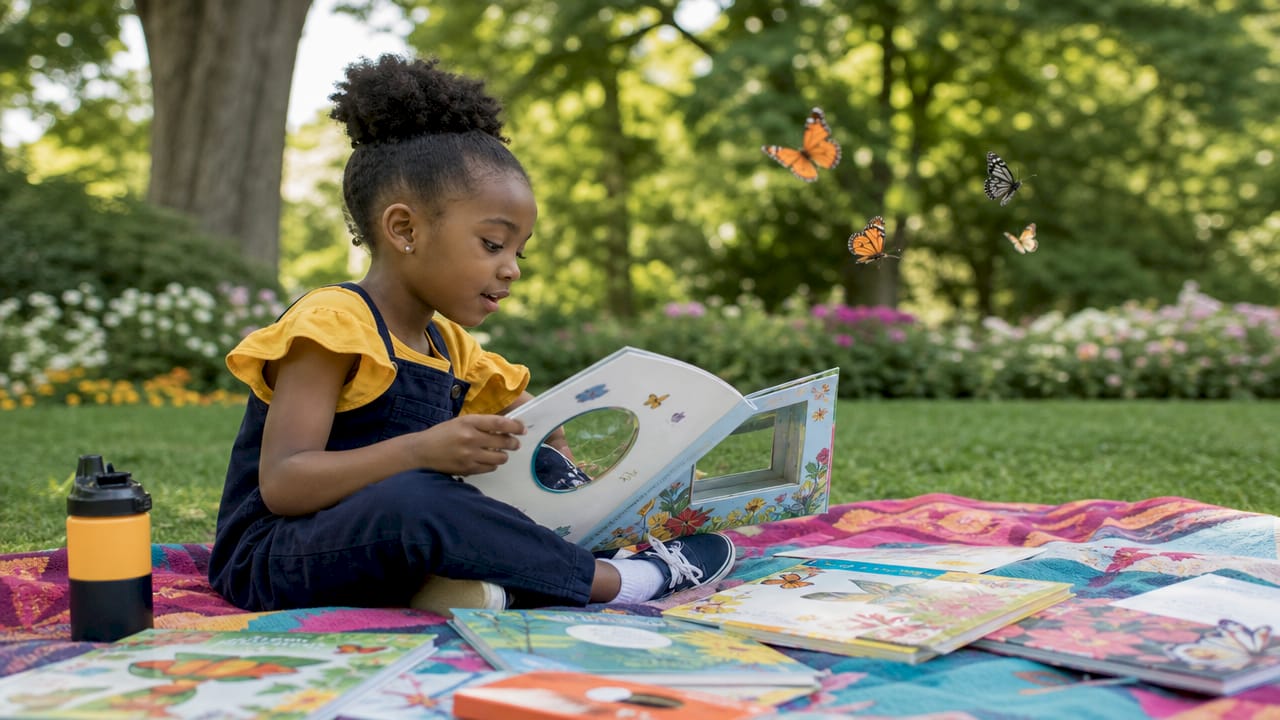
Social-emotional learning (SEL) frameworks, used widely in American schools, identify five core competencies: self-awareness, self-management, social awareness, relationship skills, and responsible decision-making. The most impactful stories for kids address at least two of these competencies in a single narrative. That is the standard worth applying when you choose books for a child.
2. Top toddler books that build language and early literacy
Toddler books that leave a mark are built on rhyme, rhythm, and predictable repetition. These three elements are not decorative. They are the primary tools through which toddlers develop phonological awareness, the ability to hear and manipulate the sounds of language.
The Very Hungry Caterpillar by Eric Carle uses only 18 sentences across the entire book. That economy of language is deliberate. Repetition with variation teaches counting and sequences while keeping toddlers engaged through predictable patterns they can anticipate and complete.
Toddler-appropriate books last about 4–5 minutes of reading time and often include animal noises, rhymes, and simple narratives. That time constraint is a design feature, not a limitation. It matches the attention span of children ages 1–3 and maximizes the chance of a complete, satisfying read-aloud experience.
Key features of effective toddler books include:
- Repetition with variation: Patterns repeat but shift slightly to hold attention and teach sequences.
- Rhyme and rhythm: Sound patterns build phonological awareness and make text memorable.
- Interactive elements: Lift-the-flap, touch-and-feel, or call-and-response structures invite participation.
- Simple, concrete narratives: Stories about food, animals, and daily routines connect to a toddler's direct experience.
Pro Tip: Read the same book multiple times across several days. Toddlers learn more from repetition than novelty. The third or fourth reading is often when a child begins to "read along" and internalize language patterns.
3. What books best support social-emotional learning for ages 6–11?
Books that promote SEL for early elementary children work best when they use a single, universal metaphor that children can apply across many situations. Abstract concepts like kindness and empathy become concrete when a book gives them a physical shape.
Have You Filled a Bucket Today? by Carol McCloud uses the image of an invisible bucket to represent emotional wellbeing. Filling someone's bucket means showing kindness. Dipping into it means being unkind. That single metaphor works across a seven-year age span, from ages 3 to 10, because it scales with a child's growing social awareness.
The bucket metaphor does something most SEL books do. It gives children a common emotional language they can use outside the book, in classrooms, at home, and on playgrounds. Teachers report that children begin using "bucket filling" as a real social currency. That transfer from page to life is the mark of a truly impactful story.
Strong SEL books for this age group share these qualities:
- One clear metaphor: A single image that children can recall and apply independently.
- Relatable social scenarios: Situations drawn from school, friendship, and family life.
- Character growth: A protagonist who changes or learns, modeling that growth is possible.
- Discussion prompts: Built-in or companion questions that invite adult-child conversation.
Pro Tip: After reading an SEL book, ask the child one specific question: "When did you feel like that this week?" Connecting the story to a real memory deepens the emotional lesson far more than a general discussion.
4. Which young adult books engage teens in identity and social justice?
Teen literature that mirrors identity and social justice fosters empathy and critical thinking in readers ages 12–18. The most effective titles in this category do not simplify difficult realities. They present them with full complexity and trust the reader to engage.
The Hate U Give by Angie Thomas is cited by the American Library Association (ALA) and Common Sense Media as essential reading for conversations on racism and social justice among teens. The novel follows Starr Carter, a Black teenager navigating two worlds: her low-income neighborhood and her predominantly white private school. That dual-world structure is not a plot device. It is the emotional core of the book.
"You can destroy wood and brick, but you can't destroy a movement." — The Hate U Give, Angie Thomas
Characters who navigate two worlds help readers feel understood and build resilience. For teens who feel caught between cultural identities, family expectations, and peer groups, seeing that tension named and validated in fiction is genuinely powerful. It confirms that their experience is real and worth examining.
Books in this category that consistently appear on ALA and Common Sense Media lists include:
- The Hate U Give by Angie Thomas: Race, identity, and activism.
- Speak by Laurie Halse Anderson: Trauma, silence, and recovery.
- The House on Mango Street by Sandra Cisneros: Identity, belonging, and community.
- Long Way Down by Jason Reynolds: Cycles of violence and moral choice.
5. How structural elements shape a book's emotional staying power
A book's structure is as important as its content. The way a story is built determines whether a child absorbs its emotional lessons or forgets them by the next morning.
Repetitive structures give early learners security. When a child knows what is coming next, they can focus their attention on language and character rather than plot. Refrains and daily routines in picture books create engagement and focused learning by reducing cognitive load. The child's brain is free to process meaning rather than track events.
| Structural Element | Age Group | Emotional Function |
|---|---|---|
| Rhyme and repetition | Toddlers (ages 1–3) | Builds language security and phonological awareness |
| Simple metaphor | Early elementary (ages 4–10) | Gives children vocabulary for complex feelings |
| Character duality | Tweens and teens (ages 11–18) | Validates identity conflict and builds resilience |
| Activity-based prompts | All ages | Encourages trial, error, and persistence |
Simple metaphors provide children with emotional vocabulary they can use independently. A child who has read Have You Filled a Bucket Today? has a ready-made framework for understanding kindness. That framework travels with them into every social situation they face. Activity-based books, which ask children to try, fail, and retry, build the habit of persistence that underlies emotional resilience.
Key takeaways
The most impactful children's books combine developmental alignment with emotional literacy tools, giving young readers language and frameworks they carry far beyond the final page.
| Point | Details |
|---|---|
| Define lasting impact clearly | Books leave a mark when they build emotional literacy and create personal connection. |
| Match structure to age | Toddlers need rhyme and repetition; teens need complex, dual-world narratives. |
| Prioritize emotional vocabulary | Books like Have You Filled a Bucket Today? give children language they use in real life. |
| Use the mirror and window standard | Choose books that reflect a child's identity and show them lives beyond their own. |
| Structure drives retention | Repetition, metaphor, and character duality determine whether lessons stick. |
Why I think we underestimate what children take from books
Parents and teachers often evaluate children's books on entertainment value first and educational content second. That order is backwards. The books children return to again and again are the ones that made them feel understood, not the ones with the funniest illustrations.
I have watched children carry the bucket-filling metaphor into arguments on the playground, genuinely using it to name what happened and decide how to respond. That is not a small thing. That is a child using literature as a tool for living. Most adults never develop that skill.
The books that shape young lives are rarely the ones adults expect. A child who feels like an outsider does not need a book about fitting in. They need a character who is also an outsider and who finds that their difference is the source of their strength. A character like Socko from A, a flamingo in tennis shoes who does not look like anyone else and learns that belonging starts from within, does exactly that kind of work.
Matching a book to a child's developmental stage matters, but matching it to their emotional moment matters more. A six-year-old processing a friendship conflict needs Have You Filled a Bucket Today? more than they need a grade-level reader. A fourteen-year-old questioning their identity needs The Hate U Give more than they need a summer reading list assignment. Trust the child's emotional need over the curriculum calendar.
— Derek
A good place to start building your child's library
Building a collection of books that genuinely shape a child's emotional life does not require a large budget or a specialist's knowledge. It requires knowing what to look for and where to find it reliably.
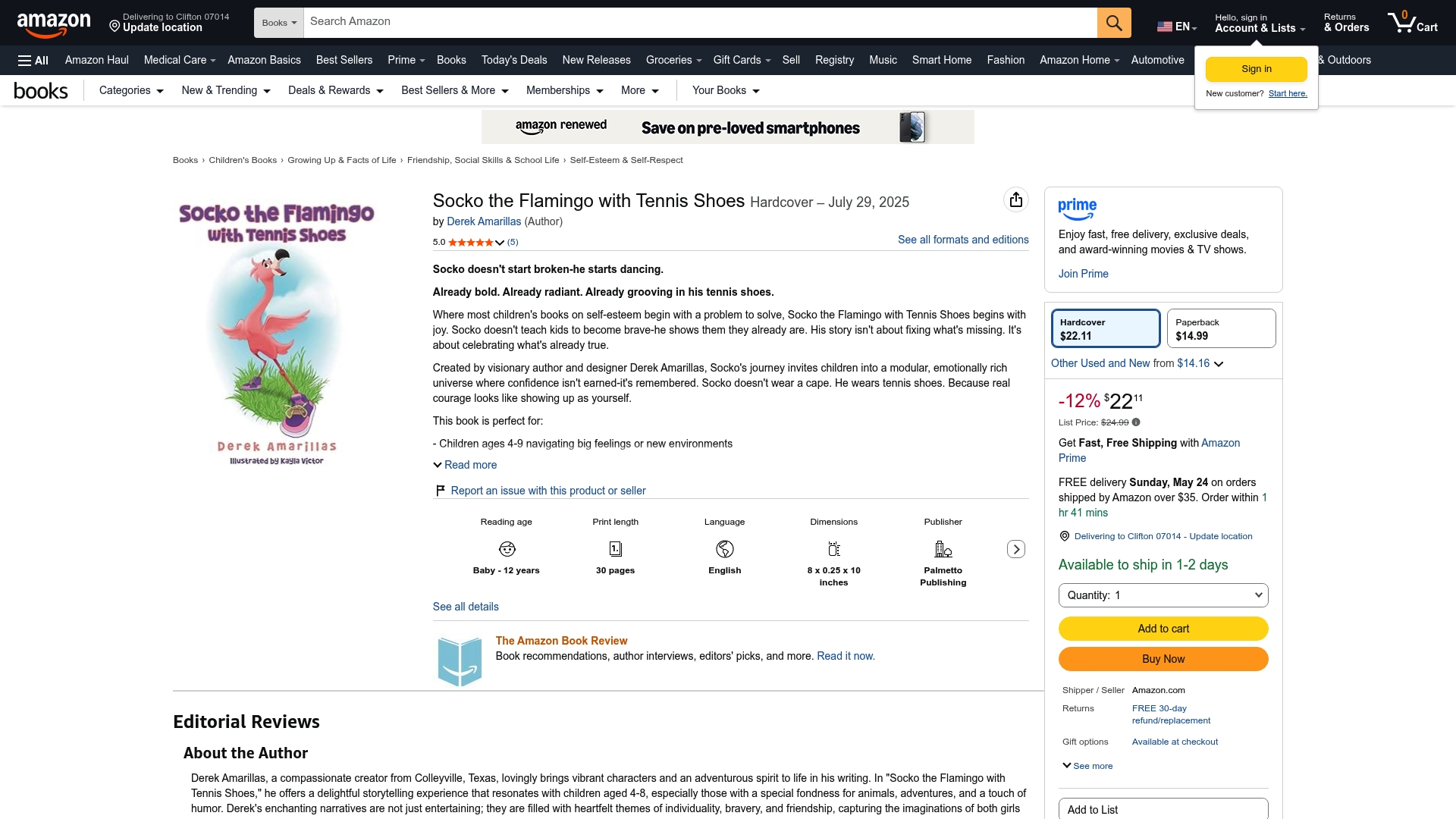
A, the brand behind Socko the Flamingo with Tennis Shoes, is built on the belief that the right book at the right moment changes how a child sees themselves. For parents and teachers ready to add titles that teach belonging, self-acceptance, and big feelings, the full collection is available here. The selection includes trusted reviews, age-range guidance, and a range of price points that make it practical to build a classroom or home library one title at a time.
FAQ
What makes a children's book have a lasting impact?
A children's book has a lasting impact when it builds emotional literacy and creates personal connection. The most effective titles give children a framework or vocabulary for feelings they already experience but cannot yet name.
What are the best books for social-emotional learning?
Have You Filled a Bucket Today? by Carol McCloud is one of the most widely used SEL books in American classrooms. It works across ages 3–10 by using a single, universal metaphor that children apply in real social situations.
Why is The Very Hungry Caterpillar still considered a classic?
The Very Hungry Caterpillar uses only 18 sentences and balances repetition with variation to teach counting and sequences. That structure makes it one of the most effective toddler books for language development ever published.
How do I choose the right book for a child's age and stage?
Match the book's structure to the child's developmental needs. Toddlers benefit from rhyme and repetition; children ages 6–11 benefit from metaphor-based SEL stories; teens benefit from complex narratives that reflect real-world identity challenges.
Are picture books only for young children?
Picture books work across a wider age range than most adults assume. Books like those in the A collection, which address belonging and self-acceptance through humor and character, resonate with children well into early elementary school and can spark meaningful conversations at any age.