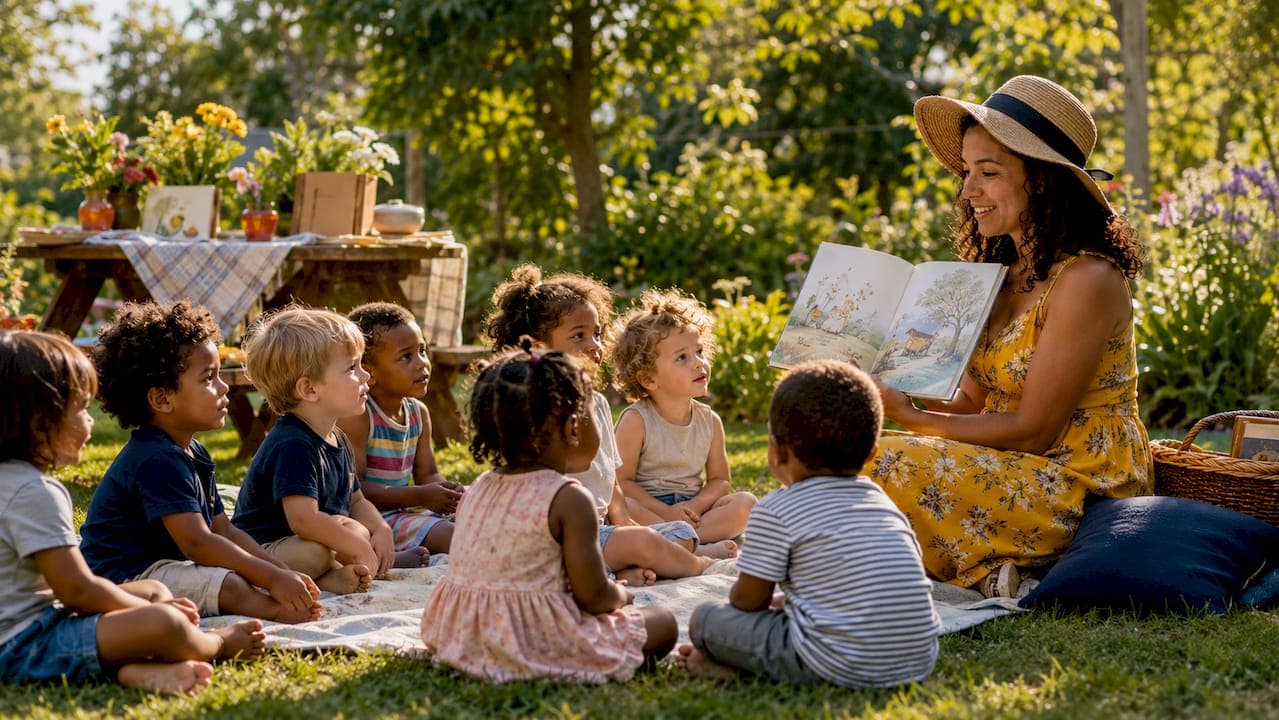
Community storytime is a structured group reading program for children ages 0–5 that directly builds social-emotional learning skills through shared books, songs, and play. The what is community storytime sel benefit question has a clear answer: these sessions, offered free at public libraries and community centers nationwide, train children in the five core CASEL competencies before they ever enter a classroom. Sessions typically run 30–45 minutes, are free and open access, and serve as one of the most research-backed early childhood tools available to families today. A, the brand behind Socko the Flamingo with Tennis Shoes, exists precisely because books and group reading experiences spark the emotional conversations children need most.
What is the community storytime SEL benefit, and why does it matter?
Community storytime supports all five CASEL SEL competencies by giving children a structured, safe space to practice self-awareness, self-management, social awareness, relationship skills, and responsible decision-making. CASEL, the Collaborative for Academic, Social, and Emotional Learning, defines these five areas as the foundation of healthy emotional development. Storytime delivers all five in a single 30-minute session, which is something most structured preschool curricula take months to cover.
The reason storytime works so well for SEL is the predictable format. A predictable storytime routine removes the cognitive load of social interaction, freeing children to focus on the emotional content of the story rather than managing anxiety about what comes next. Children who know a song is coming after the book are already regulating their anticipation. That is emotional self-management in practice.
The SEL benefits in education research is consistent: children who participate in group storytime show measurable gains in empathy, cooperation, and emotional vocabulary. These are not soft outcomes. They predict academic success, peer relationships, and mental health well into adolescence.
How does storytime build each of the five CASEL competencies?
Each CASEL competency maps directly to a storytime activity. Here is how the connection works in practice:
- Self-awareness: Children identify emotions in characters. When a librarian asks "How do you think Socko feels right now?" children learn to name feelings in a low-stakes setting before applying that skill to themselves.
- Self-management: Waiting for a turn to hold the puppet, sitting through a book before the song starts, and following along with a rhyme all require impulse control. Children practice this repeatedly across a single session.
- Social awareness: Group stories expose children to characters with different backgrounds, fears, and joys. This builds cognitive empathy, the ability to understand another person's perspective.
- Relationship skills: Passing props, singing together, and participating in call-and-response activities all require cooperation. These are the same skills children need on the playground and in the classroom.
- Responsible decision-making: Simple story-based questions like "What should the character do next?" teach children to think through consequences before acting.
Pro Tip: After storytime, ask your child one question about a character's feelings rather than the plot. "Why do you think the bear was scared?" builds SEL vocabulary faster than "What happened in the story?"
The importance of storytime is not just about literacy. It is about giving children a rehearsal space for real social situations before the stakes are high.
What are the educational and cognitive benefits of storytime?
The cognitive benefits of community storytime extend well beyond SEL. Vocabulary growth, early literacy skills, and creative thinking all improve with consistent group reading exposure.
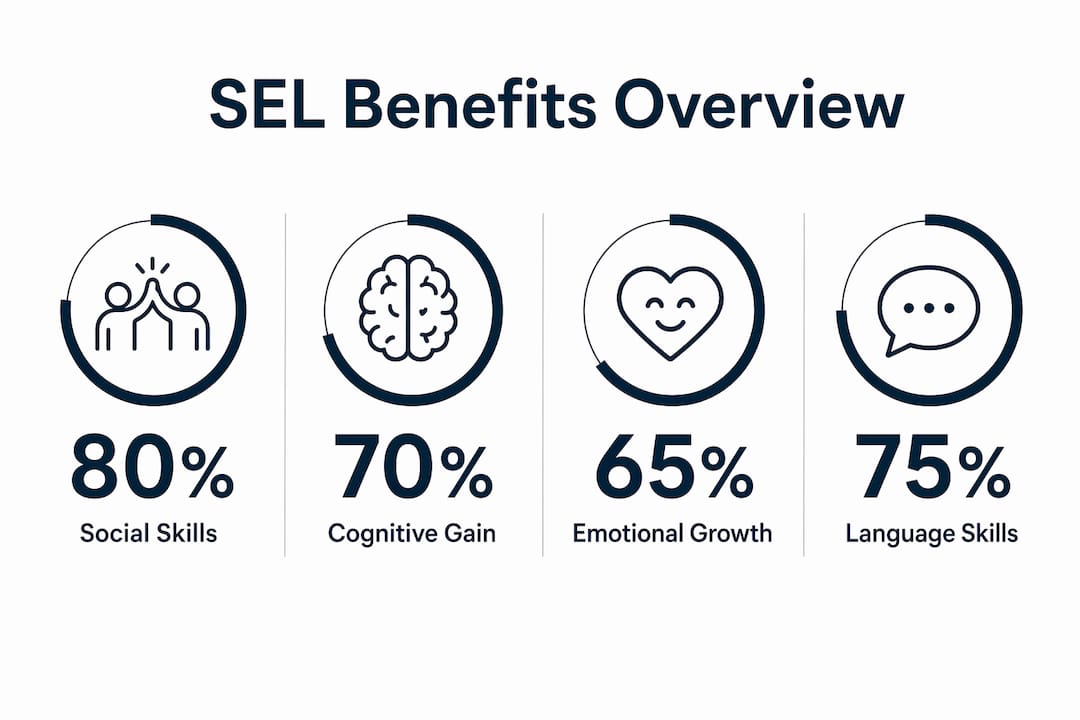
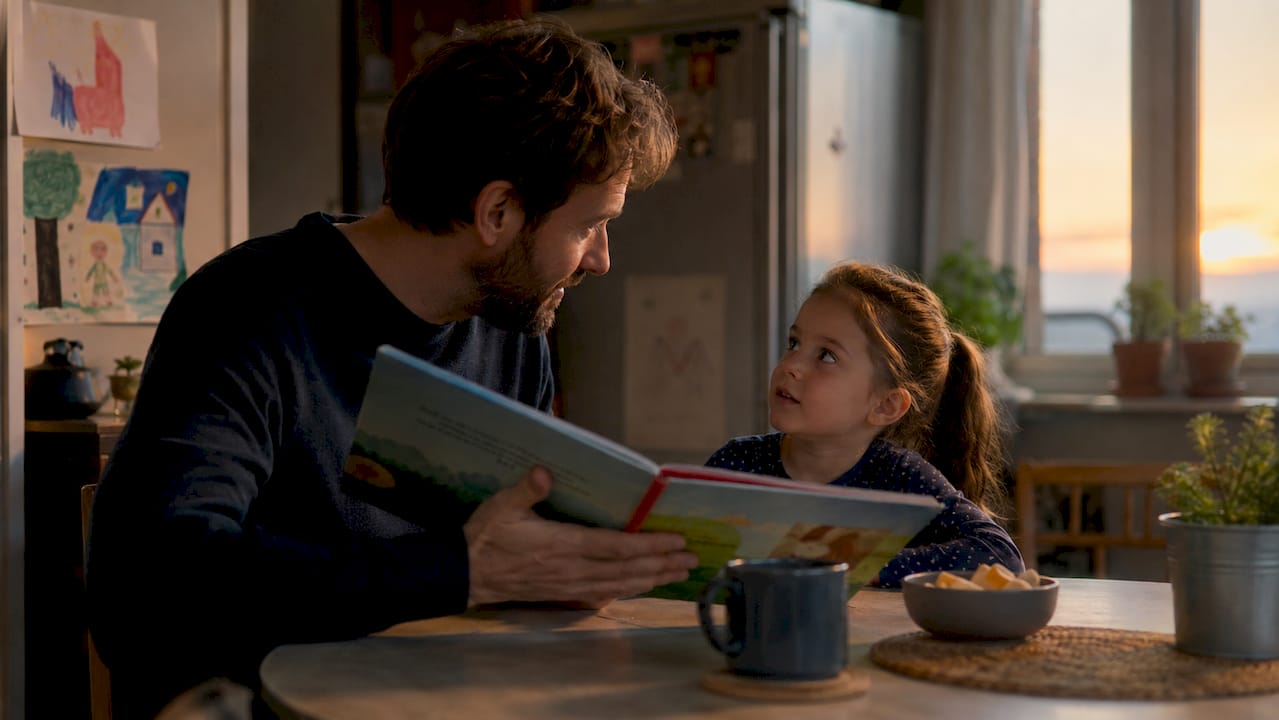
Daily reading for just 15 minutes over two weeks improves cognitive empathy and creative thinking in young children, regardless of whether parents stop to ask questions. That finding matters because it removes the pressure on caregivers to perform dialogic reading perfectly. Simply showing up and reading consistently produces measurable results.
Dialogic reading, where the reader pauses to ask open-ended questions, does add an additional layer of benefit. Dialogic reading techniques produce significantly larger vocabulary gains than passive reading and strengthen parent-child attachment at the same time. Librarians trained in storytime delivery use these techniques naturally, which is one reason professionally led sessions produce strong outcomes.
Parental involvement adds a neurobiological dimension that professional-led sessions cannot fully replicate. Active parental storytelling engages sensory and social brain pathways more effectively than listening to a stranger read, even a skilled one. The ideal model combines both: community storytime for group social practice, and daily reading at home for deep brain engagement.
| Educational benefit | What the research shows | Practical takeaway |
|---|---|---|
| Vocabulary growth | Dialogic reading produces larger gains than passive reading | Ask open-ended questions during home reading |
| Cognitive empathy | 15 minutes of daily reading improves empathy within two weeks | Consistency matters more than technique |
| Creative thinking | Short daily reading sessions boost creative skills | Any book counts, not just award winners |
| Brain development | Parental storytelling activates more sensory pathways | Parents should read aloud at home, not just attend storytime |
| Early literacy | Group storytime builds phonemic awareness through rhymes and songs | Rhyme-heavy books reinforce what children hear at storytime |
Pro Tip: Pair your child's favorite storytime book with a bedtime read-aloud at home. Familiar stories reduce resistance and double the cognitive exposure without adding new preparation time.
How do community storytime activities engage children in group settings?
The activities used in community storytime are not decorative. They are the delivery mechanism for SEL content. Puppets, sensory props, and playful activities anchor SEL concepts in physical, memorable experiences that abstract instruction cannot match.
A child who watches a puppet feel nervous about making a new friend processes that emotion differently than a child who hears about nervousness in a lecture. The puppet makes the feeling concrete. That concreteness is what makes storytime so effective for children under five, whose abstract reasoning is still developing.
Typical community storytime activities and their SEL functions include:
- Rhymes and fingerplays: Build listening skills and body awareness, both components of self-regulation
- Call-and-response songs: Require children to wait, listen, and respond, which directly trains turn-taking and attention
- Flannelboard stories: Let children physically place characters and objects, building narrative understanding and cause-and-effect thinking
- Puppet interactions: Create a safe emotional proxy for children to project feelings onto without personal risk
- Sensory bins and props: Ground abstract emotional concepts in touch and play, making them accessible to children with limited verbal skills
The low-stakes environment is the key variable. Storytime acts as a civic wellness tool that breaks access barriers and reduces social anxiety for families who might not otherwise have structured early learning options. No grades, no performance pressure, no wrong answers. Children can try on social behaviors and emotional responses without consequences.
What are the secondary benefits of community storytime for caregivers?
The benefits of storytime do not stop with the child. Caregivers gain something equally important: community. Caregiver social networking during storytime correlates directly with stronger support systems and better child emotional development outcomes. That is not a coincidence. Stressed, isolated caregivers produce stressed children. Storytime interrupts that cycle.
Sitting in a room with other parents who are navigating the same developmental stage normalizes the hard parts of early parenting. The informal conversations before and after sessions build relationships that extend beyond the library. Those relationships become the support network that helps caregivers manage the emotional demands of raising young children.
Research on parental participation in storytime confirms that caregiver engagement is neurobiologically significant for child brain development. When a parent is present, engaged, and emotionally regulated during storytime, the child's brain registers that safety. That registered safety is the foundation for all subsequent social and emotional learning.
| Benefit area | For children | For caregivers |
|---|---|---|
| Social connection | Practice cooperation and turn-taking with peers | Build friendships with other families in the same life stage |
| Emotional regulation | Learn to manage feelings through story characters | Reduce isolation and share parenting challenges openly |
| Cognitive growth | Gain vocabulary and early literacy skills | Learn read-aloud techniques to use at home |
| Stress reduction | Experience a calm, predictable routine | Step away from daily pressures in a supportive group setting |
| Brain development | Activate sensory and social pathways through stories | Reinforce attachment through shared reading experiences |
The family stories and generational connection that caregivers build through consistent storytime attendance create a shared narrative that children carry forward. That narrative is part of identity formation, which is exactly what A's Socko the Flamingo addresses through belonging and self-acceptance.
Key takeaways
Community storytime is the most accessible SEL intervention available to families with children under five, combining structured group practice with zero cost and no prerequisites.
| Point | Details |
|---|---|
| SEL competencies covered | Storytime builds all five CASEL competencies through songs, props, and group interaction. |
| Cognitive gains are fast | Just 15 minutes of daily reading improves empathy and creativity within two weeks. |
| Caregiver benefits are real | Social networking at storytime reduces caregiver stress and strengthens child outcomes indirectly. |
| Parental reading amplifies results | Active parental storytelling at home activates more brain pathways than professional-led sessions alone. |
| Activities are the mechanism | Puppets, rhymes, and flannelboards make abstract SEL concepts concrete and memorable for children under five. |
Why I think storytime is underestimated as an SEL tool
Most conversations about SEL in education focus on school-based programs, curriculum frameworks, and teacher training. That is the right conversation for K-12. But for children under five, the most powerful SEL intervention is already sitting in your local library, free, every week.
What I have observed is that caregivers often attend storytime for the literacy benefits and leave without realizing the SEL work their child just did. A child who waited patiently for the puppet, sang along with a group of strangers, and answered a question about how a character felt just practiced three CASEL competencies in 30 minutes. That is not incidental. That is the program working exactly as designed.
The challenge is consistency. Families who attend once or twice do not see the same outcomes as families who attend regularly. SEL skills build through repetition, not exposure. The predictable format of storytime is only valuable if children experience it enough times to internalize the routine. My honest recommendation is to treat storytime like a standing appointment, not an occasional activity.
The dual benefit for caregivers is the part most articles miss entirely. When you sit in that room with other parents, you are doing your own emotional regulation work. You are modeling community participation for your child. You are showing them that adults seek out shared experiences too. That modeling is as powerful as any book.
— Derek
Bring SEL home with the right books and resources
Storytime at the library is a strong start. What happens between sessions determines how much of that SEL learning sticks. A, the brand behind Socko the Flamingo with Tennis Shoes, creates picture books designed to extend those storytime conversations into daily life. Socko's stories tackle big feelings, belonging, and self-acceptance with humor that children actually respond to.
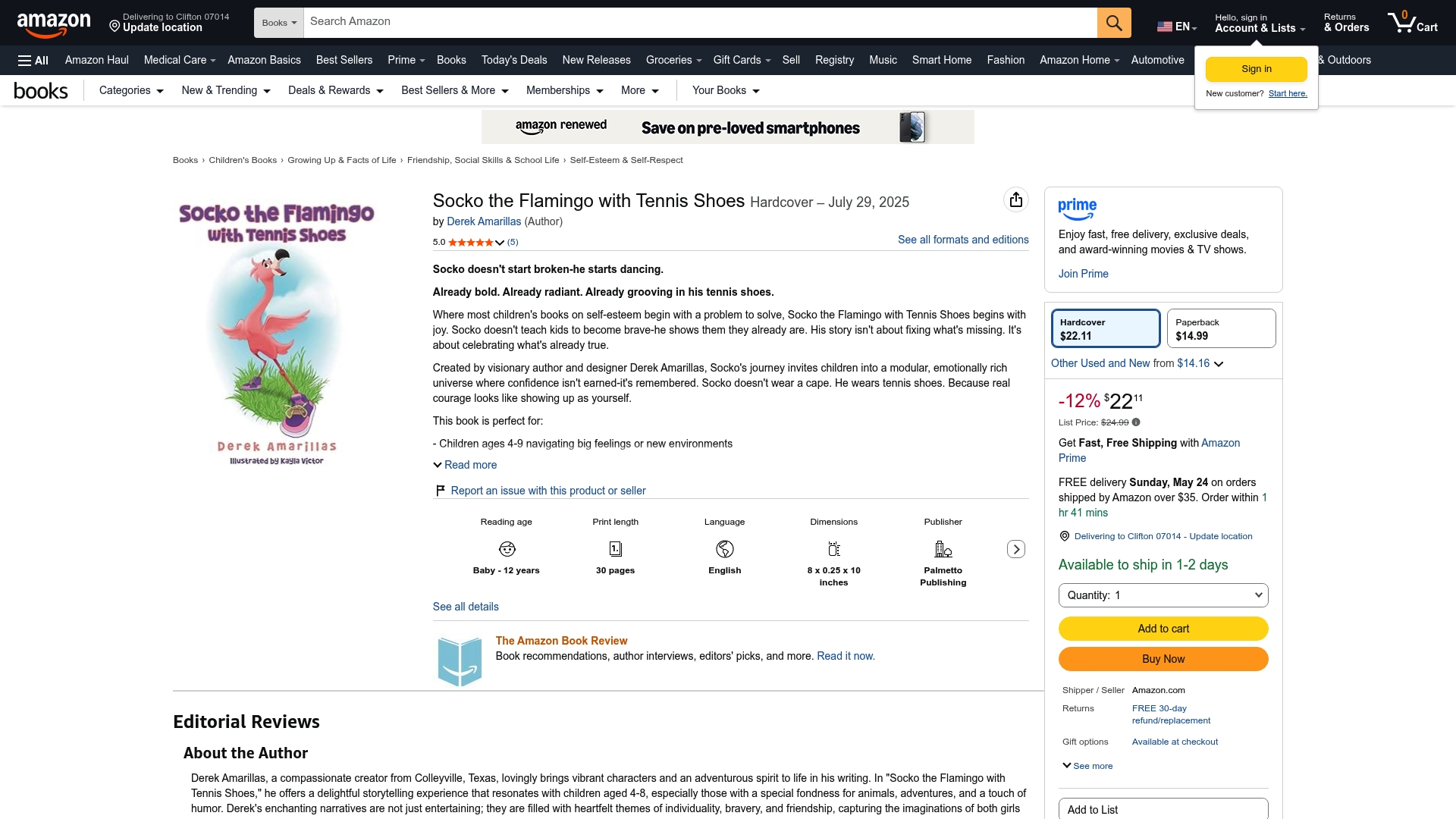
The right book at the right moment can open a conversation that a caregiver could not start any other way. You can find SEL-focused children's books, including titles that complement community storytime themes, through Amazon's children's book selection. Look for books that name emotions directly, feature characters navigating social situations, and invite children to predict what a character will do next. Those are the books that do SEL work between storytime sessions.
FAQ
What is community storytime for young children?
Community storytime is a free, structured group reading program offered at public libraries and community centers for children ages 0–5. Sessions typically run 30–45 minutes and include books, songs, rhymes, and interactive activities.
How does storytime support social-emotional learning?
Storytime builds all five CASEL SEL competencies by giving children a predictable, low-stakes environment to practice self-awareness, empathy, turn-taking, and emotional regulation through stories and group activities.
How often should children attend storytime to see SEL benefits?
Consistent attendance produces the strongest results. SEL skills develop through repeated practice, so weekly attendance over several months builds more durable social and emotional skills than occasional visits.
Do caregivers benefit from attending community storytime?
Yes. Caregiver social networking during storytime reduces isolation and stress, which indirectly improves child emotional outcomes. Engaged caregivers also reinforce SEL learning by modeling calm, connected behavior during sessions.
Is reading at home as effective as community storytime for SEL?
Both matter and work best together. Daily home reading for as little as 15 minutes improves empathy and creativity within two weeks. Community storytime adds the group social practice dimension that home reading alone cannot replicate.