
Emotional themes are the primary factor in selecting children's gift books that build emotional literacy and inclusivity in young readers. When you choose a book based on how it makes a child feel rather than what it teaches them to do, you are making a gift that functions as an emotional tool, not just an object. The role of emotional themes in gift book selection goes far beyond picking something age-appropriate. Books act as identity markers that convey the giver's beliefs about the recipient's potential, creating a form of intellectual intimacy no toy or screen can replicate. This guide gives you a research-backed framework for choosing books that genuinely matter to the children who receive them.
How emotional themes shape the appeal of gift books for children
Emotional themes make children's books powerful gifts because they fulfill a symbolic purpose that entertainment alone cannot. Gift selection driven by symbolic intent reduces mismatch anxiety for 30 to 40% of shoppers, meaning parents and gift givers who lead with emotional meaning are more likely to land on something the child will actually connect with. That is not a small margin. It is the difference between a book that sits on a shelf and one that gets read until the spine cracks.
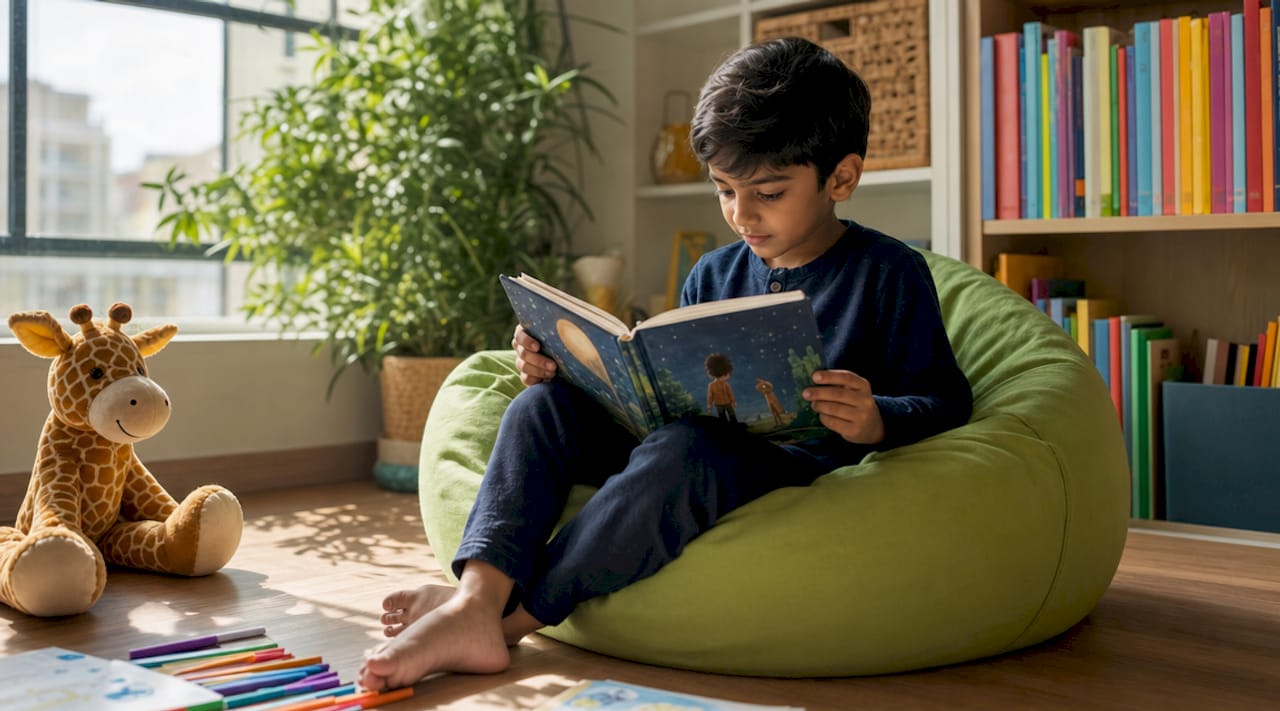
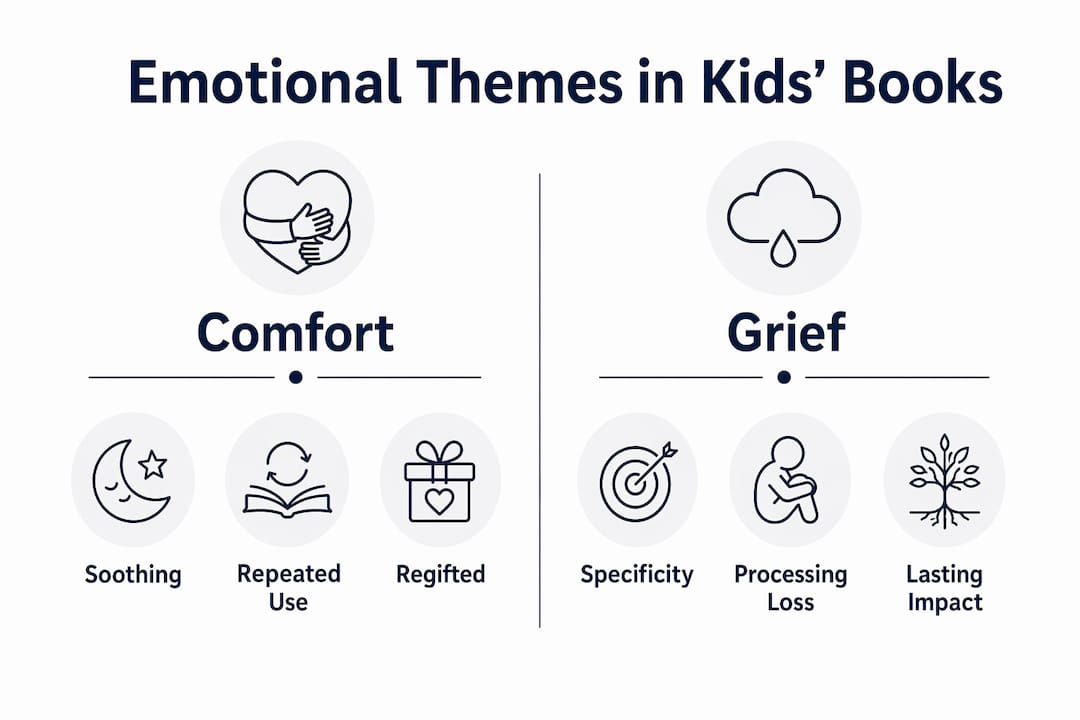
Children experience emotions before they have language for them. A book that mirrors a child's internal world gives that feeling a name, a shape, and a resolution. This is why comfort-themed books carry a 67% gifting rate in key reader segments. They generate what researchers call a reread multiplier effect, where the same household purchases multiple copies because the book gets worn out from repeated use during emotional moments.
Emotional themes also signal something about the giver. Anthropologist Dr. Emily Carter describes gifting a book as an act of intellectual intimacy that toys and digital media simply cannot match. When you hand a child a story about belonging or grief or courage, you are telling them you see them. That message lands differently than a gift card.
- Comfort themes create emotional safety by showing children that hard feelings are survivable and shared.
- Empowerment themes tell children their identity and voice have value, which directly supports self-acceptance.
- Inclusivity themes expand a child's circle of empathy by showing experiences that differ from their own.
- Grief and loss themes give children permission to feel sadness without shame, which is a skill most adults still struggle with.
Pro Tip: When browsing gift book ideas, ask yourself one question before buying: "Does this book describe a feeling my child already has but cannot name?" If yes, it is the right book.
Comfort, grief, empowerment, and inclusivity: how the themes compare
Not every emotional theme serves the same developmental need, and matching the right theme to the right child at the right moment is the real skill in selecting emotional books. The table below maps the four major emotional categories to their core function, developmental benefit, and ideal gifting context.
| Theme | Core function | Developmental benefit | Best gifting context |
|---|---|---|---|
| Comfort | Emotional reassurance | Reduces anxiety; builds resilience | Transitions, new school, family change |
| Grief and loss | Naming unnamed emotions | Supports emotional processing and regulation | Bereavement, illness, major loss |
| Empowerment | Identity affirmation | Builds self-worth and confidence | Birthdays, milestones, identity challenges |
| Inclusivity | Perspective expansion | Grows empathy and social awareness | Any time; especially for diverse classrooms |
Editor Molly McGhee makes the case that specificity in grief is what gives emotionally themed books their lasting power. A book that names a specific loss, the death of a pet, a friendship ending, a parent leaving, helps children discharge emotions they could not otherwise articulate. Generic sadness does not do that work. Precision does.
Empowerment and inclusivity themes operate differently. Where grief books help children process what has already happened, empowerment books shape how children see what is possible. Characters like Socko the Flamingo in the Socko the Flamingo with Tennis Shoes series by A work precisely because they embody self-acceptance through humor and imagination, giving children a model for embracing what makes them different rather than hiding it.
Comfort books occupy a unique space because they are the most frequently regifted category. A family that finds one comfort book that works will often buy it again for a cousin, a classmate, a neighbor's child going through a similar situation. That multiplier effect makes comfort-themed titles some of the highest-value gift books available.
Practical criteria for choosing emotionally themed books as gifts
Choosing the right emotionally themed book requires more than reading the back cover. The following steps give you a repeatable process for selecting books that will genuinely serve the child receiving them.
- Identify the child's current emotional stage. A four-year-old navigating a new sibling needs a different book than an eight-year-old processing a friendship conflict. Developmental stage determines which emotional vocabulary a child can absorb.
- Match the theme to a real situation. The most effective gift books address something the child is actually experiencing. A book about belonging lands harder for a child who just changed schools than for one in a stable social environment.
- Check that emotional themes are the book's core, not its marketing. Emotional themes must be the DNA of a book for true developmental impact. If the emotional content feels like a sticker on top of a generic story, the child will sense it. Look for books where the character's emotional journey is the plot.
- Choose a durable format. Emotional books are repeatedly revisited during emotional moments, so hardcover or board book formats hold up better than paperback for younger children. A book that falls apart after three reads cannot do its job.
- Write a personal note that describes the feeling, not the plot. Framing a gift book as an emotional contract rather than summarizing what happens in it deepens the connection between giver and recipient. Write something like: "I gave you this book because it captures exactly how brave you are when things feel scary."
Pro Tip: Skip the plot summary in your gift note entirely. Write one sentence about how the book made you feel when you read it. That single sentence turns a personalized book gift into a shared emotional experience before the child reads page one.
Why emotionally themed books build inclusivity and emotional literacy
The benefits of gifting emotionally themed books extend well beyond a single reading session. Emotional literacy books support children's empathy, social inclusion, and early emotional regulation by giving them a shared emotional vocabulary with peers, parents, and teachers.
Carnegie Mellon research shows that reading stimulates neural pathways linked with empathy and emotional regulation. This means the act of reading an emotionally resonant story is not passive. It is practice. Children who regularly read books with emotional themes develop a larger internal library of emotional responses to draw from in real situations.
Books that reflect diverse identities and experiences serve a second function: they tell children who are underrepresented that they belong, and they tell children from majority groups that the world is wider than their immediate experience. Both messages are necessary for genuine social inclusion. A child who has never seen a character who looks or feels like them in a book receives a quiet but clear message about whose stories matter. Emotionally themed books with inclusive characters directly counter that message.
These books also open conversations that children often cannot start on their own. A parent reading Socko the Flamingo with Tennis Shoes alongside a child has a natural entry point for discussing what it feels like to be different, to want to belong, or to find humor in the things that make you unique. The book does the opening move. The adult follows.
How educators and parents can use these books in daily life
Emotionally themed books are not just for gift occasions. Educators and parents who treat them as ongoing tools see compounding benefits in children's social and emotional development.
- Align book choices with social-emotional learning (SEL) curricula. Schools using SEL frameworks like CASEL actively incorporate books that address self-awareness, empathy, and relationship skills. Gifting a book that reinforces what a child is already learning in school doubles its impact.
- Use books to address specific stressors. Educators use emotionally themed books in wellness and diversity programs to address student stress and promote inclusivity. A book about anxiety given before a standardized test week is a practical wellness tool, not just a gift.
- Rotate books by season and situation. Keep a small collection of emotionally themed books that you can pull out when a child is facing a specific challenge. This treats the home library as a living resource rather than a static decoration.
- Pair books with conversation prompts. After reading, ask one open question: "Which part of this story felt most true to you?" That single question activates the emotional processing the book started.
- Prioritize books that highlight diverse identities. Children from all backgrounds benefit from seeing characters with different family structures, abilities, cultural backgrounds, and emotional experiences. Diversity in emotional themes is not a niche concern. It is a core component of emotional literacy.
Key takeaways
Emotionally themed children's books are the most effective gift category for building emotional literacy and inclusivity because they function as identity tools, conversation starters, and emotional practice all at once.
| Point | Details |
|---|---|
| Symbolic intent drives gifting | Books chosen for emotional resonance reduce gift mismatch and create lasting meaning for the child. |
| Match theme to the child's moment | Comfort, grief, empowerment, and inclusivity themes each serve distinct developmental needs at specific life stages. |
| Emotional DNA must be authentic | Books where emotional themes are central to the story, not marketing, deliver real developmental impact. |
| Durability matters for emotional books | Hardcover formats hold up to the repeated rereading that emotionally resonant books reliably generate. |
| Personal notes multiply impact | A note describing how the book feels, not what it contains, transforms a gift into an emotional contract. |
Why I think most people underestimate what a book gift actually does
I have spent years watching parents agonize over gift choices, defaulting to toys or gift cards because they feel safer. Books feel risky. What if the child already has it? What if they are not a reader yet? What if the theme is too heavy?
Here is what I have found: children do not need to be readers to benefit from an emotionally themed book. They need an adult who reads it with them. The book is not the gift. The conversation it opens is the gift. A picture book about a flamingo who wears tennis shoes and feels out of place is not really about flamingos. It is about every child who has ever felt like they did not quite fit. That story does not require a reading level. It requires a willing adult and ten minutes.
The other thing I have observed is that givers consistently underestimate how long a good emotional book stays in a child's life. I have seen families reference a single picture book for years, pulling it out during hard moments the way you would pull out a family photo. That kind of staying power does not come from a toy. It comes from a story that named something true.
Treat book gifting as an emotional dialogue. Choose the book that says what you want to say to that child. Then write it in the note.
— Derek
Find the right emotional book for your next gift
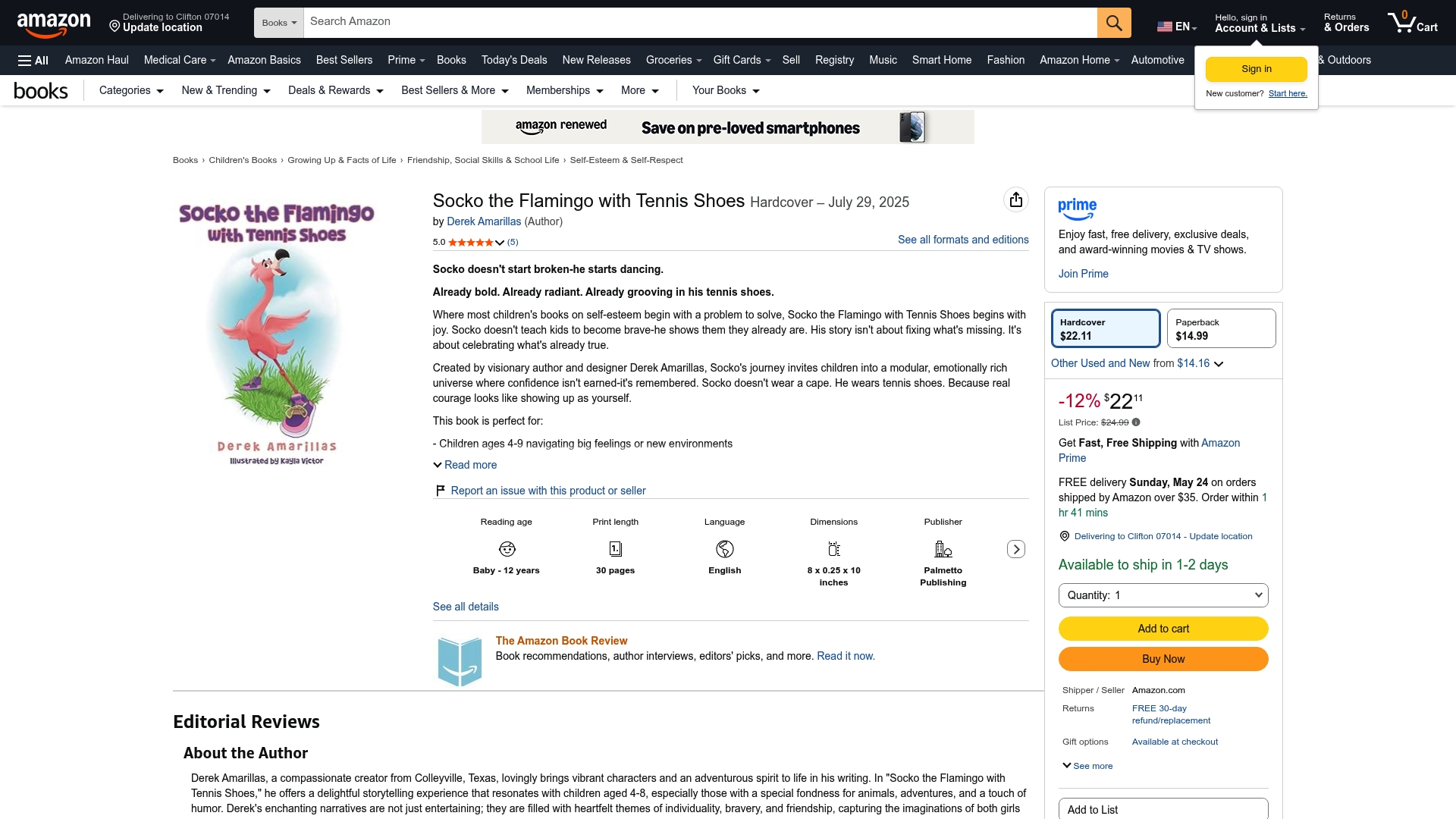
The hardest part of choosing a meaningful children's book is knowing where to start. A has built its entire approach around exactly this challenge. Socko the Flamingo with Tennis Shoes teaches emotional literacy, belonging, and self-acceptance through humor and imagination, giving parents and gift givers a book that opens real conversations about big feelings and identity. Whether you are shopping for a birthday, a milestone, or a child going through something hard, the right emotionally themed book is waiting. Browse a curated selection of children's emotional books and find the one that says exactly what you want to say.
FAQ
What is the role of emotional themes in gift book selection?
Emotional themes are the primary criteria for selecting children's gift books that build empathy, self-awareness, and social inclusion. Books chosen for emotional resonance serve as identity tools and conversation starters that outlast any other gift category.
How do I know if a book's emotional theme is authentic?
Look for books where the character's emotional journey drives the entire plot rather than appearing as a lesson at the end. Emotional themes must be the core of the story, not a marketing layer added to a generic narrative.
Which emotional theme is best for a child going through a hard time?
Grief and loss themes work best for children processing a specific difficult experience because specificity in depicting emotions helps children name and discharge feelings they cannot otherwise articulate. Comfort themes work well for general anxiety or transitions.
Why should I choose a hardcover emotional book over a paperback?
Emotionally resonant books are repeatedly revisited during difficult moments, meaning they receive far more wear than a typical children's book. Hardcover and board book formats hold up to that repeated use and remain readable over years.
How does gifting an emotionally themed book support inclusivity?
Books featuring diverse characters and experiences tell underrepresented children that their stories matter while expanding empathy in children from majority backgrounds. Emotional literacy and inclusivity reinforce each other because both require children to recognize and respect feelings that differ from their own.