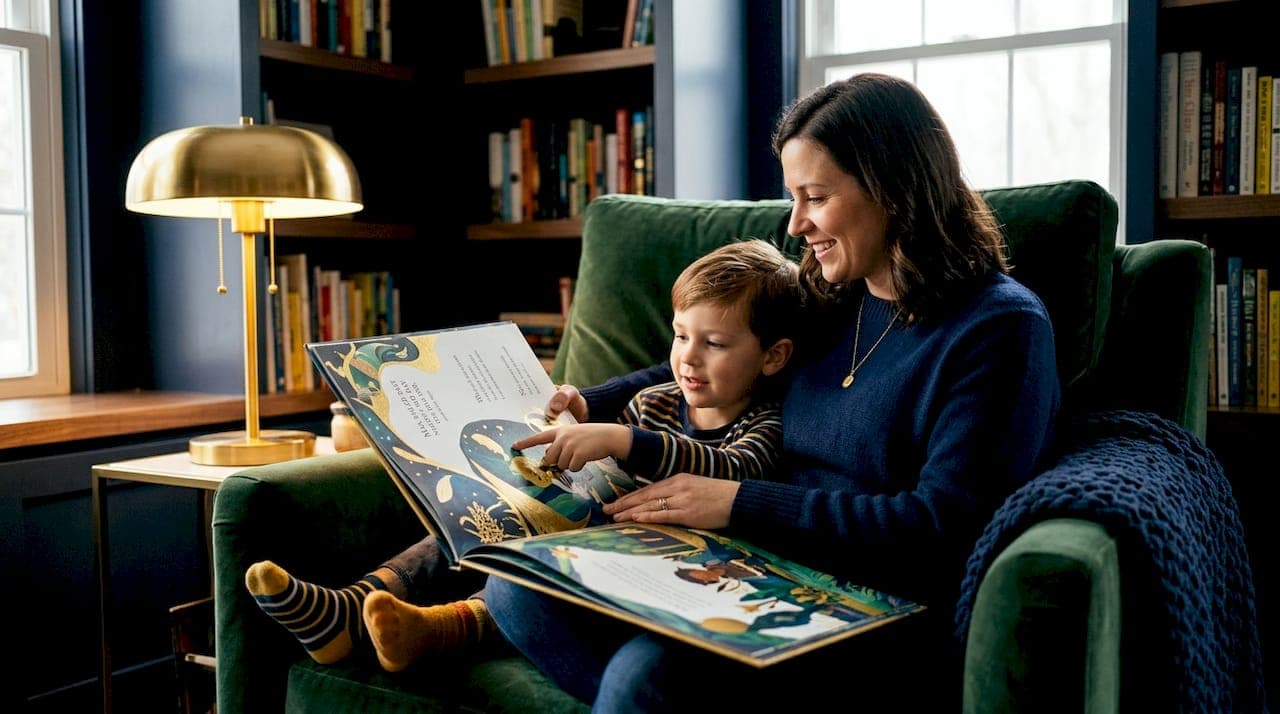
Finding a children's book that genuinely opens up a conversation about feelings or identity is harder than it looks. Most books entertain. Far fewer invite a child to say, "That's exactly how I feel." Gift books that spark conversation do something most gifts can't: they give a child language for experiences they haven't been able to name yet. This guide walks you through what to look for, how to prepare, how to use these books effectively, and which titles are worth your time and money.
Table of Contents
- Key Takeaways
- Gift books that spark conversation: what to look for
- Preparing to give and use conversation-sparking books
- How to use gifted books to start real conversations
- Recognizing what's working and what to adjust
- Recommended books for feelings and identity talks
- My take on what actually changes children through books
- Find the right books without the guesswork
- FAQ
Key Takeaways
| Point | Details |
|---|---|
| Emotional richness matters most | Look for books with complex, relatable feelings that go beyond simple happy or sad. |
| Preparation amplifies impact | Matching a book to a child's developmental stage and interests dramatically improves engagement. |
| Three-stage reading works | Use identification, insight, and application to turn any read-aloud into a meaningful conversation. |
| Watch for engagement cues | Children signal readiness to talk through questions, body language, and spontaneous storytelling. |
| Simple prompts are enough | Open-ended questions like "How do you think the character feels?" require no special training. |
Gift books that spark conversation: what to look for
Not every children's book is built for dialogue. Some are designed to delight, which is wonderful, but if your goal is to open up a conversation about feelings or identity, you need to shop with different criteria in mind.
Emotional richness appropriate for the age
The best conversation starters books for young children portray emotions with honesty and nuance. A character who feels both excited and scared about starting school is far more useful than one who is simply happy at the end. Picture books that tackle big feelings empower young readers by respecting the complexity of their inner lives. Children between ages 3 and 8 are actively building their emotional vocabulary, and books that model a range of feelings give them words they can actually use.
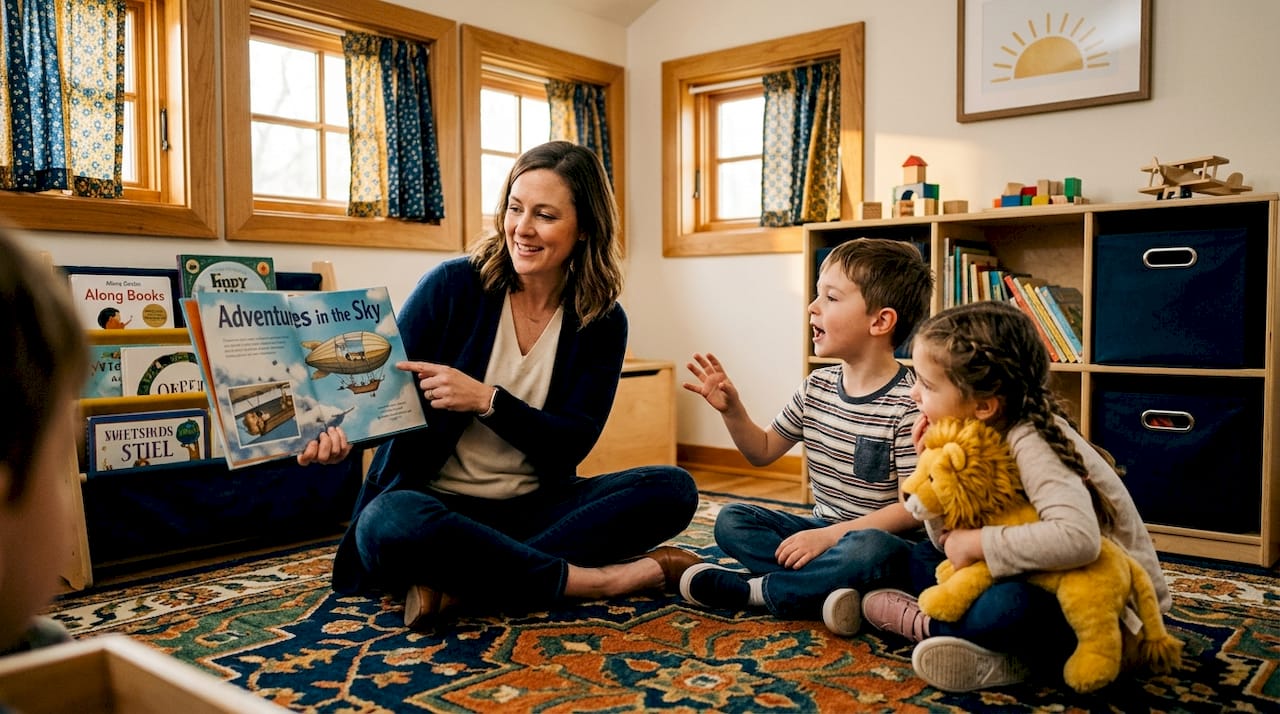
Diverse, relatable characters
Children need to see themselves in the stories they read. Seeing themselves in characters leads to greater verbal and behavioral involvement, which means more conversation, more questions, and stronger identity development. This is especially significant for children of color, who benefit enormously from books that reflect their own ethnic and cultural identities. When selecting unique gift books, look for characters who represent a broad range of backgrounds, family structures, abilities, and experiences.

Open-ended storylines
Books that wrap everything up too neatly leave little room for discussion. Stories that end with unresolved feelings, a character facing a choice, or a situation that mirrors real childhood dilemmas give children something to chew on. These are the discussion inspiring reads that generate the best conversations because they don't hand the child all the answers.
Here are the core features to prioritize when selecting books for thought-provoking gifts:
- Emotional complexity: Characters experience more than one feeling at a time
- Identity themes: Stories explore belonging, difference, family, and self-worth
- Coping models: Characters demonstrate healthy ways to handle big emotions
- Accessible vocabulary: Language that stretches without overwhelming a 3 to 8 year old
- Visual storytelling: Illustrations that carry emotional information the text doesn't spell out
Pro Tip: Flip to the middle of a book before buying. If the illustrations show a character in genuine emotional conflict, that book has conversation potential. If every page shows a smiling face, keep looking.
Preparing to give and use conversation-sparking books
Choosing the right book is only half the work. How you prepare before the reading session shapes whether a meaningful conversation actually happens.
-
Assess the child's developmental stage. A 3-year-old needs concrete, simple emotional language. A 7-year-old can handle more abstract concepts like fairness or belonging. Match the book's themes to where the child actually is, not where you hope they are.
-
Research before you buy. Check reviews from educators and librarians, not just parents. Look for mentions of emotional depth, classroom use, and whether the book generates questions. Identity-affirming books improve learning outcomes and attachment to community, so prioritize books that treat a child's identity as an asset.
-
Create a low-distraction reading space. Screens off, phones away. A cozy corner with good light signals that this reading time is different. It tells the child that what happens in this space matters.
-
Set your own intention. Decide before you open the book that you are there to listen, not to teach. Children shut down when they sense they are being managed. They open up when they feel genuinely heard.
-
Prepare two or three open-ended questions in advance. Write them on a sticky note inside the cover if it helps. Questions like "What would you do if you were that character?" or "Has anything like this ever happened to you?" require no special training and consistently generate real conversation.
How to use gifted books to start real conversations
Reading aloud is not enough on its own. Simply reading about feelings is insufficient without guided reflection and application. The good news is that the process is straightforward once you know the framework.
-
Pause during the story, not just at the end. Stop at a moment of emotional tension and ask a simple question. "What do you think is going to happen?" or "How does that character's face look?" keeps children engaged and primes them for deeper reflection.
-
Use the three-stage approach. Bibliotherapy involves three stages: identification with the character, insight through reflection, and application of what was learned to real life. Work through all three. First ask, "Do you ever feel like this character?" Then, "What did the character learn?" Then, "What could you try next time you feel that way?"
-
Label emotions out loud. When a character is clearly frustrated or left out, name it. "It looks like she feels really left out right now. Have you ever felt left out?" Emotion labeling builds vocabulary and validates the child's own experiences at the same time.
-
Invite personal connection. The best books for dialogue create a bridge between the story and the child's real life. Ask directly: "Has anything like this happened to you?" Children who feel safe making that connection are far more likely to share honestly.
-
Handle difficult emotions without rushing to fix them. If a child gets tearful or angry during a reading, resist the urge to move on quickly. That reaction is the conversation. Sit with it. "It sounds like this part really got to you. Do you want to talk about why?"
Pro Tip: Simple, open-ended prompts like "How do you think the character feels?" work regardless of the book's complexity. You do not need to be a therapist to use them well.
Reading fiction builds empathy and psychological resilience by allowing children to safely experience others' feelings. That is not a side effect of good books. It is the point.
Recognizing what's working and what to adjust
You don't need a formal assessment to know whether your reading conversations are landing. Children give clear signals.
Signs the conversation is working:
- The child asks questions unprompted during or after reading
- They relate the story to something from their own life without being asked
- They want to read the book again
- They bring up the character or story days later in unrelated contexts
- They use new emotional vocabulary in everyday situations
Signs you need to adjust your approach:
- The child goes quiet and gives one-word answers
- They seem restless or try to change the subject
- The questions feel like an interrogation to them
| Situation | What to try instead |
|---|---|
| Child gives one-word answers | Switch to "I wonder" statements instead of direct questions |
| Child seems uninterested in the book | Try a different book that better matches their current interests |
| Emotions escalate unexpectedly | Pause reading, validate the feeling, return to the book later |
| Child seems disengaged from the character | Ask about the illustrations rather than the plot |
Bibliotherapy can reduce anxiety and grief in children by building emotional competence. But it works best when the adult stays flexible and responsive. If one approach isn't working, change it. The goal is connection, not completion of a reading plan.
Follow up after the reading session. Mention the character casually during the week. "Remember how Socko felt nervous but tried anyway? I thought about that today." Reinforcing the story outside of reading time deepens the impact significantly. Structured bibliotherapy sessions show measurable improvements in school adjustment after just four sessions, which means consistency matters more than perfection.
Recommended books for feelings and identity talks
These thoughtful gift books consistently generate real conversations with children ages 3 to 8. Each one brings something different to the table.
| Title | Age Range | Thematic Focus | Conversation Prompt |
|---|---|---|---|
| The Color of Us by Karen Katz | 4-8 | Skin tone, identity, self-acceptance | "What colors do you see in our family?" |
| In My Heart by Jo Witek | 3-6 | Naming emotions, emotional range | "Which heart feeling do you have right now?" |
| Enemy Pie by Derek Munson | 5-8 | Friendship, assumptions, belonging | "Have you ever changed your mind about someone?" |
| The Invisible String by Patrice Karst | 4-8 | Connection, loss, love | "Who are you connected to even when they're far away?" |
| Socko the Flamingo with Tennis Shoes | 3-7 | Belonging, self-acceptance, being different | "What makes you different in a way you love?" |
Beyond this list, look for books that:
- Feature characters navigating social situations without adult rescue
- Use humor to approach difficult feelings (children respond to levity even around hard topics)
- Include illustrations that show emotional nuance in faces and body language
- Represent families and communities that look different from the mainstream
Children seeing themselves in diverse characters shows stronger identity development and engagement. That finding should guide every purchase you make in this category.
My take on what actually changes children through books
I've watched parents hand a child a beautiful, award-winning book and get nothing back. I've also watched a simple story about a flamingo who wears tennis shoes crack a child wide open in the best possible way. The difference was never the book. It was whether the adult stayed in the conversation long enough to let something real happen.
What I've learned is that most adults underestimate how much children want to talk about hard things. They are waiting for permission. The right book gives them that permission. But the adult has to stay present, ask the second question, and resist the urge to wrap everything up with a lesson.
The books that have moved me most in this work are the ones that don't explain the feeling. They just show it, honestly and without apology. A flamingo who doesn't fit in but shows up anyway. A child who feels invisible until someone really looks. Those stories work because they don't pretend the hard part isn't hard. They just show a way through it.
If you are a teacher, a librarian, or a parent trying to find the right words for a child who is struggling, start with the book. Let the character say what you can't. Then ask one question and wait. That pause is where the real conversation begins.
— Derek
Find the right books without the guesswork
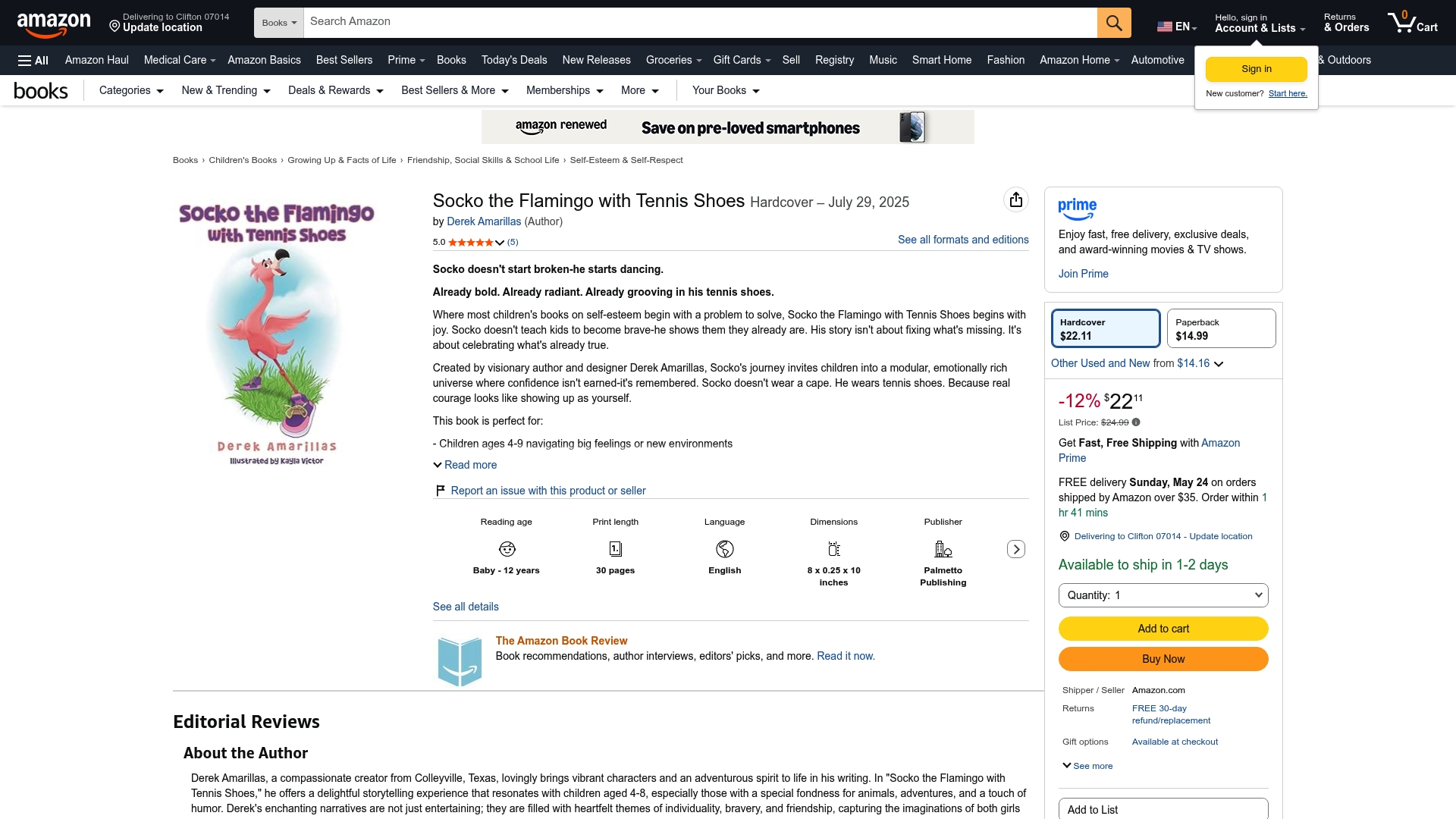
Knowing what to look for is one thing. Finding books that actually deliver on emotional depth and conversation potential is another. The curated selection at A brings together children's books specifically chosen to help parents, educators, and gift givers open up meaningful talks about feelings and identity with kids ages 3 to 8. Every title in the collection has been selected with the same criteria covered in this guide: emotional richness, diverse characters, and real conversation potential. Whether you are shopping for a birthday, a classroom library, or a child going through a big transition, you will find books that encourage conversations that actually matter. Browse the full selection and find a book that fits the child you have in mind.
FAQ
What makes a children's book a good conversation starter?
The best conversation starters books feature emotionally complex characters, open-ended situations, and themes children can connect to their own lives. Books that don't resolve every problem neatly tend to generate the most discussion.
What age group benefits most from bibliotherapy-style reading?
Children ages 3 to 8 are in a critical window for emotional vocabulary development. Structured bibliotherapy shows measurable improvements in school adjustment and self-management skills even after just four sessions with preschool-aged children.
Do I need special training to use gift books that spark conversation?
No. Open-ended prompts like "How do you think the character feels?" are effective without any specialized training. Consistency and genuine curiosity matter far more than technique.
How do I know if a book is right for a specific child?
Match the book's themes to what the child is currently experiencing or curious about. Check that the vocabulary fits their age and that the characters reflect their identity or expand their understanding of others.
How often should I read conversation-sparking books with a child?
Regular, consistent sessions work better than occasional marathon reads. Even two or three short reading conversations per week build emotional vocabulary and trust over time.