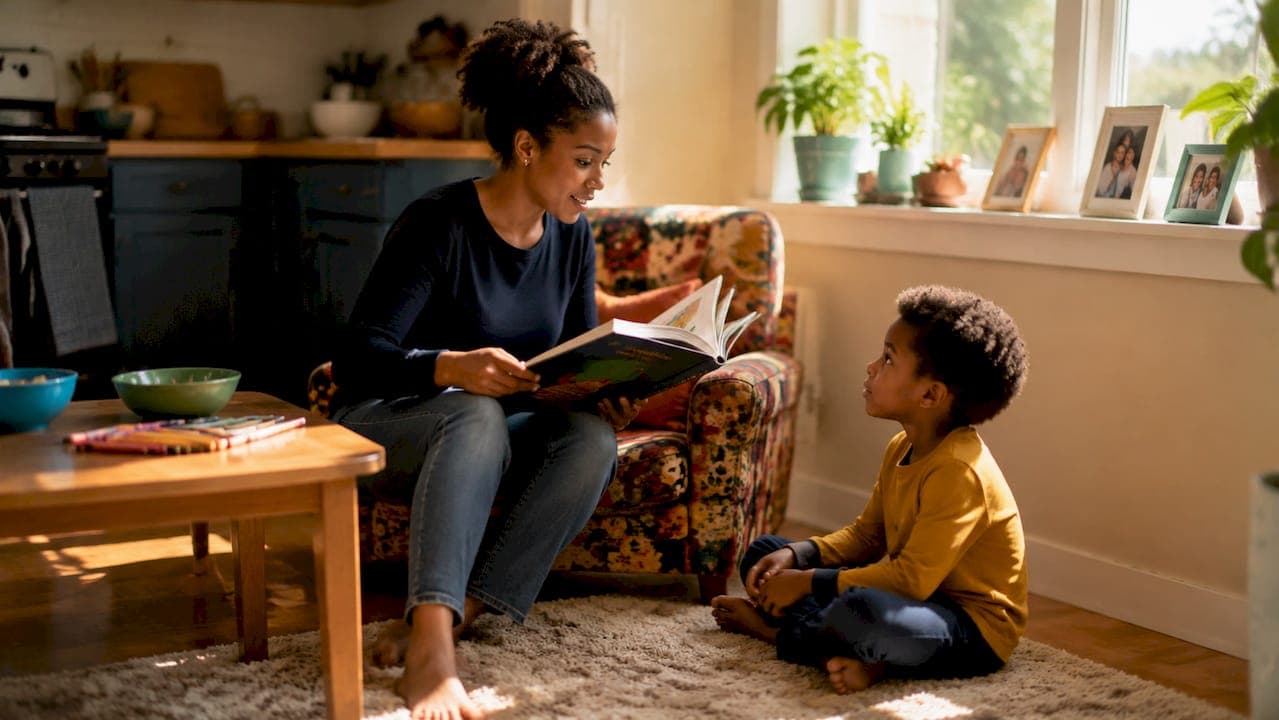
Gifting values through books is the deliberate practice of using children's literature to transmit essential life principles, emotional skills, and moral frameworks to a child. This goes far beyond handing over a wrapped copy of a favorite story. When you choose a book because it models kindness, resilience, or self-acceptance, you are making an intentional educational decision. Research confirms that book availability at home significantly boosts adult literacy, numeracy, and technology skills. Characters like Socko the Flamingo, created by A, show children that big feelings and identity questions are worth exploring, making picture books a powerful vehicle for emotional literacy and personal growth.
What does gifting values through books mean for emotional literacy?
Teaching values through literature works because stories create a safe emotional space. A child reading about a character who feels left out, scared, or different can process those same feelings without the pressure of real-world stakes. Researchers call this the "mirror and window" function of books. A story acts as a mirror when it reflects the child's own experience back to them. It acts as a window when it opens a view into someone else's world, building empathy in the process.
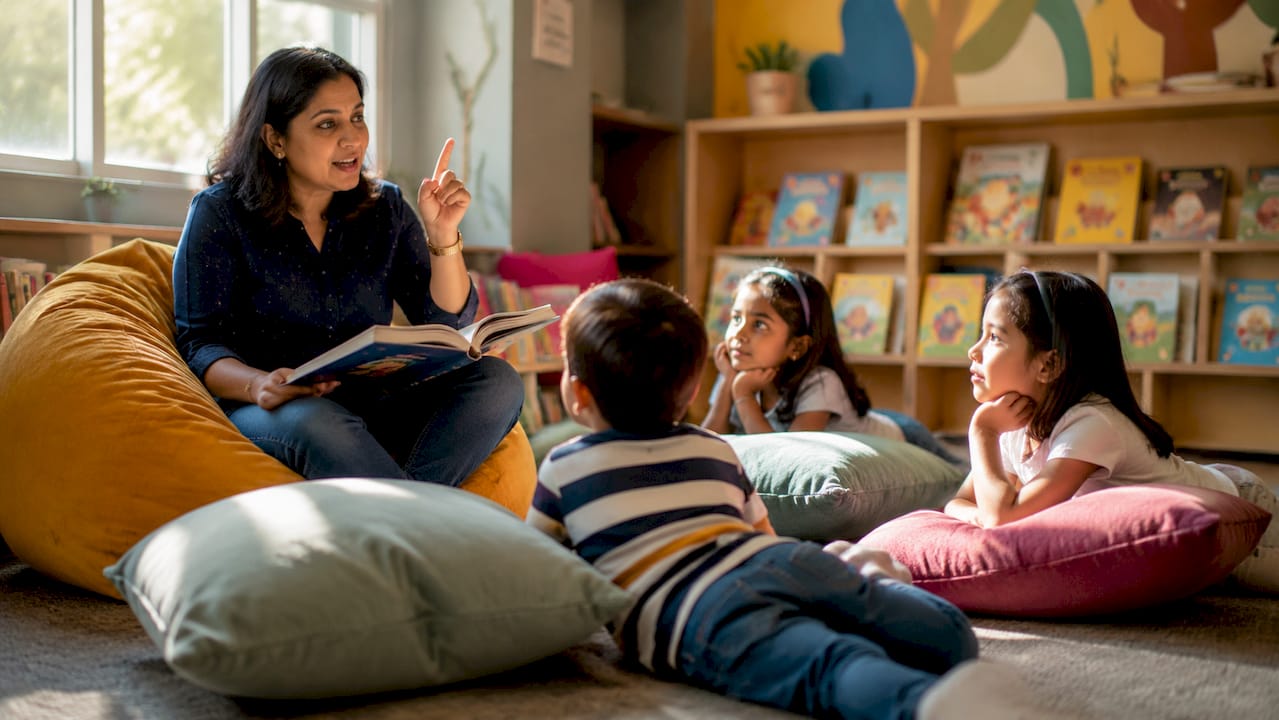
Narrative comprehension also has a neurological dimension. Neuroimaging at Cincinnati Children's Hospital shows that reading activates brain regions tied directly to comprehension and meaning-making. That means the values embedded in a story are not just heard. They are processed at a deeper cognitive level than a simple verbal instruction would achieve.
Common values children's literature teaches include:
- Kindness and empathy through characters who help others despite personal cost
- Resilience through protagonists who fail, recover, and try again
- Belonging and self-acceptance through stories that celebrate difference rather than erase it
- Honesty through plots where deception creates consequences
- Courage through characters who speak up when it is hard
Shared reading amplifies all of these outcomes. When a parent or teacher reads aloud and pauses to ask "How do you think that character felt?", the conversation itself becomes the lesson. The book is the starting point, not the ending point.
Pro Tip: When reading aloud, stop at a moment of moral tension in the story and ask your child what they would do. That single question turns a passive listening experience into active values practice.
What does the research say about books and child development?
The science behind the importance of gifting books is more compelling than most people realize. A 27-country analysis found that children with 20 or more books at home show measurably stronger adult literacy and numeracy skills. Children growing up with approximately 500 books stay in school more than 3 years longer on average than children with almost none. That is not a marginal difference. It represents a fundamentally different life trajectory.
Vocabulary development is equally striking. Children read to regularly enter school with vocabularies up to 3 times larger than those who are not. A larger vocabulary does not just help with reading tests. It gives children the words to name their emotions, articulate their needs, and understand the feelings of others.
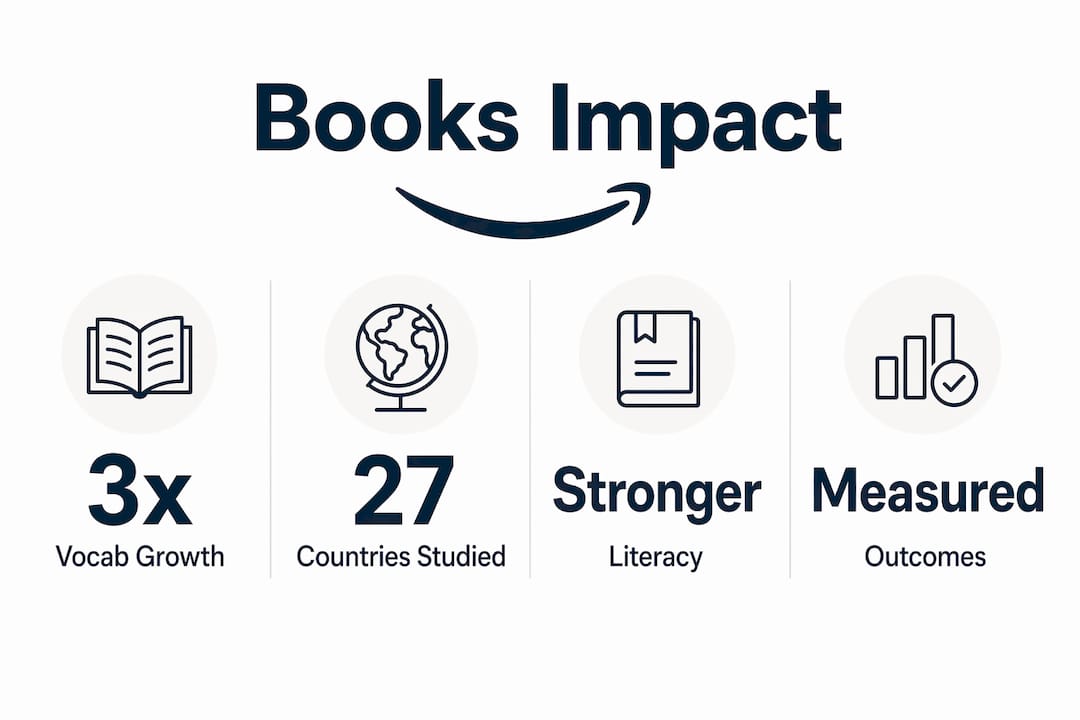
The benefits extend across an entire lifetime. A Yale University study followed 3,600 adults and found that reading 30 minutes daily is associated with living nearly 2 years longer than non-readers. A habit planted in childhood through gifted books can compound into decades of cognitive and physical health.
| Research Finding | Impact |
|---|---|
| 20+ books at home | Stronger adult literacy and numeracy across 27 countries |
| 500 books at home | Children stay in school 3+ years longer on average |
| Regular read-alouds | Children enter school with vocabularies up to 3x larger |
| 30 minutes of daily reading | Associated with living nearly 2 years longer (Yale, 3,600 adults) |
| Neuroimaging evidence | Reading activates brain regions tied to comprehension and meaning |
"Books humanize and complicate narratives, helping readers understand complex social issues through respectful storytelling." — Dr. Julianne Malveaux, IBW21 Commentary
The data makes a clear case. Books as gifts for values are not sentimental gestures. They are investments in measurable cognitive, emotional, and social outcomes.
How does relationship context shape the meaning of A book gift?
The same book can land very differently depending on who gives it, how it is presented, and what the relationship between giver and recipient looks like. Personal inscriptions and framing transform a book from a transactional item into a relational gesture. A handwritten note inside the cover that says "I thought of you when I read this because..." signals attention, care, and respect. That context changes how the child or parent receives the book entirely.
Emotional intelligence is required to select a book that genuinely fits the recipient. The best book gifts reflect close observation. You are choosing something that meets the child where they are, not where you wish they were. Gifting books is an act of care and investment in the recipient's potential, extending far beyond the moment of giving.
There are real pitfalls here. Unsolicited or corrective books can be perceived as criticism. A book about managing anger, given without context, may feel like an accusation rather than a gift. Aligning your choice with the recipient's expressed interests and current emotional stage prevents that misreading.
Dr. Julianne Malveaux frames the cultural dimension clearly. Gifting a book is an act of faith showing belief in the recipient's intelligence and patience in a culture that prizes speed and disposability. Choosing to give a book says: I believe you are worth the time this takes.
Pro Tip: Write a two-sentence note inside every book you give. Explain why you chose it and what you hope the reader takes from it. That note often becomes the most remembered part of the gift.
How do you choose and give books that effectively teach values?
Practical execution matters as much as good intentions. The benefits of gifting books only materialize when the choice is thoughtful and the presentation is personal. Follow these steps to get it right:
- Listen before you shop. Pay attention to what the child talks about, worries about, or finds funny. A book that connects to their current world will be read. A book that misses the mark will sit on a shelf.
- Match the book to the child's emotional stage. A five-year-old processing a new sibling needs a different story than a nine-year-old navigating friendship conflict. A to Z resources like children's literacy guides can help you identify age-appropriate titles that target specific values.
- Write a personal note. Explain your choice in two or three sentences. Share what the book means to you and why you thought of this child when you read it.
- Avoid corrective gifting. Do not give a book about sharing to a child you privately think is selfish. The message will be received, and it will sting. Choose books that celebrate who the child is becoming, not books that diagnose what they lack.
- Consider a bookshop gift voucher. Gift vouchers for bookshops respect the recipient's reading autonomy. They communicate trust: "I know you'll find exactly the right book for where you are right now."
- Create a conversation after the gift. Ask about the book a week later. Discuss a character's choice. That follow-up signals that the gift was meaningful, not just obligatory.
Encouraging curiosity through books builds continuous learning habits that extend well beyond any single title. The goal is not one perfect book. It is a relationship with reading itself.
Pro Tip: If you are unsure between two titles, choose the one with more emotional complexity. Simple morality tales are forgotten quickly. Stories where characters face genuine dilemmas stick with children for years.
Key takeaways
Gifting values through books is a deliberate, research-backed practice that shapes emotional literacy, vocabulary, and lifelong learning habits in children.
| Point | Details |
|---|---|
| Definition of value gifting | Choosing books intentionally to transmit emotional skills and moral frameworks, not just stories. |
| Research-backed outcomes | Children with books at home show stronger literacy, longer schooling, and larger vocabularies. |
| Relational context matters | Personal inscriptions and thoughtful framing transform books into meaningful relational gestures. |
| Avoid corrective gifting | Books chosen to fix perceived flaws are received as criticism, not care. |
| Conversation extends the gift | Following up about a gifted book signals genuine investment in the child's growth. |
Why i think most people underestimate what A book gift actually does
I have given and received a lot of books over the years. The ones I remember are not the most expensive or the most celebrated. They are the ones where someone clearly thought about me before they walked into the store.
There is a version of book gifting that is lazy. You grab something from a bestseller list, maybe add a bow, and call it done. That is not what we are talking about here. The practice worth adopting is the one where you spend ten minutes thinking about where this child is right now, what they are struggling with, what makes them laugh, and what they are just beginning to understand about the world.
I have watched a single picture book open a thirty-minute conversation between a parent and a six-year-old about why it is okay to feel sad. That conversation would not have happened without the book as a starting point. The book gave both of them permission to go there. That is not a small thing.
The research on vocabulary, brain development, and longevity is real and worth citing. But the part that gets me is simpler. A book gift says: I paid attention to you. In a world where attention is the scarcest resource most children have access to, that message lands hard.
My honest recommendation is to make this a practice, not an occasion. Do not wait for birthdays. A Tuesday afternoon book, chosen because it reminded you of something your child said last week, carries more weight than a holiday gift chosen from a list.
— Derek
Find books that gift values to the children in your life
A creates picture books like Socko the Flamingo with Tennis Shoes specifically to spark conversations about belonging, big feelings, and self-acceptance. These are not passive reads. They are designed to give parents, teachers, and librarians a starting point for the conversations that matter most.
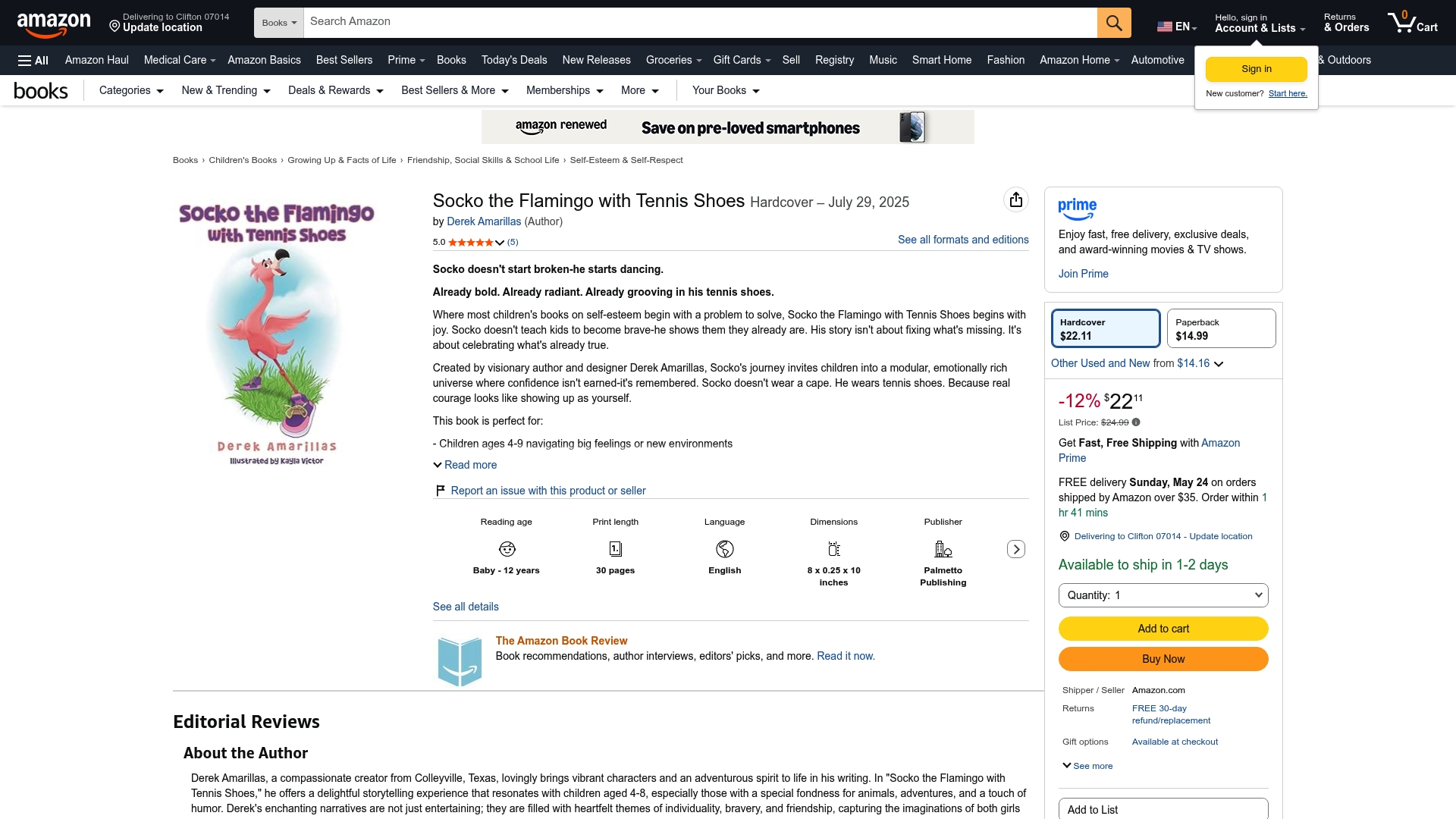
If you are ready to give a book that does more than entertain, start with A's collection. Every title is built around the emotional literacy outcomes this article covers. You can explore the full collection and find the right book for the child in your life today.
FAQ
What does gifting values through books mean?
Gifting values through books means deliberately selecting children's literature to transmit specific emotional skills, moral principles, and life lessons to a child. The practice treats the book as a tool for character development, not just entertainment.
Why is gifting books important for child development?
Children with books at home show stronger literacy, numeracy, and technology skills as adults, according to a 27-country analysis. Regular read-alouds also give children vocabularies up to 3 times larger than peers who are not read to.
How do i choose A book that teaches values without seeming preachy?
Choose books with emotionally complex characters who face real dilemmas rather than simple morality tales with obvious lessons. Stories that reflect the child's current emotional experience are received as gifts, not lectures.
Can gifting A book backfire?
Yes. Unsolicited books chosen to correct a perceived flaw are often read as criticism. Aligning your choice with the child's expressed interests and current emotional stage prevents that misreading.
Is A bookshop gift voucher A good alternative to choosing A specific book?
A bookshop gift voucher respects the recipient's reading autonomy and communicates trust in their own judgment. It is a strong option when you are unsure of the child's current interests or reading level.