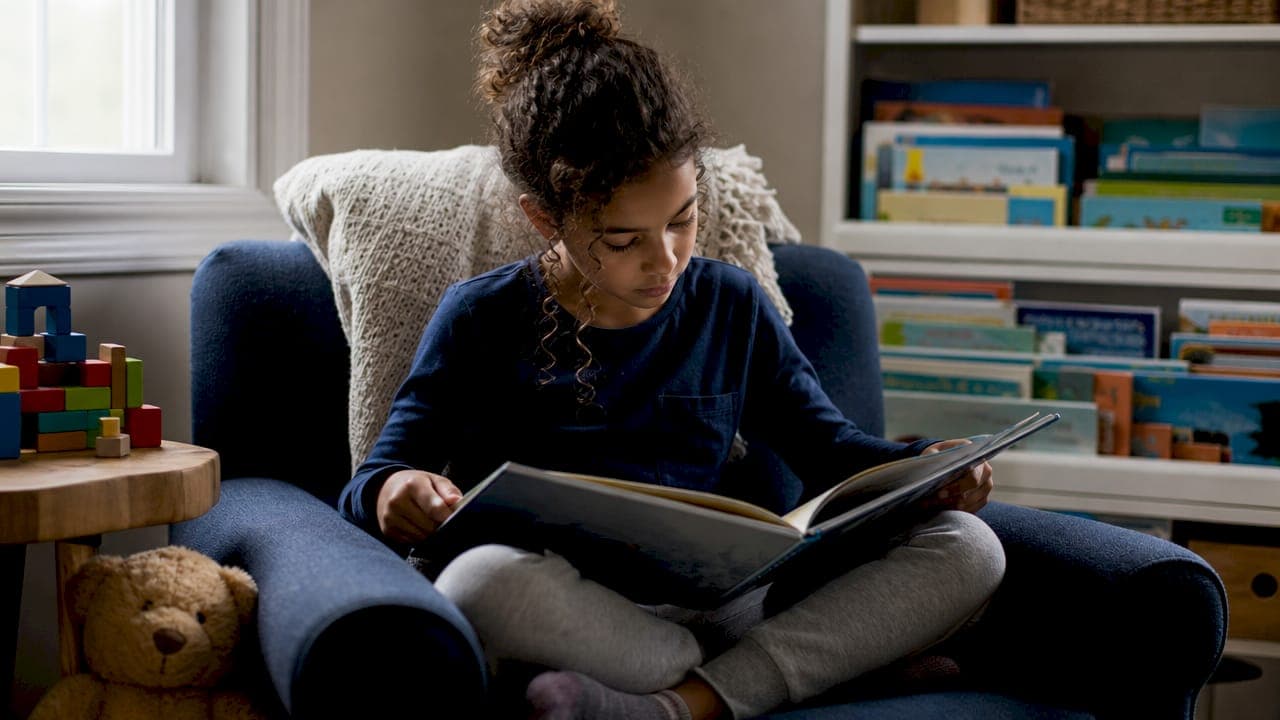
Curated booklists designed for childhood mental wellness give children a structured path to understand emotions, build empathy, and develop coping skills before a crisis ever arrives. Emotional literacy, the ability to name and manage feelings, is a foundational skill that shapes how children handle stress, conflict, and belonging throughout their lives. Research confirms that reading builds empathy and cognitive flexibility in measurable ways, even within a single week. A, the brand behind Socko the Flamingo with Tennis Shoes, exists precisely because children need stories that make big feelings feel safe and normal. The right book at the right moment can open a conversation that no worksheet or lecture ever could.
How booklists support childhood mental wellness through reading
Curated booklists for mental wellness are not random reading lists. They are intentional collections of children's literature selected to address specific emotional themes, developmental stages, and social challenges. The difference between a general reading list and a mental wellness booklist is purpose. Every title on a wellness booklist earns its place by teaching a child something about feelings, identity, or resilience.
The benefits of reading for kids extend well beyond vocabulary. Reading trains attention, reasoning, and planning neural pathways during critical developmental windows. That means a child who reads regularly is not just learning words. They are building the mental architecture needed to regulate emotions and think through problems.
Research from a structured reading program found that 14 reading sessions over one week produced measurable gains in perspective-taking and creativity. Two weeks of consistent reading produced results that many parents assume take months of formal instruction to achieve.
"Reading to young children improves cognitive and overall empathy, with gains in perspective-taking and creativity appearing after just 14 bedtime sessions. The act of sharing a story is itself the intervention."
The core benefits children gain from reading wellness-focused books include:
- Empathy development: Stories place children inside another character's experience, building the habit of considering other people's feelings.
- Emotional vocabulary: Named characters with named feelings give children the words to describe their own inner states.
- Resilience modeling: Characters who face setbacks and recover show children that difficulty is survivable.
- Attention and reasoning: Regular reading enhances cognitive development beyond enjoyment, strengthening the same neural circuits used for planning and self-control.
How do books act as emotional mirrors and windows for children?
Books serve two distinct functions in a child's emotional development. They act as mirrors when a child sees their own experience reflected in a character's story. They act as windows when a child glimpses a life or feeling they have never personally encountered. Both functions are necessary for full emotional growth.
Books normalize feelings and broaden perspectives in ways that direct conversation often cannot. A child who struggles to talk about loneliness may find it easier to say, "That's how I feel, like that character." The story creates distance that makes the emotion approachable.
Bibliotherapy is the formal term for using literature as a therapeutic tool. Bibliotherapy uses children's literature to help kids face fears and manage emotions in a safe, relatable context. It is a supplement to professional care, not a replacement for it. For children navigating anxiety, grief, or social exclusion, a well-chosen book can open the door to a conversation that a caregiver or counselor can then walk through.
Pro Tip: When a child connects strongly with a character, ask "What do you think that character was feeling?" before asking "Have you ever felt that way?" The indirect question is less threatening and often produces more honest answers.
Selecting books that function as both mirrors and windows means choosing titles that:
- Reflect diverse family structures, body types, and cultural backgrounds.
- Show characters experiencing emotions like jealousy, fear, and grief without shame.
- Resolve conflict through communication and self-awareness, not just luck or magic.
- Include characters who look, speak, or live differently from the child reading the book.
A's character, Socko the Flamingo with Tennis Shoes, is built on exactly this principle. Socko is different, and that difference becomes a source of humor, belonging, and pride rather than shame. That is the mirror and window function working simultaneously.
What criteria should parents and educators use to build effective booklists?
Building a mental wellness booklist requires more than good intentions. The selection process should match each book to the child's developmental stage, emotional needs, and attention capacity.
- Match length to attention span. For toddlers, stories should run 4–5 minutes and focus on simple emotions, animals, or familiar play. Longer books with complex subplots belong on lists for children ages 6 and up.
- Cover a range of emotional themes. A strong booklist addresses joy, fear, anger, sadness, and belonging. No single emotion should dominate the list.
- Prioritize diverse representation. Children from underrepresented backgrounds need mirrors. All children need windows. A list that lacks diversity fails both functions.
- Include repetition-friendly titles. Young children benefit from rereading the same book multiple times. Repetition deepens comprehension and emotional processing.
- Layer complexity as children grow. A toddler needs simple cause-and-effect stories. A 9-year-old can handle narratives with moral ambiguity and unresolved feelings.
Pro Tip: Build your booklist in thematic clusters rather than one long alphabetical list. A cluster on "handling big feelings" and another on "making friends" gives you a ready resource when a child faces a specific challenge.
The table below outlines book selection criteria by developmental stage:
| Age range | Story length | Core themes | Format |
|---|---|---|---|
| 0–2 years | 1–2 minutes | Comfort, faces, simple sounds | Board books with bold images |
| 3–5 years | 4–5 minutes | Emotions, sharing, belonging | Picture books with repetition |
| 6–8 years | 10–15 minutes | Friendship, fairness, courage | Early chapter books or illustrated stories |
| 9–12 years | Full chapter | Identity, grief, resilience | Middle-grade novels with complex characters |
Age-appropriate communication strategies for educators and caregivers reinforce these same developmental principles. Matching your language and your book choices to where a child actually is, not where you hope they are, produces the best results.
How can caregivers maximize the mental wellness impact of reading?
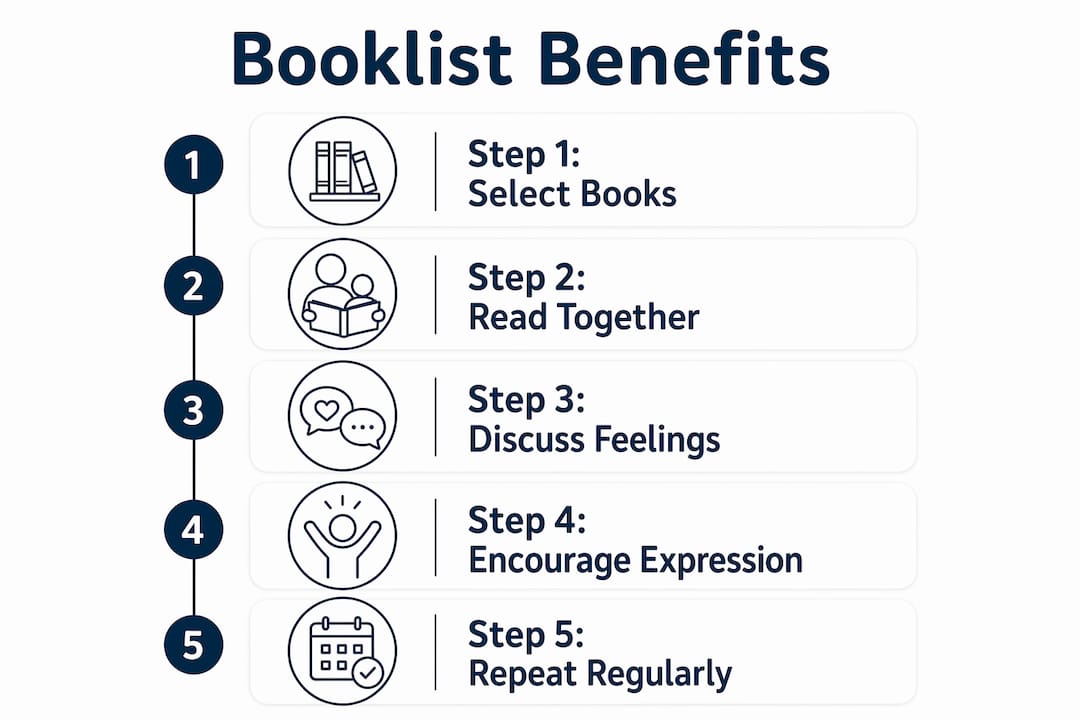
Reading together is the delivery mechanism. The conversation around the book is where the emotional learning actually lands. Caregivers who treat reading as a shared experience rather than a solo activity multiply its impact significantly.
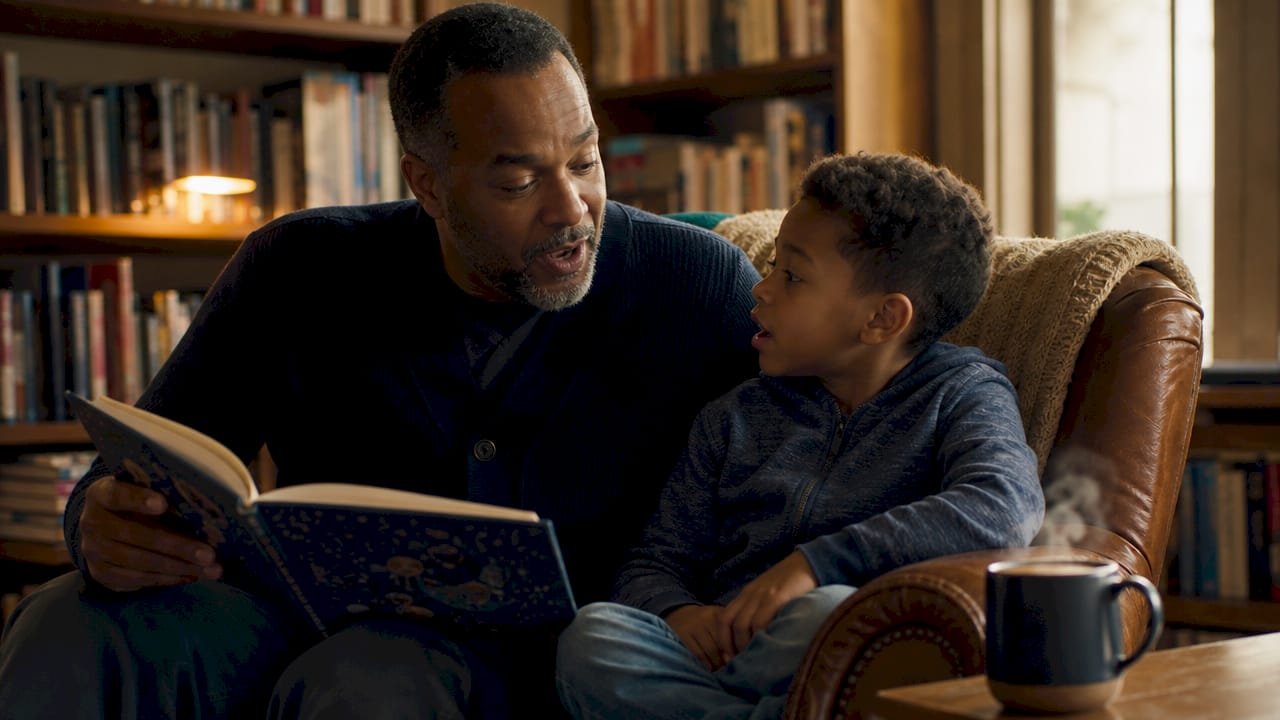
Linking story themes to real-world situations over time reinforces emotional learning more effectively than a single reading session. A child who reads about a character managing anger on Monday and then faces a frustrating situation on Wednesday is ready to draw on that story if a caregiver makes the connection explicit.
Practical strategies for maximizing the benefits of children's literature and mental wellness include:
- Read consistently, not perfectly. Simply reading together produces significant empathy gains regardless of whether you pause for questions. Consistency matters more than technique.
- Return to the same books. Rereading a story after a child has experienced a related emotion deepens their understanding in ways a first reading cannot.
- Use books as conversation starters, not conversation replacements. The book opens the door. The caregiver walks through it.
- Acknowledge when a child struggles. Initial reading struggles do not indicate inability. Consistent exposure improves both comprehension and motivation over time.
- Know the limits of bibliotherapy. Books support mental wellness. They do not treat trauma, clinical anxiety, or depression. A child who needs professional support should receive it alongside, not instead of, curated reading.
Pro Tip: Keep a short "feelings journal" next to your reading spot. After a book, invite the child to draw or write one feeling the story brought up. This bridges the story to their real emotional experience.
Physical activity alongside reading also supports children's mental wellness. Movement and story work together to regulate mood and build emotional resilience in children.
Up to 50% of children in the U.S. start kindergarten without the foundational language skills needed for literacy. That gap makes early, consistent reading routines not just beneficial but urgent for social-emotional development.
Key Takeaways
Curated booklists support childhood mental wellness by building emotional vocabulary, empathy, and resilience through consistent, purposeful reading that connects story themes to real life.
| Point | Details |
|---|---|
| Start early and stay consistent | Even 14 reading sessions produce measurable gains in empathy and perspective-taking. |
| Match books to developmental stage | Toddlers need 4–5 minute stories; older children benefit from complex narratives with moral depth. |
| Use books as mirrors and windows | Select titles that reflect the child's experience and expose them to others' feelings and cultures. |
| Connect stories to real situations | Returning to book themes after real events reinforces emotional learning more than one-time reading. |
| Know bibliotherapy's limits | Books supplement professional mental health care. They do not replace clinical support for serious conditions. |
Why I think most parents underestimate what a good book list can do
Most parents I talk with think of reading as an academic activity. They measure success by reading level, not by emotional growth. That framing misses the most powerful thing a book can do for a child.
The research is clear: you do not need a special method or a pedagogical script. You need a good book and a willing adult. The misconception that you must ask the right questions or guide the discussion perfectly actually stops some caregivers from reading at all. Perfectionism is the enemy of consistency, and consistency is what produces results.
Accessibility matters enormously here. A wellness booklist that only includes books about white, middle-class children in nuclear families is not a wellness resource for most of the children who need it most. Inclusivity is not a political position in this context. It is a clinical one. A child who never sees themselves in a book does not get the mirror function. They only ever get the window, and that is not enough.
The long-term payoff of building a reading habit focused on emotional literacy is hard to overstate. Children who can name their feelings, recognize emotions in others, and draw on story-based coping models enter adolescence with tools that protect their mental health. That is not a small thing. It is one of the most durable gifts a parent or educator can give.
Be patient with the process. Some children resist reading at first. That resistance is not permanent. Consistent, low-pressure exposure to the right books changes the relationship over time.
— Derek
Books that make these conversations easier to start
Finding the right books for a child's emotional stage should not require hours of research. A's Socko the Flamingo with Tennis Shoes is designed exactly for the moments when a child needs to see that being different is something to celebrate, not hide.
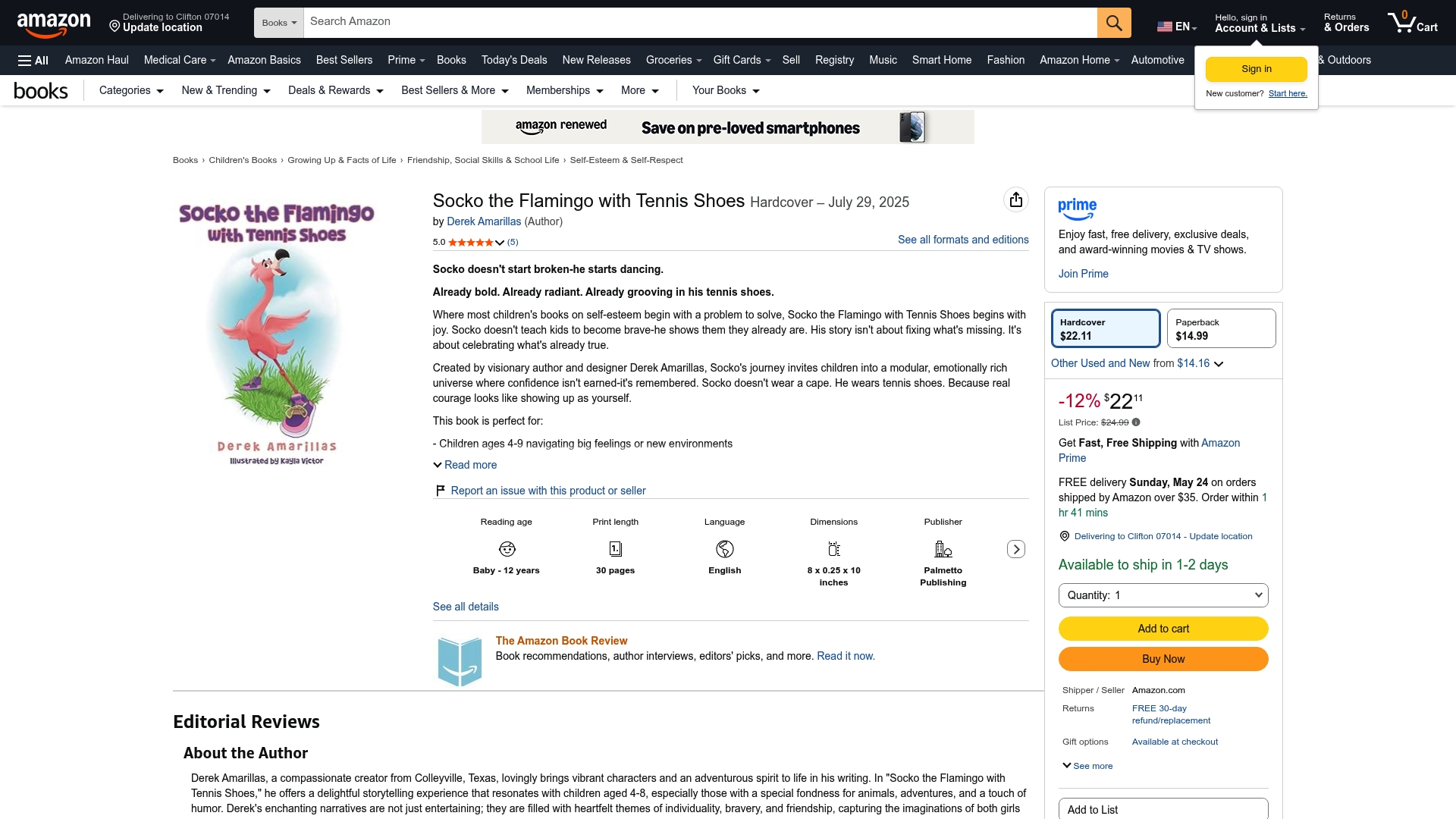
Parents, educators, and librarians can find Socko and other picture books built around emotional literacy, belonging, and self-acceptance through A's collection on Amazon. These titles are selected to work as both mirrors and windows, giving children the language they need for big feelings. Browse the full book collection to find the right fit for the children in your life, whether you are building a classroom library, a home reading corner, or a curated wellness booklist from scratch.
FAQ
What is a mental wellness booklist for children?
A mental wellness booklist is a curated collection of children's books selected to build emotional vocabulary, empathy, and coping skills. Each title is chosen with a specific developmental stage or emotional theme in mind.
How quickly do children benefit from reading wellness-focused books?
Research shows measurable gains in empathy and perspective-taking after as few as 14 reading sessions spread over one week. Consistency matters more than the length of any single session.
What is bibliotherapy, and is it safe for children?
Bibliotherapy uses children's literature to help kids process emotions and face challenges in a safe, relatable way. It is a supplement to professional mental health care, not a replacement for clinical treatment.
How do I choose the right books for my child's age?
Match story length and complexity to your child's developmental stage. Toddlers benefit from 4–5 minute stories with simple emotions, while children ages 9–12 can engage with longer narratives that explore identity and resilience.
Does a parent need special training to use a booklist for mental wellness?
No special training is required. Simply reading together consistently produces significant empathy and cognitive benefits, regardless of whether the adult pauses for structured discussion questions.