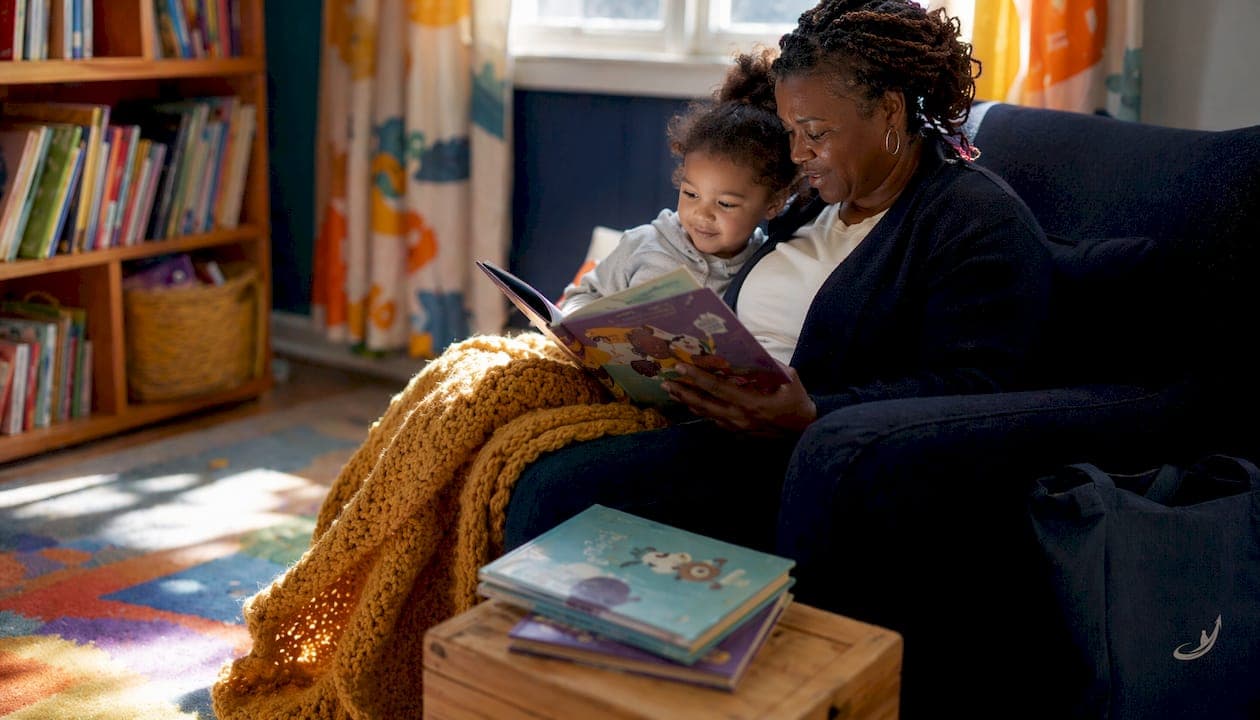
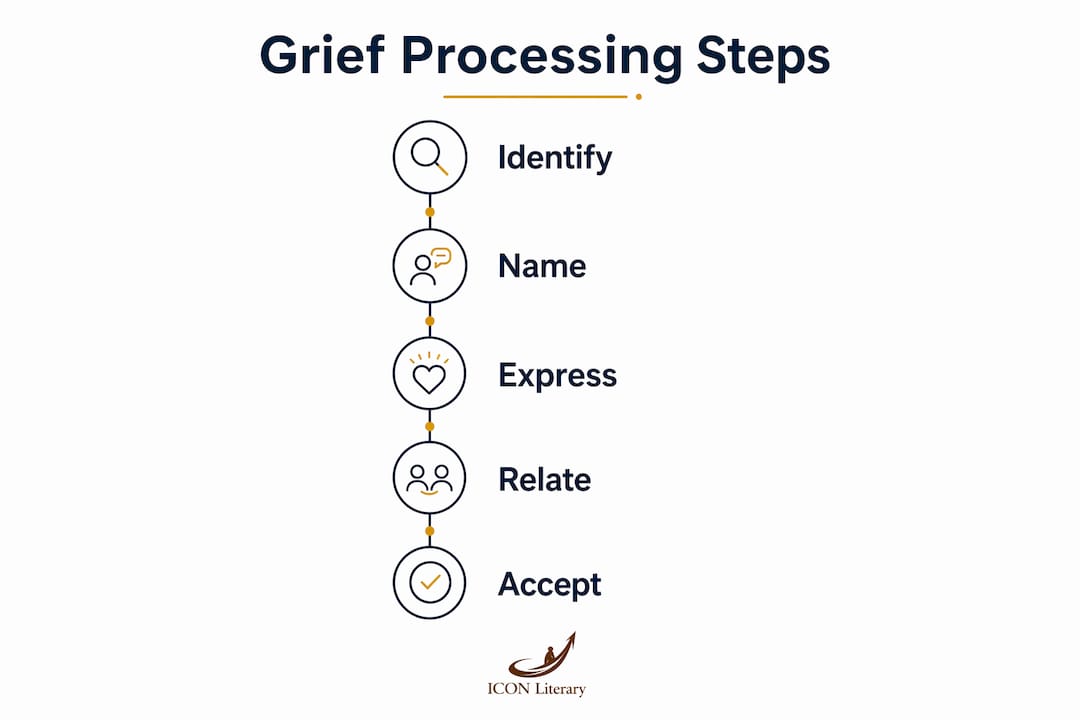
Bibliotherapy is the practice of using books to help children identify, name, and work through difficult emotions, and it is one of the most effective tools available for supporting kids aged 3–8 through loss. When a child loses a grandparent, a pet, or even a familiar way of life, the feelings that follow can be too big to put into words. A well-chosen picture book gives those feelings a shape. A 2026 systematic review of 74 children's books confirmed that reading allows children to practice both interpersonal and intrapersonal support around grief. That finding matters because it means books are not passive comfort. They are active tools, and caregivers who understand how books support grief processing in children can use them with real intention.
How do children's books work as grief processing tools?
Children's grief books work because they translate overwhelming emotion into story. A child who cannot say "I feel abandoned" can watch a bear character feel abandoned, and that distance makes the feeling safe enough to examine. This is the core mechanism of bibliotherapy: projection onto a fictional character creates emotional breathing room.
The features that make these books effective are specific and worth knowing:
- Normalization of varied emotions. The best books for grieving kids name anger, sadness, confusion, and even relief without ranking them. Books that validate different grieving styles help children feel safe expressing authentic feelings, even when those feelings seem messy or conflicting.
- Relatable characters. Animal characters are a deliberate choice in many children's grief books. They lower a child's defenses because the story feels slightly removed from real life, which makes it easier to engage.
- Interactive elements. High-quality therapeutic grief books for children aged 3–8 integrate open-ended questions and guided meditations designed for ongoing caregiver-child conversations. Many also include downloadable coloring pages and activity sheets for multi-week use.
- Caregiver guides. These sections are the most underused feature in children's grief books. They translate the narrative into daily emotional literacy practices that extend well beyond a single reading session.
Pro Tip: Read the caregiver guide before you read the book aloud. Knowing what questions and activities are available lets you guide the conversation with confidence instead of improvising.
How do stories help children relate their own grief to fictional characters?
The psychological mechanism behind bibliotherapy is projection. A child projects their own experience onto a fictional character, which creates a safe environment to explore intense emotions without direct confrontation. This matters most for children aged 3–8, whose emotional vocabulary is still developing and who often lack the language to describe what they feel.
Psychology Today notes that bibliotherapy breaks grief into manageable segments, allowing children safe, indirect emotional exploration. That segmentation is the key insight. Grief does not arrive in one wave for a young child. It arrives in fragments, and a story that mirrors those fragments gives the child a map.
"Bibliotherapy allows children to project their own experiences onto fictional characters, providing a safe environment to explore intense emotions without direct confrontation. This process helps break overwhelming grief into smaller, manageable parts and fosters hope and resilience."
Following a character through grief and toward acceptance also builds something concrete: hope. A child who watches a fictional animal learn to carry sadness while still playing, still laughing, and still belonging receives a message that their own grief will not last forever. That message is not abstract comfort. It is a rehearsal for resilience.
Dr. Korie Leigh emphasizes that developmentally appropriate vocabulary in grief books helps children safely identify and name emotions during loss. Naming an emotion reduces its power. When a four-year-old can say "I feel the sad that the rabbit felt," that child has taken a real step toward processing loss rather than being overwhelmed by it.
What should parents look for when choosing grief books for children aged 3–8?
Choosing the right book is not about finding the most popular title. It is about matching the book to your child's specific loss, age, and emotional style. These four criteria cut through the noise:
- Developmentally appropriate language. A book written for a seven-year-old will frustrate a three-year-old and bore a nine-year-old. Look for vocabulary that matches your child's current ability to understand cause and effect. Simple sentences, concrete imagery, and short chapters are signs of good developmental calibration.
- Validation of multiple grieving styles. Explicitly stating that there is no "right" way to grieve is a feature, not a platitude. Books that show one character crying and another going quiet teach children that both responses are acceptable.
- A caregiver guide or supplemental resources. Grief and trauma therapist Gina Moffa highlights books as crucial resources for caregivers, providing tools to navigate their own grief alongside their child's. A book without a caregiver section puts the full interpretive burden on the adult, which is a significant gap.
- Awareness of the type of loss. There is a content gap in children's literature around non-death-related grief, such as chronic illness, loss of ability, or family separation. Most books center on death. If your child is grieving something other than a death, prioritize books that focus on big feelings and transitions rather than books that center specifically on dying.
Pro Tip: If your child's loss is not death-related, search for books about "big feelings" or "change and loss" rather than grief specifically. The emotional themes will resonate more than the literal subject matter.
How can parents and caregivers actively use books to support children's grief?
Reading the book once is a starting point, not a strategy. The real work happens in the conversations, activities, and repeated readings that follow. Caregiver guides attached to grief books contain strategies to create daily emotional literacy habits that connect story content to real life. Here is how to put those strategies into practice:
- Read together, not at. Shared reading means sitting close, pausing at emotional moments, and letting your child set the pace. If they want to stop and talk, stop and talk. If they go quiet, stay quiet with them.
- Use the book's questions as conversation starters. Open-ended questions from the text, such as "What do you think the rabbit was feeling when she hid under the bed?" give children permission to speak indirectly about their own experience.
- Incorporate supplemental activities. Coloring pages, drawing prompts, and simple meditations included in many grief books give children a physical outlet for emotions that words cannot yet carry.
- Model your own emotional expression. Children learn how to grieve by watching adults grieve. Saying "I feel sad about this too, and that is okay" gives your child explicit permission to feel what they feel.
- Respect individual timelines. Books normalize the fact that no single timeline for grief is correct. A child who seems fine one week and devastated the next is not regressing. They are grieving in the nonlinear way that children do.
Returning to the same book over weeks or months is also worth doing. A child's understanding of a story deepens as they grow, and a book that felt confusing at age four may unlock something new at age six.
Key Takeaways
Books support children's grief processing by giving overwhelming emotions a safe, fictional shape that young children can examine, name, and begin to carry.
| Point | Details |
|---|---|
| Bibliotherapy is active, not passive | Books help children project feelings onto characters, breaking grief into manageable parts. |
| Caregiver guides are the most underused feature | Read the guide before the book to lead conversations with confidence and extend learning. |
| Match the book to the type of loss | Non-death grief requires books focused on big feelings and transitions, not death specifically. |
| Repeated readings deepen impact | A child's understanding of a grief story grows as they grow, making revisiting books worthwhile. |
| Model emotional expression alongside reading | Caregivers who name their own feelings give children explicit permission to do the same. |
What I've learned from watching books do the work adults can't
Derek here. After years of watching children interact with picture books about loss, the thing that still surprises me is how often the book does what the adult in the room cannot. A parent can say "it is okay to be sad" a hundred times and get a shrug. Then a small bear in a story says it, and the child bursts into tears. That release is not a failure of the parent. It is proof that the distance fiction provides is genuinely therapeutic.
The mistake I see most often is caregivers treating the book as a one-time event. They read it, they close it, and they wait for the child to "get better." Grief does not work that way, especially not for children aged 3–8. The book needs to live on the shelf where the child can reach it. It needs to come back out when a birthday passes without the person who is gone, or when a new school year starts and the loss feels fresh again.
The other thing I would tell every caregiver: do not skip the guide at the back. I know it looks like homework. It is not. It is the part of the book written specifically for you, and it often contains the one question or activity that unlocks your particular child. Characters like Socko the Flamingo from A work precisely because they make big feelings approachable through humor and imagination, which is exactly what a grieving child needs. The goal is not to fix the grief. The goal is to give the child a language for it.
— Derek
Books that help children and caregivers grieve together
Children process grief more effectively when caregivers are active partners in the reading experience. A offers picture books built around emotional literacy, belonging, and big feelings, designed to spark real conversations between children and the adults who love them.

Socko the Flamingo with Tennis Shoes approaches difficult emotions through humor and imagination, making it easier for children aged 3–8 to engage with feelings they cannot yet name. The books include caregiver-friendly content that extends the conversation beyond the page. For parents looking for a place to start, Socko's books are available now and built for exactly this kind of ongoing emotional work.
FAQ
What is bibliotherapy for grieving children?
Bibliotherapy is the use of books to help children identify and process difficult emotions, including grief. A systematic review of 74 children's books found it helps children practice both interpersonal and intrapersonal support around loss.
What age is best for using grief books with children?
Children aged 4–8 benefit most from bibliotherapy, though picture books with simple language and relatable characters work well for children as young as 3. Developmental appropriateness in vocabulary and themes is the key factor.
Should I read grief books with my child or let them read alone?
Shared reading is more effective than solo reading for children aged 3–8. Pausing to discuss emotions and using the book's open-ended questions gives children a structured, safe space to express what they feel.
What if my child's grief is not about a death?
Most children's grief books focus on death, but research confirms a content gap for non-death losses. Choose books centered on big feelings and transitions rather than death specifically to better match your child's experience.
How often should we revisit a grief book?
There is no fixed schedule. Returning to the same book at emotional milestones, such as anniversaries or new school years, allows children to engage with the story at a deeper level as their understanding grows.