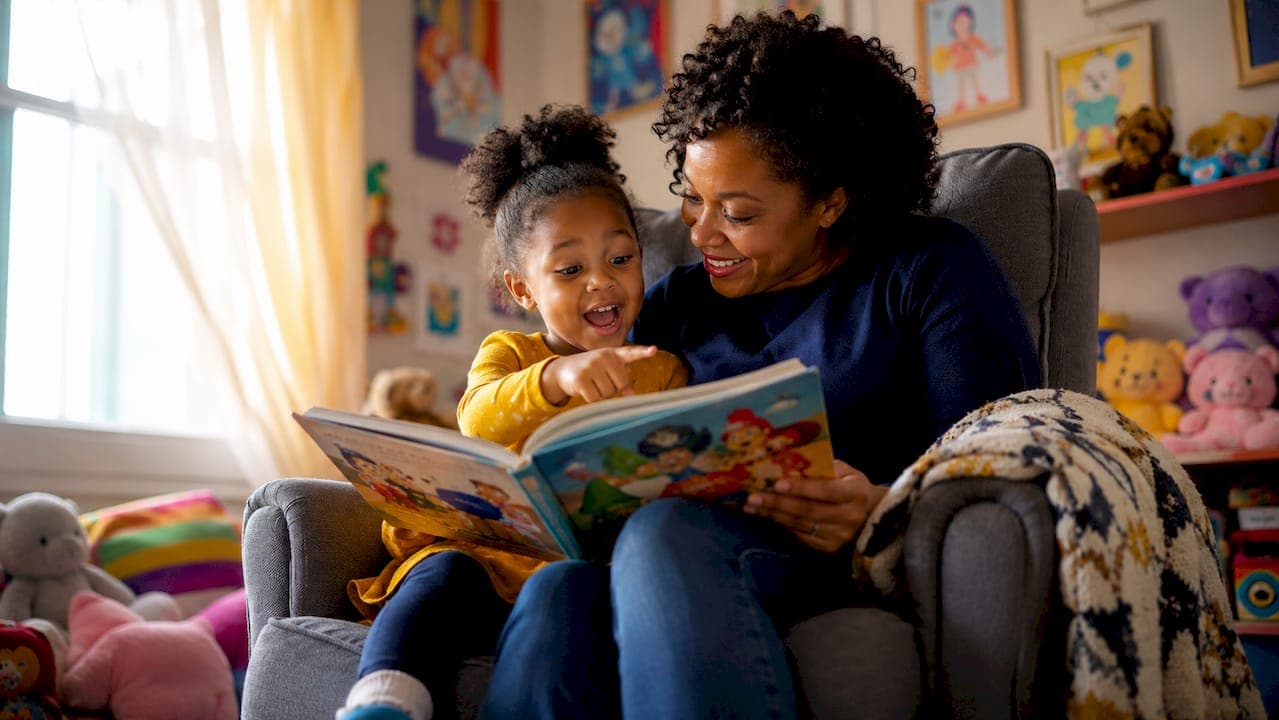
Inclusive picture books are defined as titles that authentically portray diverse identities, including race, ethnicity, gender, disability, neurodiversity, and family structure, to build empathy and belonging in young readers. When you find inclusive picture books for children, you are giving every child a chance to see themselves in a story and to understand the lives of others. Research confirms that diverse books benefit every child by broadening worldviews and interrupting stereotypes, not just those from depicted groups. Awards like the Walter Award and the Tomás Rivera Children's Book Award, tracked by the Cooperative Children's Book Center since 1980, signal which titles meet the highest standards for authentic representation. A, the brand behind Socko the Flamingo with Tennis Shoes, builds on this same foundation by using humor and imagination to spark conversations about big feelings and identity.
What criteria define an inclusive picture book?
An inclusive picture book covers a wide range of identities in a way that feels natural, not forced. Authentic representation spans race, ethnicity, gender identity, ability, neurodiversity, socioeconomic status, and religious affiliation. That breadth matters because children absorb identity cues from the books they read long before they can name what they are learning.
Authentic authorship matters
The #OwnVoices movement defines a standard where authors write from lived experience within the same marginalized group as their characters. That insider perspective removes the guesswork that leads to stereotypes. A book written by an autistic author about an autistic child, for example, captures sensory detail and emotional truth that an outside perspective often misses.
Neuro-affirming narratives
Neuro-affirming books focus on a character's strengths rather than their deficits. Neuro-affirming picture books support advocacy skills and build a sense of community for both neurodiverse and neurotypical readers. The difference in practice: a deficit-based book frames a child's ADHD as a problem to manage, while a strength-based book shows that same child's creativity and energy as genuine gifts.
Diversity as everyday life, not a lesson
The strongest inclusive books weave diversity into the story's fabric rather than making it the plot's entire point. A Black family going on a camping trip is an inclusive story. A story where the entire conflict is "learning to accept" a Black classmate is a lesson dressed as fiction. Children notice the difference, and so do educators.
Pro Tip: When evaluating a picture book, ask yourself: would this story still work if you changed the character's identity? If yes, the diversity is probably integrated naturally. If the whole book collapses, it may be tokenism.
Which tools and databases help you find diverse children's picture books?
Curated platforms and professional indexes cut through the noise when you are searching for the best inclusive picture books for young children. Three resources stand out for their depth and reliability.
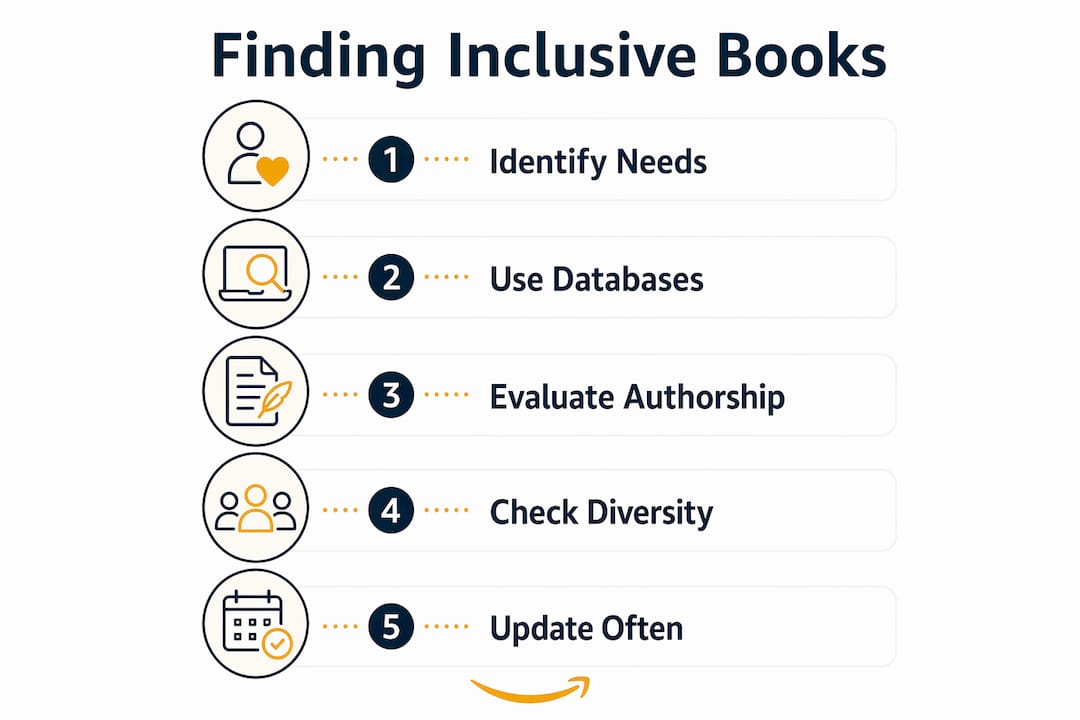
| Resource | What it offers | Best for |
|---|---|---|
| Inclusive Books for Children (IBC) | Searchable database by age and theme | Parents and educators filtering by neurodiversity or family structure |
| CCBC Recommended-Book Search | Award-indexed diverse literature since 1980 | Librarians and researchers seeking vetted titles |
| Pratham Books Diversity Handbook | Open-access framework for evaluating diversity | Educators assessing books beyond mainstream catalogs |

Inclusive Books for Children categorizes titles for ages 1–3 and 3–7, with specific tags for neurodivergence and diverse family structures. That granularity saves hours of browsing. The CCBC indexes include honors like the Walter Award and the Tomás Rivera Children's Book Award, giving you a shortcut to titles that have already been vetted by experts in multicultural literature.
The Pratham Books Diversity Handbook offers a free framework for assessing diversity beyond what commercial publishers typically surface. Independent presses often publish more authentic diverse stories than major houses, and this handbook helps you evaluate those titles with a consistent lens.
Pro Tip: Set a recurring calendar reminder once per season to check the CCBC's updated award lists. New titles are added regularly, and staying current means your classroom or home library never goes stale.
How to select inclusive books that build empathy and belonging
Selecting the right books takes more than good intentions. A practical, repeatable process produces a library that genuinely reflects the children in your care.
-
Start with character depth. Look for multidimensional characters who have goals, fears, and humor beyond their identity. A character defined only by their wheelchair or their ethnicity is a prop, not a person.
-
Check the author's background. Search for #OwnVoices labels or author bios that confirm lived experience. Authentic voices avoid stereotypes and give children genuine windows into other lives.
-
Read for emotional truth. Ask whether the emotions in the book feel real. Children's books celebrating diversity work best when the feelings on the page match feelings children actually have, such as the anxiety of being new, the joy of belonging, or the frustration of being misunderstood.
-
Balance explicit and implicit diversity. Build a library that includes both books addressing identity directly and books where diverse characters simply live their lives. SCBWI stresses inclusivity across race, LGBTQIA+ identities, disability, and gender diversity as a baseline, not a ceiling.
-
Rotate your collection. A diverse library is not a one-time purchase. Add new titles each semester and retire books that no longer reflect current, accurate portrayals of identity.
-
Involve the children. Let kids pick books from a curated shortlist. When a child chooses a story featuring a character who looks or lives like them, the emotional impact multiplies.
Pro Tip: Use the IBC platform's age and theme filters together. Searching "ages 3–7 + neurodiversity" returns a focused list that you can cross-reference with CCBC award winners for a high-confidence shortlist.
Common mistakes when choosing inclusive picture books
Even well-meaning parents and educators fall into predictable traps. Knowing these pitfalls in advance saves time and protects children from harmful representations.
-
Tokenism. A book where one character of color exists only to teach the white protagonist a lesson is tokenism, not inclusion. Integrated, everyday diverse stories build deeper empathy than one-off diversity lessons.
-
Deficit-based disability portrayals. Books that frame disability as tragedy or as something to be "overcome" reinforce harmful stereotypes. Strength-based and social-model narratives, where society's barriers are the problem rather than the person, are the current standard in neuro-affirming literature.
-
Limiting inclusive books to one group. Diverse books are essential for all children, not only those from the depicted communities. A neurotypical child reading about an autistic character builds empathy. A white child reading about a Latinx family builds cultural awareness. Restricting these books to "relevant" children defeats the purpose.
-
Ignoring author authenticity. A book with diverse characters written by someone outside that community can still perpetuate stereotypes, even unintentionally. Always check the author's background before adding a title to your collection.
-
Relying on a single source. No single platform or award list covers every identity or age group. Cross-referencing the IBC database, CCBC indexes, and independent press catalogs gives you the widest and most accurate picture.
Key takeaways
The most effective way to build an inclusive picture book collection is to combine curated databases, #OwnVoices authorship standards, and a rotating selection process that covers race, neurodiversity, ability, and family structure.
| Point | Details |
|---|---|
| Define inclusion clearly | Look for books covering race, gender, neurodiversity, ability, and family structure as everyday content. |
| Use curated databases | Platforms like IBC and CCBC indexes filter by age, theme, and award recognition to save search time. |
| Prioritize #OwnVoices | Authors writing from lived experience produce more authentic, stereotype-free representation. |
| Avoid tokenism | Choose books where diversity is woven into the story, not used as the sole plot device. |
| Rotate your library | Add new titles each semester and cross-reference multiple sources for the broadest coverage. |
Why the bar for inclusion keeps rising
I have spent years watching the children's publishing world shift, and the change is real but uneven. Publishers are producing more diverse titles than ever. The problem is that quantity does not equal quality, and parents and educators are often left sorting through a flood of books where the diversity is surface-level at best.
What I have found actually works is treating your book collection like a living curriculum. One title does not do the job. A child needs to see themselves in a story repeatedly, across different genres and emotional registers, before that representation becomes internalized as normal. The same is true for empathy. A single book about a child with cerebral palsy is a nice gesture. A shelf with ten books where disabled characters are heroes, friends, and funny kids living full lives is a cultural shift.
The #OwnVoices standard changed how I evaluate books entirely. Before that framework existed, it was easy to accept a well-illustrated book at face value. Now I check the author bio first. That one habit has filtered out more problematic titles than any other single practice.
The other thing I keep coming back to is the neuro-affirming lens. Strength-based narratives are not just better for neurodiverse children. They model a way of seeing people that benefits every reader. When a child grows up reading stories where difference is a feature rather than a flaw, they carry that perspective into classrooms, friendships, and eventually workplaces.
The bar for what counts as truly inclusive keeps rising, and that is exactly as it should be.
— Derek
Building your inclusive picture book collection
A well-curated collection of picture books with diverse characters does not happen by accident. It takes intentional choices, reliable sources, and a willingness to keep updating what you put on the shelf.
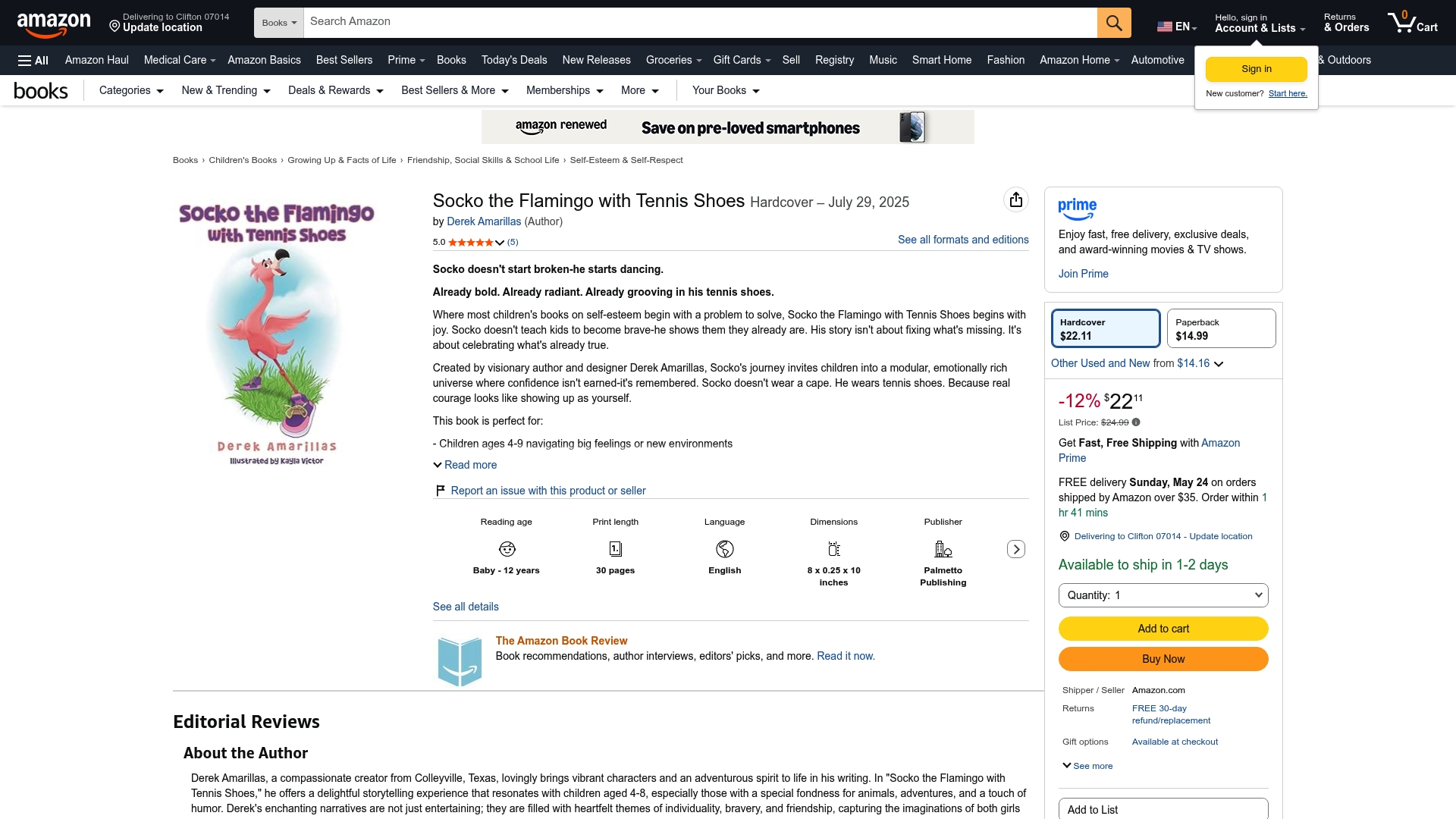
A, the brand behind Socko the Flamingo with Tennis Shoes, is built on the belief that every child deserves to see themselves in a story and to laugh, feel, and grow alongside characters who reflect the full range of human experience. Whether you are stocking a classroom library or a bedside bookshelf, starting with a curated inclusive collection gives you a strong, vetted foundation. From there, use the IBC database and CCBC award lists to keep adding titles that meet the highest standards for authentic representation.
FAQ
What does an inclusive picture book mean?
An inclusive picture book authentically portrays diverse identities, including race, gender, disability, neurodiversity, and family structure, as a natural part of the story. The goal is representation that builds empathy and belonging for every child, not just those from depicted groups.
Where can I find inclusive books for kids?
The Inclusive Books for Children platform and the CCBC Recommended-Book Search are two of the most reliable tools for finding vetted diverse titles. Both allow filtering by age range and theme, including neurodiversity and family structure.
What is the #OwnVoices standard in children's literature?
#OwnVoices refers to books where the author shares the same marginalized identity as their main character. This standard produces more authentic, stereotype-free representation because the author draws from lived experience.
Are inclusive picture books only for children from underrepresented groups?
Diverse books benefit every child by broadening worldviews and interrupting bias, regardless of the reader's own background. Exposure to picture books with diverse characters builds cultural awareness and empathy in all children.
How do I avoid tokenism when selecting diverse picture books?
Choose books where diversity is integrated into the everyday context of the story rather than used as the sole plot device. A reliable test is to ask whether the story would still function if you changed the character's identity. If it would not, the diversity may be tokenistic.