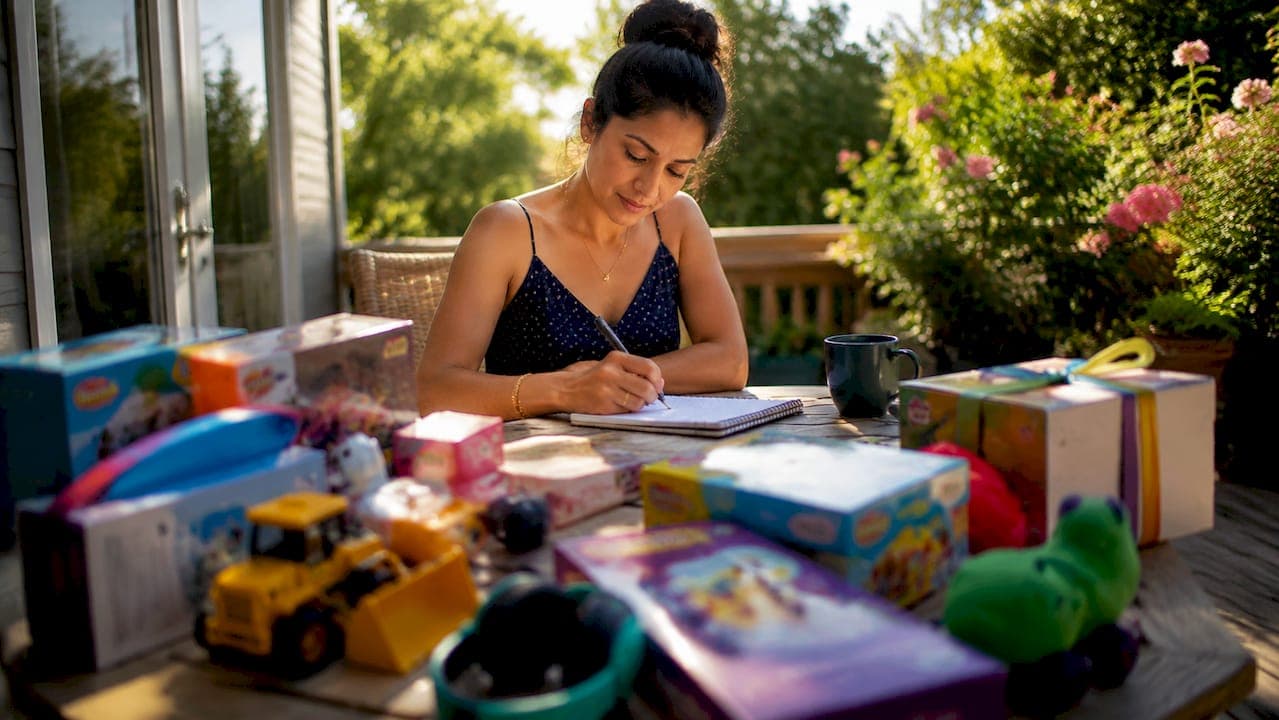
A thoughtful birthday gift for kids is one that nurtures emotional growth, celebrates a child's uniqueness, and creates lasting meaning beyond the unwrapping moment. For children aged 3 to 8, the best birthday presents combine creativity, emotional literacy, and a sense of belonging. Research confirms that meaningful birthdays center on presence and ritual rather than extravagant toys. When you select a thoughtful birthday gift for kids in this age group, you are choosing something that speaks to who they are, not just what is popular on a shelf. Brands like Little Words Project and tools like SEL journals show that the most memorable gifts teach children how to feel, connect, and belong.
What are meaningful birthday gifts for kids aged 3 to 8?
Meaningful birthday gifts for children aged 3 to 8 are those that support emotional development, spark creativity, and reflect the child's identity. They go beyond entertainment and leave a lasting impression on how a child sees themselves and their relationships.
The clearest categories of meaningful gifts include:
- Experiential gifts: Zoo memberships, art classes, or a special outing with a grandparent. These gifts create shared memories that no toy can replicate. Experiences and relationship-centered gifts consistently outperform one-off toys in building emotional connection and family belonging.
- Emotional literacy gifts: SEL journals with daily prompts, choose-your-own-adventure games built around social decisions, and picture books that name big feelings. The Social Navigator SEL game features 45+ branching scenarios that teach children real relationship skills through interactive storytelling.
- Creative maker kits: Art supplies, bead kits, and craft sets that put a child in the role of creator. Art supplies and creative craft kits are recognized as key age-appropriate gifts that support development at the elementary level. They reward effort, not just outcome.
- Diversity and inclusion gifts: Activity books and storybooks that give children language to notice and celebrate differences. Diversity-oriented activity books provide children with explicit permission to explore identity with curiosity and without shame. This matters especially for children aged 3 to 8, when identity formation is active.
- Personalized gifts: Storybooks with the child's name and likeness, custom bracelets, or journals with their photo on the cover. Personalized children's fables produce significantly higher emotional engagement than non-personalized stories. Personalization is not a marketing gimmick. It tells a child: this was made for you.
Pro Tip: When choosing unique birthday gifts for kids, pick one gift from each category: something creative, something emotional, and something experiential. Three smaller, intentional gifts often land better than one large, generic one.
How to match gifts to a child's personality and stage
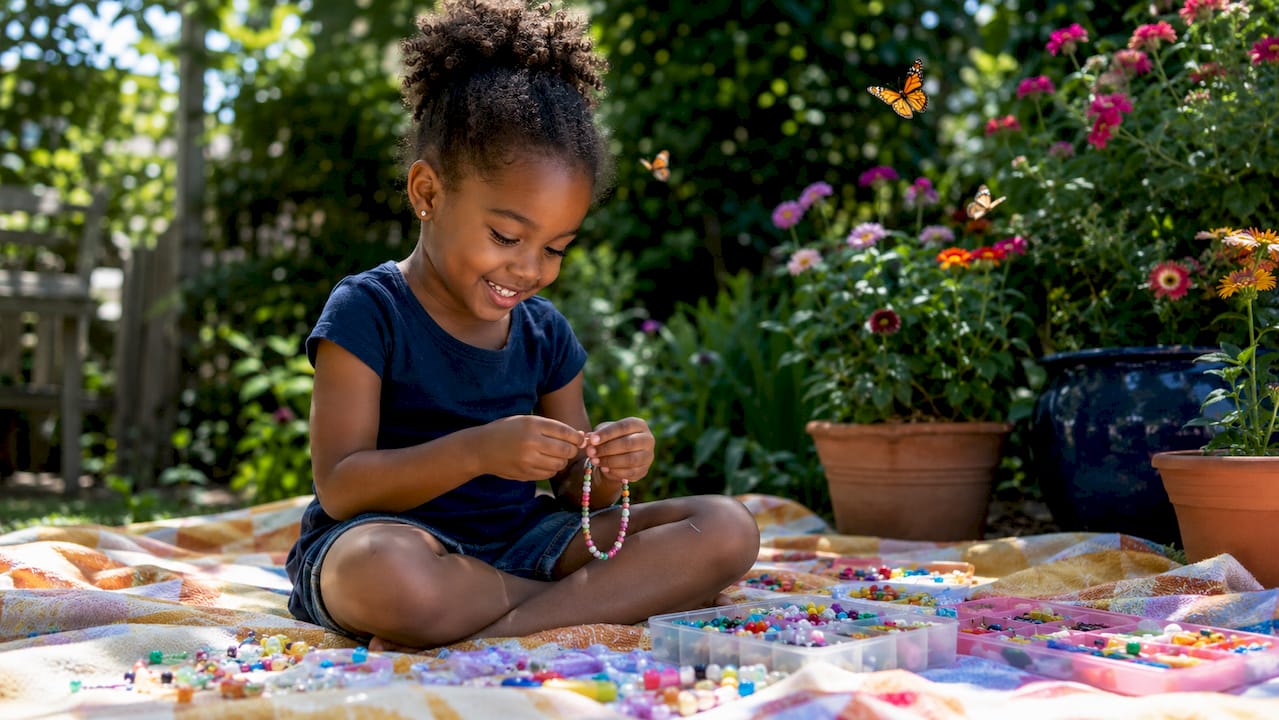
Matching a gift to a child's developmental stage is the single most overlooked step in gift selection. A craft kit that is too complex frustrates a 4-year-old. A board book aimed at toddlers bores a confident 7-year-old reader. Getting this right requires observation, not guesswork.
Here is a practical process for matching gifts to the child in front of you:
-
Observe their play style. Does the child prefer quiet, focused activities like drawing or puzzles? Or do they gravitate toward movement, building, and group play? A child who loves quiet time will thrive with an SEL journal or a bead kit. An active child benefits more from a shared experience like a cooking class or a nature scavenger hunt.
-
Check fine motor readiness before choosing craft kits. The Little Dreamers Bead Kit from Little Words Project is designed for ages 6 and up because threading small beads requires developed fine motor control. Giving it to a 4-year-old sets them up for frustration, not confidence. Always read the age guidance on maker kits as a developmental signal, not just a legal disclaimer.
-
Separate content fit from duration fit. A craft kit can have age-appropriate content but still demand 45 minutes of sustained focus that a 5-year-old cannot maintain. Craft duration fit and content fit are two separate considerations. A kit that takes 10 minutes to complete may be far more satisfying for a 5-year-old than a richer kit that takes an hour.
-
Consider the child's emotional world. A child who has recently experienced a move, a new sibling, or a friendship conflict may benefit most from a gift that names feelings. An SEL journal with 224 daily prompts based on CASEL domains takes only 15 minutes a day and builds emotional awareness through feeling thermometers and reflection exercises.
-
Ask the child's caregiver, not just the child. Children often request what they have seen advertised. Caregivers know what the child actually returns to again and again. That repeat behavior is the truest signal of genuine interest.
Pro Tip: For personalized gifts for children, note the child's current favorite color, animal, or story character before ordering. A personalized storybook featuring a flamingo protagonist lands very differently than a generic one. Specificity is what makes personalization feel real.
Material toys vs. experiential and relationship-based gifts
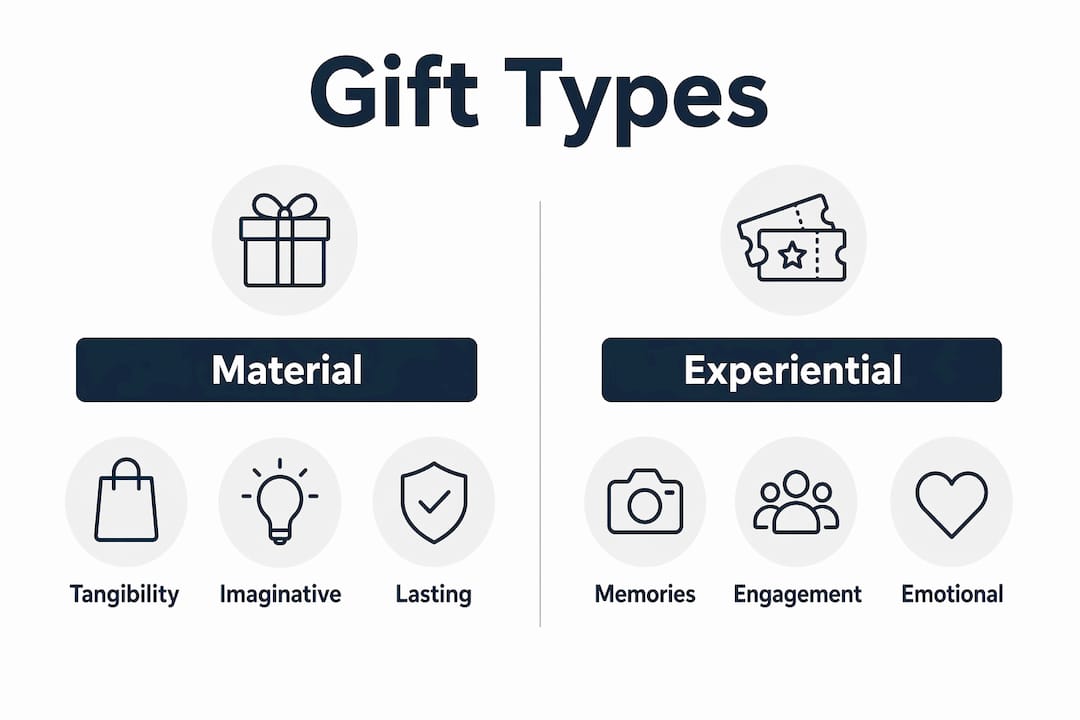
The debate between material and experiential gifts is not about cost. It is about what a child carries forward. The table below compares the three main gift categories across dimensions that matter most to parents choosing birthday gift suggestions for kids aged 3 to 8.
| Gift type | Emotional impact | Longevity | Cost range | Child engagement |
|---|---|---|---|---|
| Material toys | Moderate, fades quickly | Weeks to months | $15 to $80 | High at first, drops sharply |
| Creative maker kits | High, tied to pride in creation | Months, product lasts | $20 to $50 | Sustained during activity |
| Experiential gifts | Very high, memory-based | Years | $0 to $100+ | Deep, shared with others |
| Personalized items | Very high, identity-affirming | Years | $15 to $60 | Returns to it repeatedly |
| Relationship-based gifts | Highest, tied to belonging | Lifelong | Low to none | Grows over time |
Material toys serve a real purpose. A well-chosen toy supports imaginative play and gives a child something tangible to hold. The problem is that most toys are chosen for novelty rather than fit, and novelty fades within days. Experiential gifts, by contrast, create what researchers call episodic memory. The child does not just remember the gift. They remember who was there, how they felt, and what they did together.
Relationship-based gifts are the least understood category. These include acts of giving, such as helping a child donate a toy to a peer in need as part of their own birthday, or writing a letter to the child that they can read when they are older. Small acts of generosity linked to a birthday create joy that extends well beyond materialism. They also model values that children absorb and carry into their own relationships.
Steps to create a birthday celebration that deepens the gift
The gift and the celebration are not separate decisions. A thoughtful gift lands harder when the celebration around it reinforces the same values. Here is how to build a birthday ritual that makes any gift more meaningful.
-
Start with a birthday morning note. Write the child a short, specific note about one thing you love about who they are, not what they do. "You notice when your friends are sad" is more powerful than "You are so smart." Simple rituals like birthday morning notes create lasting emotional birthday memories. Children remember the feeling of being seen far more than the party production.
-
Give the child agency in the celebration. Ask them to choose one activity, one meal, and one person to invite for a special one-on-one time. Agency builds self-concept. A child who helps plan their own celebration feels genuinely celebrated, not just entertained.
-
Add one act of generosity to the day. Let the child choose a small toy to give away, or help bake something for a neighbor. This practice shifts the birthday from a day of receiving to a day of meaning. It also pairs naturally with diversity and inclusion gifts that teach children to think about others.
-
Record the moment. Take a short video of the child describing what they love about being their current age. Store it somewhere they can find it at 16. This costs nothing and becomes one of the most treasured gifts you will ever give them.
Pro Tip: For creative gift ideas for children, pair the gift with a ritual. If you give a bead kit, plan a bracelet-making afternoon together. The shared time doubles the emotional value of the gift without adding cost. You can find inspiration for family party ideas that center connection over consumption.
Key takeaways
The most effective way to select a thoughtful birthday gift for kids aged 3 to 8 is to match the gift to the child's emotional world, developmental stage, and sense of identity rather than to trends or price points.
| Point | Details |
|---|---|
| Prioritize emotional fit over novelty | Gifts tied to a child's identity and feelings create deeper, longer-lasting engagement than trendy toys. |
| Match complexity to developmental stage | Check both content fit and duration fit before choosing craft kits or SEL tools for young children. |
| Personalization amplifies impact | Personalized storybooks and custom items produce significantly higher emotional engagement than generic alternatives. |
| Pair gifts with rituals | A birthday morning note or shared activity doubles the emotional value of any gift at no extra cost. |
| Experiential gifts outlast material ones | Shared memories and relationship-based gestures create lasting belonging that physical toys rarely achieve. |
Why I stopped chasing the "perfect" gift
I spent years trying to find the one gift that would make a child's face light up the way the toy commercials promised. What I learned, after watching dozens of birthday mornings, is that the lighting-up moment almost never comes from the gift itself. It comes from the moment a child realizes someone paid attention to them specifically.
The most memorable gift I ever witnessed was a handmade book a grandmother wrote about her granddaughter's first five years. No illustrations, just typed pages in a binder. The child carried it everywhere for months. No toy has ever competed with that. What made it work was not the craft. It was the specificity. Every page said: I see you. I remember you. You matter.
The research on personalized children's stories confirms what that grandmother already knew intuitively. Personalization is not decoration. It is recognition. And recognition is what children at this age are hungry for above everything else.
My honest advice: spend less time searching for the best birthday present for kids and more time thinking about what makes this particular child feel known. That answer will point you to the right gift every time. Whether it is an SEL journal, a bead kit, a shared experience, or a letter they will read in ten years, the gift that works is always the one that says: this was made for you.
— Derek
Thoughtful birthday gifts worth exploring
Finding gifts that genuinely support emotional literacy and creativity does not require hours of research. A curated selection of SEL journals, creative maker kits, and personalized storybooks is available through Amazon's trusted marketplace, where verified reviews and reliable shipping make the process straightforward.
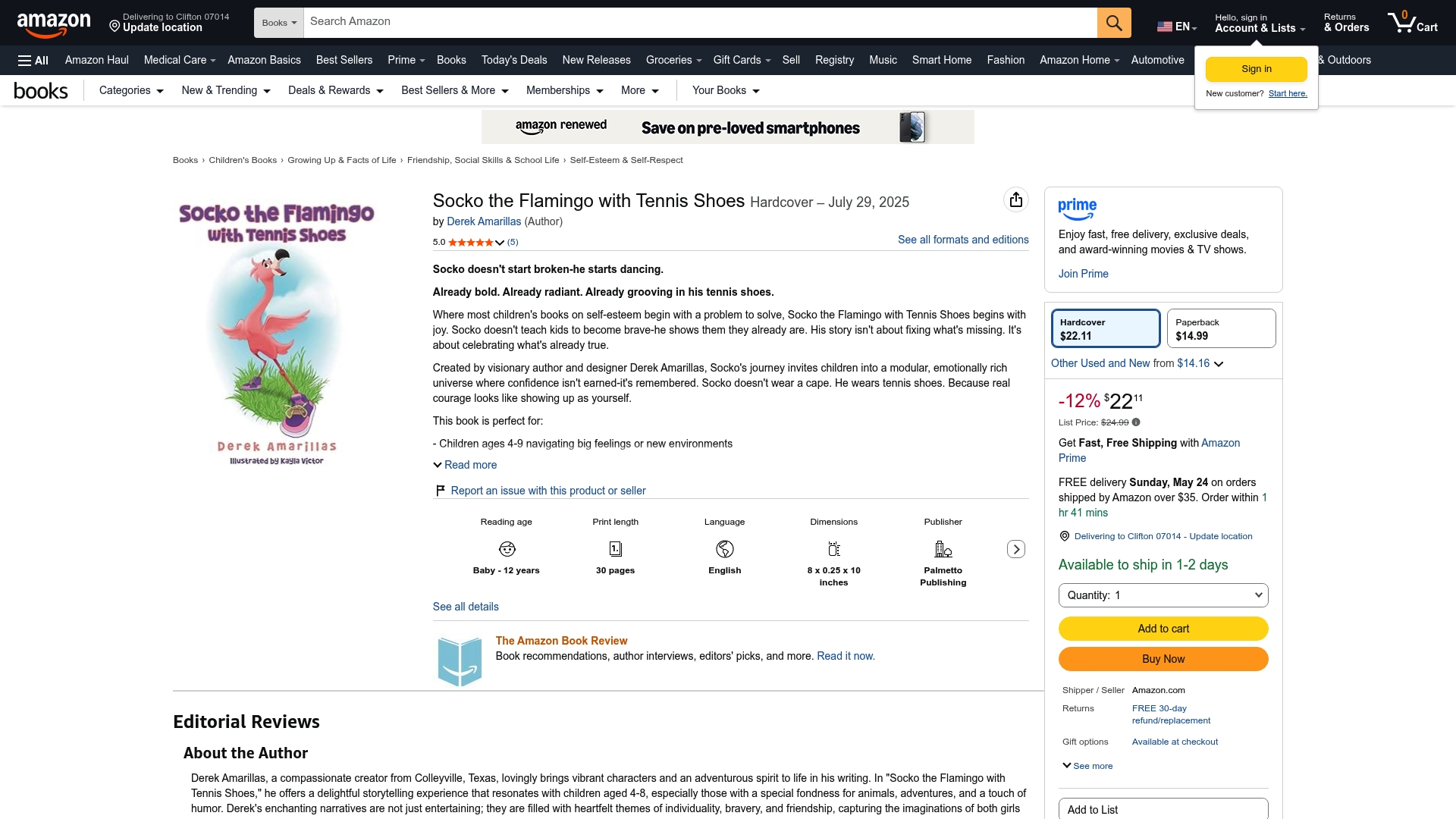
Whether you are looking for a bead kit that builds creative confidence, an SEL journal that takes 15 minutes a day, or a diversity-focused activity book that gives children language for belonging, you will find options that align with the values in this article. Explore thoughtful gifts for kids on Amazon and filter by age range to find gifts matched to your child's developmental stage. The brand A, built around Socko the Flamingo with Tennis Shoes, also offers picture books designed to spark conversations about big feelings and identity, making them a natural complement to any emotionally thoughtful birthday celebration.
FAQ
What makes a birthday gift thoughtful for a young child?
A thoughtful gift matches the child's emotional world, developmental stage, and sense of identity. Personalized items, SEL tools, and creative maker kits consistently outperform generic toys in emotional engagement and lasting impact.
What to gift a 5-year-old who has everything?
An experiential gift, such as a shared outing or a cooking afternoon together, creates a memory that no material item can replicate. Alternatively, a personalized storybook featuring the child as the main character delivers strong emotional recognition at a low cost.
Are SEL journals appropriate for kids aged 3 to 8?
SEL journals with visual supports and feeling thermometers are well-suited for children aged 5 and up. The CASEL-aligned SEL journal with 224 prompts requires only 15 minutes a day and is designed for diverse learners, including those who benefit from picture-based prompts.
How do I choose between a material toy and an experiential gift?
Choose a material toy when the child has a specific, sustained interest you have observed over time. Choose an experiential gift when you want to create a shared memory or strengthen a relationship. Experiential gifts produce deeper emotional impact and are remembered for years longer than most toys.
Do personalized gifts really make a difference for young children?
Research confirms that personalized narratives produce significantly higher emotional engagement in children compared to non-personalized stories. Personalization signals recognition, which is one of the core emotional needs of children aged 3 to 8.