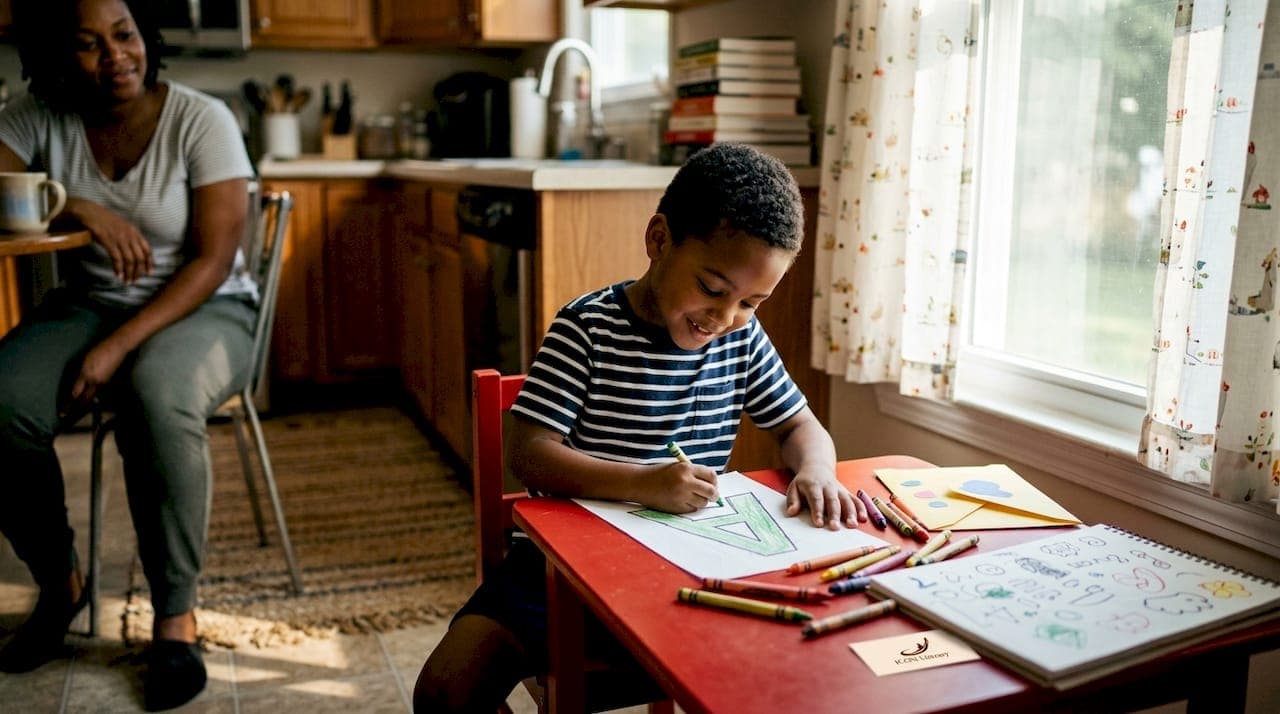
A pen pal account is a supervised communication platform that connects children with peers through intentional, guided letter exchanges designed to build emotional literacy and social skills. For children ages 3–8, this kind of structured correspondence does far more than deliver mail. It teaches patience, empathy, and the courage to express big feelings on paper. Parents and educators who set up a pen pal account for young children give them a rare gift: a friendship that grows one thoughtful letter at a time.
What is a pen pal account and how does it work for children ages 3–8?
A pen pal account is a profile created on a letter-exchange platform or program that matches children with compatible peers for ongoing correspondence. For young children, the account is always managed by an adult, whether a parent, teacher, or librarian. The child participates in the writing and drawing, but the adult controls what gets sent and received.
Three main formats exist for children's pen pal programs:
- Online platforms: Web-based services where educators or parents create child profiles, review all messages, and approve exchanges before delivery.
- Postal pen pals: Physical letter programs where schools or community organizations manage matches and route all mail through a central address, keeping home addresses private.
- Hybrid apps: Mobile programs that combine digital messaging with printable letter templates, giving children the tactile experience of writing while keeping communication digital and monitored.
Programs for young children emphasize 1-to-1 matching managed by teachers or parents to protect privacy and emotional safety. That structure matters because many adult-facing pen pal matching websites have minimal identity verification. Children's programs solve this by routing all exchanges through trusted educators who strip personal contact information before delivery.
Communication pacing is also different for young children. Unlike instant messaging, letter-writing is a slower, intentional method that encourages emotional expression and thoughtful connection. A typical exchange for a 5-year-old might involve one letter per month, decorated with drawings and stickers, reviewed by a parent before it goes out.

How to set up and safely manage a pen pal account for young children
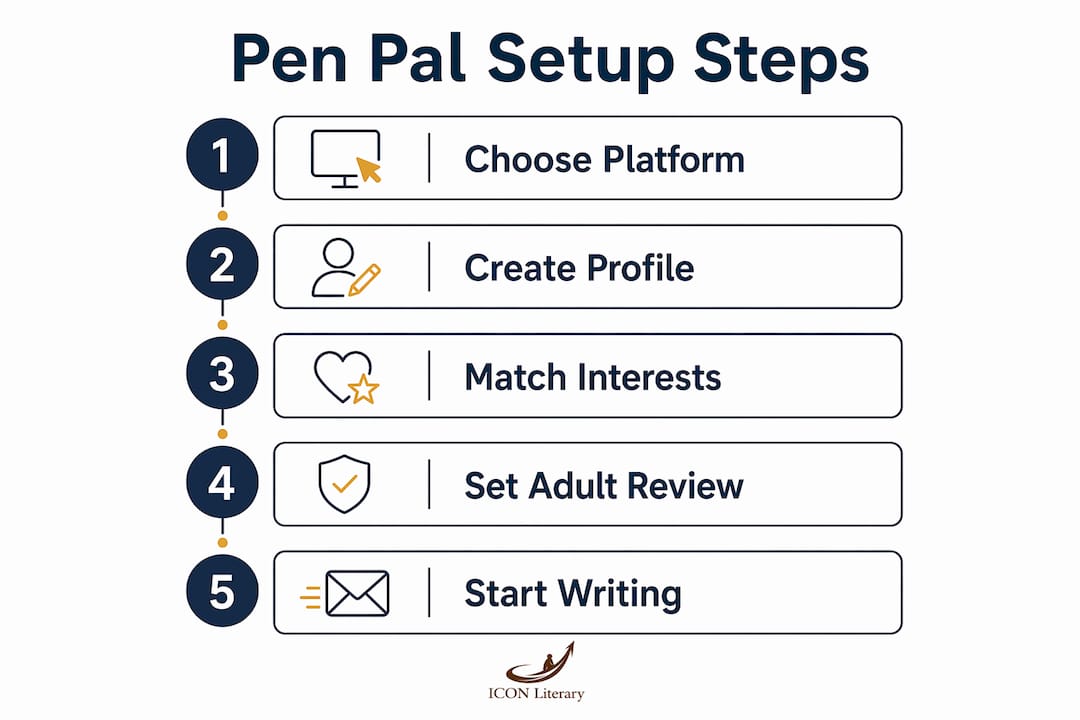
Setting up a safe pen pal account for a child ages 3–8 takes about 30 minutes and a clear plan. The steps below apply whether you are a parent at home or a teacher managing a classroom program.
- Choose a vetted platform. Look for services built specifically for children, not general pen pal matching websites repurposed for younger users. The platform should require adult account creation, offer centralized message review, and never display home addresses.
- Create a non-identifying profile. Use only a first name, age, and a few interests. Never include a last name, school name, home city, or photo that shows identifying details. A profile that says "Maya, age 6, loves dinosaurs and painting" is enough.
- Set up adult review as the default. Every message your child sends or receives should pass through you first. Proven children's pen pal programs use educator-monitored channels with all personal contact information removed before delivery.
- Use school or program-managed matches when possible. Classroom pen pal programs through libraries or literacy organizations give you a pre-vetted pool of children at a similar developmental stage.
- Write the first message together. Sit with your child and ask open-ended questions to include: "What is your favorite animal?" or "What do you like to do on weekends?" Experts recommend keeping first messages to 3–5 sentences to avoid overwhelming the recipient.
Pro Tip: Let your child draw a picture to include with the first letter. For children ages 3–5 who are not yet writing independently, a drawing with a parent-written caption is a perfectly valid first message.
Costs for these programs vary. Finding a pen pal online ranges from free hobbyist databases to subscription communities priced at $5–$15 monthly on curated platforms. For classroom use, many school-based programs are free through library partnerships.
What are the developmental benefits of pen pal accounts for children?
Pen pal correspondence is one of the few childhood activities that builds multiple social-emotional skills at the same time. Educators note that pen pal writing actively supports social-emotional development in children ages 3–8 by engaging them in slower communication and teaching them about others' lives.
The core benefits include:
- Patience and self-regulation: Waiting for a reply teaches children that good things take time. This is a concrete, felt lesson in delayed gratification that no app can replicate.
- Empathy: Reading about a pen pal's favorite foods, family, or fears helps children recognize that other people have rich inner lives different from their own.
- Creative expression: Drawing, decorating envelopes, and choosing what to share encourages children to make intentional creative choices.
- Language development: Composing a message, even a short one, requires children to organize thoughts and choose words carefully.
- Sustained attention: Returning to a correspondence over weeks and months builds the habit of following through on a relationship.
"For young children, the pen pal process is more valuable as an exercise in patience and self-regulation than merely a social connection. The act of waiting, composing, and responding builds emotional muscles that carry into every other relationship a child will have."
Interest-based pen pal matching yields better sustained friendships than location-based matching. Shared passions like art, animals, or storytelling give children natural recurring topics. A child matched with someone who also loves dinosaurs will never run out of things to say.
How to choose the right pen pal platform or service for your child
Not every pen pal platform suits young children. The right choice depends on your child's age, your comfort with digital tools, and how much adult involvement you can commit to.
The table below compares the three main platform types by key features relevant to parents and educators:
| Platform type | Safety controls | Communication method | Best for |
|---|---|---|---|
| School-managed postal program | High: all mail routed through educator | Physical letters and drawings | Classroom use, ages 5–8 |
| Supervised online platform | High: adult account required, message review | Digital messages, printable templates | Home use, ages 6–8 |
| Hybrid app with parental controls | Medium-high: depends on app settings | Digital with letter-style formatting | Tech-comfortable families |
Free services exist across all three categories, but subscription-based platforms typically offer stronger safety features, including identity verification for adult account holders and dedicated support for educators. For children ages 3–5, a school-managed postal program is the safest and most developmentally appropriate option because it removes all digital variables.
When evaluating any platform, ask three questions. Does the service require adult account creation? Does it review or filter messages before delivery? Does it use 1-to-1 matching rather than open forums? If the answer to any of these is no, look elsewhere.
Pro Tip: Before committing to a subscription, check whether the platform offers a free trial or a classroom starter kit. Many services designed for educators include lesson plan templates and letter-writing prompts at no extra cost.
Interest-based pairing is a feature worth prioritizing. Platforms that ask about hobbies during profile setup produce matches that last longer and feel more natural to children.
Tips for maintaining a positive and lasting pen pal relationship
Starting a pen pal exchange is easy. Keeping it going for six months or more requires a few deliberate habits.
- Set a no-pressure reply schedule. Mismatched reply expectations cause many pen pal relationships to fail. Agree on a once-a-month cadence from the start so neither child feels guilty for taking time.
- Review letters together. Sit with your child when a letter arrives. Read it aloud, talk about what the pen pal shared, and let your child react before drafting a reply. This turns correspondence into a learning conversation.
- Use prompts to spark new ideas. When a child says "I don't know what to write," offer a simple prompt: "Tell them about the last book you read" or "Draw your favorite place." Prompts prevent the blank-page freeze.
- Celebrate the exchange. Display received letters on a bulletin board or keep them in a special box. Making the correspondence visible reinforces its value and gives children pride in their growing friendship.
- Know when to close the loop. If a pen pal stops responding after two or three unanswered letters, gently explain to your child that sometimes friendships change. This is itself a valuable emotional literacy lesson.
The goal is not a perfect, lifelong pen pal relationship. The goal is a consistent, safe practice that builds emotional skills one letter at a time.
Key Takeaways
A pen pal account works best for children ages 3–8 when it is adult-managed, interest-matched, and paced at one exchange per month to build emotional skills without pressure.
| Point | Details |
|---|---|
| Adult oversight is non-negotiable | All messages for children ages 3–8 must be reviewed by a parent or educator before sending or receiving. |
| Interest-based matching lasts longer | Matching children by shared hobbies produces correspondence that continues well beyond six months. |
| First messages should be short | Keep opening letters to 3–5 sentences with an open-ended question to invite a natural reply. |
| Slower pace builds emotional skills | A once-a-month cadence teaches patience and self-regulation more effectively than frequent digital exchanges. |
| Platform safety features matter | Choose services that require adult account creation, message review, and 1-to-1 matching. |
Why pen pal accounts are worth the extra effort
I have watched children in classroom settings light up when a letter arrives with their name on it. That moment, a physical envelope addressed specifically to them, does something that a notification ping simply cannot. It says: someone took time for you.
What surprises most parents is how much the writing side matters, not just the receiving. A child who struggles to talk about feelings will often draw them in a letter without prompting. The distance created by writing to someone they have never met removes the social pressure of face-to-face conversation. Children say things on paper they would never say out loud.
The adults who get the most out of these programs are the ones who treat the correspondence as a shared activity, not a drop-off task. Reading the letter together, talking about what the pen pal shared, and helping your child choose what to say next turns a simple exchange into a weekly emotional literacy lesson. That is the part no platform can automate.
My honest recommendation: start with a school-managed postal program if your child is under 6. The physical letter experience is richer, the safety controls are tighter, and the slower pace is genuinely better for young children than any app. If your child is 6 or older and you want more flexibility, a supervised online platform with parental controls works well. Either way, the investment of 20 minutes a month pays off in ways that show up far beyond the mailbox.
— Derek
Letter writing tools that make starting easy
Getting a pen pal correspondence off the ground is simpler when children have the right tools in hand. A good letter-writing kit gives kids a reason to sit down, get creative, and put their feelings on paper in a way that feels like play rather than homework.
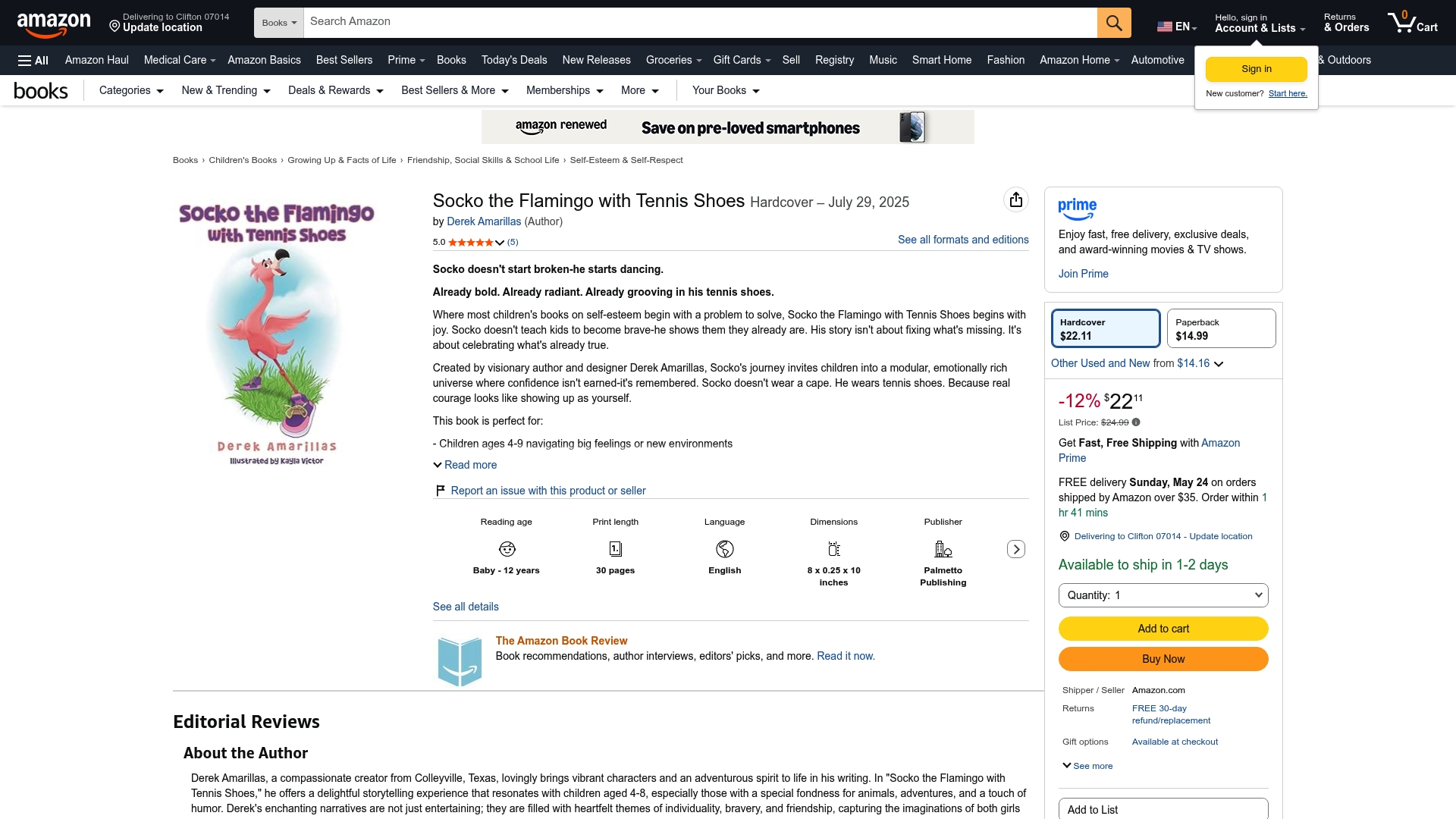
A's Socko the Flamingo with Tennis Shoes brings that same spirit to every page. The character's warmth and humor make big feelings approachable for children ages 3–8, and the books work beautifully as conversation starters before a child writes their first pen pal letter. Parents and educators can find Socko the Flamingo resources that pair naturally with letter-writing activities, giving children both the emotional vocabulary and the creative spark they need to write something real.
FAQ
What is a pen pal account for young children?
A pen pal account is a supervised profile on a letter-exchange platform that connects a child with a matched peer for ongoing correspondence. For children ages 3–8, all communication is reviewed and managed by a parent or educator.
How do I start a pen pal account safely for my child?
Choose a platform built for children, create a profile using only a first name and interests, and set up adult review for all messages. Starting the account with a brief, open-ended first message of 3–5 sentences gives the exchange the best start.
What age is appropriate to write to a pen pal?
Children as young as 3 can participate with full adult support, using drawings and dictated messages. Independent letter writing typically becomes possible around ages 6–7, though adult review remains important through age 8.
How often should young children write to their pen pal?
Once a month is the recommended cadence for children ages 3–8. A no-pressure schedule prevents burnout and guilt while still maintaining a meaningful ongoing connection.
What are the main benefits of pen pals for children?
Pen pal correspondence builds patience, empathy, creative expression, and language skills. Educators identify these activities as direct supports for social-emotional learning in children ages 3–8.