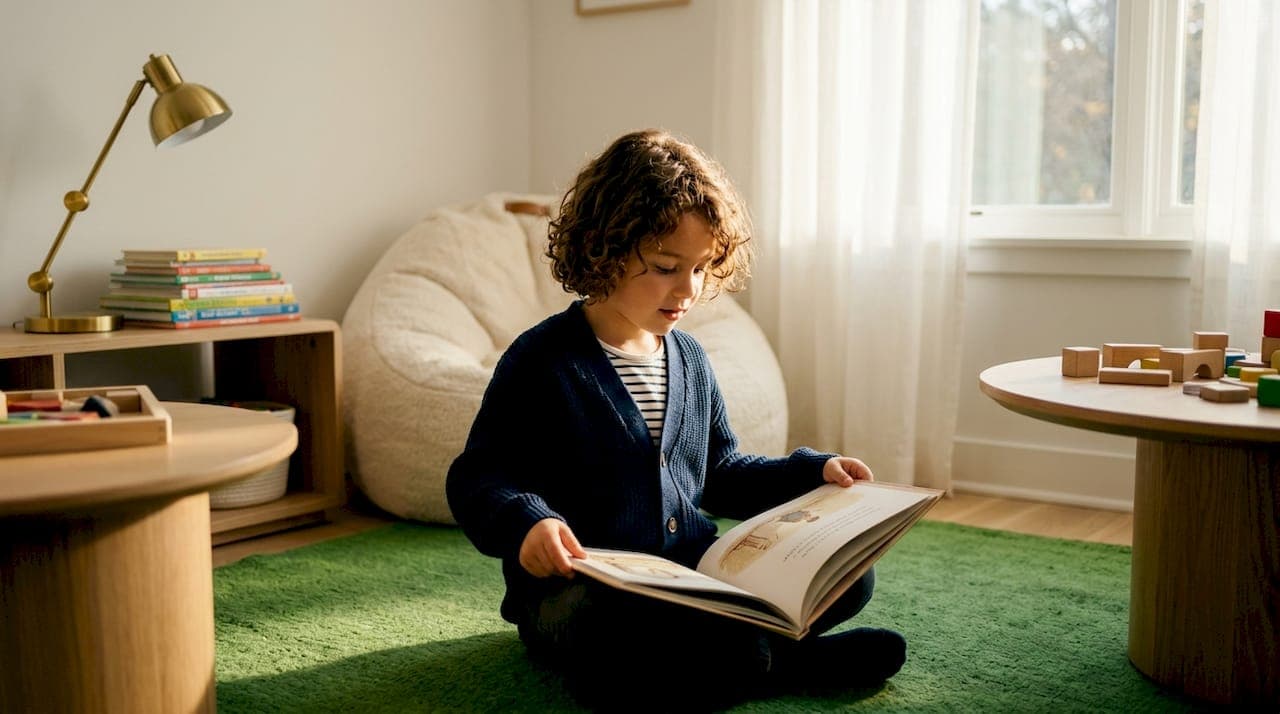
Choosing the right picture books for a child ages 4 to 7 feels deceptively simple until you're standing in a bookstore aisle wondering whether a book will actually resonate, or just get read once and shelved. This picture books ages 4-7 gift guide cuts through that uncertainty with a clear lens: emotional literacy and inclusivity. Books that help children name their feelings, recognize themselves in a story, and see people unlike them with curiosity and warmth are not just good reads. They are genuinely useful gifts for early readers that do real developmental work.
Table of Contents
- Key Takeaways
- 1. How to choose the best picture books ages 4-7 as gifts
- 2. Books that build empathy one page at a time
- 3. Comparison of top recommended picture books for gifting
- 4. Books celebrating cultural diversity and belonging
- 5. Situational recommendations for different gifting needs
- What I have learned from years of watching children read
- Find the perfect heartfelt picture book for your child
- FAQ
Key Takeaways
| Point | Details |
|---|---|
| Emotional literacy drives book selection | Prioritize books that help children name feelings and build empathy with characters unlike themselves. |
| Inclusivity has measurable impact | Culturally inclusive books boost belonging and engagement in early learners. |
| Age fit matters as much as theme | Stories for ages 4-7 need rich illustrations, short sentences, and relatable social scenarios to land properly. |
| Situational gifting sharpens choices | Match books to the child's personality and reading context, whether classroom, bedtime, or reluctant reader. |
| Heartfelt books make lasting gifts | A well-chosen picture book can anchor a child's understanding of identity and empathy for years. |
1. How to choose the best picture books ages 4-7 as gifts
Not every picture book labeled "ages 4-8" is actually right for this window. Children between four and seven are in a rapid phase of social and emotional development. They are learning to manage frustration, negotiate friendships, and understand that other people have inner lives different from their own.
The best children's book gift ideas for this age group share a few specific qualities:
- Illustrations that carry the story. A child who is not yet fluent can still follow a book with expressive, detailed artwork. Rich visuals are not decoration. They are part of the reading experience.
- Short, rhythmic sentences. Read-aloud appeal matters enormously. Books that beg to be read aloud get re-read, which deepens comprehension.
- Emotional specificity. Generic "be kind" messaging fades quickly. Books that depict a child feeling genuinely left out, or scared, or proud, give young readers a vocabulary for their own experience.
- Diverse representation. Cultural and family diversity in books helps every child feel seen and builds empathy in children whose own lives look different from what they see in the story.
- Durability and gift appeal. Hardcover editions, sewn bindings, and quality paper signal that the book is worth keeping.
Pro Tip: When shopping for picture book recommendations as a gift, read the first three pages aloud in the store or preview online. If you feel the rhythm pulling you forward, a child will too.
2. Books that build empathy one page at a time
Books that teach emotional recognition and social awareness are among the highest-value gifts you can give a child in this age range. Here are standout titles to consider, with notes on what makes each one work.
-
The Invisible String by Patrice Karst. This book addresses separation anxiety by giving children a concrete metaphor for love that persists even when a parent is not physically present. It works especially well for kids starting kindergarten.
-
In My Heart by Jo Witek. Each spread explores a different feeling, from joyful to scared to brave, using visual metaphors like a balloon or a stone. Perfect for children who are beginning to notice their own emotional states.
-
Alma and How She Got Her Name by Juana Martinez-Neal. A Caldecott Honor book about a girl who learns the story behind her long, many-part name. It celebrates family heritage and cultural identity in a way that feels personal to the child reading it.
-
Hilwa's Gifts and The Jade Bracelet are both recognized on the ALSC Notable Children's Books 2026 list for highlighting family heritage and cultural diversity with warmth and specificity.
-
When You Are Brave by Pat Zietlow Miller. A moving story about facing big changes, particularly relocation, with courage. Ideal for children experiencing transitions.
"Books that show children navigating real feelings with imperfect grace do more for emotional development than any lesson plan. The story is the lesson." — A
Pro Tip: If you are buying a heartfelt picture book as a gift for ages 4-7, tuck a handwritten note inside the front cover with a sentence about why you chose it. It turns the book into a keepsake.
3. Comparison of top recommended picture books for gifting
Quick comparison table
| Title | Emotional literacy focus | Inclusivity factors | Best age | Standout quality |
|---|---|---|---|---|
| The Invisible String | Separation, love, loss | Universal family structures | 4-7 | Concrete metaphor for abstract feelings |
| In My Heart | Identifying emotions | Open, accessible | 4-6 | Visual metaphors for each feeling |
| Alma and How She Got Her Name | Identity, pride, belonging | Latinx cultural heritage | 5-7 | Multi-generational family storytelling |
| Hilwa's Gifts | Generosity, connection | Middle Eastern family traditions | 5-7 | ALSC Notable 2026 |
| The Jade Bracelet | Family legacy, memory | East Asian cultural heritage | 5-7 | ALSC Notable 2026 |
| When You Are Brave | Courage, change, resilience | Broadly inclusive | 4-7 | Ideal for kids facing transitions |
4. Books celebrating cultural diversity and belonging
One of the clearest findings in children's literature research is that diverse books normalize differences and give children positive models for navigating a pluralistic world. The titles below go beyond surface representation. They tell specific, textured stories rooted in real cultural experiences.
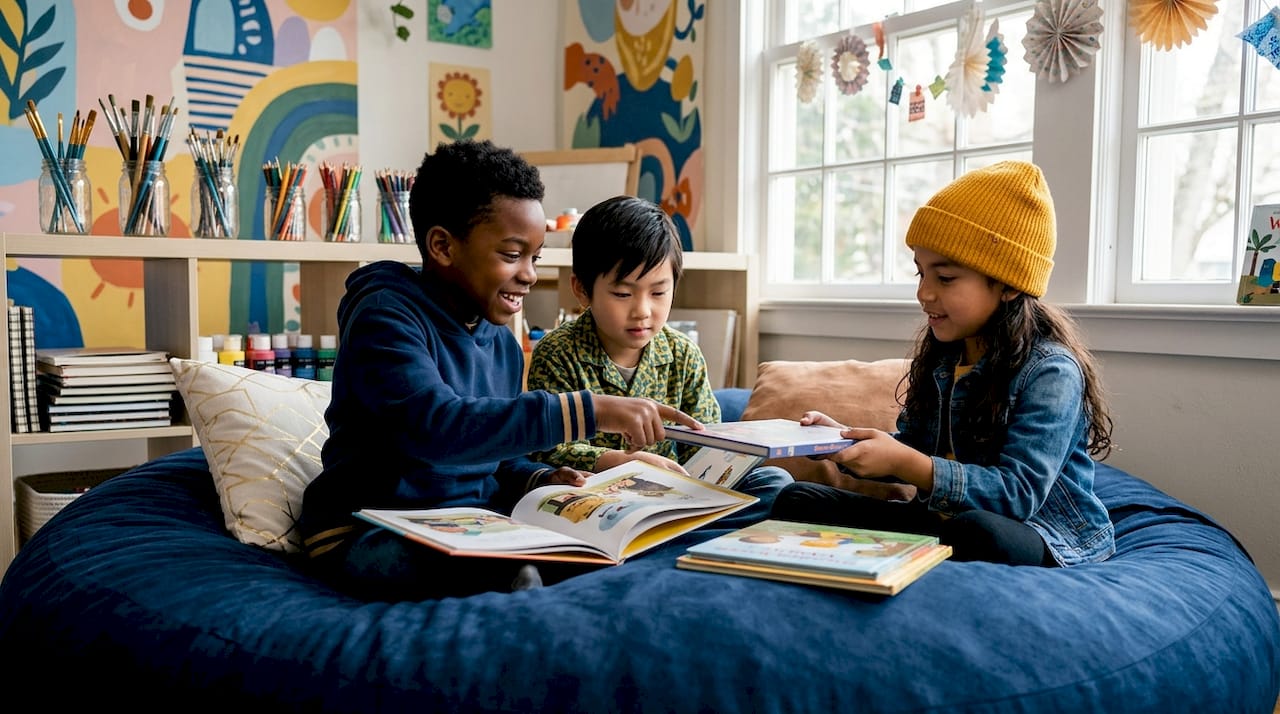
Last Stop on Market Street by Matt de la Peña follows a boy and his grandmother through their city neighborhood after church, exploring economic diversity and community service with genuine warmth. It won the Newbery Medal and the Caldecott Honor simultaneously, which almost never happens.
Eyes That Kiss in the Corners by Joanna Ho celebrates a young Asian girl noticing the shape of her eyes and connecting that beauty to her mother, grandmother, and sister. It is one of the most emotionally precise books about cultural identity written for this age group.
Fry Bread: A Native American Family Story by Kevin Noble Maillard is narrated in poetic fragments and teaches culture, history, and connection through the simple act of making fry bread together. The ALSC has repeatedly recognized books like this for combining poetic language with rich illustration to evoke genuine wonder.
These are not checkbox-diversity books. They are specific, personal, and beautifully made. That specificity is exactly what makes them stick.
5. Situational recommendations for different gifting needs
The best top gifts for 4-7 year olds depend on who the child is and what the gifting context demands. Here is how to match the book to the situation.
-
For the child who struggles with big feelings. Choose In My Heart or The Invisible String. Both give children language and imagery for emotions they already feel but cannot express. Emotional literacy books are particularly effective when the child has a trusted adult to read alongside them.
-
For the reluctant reader. Go for visual density and humor. Books with layered illustrations children can study on their own, even without reading every word, keep engagement alive. Last Stop on Market Street works well here because the illustrations reward slow looking.
-
For a classroom gift. Prioritize books that spark group discussion. Alma and How She Got Her Name generates genuine conversation about family and identity. Teachers often find it opens doors into sharing students had not felt comfortable initiating before.
-
For a budget-conscious gift giver. A single paperback with a personal note costs under $10 and still delivers significant value. Curated gift lists balance reading level and theme, and many top titles are available in affordable paperback formats without losing any of the story's power.
-
For a child who loves being read to. Choose books with strong read-aloud rhythm. Fry Bread and Eyes That Kiss in the Corners both have lyrical cadences that adults genuinely enjoy reading multiple times. That matters more than most people realize. Books adults do not mind re-reading get read more often.
-
For celebrating a milestone like kindergarten graduation. Look for books about transitions, identity, or belonging. Books emphasizing empathy and social contribution resonate especially well at moments when children are stepping into a new social context.
Pro Tip: When gifting age appropriate books for children, pair a picture book with a small art supply like crayons or watercolors. Invite the child to draw their favorite moment from the story. It extends the emotional experience and makes reading feel active.
What I have learned from years of watching children read
I have spent years immersed in children's picture books and the conversations they spark, both as a reader and as someone who thinks hard about how stories shape young identity. Here is what I keep coming back to: the books that actually change how children understand themselves and others are almost never the ones with the most obvious lesson printed on the back cover.
The books that work are the ones where a child looks up from the page and says, "That's me." Or equally powerful: "I didn't know anyone felt that way."
What I have noticed gift givers get wrong most often is prioritizing beauty over resonance. A gorgeous book with flat characters teaches a child nothing about their inner world. A simpler book with a protagonist who feels genuinely scared, genuinely proud, or genuinely confused, is worth ten prettier books.
My advice is to read for emotional specificity. Ask yourself: does this story give a child a feeling they can borrow? Does it let them try on an identity or an experience safely? If yes, you have found something worth giving. If the message is generic, keep looking.
— Derek
Find the perfect heartfelt picture book for your child
If you are ready to put this guide to work, the good news is that most of the titles featured here are easy to find and available for quick shipping.
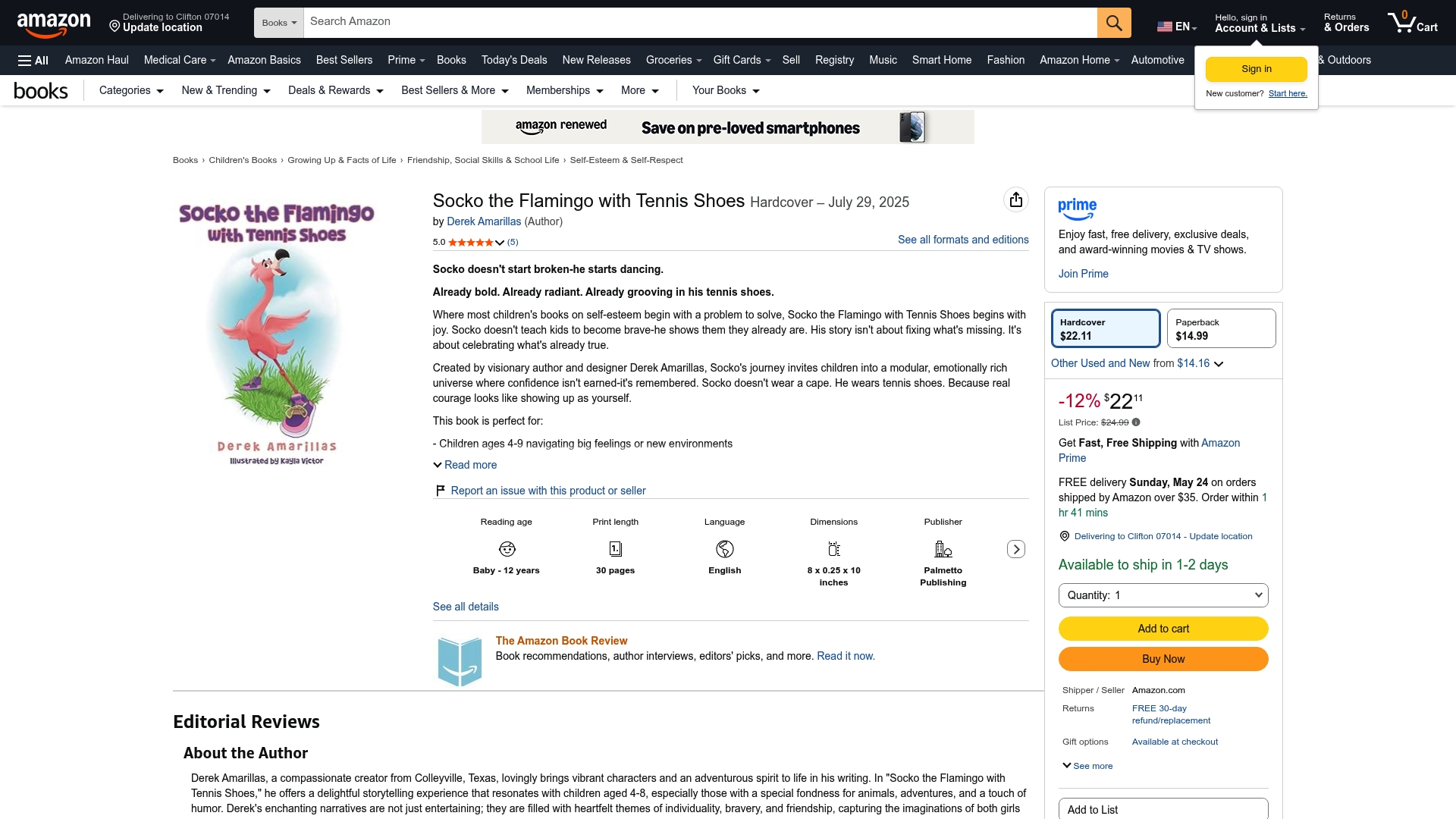
The character Socko the Flamingo with Tennis Shoes, brought to life by A, is built on exactly the philosophy this guide describes: that humor, imagination, and honest storytelling are the most powerful tools for teaching children about their feelings and their place in the world. Whether you are shopping for a birthday, a graduation, or simply because a child you love deserves a great book, browse the full selection on Amazon to find age-appropriate picture books that make genuinely meaningful gifts. From single paperbacks under $10 to deluxe hardcover editions, you will find options to fit any budget and any child. Fast delivery and easy gifting make the process as smooth as the stories themselves.
FAQ
What makes a picture book good for ages 4-7?
The best picture books for this age group combine expressive illustrations, short sentences designed for read-aloud, and emotionally specific characters. Engagement and visual richness are especially important for supporting rapidly developing skills in children ages 4-7.
Why do emotional literacy books make better gifts for young children?
Books that help children recognize and name feelings build empathy and social awareness that classroom instruction often cannot replicate. A well-chosen book gives children a private, safe space to process emotions alongside a relatable character.
How many picture books should I give as a gift?
One to three books is ideal. A single thoughtfully chosen book with a personal note often lands better than a large bundle, because it signals you chose it specifically for that child rather than filling a basket.
Are diverse picture books appropriate for all children, not just children of that background?
Absolutely. Research consistently shows that diverse books build belonging for children who see themselves represented, while also building empathy and curiosity in children from different backgrounds. Both benefits matter.
What is the ALSC notable books list and why does it matter for gift givers?
The ALSC Notable Children's Books list is an annual selection by the American Library Association's children's division, recognizing the year's most distinguished books for young readers. Titles on this list, including Hilwa's Gifts and The Jade Bracelet, have been vetted by librarians for quality, age-appropriateness, and meaningful content.