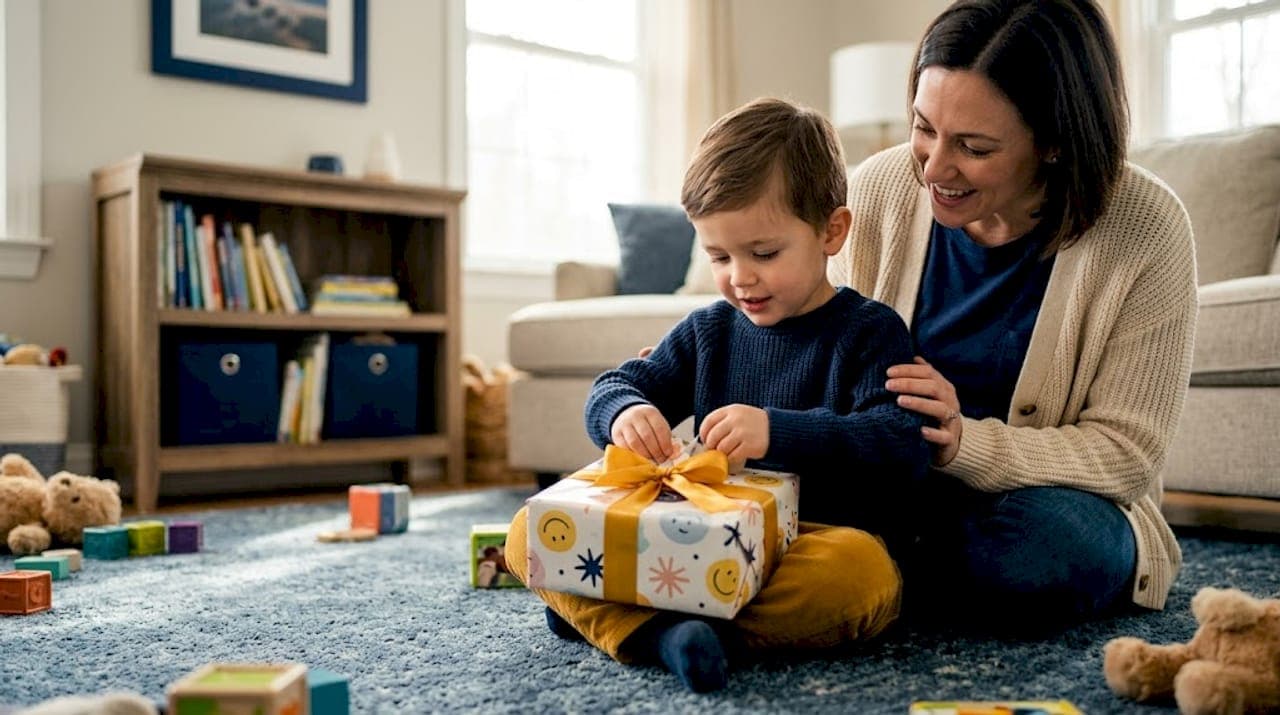
Most of us grew up thinking a great gift meant quantity, surprise, and the biggest reaction possible. But what is purposeful gift giving for children, really? It's the practice of choosing gifts that align with a child's emotional development, interests, and values rather than defaulting to whatever's trending in the toy aisle. For children ages 3 to 8, this distinction matters more than you might expect. The right gift at the right developmental moment can spark conversations about feelings, build self-acceptance, and strengthen the bond between child and giver in ways that a pile of forgotten toys never will.
Table of Contents
- Key takeaways
- How children experience gifts at ages 3 to 8
- What purposeful gift giving actually means
- Practical strategies for choosing gifts with purpose
- Nurturing genuine gratitude through gift receiving
- Common challenges and how to work through them
- My perspective: what changed when I stopped chasing the reaction
- Finding meaningful gifts that spark real conversations
- FAQ
Key takeaways
| Point | Details |
|---|---|
| Development shapes gratitude | Children under 5 focus on the gift itself; children 7 and older begin appreciating the giver's thoughtfulness. |
| Intent over impulse | Purposeful gifts target a child's emotional needs and interests, not giver convenience or trend cycles. |
| Wishlists reduce guesswork | Sharing a curated wishlist helps givers choose well and children practice distinguishing wants from needs. |
| Experiences count as gifts | Shared activities like museum visits and cooking sessions build emotional bonds more durably than objects. |
| Gratitude should be authentic | Forcing scripted thank-yous trains performance, not genuine appreciation. Model it instead. |
How children experience gifts at ages 3 to 8
Before you can give purposefully, you need to understand what a child's brain is actually doing when they unwrap a gift. The developmental picture here is more specific than most parents realize.
Research involving over 2,000 children across 6 countries found a consistent pattern: preschoolers exhibit what researchers call concrete gratitude, meaning their appreciation focuses almost entirely on the item itself. "I like it because it's blue" or "because it's a dinosaur" reflects the full extent of their gratitude processing. That is not selfishness. It is simply where their cognitive development sits.
Children approaching ages 7 and 8 begin to transition toward connective gratitude, where they start recognizing that someone chose this gift specifically for them. They can hold the giver's intention in mind and feel appreciation for the thought, not just the thing. That shift represents a significant emotional milestone and it does not happen on a fixed schedule.
Matching your expectations to developmental stage
Developmental experts recommend a staged approach: model appreciation for preschoolers rather than expecting them to produce it, offer limited choices for elementary-aged children, and gradually hand over more autonomy as kids grow. If you expect a four-year-old to write a heartfelt thank-you note, you are setting up a performance, not teaching gratitude.
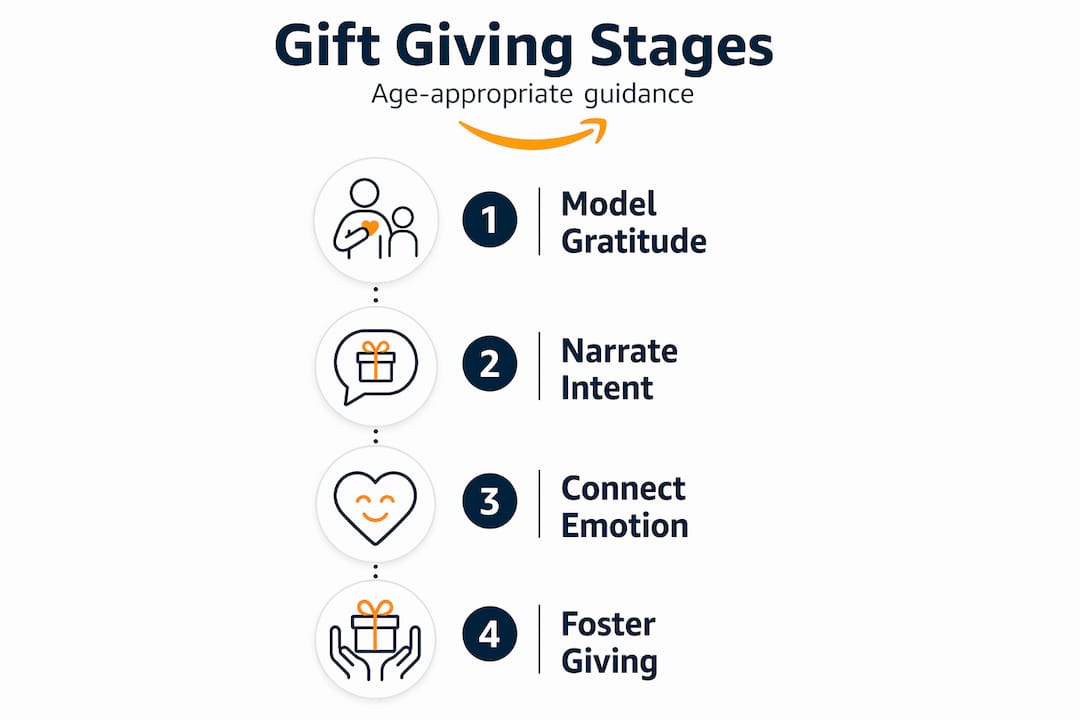
Pro Tip: Instead of prompting a child to say "thank you," try narrating the moment yourself: "I think Grandma picked that because she knows you love frogs." You model connective gratitude without scripting it.
The takeaway is straightforward. Align your gift expectations with what a child is developmentally capable of feeling, not what social norms expect them to perform.
What purposeful gift giving actually means
Intentional gift giving is not complicated, but it does require a deliberate shift in how you approach the process. A purposeful gift is chosen to nurture a specific value, emotional skill, or developmental need in the child. That might mean a book about big feelings for a child who struggles to name emotions. It might mean a creative kit for a kid who lights up when building things. It might even mean an experience rather than an object.
Here is how purposeful gifts compare to traditional gift choices:
| Traditional gift | Purposeful gift |
|---|---|
| Chosen for novelty or trend appeal | Chosen for alignment with child's interests and needs |
| Prioritizes giver's excitement | Prioritizes receiver's long-term engagement |
| Measured by reaction at unwrapping | Measured by how often the child returns to it |
| Often duplicates what child already has | Fills a genuine gap in play or learning |
Research consistently shows a mismatch between giver and receiver priorities: givers tend to optimize for the surprise moment while receivers care about long-term utility. Meaningful presents for children close that gap by starting with the child's world rather than the gift aisle.
Purposeful gifts for kids can take many forms:
- Books that address a feeling or life experience the child is currently navigating
- Open-ended toys like blocks, art supplies, or puppets that grow with the child
- Experience gifts such as a pottery class, a nature walk kit, or a cooking session together
- Items that reflect the child's cultural identity or sense of self
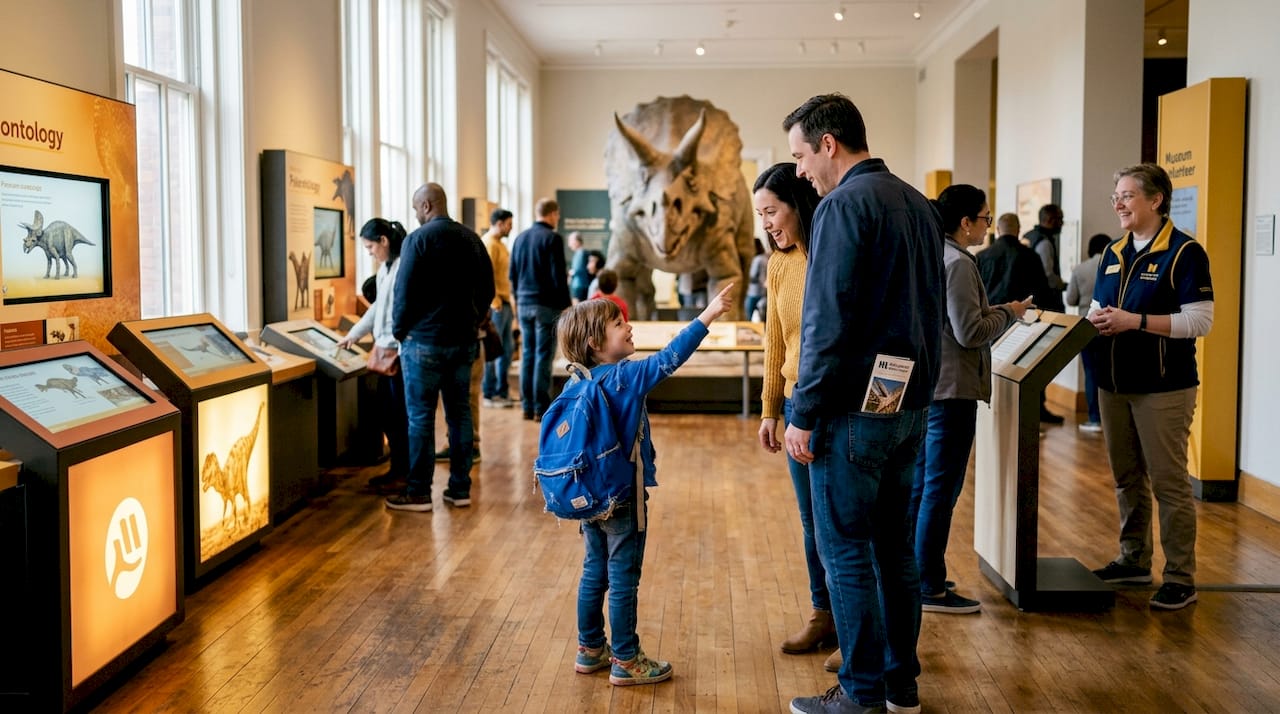
Shared experiences like museum visits, cooking projects, or simple walks together are among the most impactful gifts for young children, deepening emotional bonds in ways that physical objects rarely match.
Practical strategies for choosing gifts with purpose
Knowing what purposeful gifting is and actually putting it into practice are two different things. Here are six strategies that work across a range of family dynamics and gift-giving occasions.
-
Start with the child, not the store. Before you look at a single product, write down three things you know about this child right now. What are they interested in? What is hard for them emotionally? What do they talk about most? That list is your starting point.
-
Apply the want, need, wear, read framework with a twist. The classic four-gift rule works well as a structure. Adapt it by asking whether each item serves emotional development, not just category coverage. A "read" gift for a child working through social anxiety might be a picture book featuring a relatable character who learns belonging through humor and imagination.
-
Involve children in the giving side, not just the receiving. Young children learn giving through modeling, not instruction. Bring a 4-year-old shopping for a sibling's gift and narrate your thinking out loud. "I'm picking this because Mia loves animals." That is how empathy becomes practice, not theory.
-
Use wishlists as a teaching and coordination tool. Wishlists reduce guesswork and help children distinguish between fleeting wants and genuine preferences. Share curated lists with extended family to guide their choices without dictating them.
-
Balance tangible and experience-based gifts. Experiences do not have to be expensive. A handmade coupon for a morning at the children's museum, a Saturday baking project, or a dedicated afternoon doing whatever the child chooses all qualify. The gift is your focused, undivided attention.
-
Consider cultural relevance. Gifts that reflect a child's identity send a powerful message about belonging and self-acceptance. Culturally relevant art and decor for a child's room, for example, can become part of their daily environment rather than a toy they outgrow in two weeks.
Pro Tip: Before every gift-giving occasion, text the child's parent or caregiver one question: "What is your child really into right now, and what do you wish they had more of?" That single question yields better gifts than any toy catalog.
Nurturing genuine gratitude through gift receiving
Here is where a lot of well-intentioned gift giving breaks down. Adults want to see gratitude, so they script it. "Say thank you." "Tell Grandma you love it." The child delivers the line, the adult feels satisfied, and nothing real was communicated. Over time, children learn that gratitude is a social performance rather than a felt response.
To build authentic emotional literacy around gift receiving, focus on the story behind the gift rather than the reaction at unwrapping. When a child receives something, try language like this: "Aunt Rosa thought about what you love and chose this for you. That says something about how much she pays attention to you." That framing teaches connective gratitude naturally.
Handling disappointment is equally important. When a child receives a gift they do not love, the goal is not to suppress the disappointment but to hold it gently while redirecting toward the relationship.
"What matters more than whether you love the gift is that someone took time to think about you. That is the part worth saying thank you for."
Avoiding transactional gift dynamics means consistently redirecting attention to the giver's intent and the relationship, not the price tag or novelty of the item. Children who grow up hearing this framing develop genuine appreciation rather than a checklist mentality.
Teaching generosity as part of gift culture rounds out the practice. When children choose or help make gifts for others, they experience the emotional reward of giving. That experience builds empathy far more effectively than any lesson about manners.
Common challenges and how to work through them
Even parents fully committed to how to choose gifts for kids with purpose run into real-world friction. Here are the most common obstacles and practical ways to address each one.
-
Grandparents and relatives who buy in volume. This is the most frequent source of tension. The most effective approach is a proactive wishlist sent before any gift-giving occasion. Frame it positively: "We made a list of things she would genuinely love to help you find the perfect thing." Wishlists remove anxiety for givers and align purchases with what the child actually needs.
-
Holiday commercialism. Consumer culture makes children hungry for quantity. Counter this by building gift-giving traditions that focus on anticipation and meaning rather than volume. Wrapping one meaningful gift with care creates more lasting memory than twelve items torn open in ten minutes.
-
Siblings at different developmental stages. A 4-year-old and a 7-year-old experience gifts completely differently. Resist the urge to standardize. Each child deserves gifts matched to their current stage, even if that looks unequal to adult eyes.
-
Imperfect execution. Some gifts will miss. A child will be underwhelmed. A relative will buy something that contradicts your values. The goal of gift giving strategies for children is not perfection. It is a consistent direction that adds up over time.
My perspective: what changed when I stopped chasing the reaction
I used to think the best gift was the one that got the loudest reaction. I would spend days hunting for something surprising, something the child would not see coming. And the reaction was always great, for about fifteen minutes.
What I have learned since is that the reaction at unwrapping is the least reliable signal of a gift's quality. The books that sparked a hundred conversations, the art supplies that came out every single weekend, the cooking afternoon that became a ritual, none of those were the flashiest gifts. They were the most thoughtful ones.
Shifting to intentional gift giving felt awkward at first. It required slowing down and actually paying attention to the child in front of me. But watching children develop a richer vocabulary for their feelings, more comfort in their own identities, and a genuine interest in giving to others made the shift feel obvious in retrospect.
The hardest part is not the gift itself. It is resisting the pull of cultural expectation. You will have relatives who think a single book is stingy. Stay the course. The children in your life will remember what made them feel seen, not how many boxes were under the tree.
— Derek
Finding meaningful gifts that spark real conversations
If you are ready to put purposeful gifting into practice, the right starting point is a resource that speaks directly to young children's emotional worlds. Socko the Flamingo with Tennis Shoes from A is exactly that kind of gift: a picture book built around belonging, big feelings, and the humor kids actually respond to. Parents and educators consistently use it to open conversations that would otherwise be hard to start.
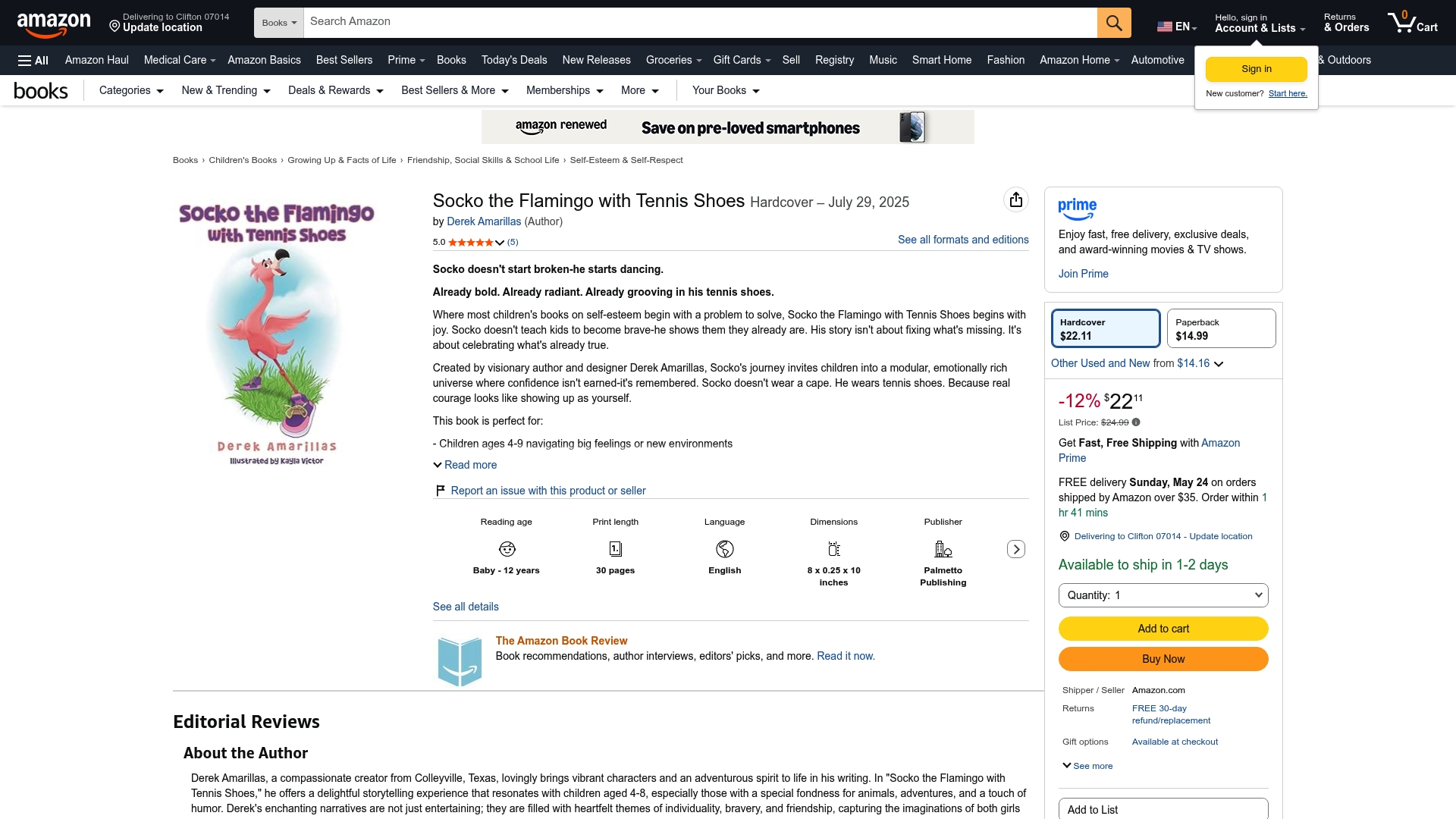
Whether you are shopping for a birthday, a classroom library, or a holiday, Socko the Flamingo gives children a character they can see themselves in while giving adults a natural way into conversations about identity and self-acceptance. Pair it with a shared reading ritual and you have both a tangible gift and an experience gift in one. That is purposeful gifting at its most practical.
FAQ
What is purposeful gift giving for children?
Purposeful gift giving means choosing gifts that align with a child's emotional development, interests, and values rather than selecting based on trend or surprise. The goal is a gift that nurtures growth, not just produces a reaction.
At what age do children understand the meaning behind a gift?
Research with over 2,000 children shows that children begin transitioning from item-focused gratitude to appreciation of the giver's intent around ages 7 to 8, though this varies by child.
Are experience gifts better than physical gifts for young children?
Prioritizing shared experiences over physical objects deepens emotional bonds and reduces consumer pressure, making experiences a highly effective form of meaningful presents for children.
How do I redirect family members who over-gift?
Send a proactive, positive wishlist before each gift-giving occasion. Research shows wishlists reduce giver anxiety and improve gift satisfaction for both parties without creating conflict.
Should I force my child to say thank you?
Developmental experts recommend modeling gratitude rather than scripting it. Narrate the giver's thoughtfulness out loud instead of prompting a performance, which teaches children authentic appreciation over time.