
Every gift-giving occasion for young children seems to end the same way: another plastic toy added to an already overflowing bin. If you want to shop unique gifts beyond toys this year, you are not alone. Parents, aunts, uncles, teachers, and family friends are increasingly searching for presents that do more than entertain for twenty minutes before collecting dust. The good news is that the most memorable gifts you can give a child aged 3 to 8 are not toys at all. They are experiences, creative tools, and stories that build emotional literacy, self-confidence, and a sense of belonging.
Table of Contents
- Key Takeaways
- Shop unique gifts beyond toys: why it matters
- What to consider before you buy
- How to find and choose the right non-toy gift
- Common mistakes to avoid
- Verifying the impact after you give
- My take on gifts that actually matter
- Find gifts that go beyond the toy box
- FAQ
Key Takeaways
| Point | Details |
|---|---|
| Non-toy gifts build real skills | Creative tools and storybooks support emotional literacy, fine motor development, and confidence in children ages 3-8. |
| Age alignment matters | Match gift complexity to the child's developmental stage to ensure genuine engagement rather than frustration. |
| Emotional value beats novelty | A gift that sparks conversation about feelings outlasts any battery-powered toy. |
| Personalization increases impact | Adding a child's name or a handwritten note transforms a good gift into a treasured one. |
| Sustained engagement wins | Reusable, open-ended gifts like drawing mats and workbooks offer repeated value without adding clutter. |
Shop unique gifts beyond toys: why it matters
The case for skipping traditional toys is stronger than most people realize. Typical plastic toys often target a single skill or a narrow play pattern, and children outgrow them fast. Non-toy options, by contrast, tend to grow with the child and open doors to emotional conversations that parents and caregivers genuinely need.
Here is what makes unconventional gift ideas so effective for this age group:
- Emotional vocabulary. Books and workbooks that name feelings give children the language to say "I feel disappointed" instead of melting down. Interactive emotional learning gifts empower kids to recognize, label, and manage emotions effectively, which is a skill that pays off for a lifetime.
- Fine motor development. Creative drawing tools build hand-eye coordination and concentration. These are the same muscles children use to write, button shirts, and manipulate classroom materials.
- Self-acceptance and confidence. Stories featuring characters who look different, feel different, or do not fit the standard mold teach children that belonging is not conditional. Self-confidence books use affirmations and approachable language to build kindness toward oneself in children as young as two.
- Problem-solving. Open-ended creative gifts encourage trial and error without a "right" answer, which builds resilience.
- Empathy. Books focusing on kindness build social-emotional skills and positive interpersonal behaviors that carry directly into classroom and playground relationships.
Pro Tip: When choosing creative gifts without toys, look for items that require a child to make a decision, express something, or try again. Those three elements are the signature of any gift with genuine developmental value.
What to consider before you buy
Choosing the right non-toy gift is less about finding something clever and more about matching a gift to the child in front of you. Use the table below as a quick decision guide before you purchase.
| Consideration | What to look for | Red flag |
|---|---|---|
| Age range | Clearly labeled 3-5 or 6-8 on packaging | Vague "ages 3+" with no upper limit |
| Durability | Wipe-clean surfaces, thick pages, non-toxic materials | Thin paper or small loose parts for kids under 5 |
| Emotional fit | Characters or themes matching child's current challenges | Generic content with no emotional throughline |
| Reusability | Open-ended use over months or years | Single-use or consumable items that run out fast |
| Parent involvement | Activities adults and children can do together | Gifts that completely isolate the child |
Age-appropriateness is the single biggest factor most gift-givers overlook. A beautifully illustrated workbook aimed at ages 6-9 will frustrate a four-year-old who cannot yet read independently. On the flip side, a board book designed for toddlers will bore a seven-year-old who is ready for chapter-length stories and multi-step activities.
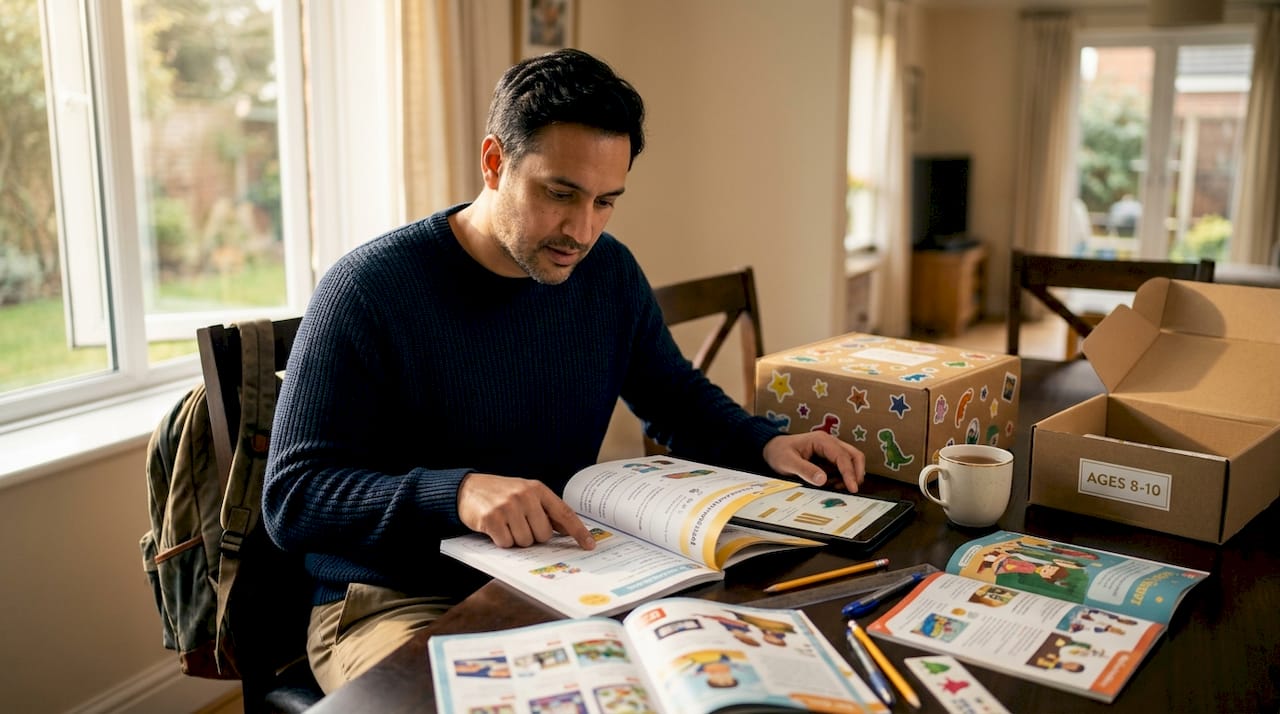
Safety matters too, especially for the lower end of this age range. For children ages 3 to 5, avoid gifts with small parts, sharp edges, or complex assembly. For ages 6 to 8, you can introduce workbooks with writing prompts, craft kits with more components, and storybooks with richer vocabulary. Matching complexity to readiness is what turns a thoughtful gift into one the child actually uses.
How to find and choose the right non-toy gift
Finding meaningful unique presents for kids does not require hours of searching if you know what categories to focus on. Here is a practical step-by-step approach.
-
Identify one emotional theme. Ask yourself: what is this child working through right now? Starting school, dealing with a new sibling, struggling with big feelings, or learning to make friends are all concrete starting points. Choosing a gift around one real emotional need is more powerful than picking something broadly "educational."
-
Search in the right categories. The best places where to find unique gifts for this age group include independent bookstores, Montessori specialty shops, and curated online stores focused on social-emotional learning. Magic water drawing mats are one standout example: sized at 100x80cm and fully reusable, they support children from early scribbles through complex drawings as skills develop, with zero mess.
-
Evaluate emotional and developmental value. Before you buy, ask two questions. First, will this gift encourage the child to express or explore something? Second, will it still be interesting in six months? A workbook like Feeling All the Feelings offers 100+ interactive emotional practices designed for ages 2 to 9, which means it grows with the child rather than aging out quickly.
-
Personalize the presentation. Personalized gifts for children do not have to cost more. Writing the child's name inside a book cover, tucking in a note that says "I picked this because I know you love drawing" or wrapping the gift with art supplies attached to the outside all add a layer of meaning that transforms a purchase into a memory.
-
Pair with a conversation starter. The best non-toy gifts come with a built-in invitation to talk. If you give a social-emotional storybook, include a sticky note with one question: "What would you do if you felt like the character on page 12?" That small addition turns a gift into a shared experience.
Pro Tip: Montessori-based creative tools encourage independent learning and concentration, which means the child does not need an adult present to get value from the gift. That makes them especially popular with busy parents and teachers.
Common mistakes to avoid
Even well-intentioned gift-givers fall into traps that undercut the whole effort. Watch out for these:
- Choosing novelty over substance. A gift that looks interesting on a store shelf but has no emotional or developmental content will be forgotten within a week. Novelty fades. Meaning sticks.
- Ignoring the child's current interests. A workbook about ocean animals lands differently with a child who loves the sea versus one who has never expressed interest in it. Emotional resonance starts with relevance.
- Overloading with components. A gift kit with fifteen pieces, three instruction booklets, and an app download creates friction before the child even starts. Simpler is almost always better for ages 3 to 8.
- Skipping the developmental stage check. Creative mats and workbooks offer long-lasting use, but only when matched to the right age. A gift that is too advanced will sit on a shelf collecting dust, which is exactly the outcome you were trying to avoid.
- Focusing only on the child, not the caregiver. The best non-toy gift options create a bridge between child and adult. If the parent or caregiver has no idea how to use the gift or what to do with it, the child loses half the value.
Verifying the impact after you give
Giving the gift is step one. Seeing whether it actually works is step two, and most gift-givers skip it entirely.
| Signs the gift is working | Signs the gift needs support |
|---|---|
| Child returns to it independently | Gift sits untouched after the first day |
| Child talks about it with adults | Child seems confused or frustrated by content |
| Child uses new emotional vocabulary | No change in communication patterns |
| Parent reports ongoing engagement | Parent has not mentioned it since the occasion |
The most practical thing you can do is follow up with the child's parent or caregiver two to three weeks after the gift. A simple "has she been using the drawing mat?" or "did he connect with that storybook?" tells you everything. If the gift is not landing, a caregiver can often make one small adjustment, like sitting down with the child for one session, that completely changes the outcome.
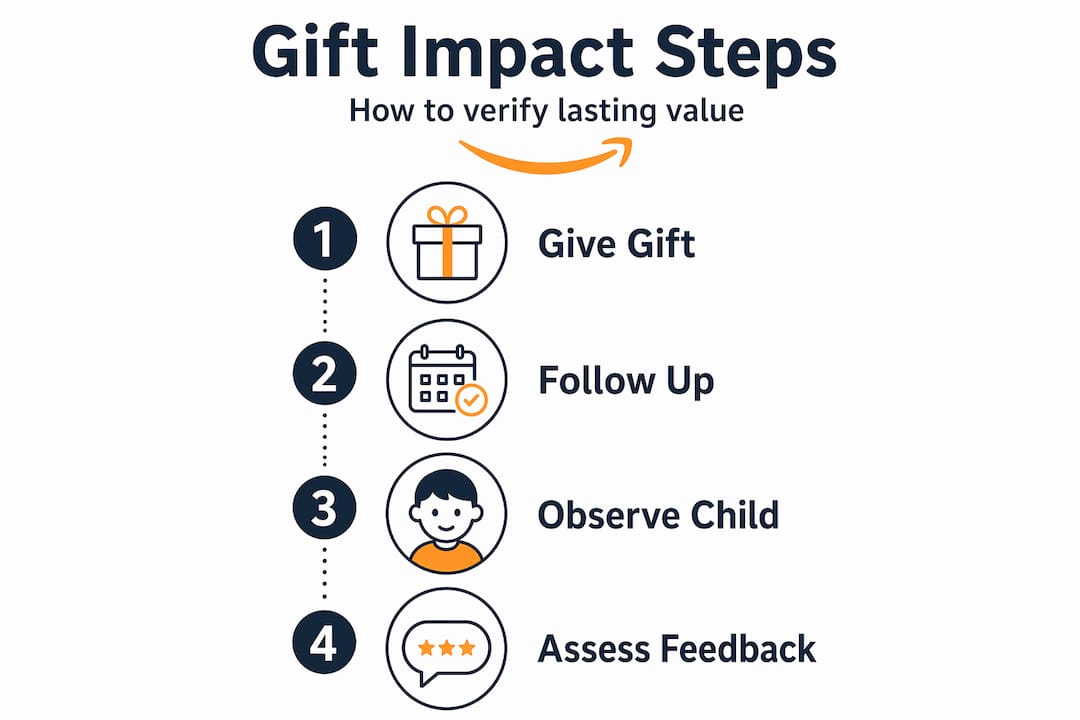
Observing the child directly, if you have regular contact, is even better. Watch whether they bring emotional language into regular conversation. Notice whether they reach for the workbook or the drawing mat on their own. Those small moments of independent engagement are the proof that a gift has become genuinely meaningful.
My take on gifts that actually matter
I've watched a lot of children tear open gifts and move on within minutes. The ones that stuck, the ones children came back to days and weeks later, were almost never the loudest or flashiest items in the pile.
What I've learned is this: children between 3 and 8 are not just looking for something to do. They are looking for something that tells them who they are and that who they are is okay. A picture book featuring a character who feels out of place but finds belonging anyway does more for a child's sense of self than most parents expect. I've seen shy kids carry those books around like a talisman.
The uncomfortable truth about conventional toy gifting is that it often treats childhood as a performance. Give the child something big and exciting and watch them react. Meaningful gifts do the opposite. They create quiet, which is where real emotional growth happens.
My personal advice: pick one gift that speaks to something true about the child. Not what they are currently obsessed with, but what they are working through. That takes thirty seconds of honest thought and produces a gift the child will remember for years. That is a better return than any toy at any price point.
— Derek
Find gifts that go beyond the toy box
If you are ready to move past generic gift lists and find something genuinely worth giving, A has exactly what you are looking for. The world of Socko the Flamingo with Tennis Shoes was built on the belief that children deserve stories and tools that take their feelings seriously.
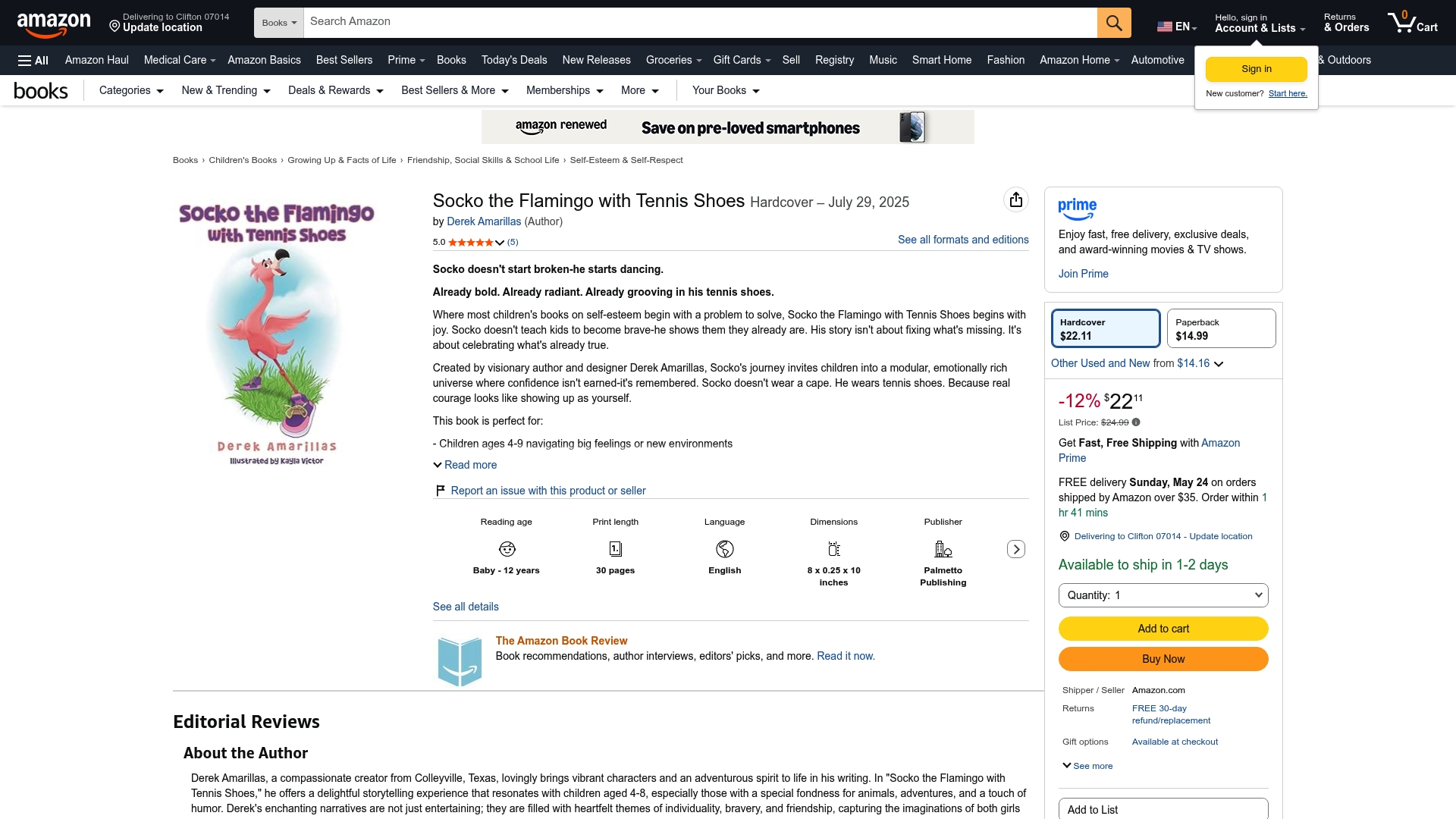
Whether you are shopping for a birthday, a holiday, or just because, A offers picture books and resources designed to spark real conversations about big feelings, belonging, and self-acceptance for children ages 3 to 8. These are not books that sit on a shelf. They are the kind of emotionally meaningful gifts that parents thank you for months later. Browse the full collection and find the right gift for the child in your life.
FAQ
What are the best non-toy gifts for kids ages 3-8?
The most effective non-toy gift options include social-emotional storybooks, reusable creative drawing mats, and emotional intelligence workbooks. These gifts build skills like emotional vocabulary, fine motor coordination, and self-confidence while staying engaging over time.
Where can I find unique gifts that support emotional development?
Independent bookstores, Montessori specialty shops, and curated online stores focused on social-emotional learning are the best places to find unique gifts for young children. Look for items specifically labeled for emotional literacy or character development.
How do I know if a gift is age-appropriate for a 3 to 8-year-old?
Check the publisher or manufacturer's recommended age range and look at the complexity of the content. A gift that requires reading independence is better for ages 6 to 8, while picture books with short text and reusable art tools work well for ages 3 to 5.
Can personalized gifts for children make a difference?
Yes. Adding a child's name, a handwritten note explaining why you chose the gift, or a personal conversation starter dramatically increases how meaningful and memorable a gift becomes. Personalization signals that the gift was chosen specifically for that child.
Do creative gifts without toys really reduce clutter?
They do. Reusable creative tools and workbooks offer repeated interaction without accumulating the physical clutter that comes with most plastic toys, making them a practical choice for families with limited space.