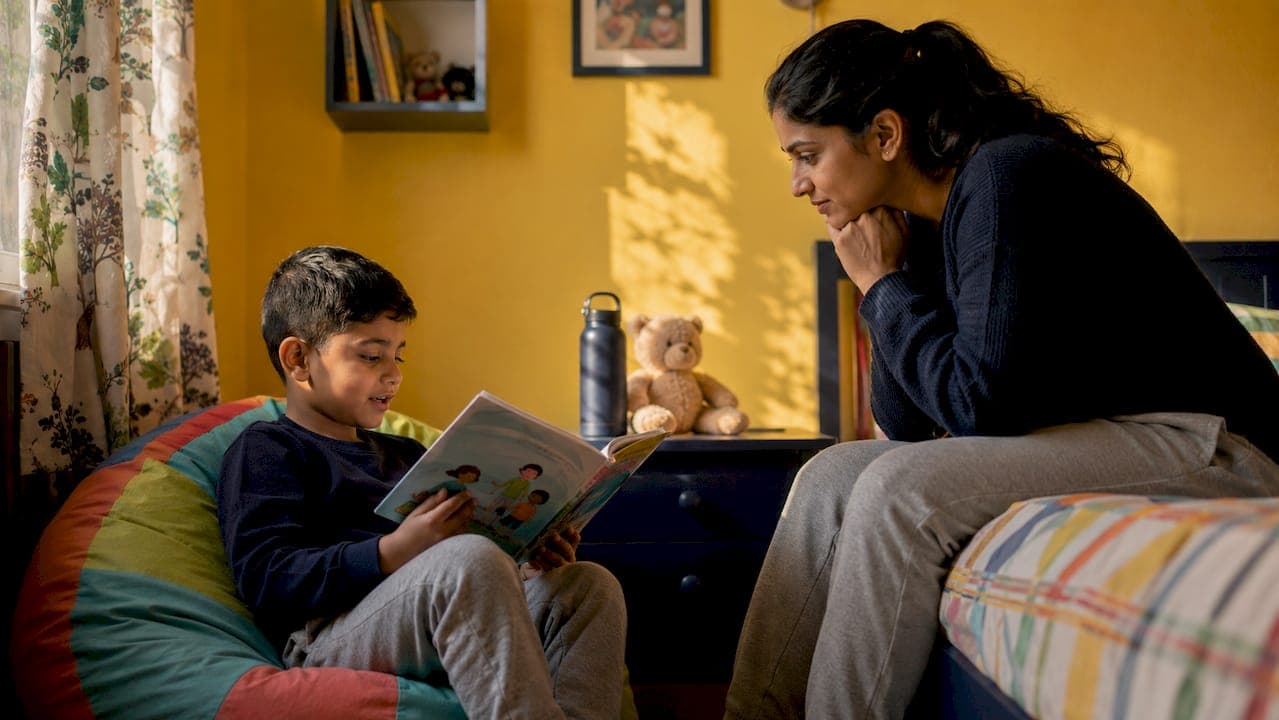
Bibliotherapy is the practice of using books as a therapeutic tool to help children understand, process, and manage social anxiety. Reading specific, well-chosen books with structured engagement gives children a private space to explore big feelings before facing real social situations. CBT-based bibliotherapy can produce clinically significant symptom reduction for mild-to-moderate social anxiety, with effects comparable to brief therapist-guided interventions. When parents and educators know how to use books reduce social anxiety in children, reading becomes far more than a quiet activity. It becomes a confidence-building practice with real, measurable results.
What kinds of books work best to reduce social anxiety in children?
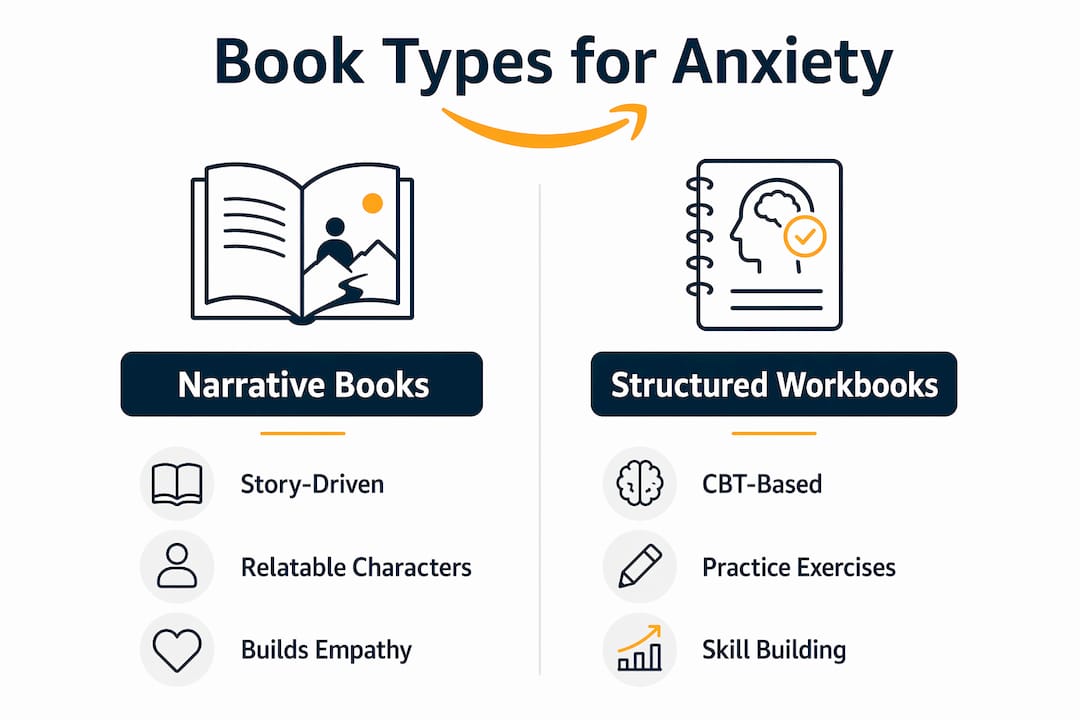
Not all children's books deliver the same results. A picture book that simply shows a shy character making friends is a passive experience. A structured workbook or narrative story that teaches children to name their feelings, track their worries, and practice small social steps is an active one. The difference matters enormously.
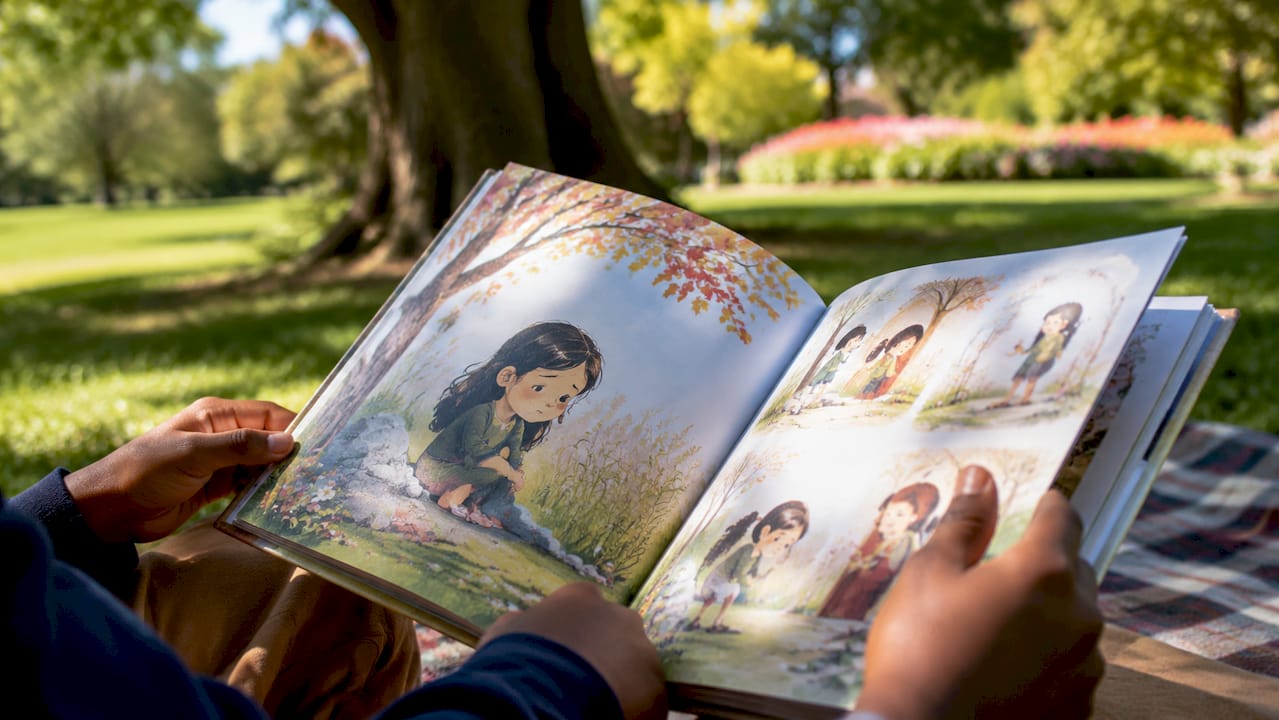
Passive storybooks vs. structured workbooks
Passive storybooks normalize anxiety and build empathy. They show children that other kids feel nervous too, which reduces shame. Books like these work best as entry points, not as the primary tool. Structured workbooks adapted for children go further. They embed CBT-based exercises directly into the reading experience, asking children to write, draw, or practice between pages. That active engagement is what drives behavioral change.
Why sequencing matters
Sequencing self-help material reduces overwhelm by explaining how anxiety works before asking a child to practice anything. A book that jumps straight into exposure exercises without first explaining why the body feels scared can feel threatening rather than helpful. The best children's anxiety books introduce concepts like "worry thoughts" and "body signals" in the first chapters, then build toward practice activities. That order primes a child's understanding before asking for effort.
Comparison of children's book types for social anxiety
| Book type | Key features | Best for |
|---|---|---|
| Narrative picture books | Story-driven, relatable characters, minimal exercises | Ages 4–8, first introduction to anxiety concepts |
| CBT-based workbooks for kids | Structured exercises, journaling prompts, thought tracking | Ages 7–12, active skill building |
| Social skills story collections | Scenario-based, models social behavior step by step | Ages 5–10, specific social situations like making friends |
| Interactive guided journals | Child-led reflection, drawing, and writing activities | Ages 8–12, building self-awareness over time |
The most effective approach combines at least two types. Start with a narrative picture book to open the conversation, then move to a workbook for structured practice.
How to use children's books to actively reduce social anxiety
Using books as a tool for anxiety reduction requires a consistent, structured approach. Passive reading alone is not enough. Effective bibliotherapy requires active engagement including tracking triggers and working through exposure exercises, often over several months of consistent practice.
-
Create a calm reading space (5 minutes). Choose a quiet, comfortable spot free from screens and distractions. Consistency in location helps children associate the space with safety and focus. This small ritual signals that what follows is different from regular reading.
-
Introduce the book concept before opening it (5–10 minutes). Tell the child what the book is about in plain language. Say something like, "This book is about a kid who gets nervous around new people, just like you sometimes do. We're going to read it together and try some of the ideas." Framing matters. Children engage more when they feel invited rather than assigned.
-
Read one section at a time, then pause (15–20 minutes). Do not read an entire book in one sitting. Read a chapter or a few pages, then stop and talk. Ask open questions: "Does that ever happen to you?" or "What do you think the character was feeling?" This keeps the child active rather than passive.
-
Complete the exercises together (10–15 minutes). Workbook activities like journaling, drawing worry monsters, or listing three things that make them nervous work best when a caregiver participates too. Children are more willing to try something new when they see an adult doing it alongside them.
-
Track small wins over time (5 minutes, daily). Early cognitive shifts in anxiety awareness often appear within weeks of consistent workbook use. Keep a simple chart or sticker board to mark days the child completed a reading or exercise. Visible progress builds motivation.
-
Connect book concepts to real situations (ongoing). When a child faces a social moment that week, refer back to the book. "Remember what the character did when she felt nervous at the party? What could you try?" This transfers learning from the page to real life.
Pro Tip: Daily practice does not need to be long. Exercises of just a few minutes each day produce gradual behavioral change more reliably than one long weekly session. Aim for five to ten minutes of book-related activity every day rather than an hour on weekends.
Common challenges when using books to reduce social anxiety in children
Even the best book will hit resistance. Knowing what to expect helps caregivers stay consistent rather than giving up when progress stalls.
-
The child refuses to engage. This is common and normal. Do not force it. Try reading the book yourself in front of the child without asking them to join. Curiosity often wins. Alternatively, let the child choose which activity from the workbook to try first. Giving control reduces resistance.
-
The content triggers distress. Reading about anxiety can sometimes amplify it. Set clear stop-reading boundaries before you begin. Tell the child, "If this ever feels too big, we stop and do something calm." Follow through every time. Trust is the foundation of this practice.
-
Progress feels invisible. Behavioral change is non-linear. Awareness of anxiety thoughts shifts within weeks, but behavioral change takes months and includes plateaus and setbacks. Celebrate noticing, not just doing. A child who says "I felt nervous but I knew why" has made real progress.
-
The child outpaces the book. Some children move through concepts quickly and need more challenge. Move to a more advanced workbook or introduce role-playing scenarios that go beyond what the book covers.
"Books are supplementation tools, not a standalone substitute for professional mental health treatment. For children with severe social anxiety, a book is a bridge, not a destination." (source)
When anxiety significantly limits a child's daily life, school attendance, or friendships, a licensed child therapist or school counselor should be involved. Books work best for mild-to-moderate social anxiety and pair well with professional support in more serious cases.
How reading builds social skills and confidence safely
Reading gives children something that direct social exposure cannot: a consequence-free environment to rehearse emotions and social scenarios. A child who reads about a character navigating a first day of school processes the emotional experience without the physical stakes. That psychological distance is not avoidance. It is preparation.
Self-esteem acts as the critical mediating factor between reading habits and reduced social anxiety in adolescents, accounting for approximately two-thirds of the total effect. This means books reduce anxiety largely by building a child's belief in themselves. Every time a child reads about a character who felt scared and managed anyway, that story becomes a small piece of their own self-concept.
Reading also works because it processes complex emotions safely, allowing gradual social skill development without triggering defensive responses. A child who feels put on the spot in a classroom discussion shuts down. A child who reads about that same situation in a book stays open. The book does not demand performance. It invites reflection.
This is why characters like Socko the Flamingo, created by A, resonate so deeply with anxious children. Socko is different, visibly so, and he navigates belonging and self-acceptance through humor rather than perfection. Children who see themselves in Socko learn that being different does not disqualify them from connection. That is not a small lesson. It is the foundation of social confidence.
Pro Tip: After reading a scene where a character handles a social challenge, ask the child to act it out with you. Brief, low-stakes role-playing at home prepares children for real social engagement by rehearsing responses before the pressure of a real situation arrives.
Key takeaways
Using books to reduce social anxiety in children works best when structured engagement, consistent daily practice, and caregiver involvement replace passive reading.
| Point | Details |
|---|---|
| Choose the right book type | Combine narrative picture books with CBT-based workbooks for the strongest results. |
| Sequence concepts before exercises | Introduce how anxiety works before asking children to practice coping skills. |
| Practice daily in short sessions | A few minutes of consistent daily engagement outperforms infrequent long sessions. |
| Set emotional boundaries early | Establish stop-reading rules before starting to prevent distress from escalating. |
| Books supplement, not replace, therapy | For severe social anxiety, pair book-based strategies with professional support. |
What I've learned from watching children engage with anxiety books
The most common mistake I see caregivers make is treating the book as the intervention. They hand a child a workbook, check in a week later, and wonder why nothing changed. Books do not work that way. The book is the map. The caregiver is the guide.
What actually moves the needle is the conversation that happens around the book. A child who reads about a worry monster and then hears a parent say, "I had a worry like that once too," experiences something far more powerful than any exercise on the page. That moment of shared vulnerability is where the real work happens.
I also think caregivers underestimate how much patience this process requires. Progress is quiet and slow. A child who used to refuse birthday parties and now walks in the door, even if they stand near the wall for twenty minutes, has made enormous progress. The book helped them build that. But the caregiver who kept showing up, kept reading, kept asking questions, made it possible.
One more thing: do not skip the funny books. Humor is not a distraction from anxiety work. It is one of the most effective tools for it. A child who laughs at a flamingo in tennis shoes navigating an awkward social moment has just processed social fear without realizing it. That is bibliotherapy at its best.
— Derek
Start building your child's reading toolkit today
A curates books that help children explore big feelings, build belonging, and practice self-acceptance through stories that make them laugh and think. Socko the Flamingo with Tennis Shoes is exactly the kind of character that opens the door to conversations about social anxiety without making a child feel labeled or broken.
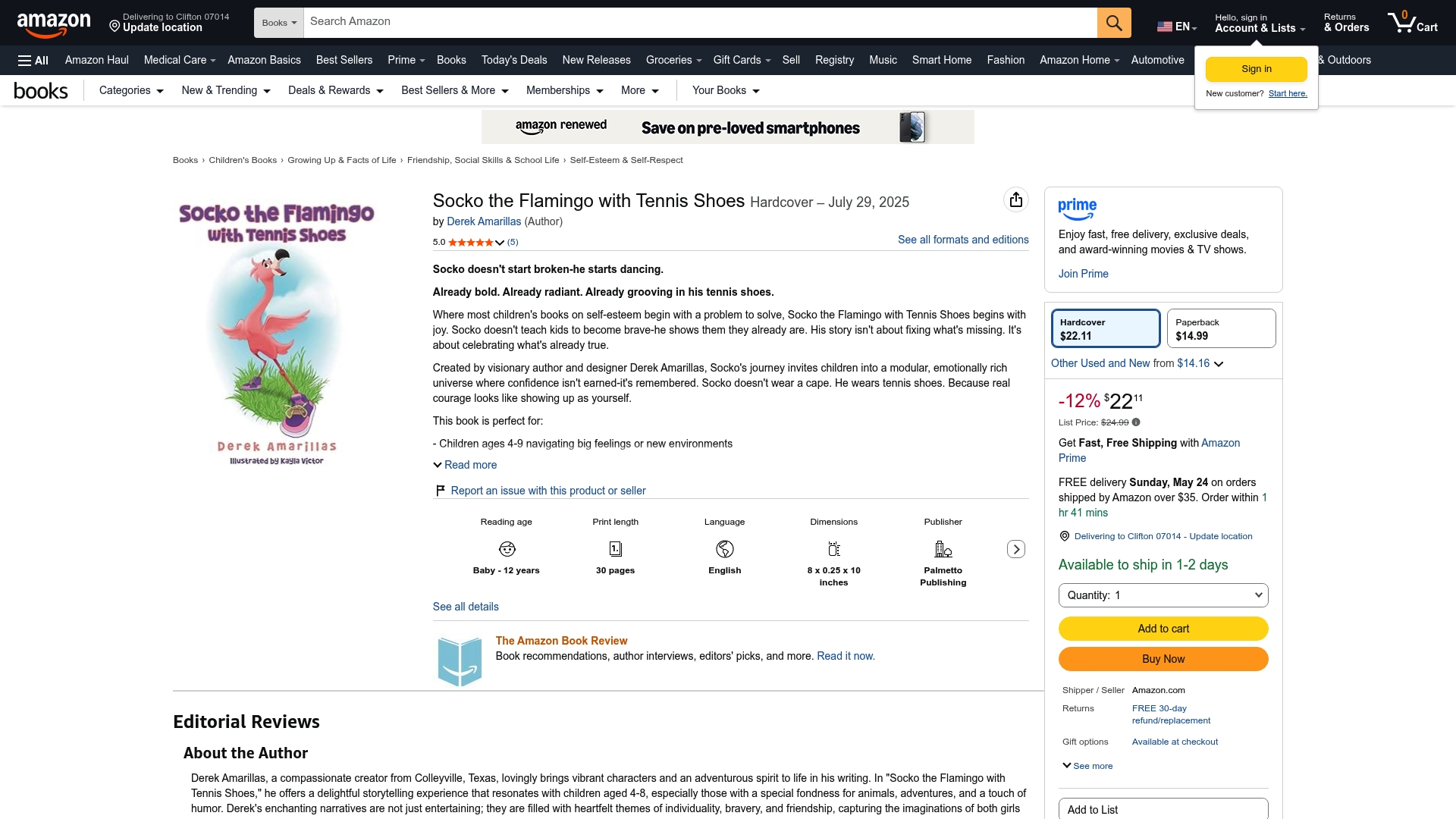
Parents, teachers, and librarians can find a wide selection of children's anxiety books and social skills workbooks designed to support this kind of structured, caring approach. Browse options that include caregiver reviews and age-range guidance to find the right fit for your child. When books are chosen well and used consistently, they become one of the most accessible and effective tools in a child's emotional toolkit.
FAQ
What is bibliotherapy for children's social anxiety?
Bibliotherapy is the use of books as a structured tool to help children understand and manage social anxiety. It works best when combined with guided exercises, caregiver involvement, and consistent daily practice rather than passive reading alone.
How long does it take for books to reduce social anxiety in children?
Awareness of anxiety thoughts often shifts within weeks of consistent workbook use. Behavioral change takes longer, typically several months, and progress is non-linear with expected plateaus along the way.
What age is best for using books to address social anxiety?
Picture books work well for children ages 4–8 as a first introduction to anxiety concepts. CBT-based workbooks and interactive journals are most effective for children ages 7–12 who can engage with writing and reflection activities.
Can books replace therapy for a child with social anxiety?
Books are not a substitute for professional mental health treatment, especially for severe social anxiety. They work best as a supplement to therapy or as a first tool for mild-to-moderate anxiety in children.
How do I choose the right book for my child's social anxiety?
Start with a narrative picture book featuring a relatable character, then add a structured workbook that includes exercises like journaling and thought tracking. Match the book's age range and reading level to your child's comfort zone.