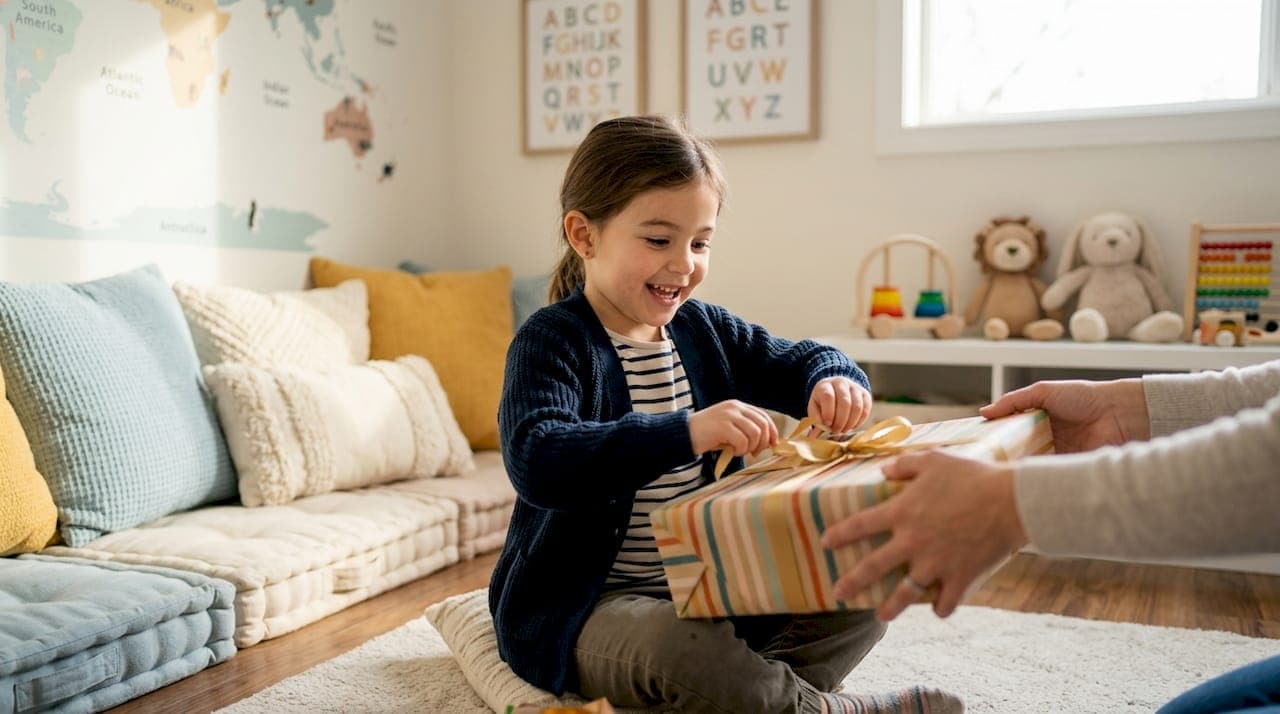
A thoughtful children's gift is a present chosen with genuine attention to the child's feelings, developmental stage, and unique personality rather than price or trendiness. The why behind the gift matters more than the price tag. When you choose a gift that reflects who a child actually is right now, including their interests, emotional needs, and current moment, you create something far more powerful than any toy trend can deliver. For children aged 3 to 8, this kind of intentional gifting directly supports emotional literacy and self-acceptance. Brands like A, whose character Socko the Flamingo with Tennis Shoes teaches belonging and big feelings through humor, understand this principle at their core.
What does a thoughtful children's gift mean in practice?
A thoughtful children's gift is defined by the alignment between the gift, the child, and the moment. The alignment of gift and person is the single most important factor in meaningful gifting. Price, brand recognition, and trending status are secondary considerations at best.
Four core principles define what makes a gift thoughtful for young children:
- Personal fit: The gift reflects the child's actual interests, not what you assume a child their age should like. A 4-year-old obsessed with birds deserves something different from a 4-year-old who loves building blocks.
- Emotional context: The gift acknowledges where the child is emotionally. A child working through shyness benefits from a gift that gently celebrates individuality, like a picture book featuring a character who stands out and belongs anyway.
- Developmental appropriateness: Gifts for children aged 3 to 8 should support safety, independent play, and milestone achievement based on CDC and American Academy of Pediatrics guidance.
- Mindful intent: Mindful gifting means caring for the recipient, yourself, and the broader environment, with greater intentionality before, during, and after the gift is given.
Respecting the child's boundaries matters too. A gift that pressures a child to perform gratitude or feel obligated misses the point entirely. The goal is to make the child feel seen, not indebted.
Pro Tip: Before buying, ask yourself one question: "Does this gift reflect who this specific child is right now?" If you can't answer yes with confidence, keep looking.
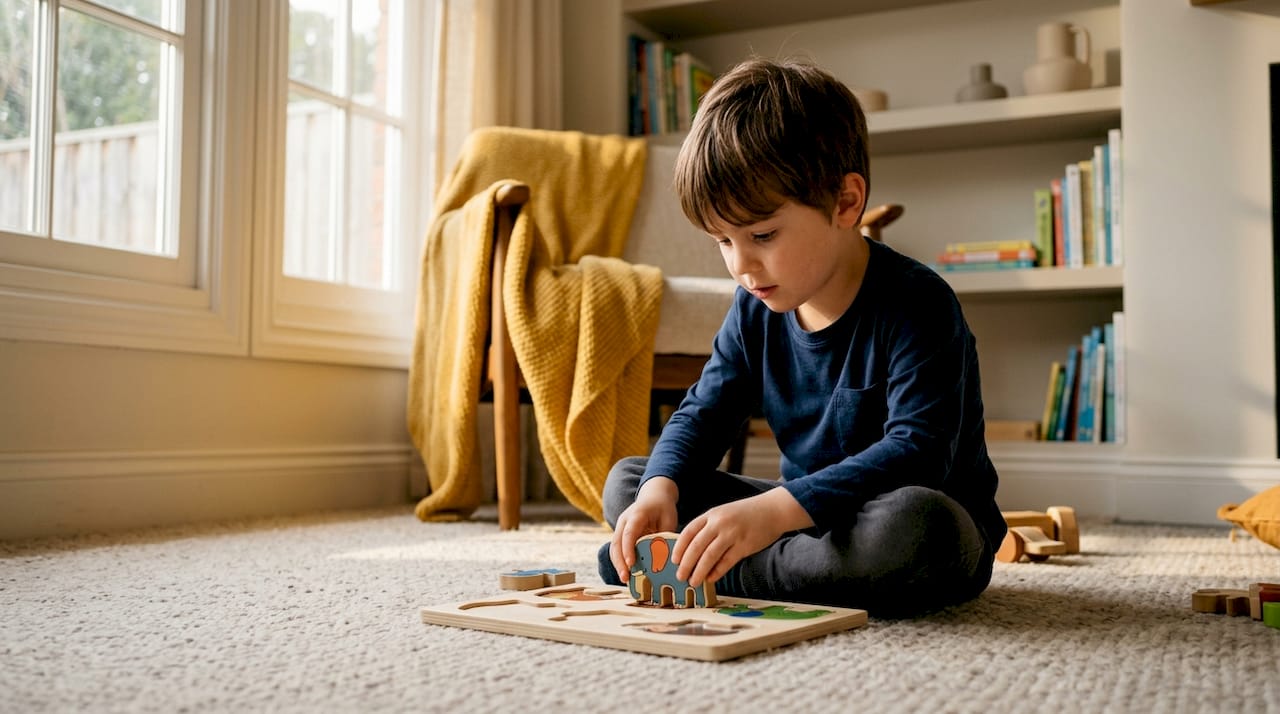
How thoughtful gifts promote emotional literacy in children aged 3 to 8
Thoughtful gifts create emotional safety and feelings of belonging that children remember long after the object itself is forgotten. The thought behind the gift triggers these emotions, not the item's material value. For children in the 3 to 8 age range, this is especially significant because these years are when emotional vocabulary and self-concept are actively forming.
Here is how well-chosen gifts build emotional skills in young children:
- They name feelings. A picture book like A's Socko the Flamingo with Tennis Shoes gives children language for emotions like feeling different, wanting to belong, or finding courage. Children who can name a feeling can begin to manage it.
- They model self-acceptance. Gifts featuring characters who look, act, or feel different from the norm show children that their own quirks are worth celebrating, not hiding.
- They encourage expression. Art kits, journals designed for young children, and open-ended toys invite kids to externalize their inner world, which is a core component of emotional literacy.
- They build confidence through competence. Gifts that are easy to start using and provide immediate success experiences support independent play and reinforce a child's belief in their own abilities.
- They open conversations. A gift paired with a brief note or story gives caregivers a natural entry point for talking about big feelings. Cottonwood Psychology notes that a card or message aids interpretation and deepens the emotional connection between giver and child.
The difference between a toy that entertains and a gift that teaches is intention. When you choose a gift specifically because it will help a child feel understood or capable, you are practicing emotional gifting at its most effective.
Common pitfalls when choosing gifts for young children
The most frequent gifting mistake is buying what is popular rather than what is personal. Overemphasis on trends or price leads to gifts that miss the child's true interests or developmental stage entirely. Mindful gifting research from the University of Stirling confirms that slowing down and genuinely understanding the receiver is the antidote to this pattern.
Watch out for these specific pitfalls:
- Age-inappropriate gifts: A complex board game bought for a 4-year-old because it looks educational will sit unused. Match the gift to where the child actually is developmentally, not where you hope they are.
- Ignoring the child's identity: Buying a generic "girl gift" or "boy gift" based on gender assumptions rather than the child's known interests signals that you see the category, not the person.
- Chasing the "perfect" gift: The pressure to find something spectacular often leads to overthinking and last-minute purchases that feel impersonal. A simple, well-chosen book beats an elaborate gift chosen in panic.
- Skipping the emotional context: A gift given without any acknowledgment of why it was chosen loses half its meaning. The child receives an object, not a message.
Pro Tip: If you are stuck, ask the child's parent or caregiver one specific question: "What has your child been talking about or struggling with lately?" The answer will point you directly toward a gift with real meaning.
Gifts that reduce daily friction or meet repeated needs feel more supportive and emotionally valued by both children and caregivers. A gift that fits naturally into a child's daily life creates what Cottonwood Psychology calls emotional "stickiness." It becomes part of the child's world rather than a temporary distraction.
Practical tips for selecting and presenting thoughtful gifts
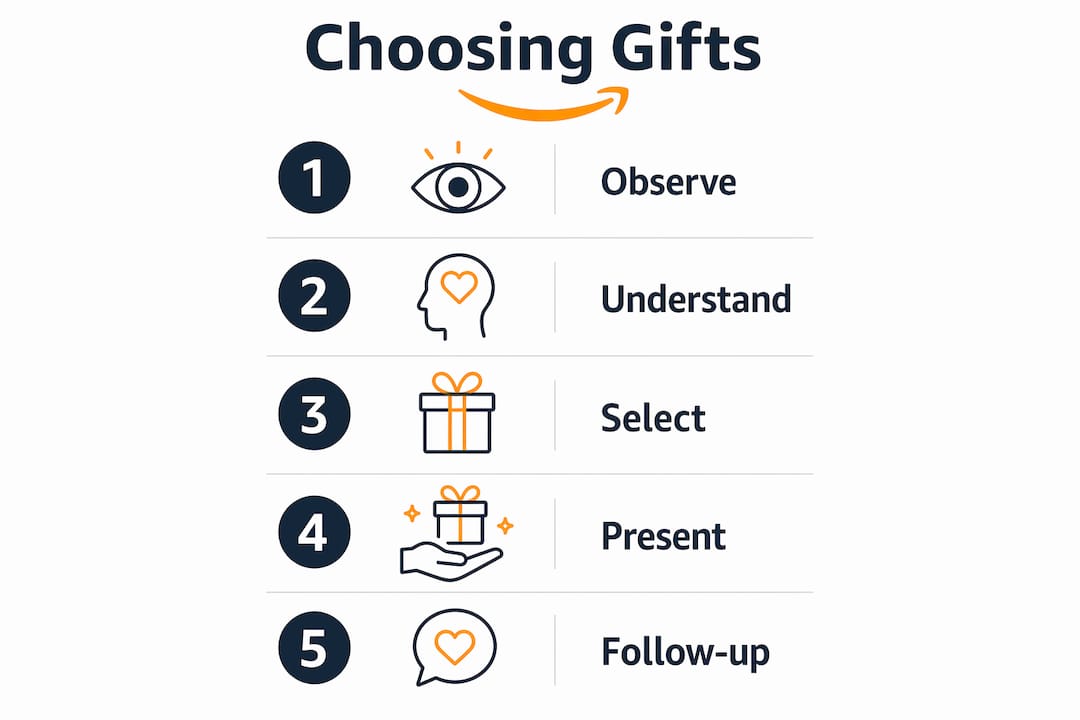
Choosing a thoughtful present for a child starts with observation, not shopping. Listen to how the child talks about their day, what characters they mention, what frustrates them, and what makes them light up. That information is more valuable than any gift guide.
The table below compares two approaches to children's gift selection so you can see the difference in practice:
| Approach | What it looks like | Likely outcome |
|---|---|---|
| Trend-driven gifting | Buys the most popular toy of the season regardless of the child's interests | Child plays with it briefly, then loses interest |
| Thoughtful gifting | Selects a book or toy that reflects the child's current emotional world or interests | Child returns to it repeatedly and connects it to their identity |
| Generic gifting | Chooses a gift card or age-generic toy with no personal context | Child feels acknowledged but not truly seen |
| Intentional gifting | Pairs a developmentally appropriate gift with a note explaining why it was chosen | Child feels understood; caregiver has a conversation starter |
Parents report that books, mess-free art kits, and developmentally supportive toys are among the most appreciated gifts for preschool-aged children. These gifts work because they enable independent play and match personal interests simultaneously.
Presentation amplifies the gift's message. A simple handwritten card explaining "I chose this for you because I know you love flamingos and I want you to know it's great to be different" transforms a picture book into a personal statement. Cottonwood Psychology's research confirms that connecting the gift's purpose with a brief note reduces the chance of the gift being misunderstood and heightens the child's sense of being supported.
Follow up after the gift is given. A gentle check-in, such as asking "Did you read that book yet? What did you think of Socko?" keeps the emotional connection alive and shows the child that the gift was not a transaction but a genuine act of care.
Key takeaways
Thoughtful children's gifts work because they align with the child's identity, emotional needs, and developmental stage, not with price or popularity.
| Point | Details |
|---|---|
| Definition of thoughtful gifting | A gift is thoughtful when it reflects the child's feelings, interests, and current moment rather than trends or cost. |
| Emotional literacy benefits | Gifts chosen with intention build emotional vocabulary, self-acceptance, and confidence in children aged 3 to 8. |
| Biggest pitfall to avoid | Trend-driven or age-generic gifts miss the child's identity and deliver no lasting emotional value. |
| Presentation multiplies impact | A short note explaining why the gift was chosen deepens the child's emotional connection to it. |
| Daily-life fit matters | Gifts that integrate into a child's routine or meet repeated needs feel more supportive and are remembered longer. |
Why intentional gifting changed how I think about children's presents
I used to believe a good children's gift meant finding something clever and age-appropriate from a reputable brand. I was wrong about what "good" actually means in this context.
What shifted my thinking was watching a child receive two gifts on the same birthday. The first was an expensive, highly rated STEM kit. The second was a slim picture book chosen because the giver knew the child felt out of place at school. The child opened the STEM kit politely. She read the picture book three times before the party ended and carried it home under her arm.
The kindness of mindful gifting benefits the giver as much as the receiver. When you stop chasing the perfect gift and start paying attention to the actual child in front of you, the stress of gift-giving drops significantly. You are no longer competing with Amazon's bestseller list. You are just paying attention to a person you care about.
The most meaningful gifts for children aged 3 to 8 are rarely the most expensive ones. They are the ones that say, clearly and without ambiguity, "I see you. I know who you are. And I think that's worth celebrating."
— Derek
Find gifts that truly speak to your child
If you are ready to move beyond generic gift lists and find presents that genuinely support a child's emotional world, A's curated collection is a strong starting point.
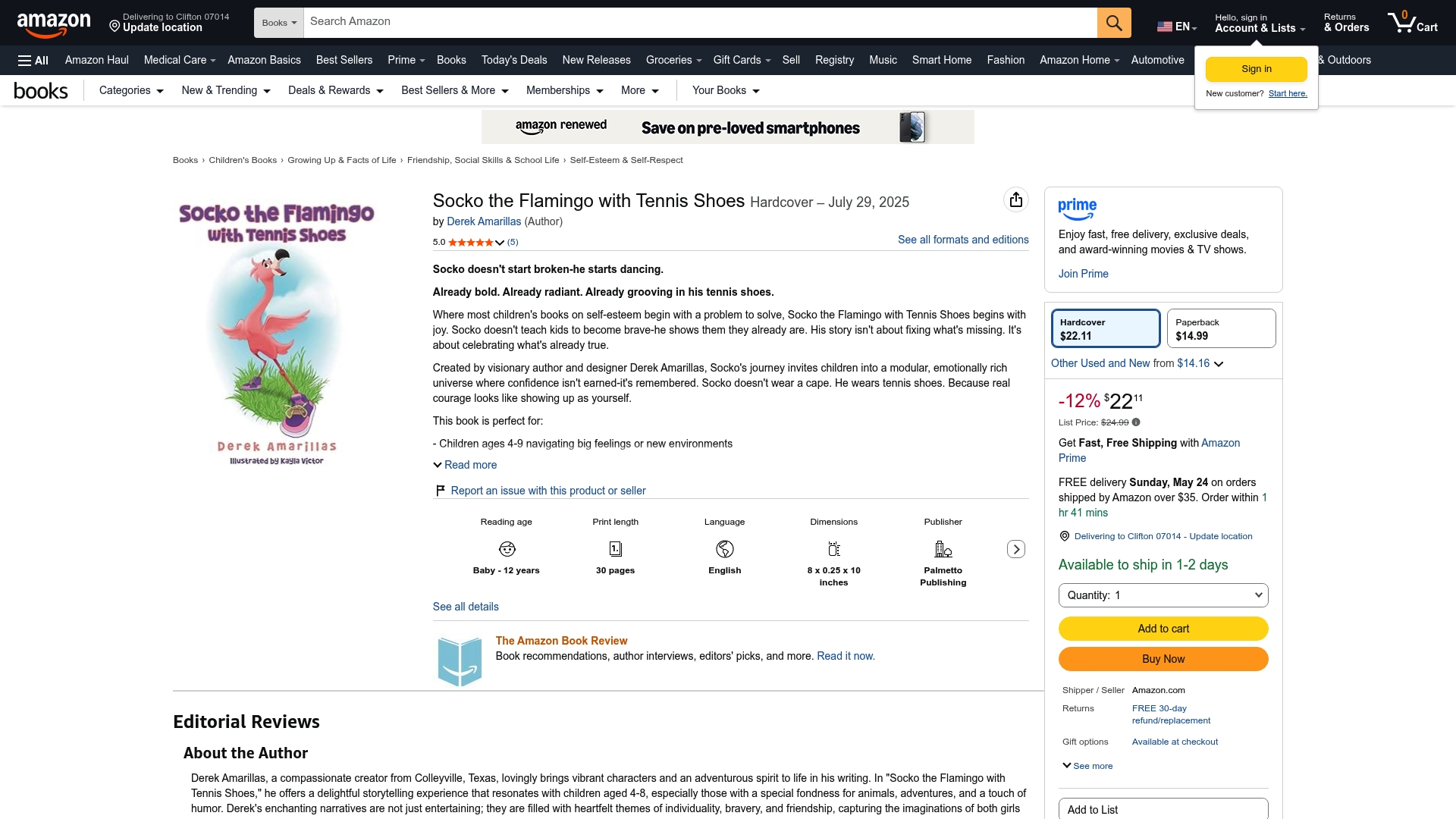
A's Socko the Flamingo with Tennis Shoes picture book is designed specifically for children aged 3 to 8 who are learning to navigate big feelings, belonging, and what makes them unique. It works as a standalone gift and as a conversation starter for parents, teachers, and librarians. Explore the full collection on Amazon to find gifts that pair emotional literacy with genuine delight. Every item is chosen with the same principle this article is built on: the child comes first, not the trend.
FAQ
What does a thoughtful children's gift mean?
A thoughtful children's gift is one chosen with genuine attention to the child's feelings, developmental stage, and personal identity rather than price or popularity. The alignment between gift and child is what makes it meaningful.
What makes a gift emotionally appropriate for children aged 3 to 8?
Emotionally appropriate gifts for this age group name or model feelings, support independent play, and match the child's current interests and developmental milestones. Picture books, open-ended art supplies, and character-driven stories are strong examples.
Should I include a note with a child's gift?
Yes. A brief card explaining why you chose the gift helps the child understand its intended meaning and strengthens the emotional connection. Cottonwood Psychology confirms that a personalized note significantly enhances how children internalize a gift's message.
How do I avoid buying the wrong gift for a young child?
Avoid trend-driven purchases and instead ask the child's caregiver what the child has been talking about or struggling with recently. Gifts that address a real interest or emotional need are far less likely to miss the mark than gifts chosen by popularity alone.
Are expensive gifts more thoughtful for children?
No. Research from the University of Stirling shows that overemphasis on price often leads to gifts that miss the child's true interests entirely. A well-chosen book that reflects a child's identity outperforms an expensive toy chosen without personal context.