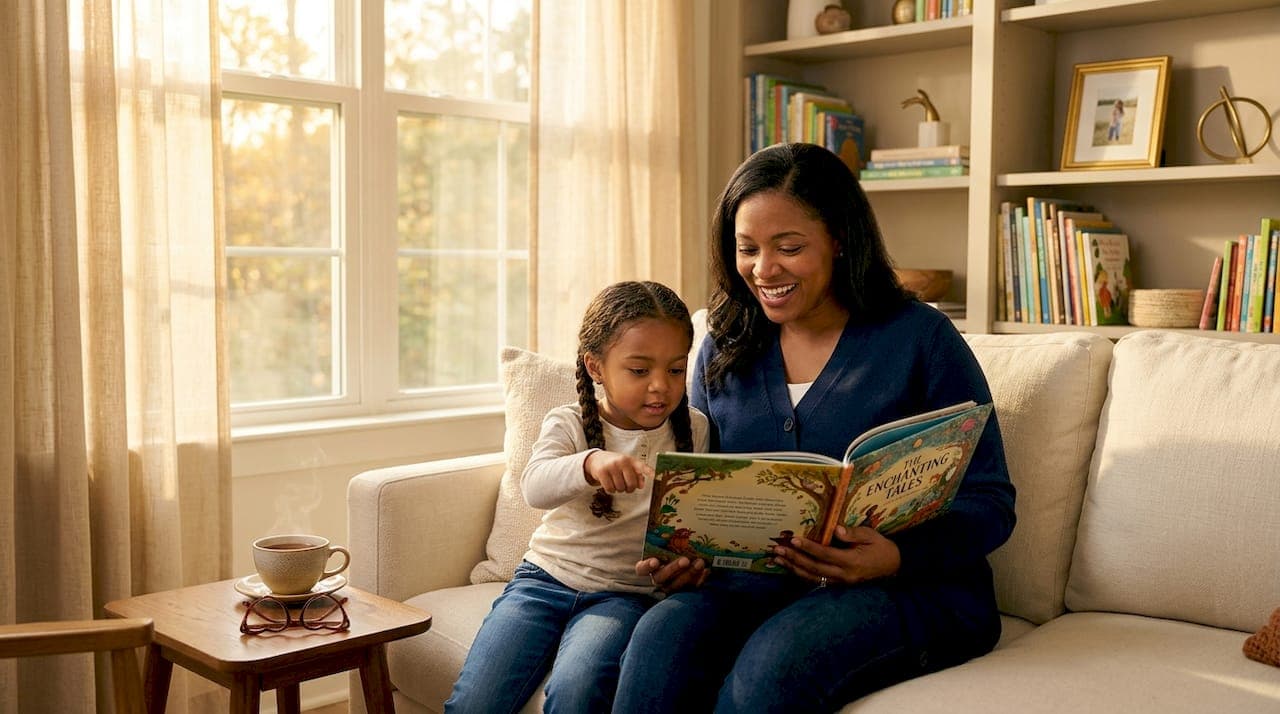
A read-together gift experience is defined as a book gift paired with structured shared reading moments, guided prompts, and intentional rituals that build emotional literacy and connection between an adult and a child. This is not simply handing over a book. The experience transforms reading from a passive handoff into an interactive bonding practice, supported by a growing body of research on children's social and emotional development. Programs like All Ages Read Together and tools like the ENGAGE app have formalized this approach, giving gift givers a clear framework to follow. If you want to give something that lasts beyond the wrapping paper, a shared reading experience is the most direct path.
What is a read-together gift experience, exactly?
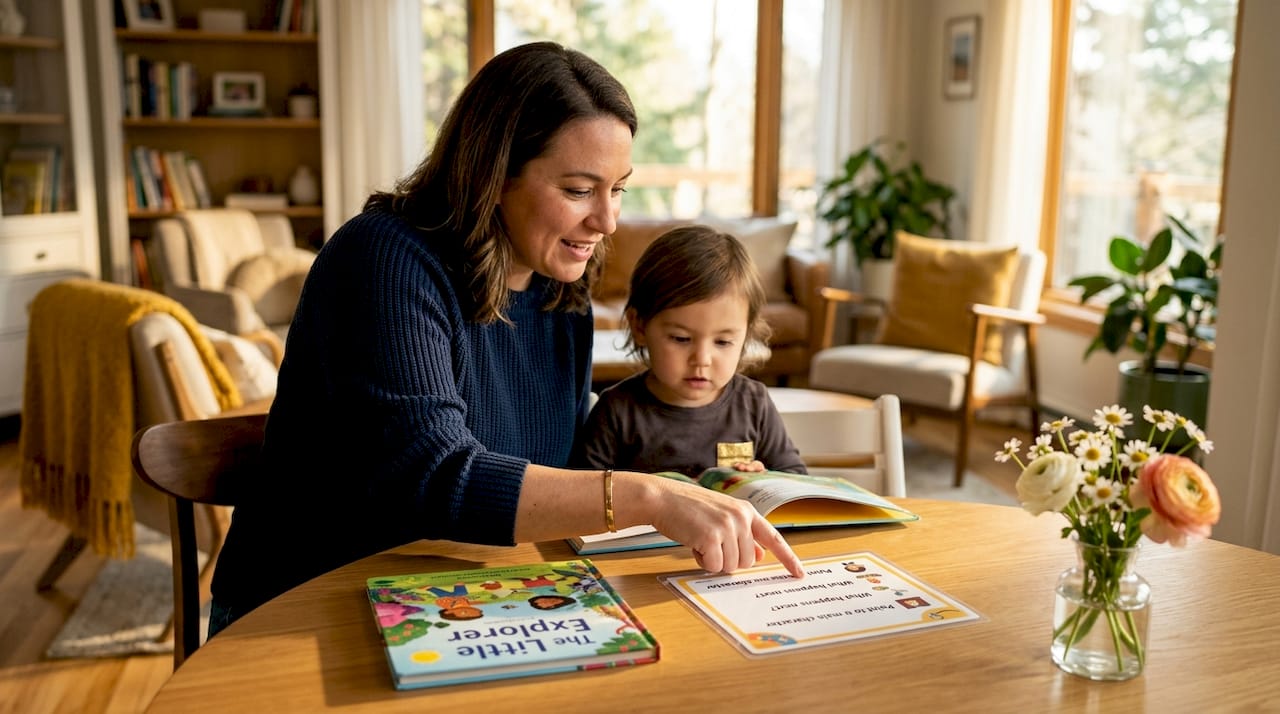
A read-together gift experience involves gifting a book alongside a coordinated plan for shared reading, complete with guided questions, a set timeframe, and a ritual that makes the reading feel intentional. The difference between this and a standard book gift is structure. You are not just giving a story. You are giving a schedule, a set of conversation starters, and a reason to sit together.
The core components that make this format work include:
- A shared book: Both the adult and child engage with the same title, often reading it together on the same day or during a designated window.
- Guided prompts: Prewritten questions tied to specific story events help adults steer conversations toward feelings, predictions, and personal connections.
- A defined ritual: Whether it is a two-week bedtime reading streak or a Sunday morning tradition, the ritual creates anticipation and consistency.
- Expressive adult engagement: Expressive voice use and inquisitive questioning form the foundation of interactive read-aloud programs that build emotional literacy in children.
- Reflection moments: Short pauses after reading, even 30 seconds, allow children to process what they heard and connect story emotions to real life.
Pro Tip: When selecting a book for a read-together gift, choose one with a character who faces a recognizable emotional challenge. Stories built around belonging, fear, or self-acceptance give adults natural entry points for feeling-focused conversations. Socko the Flamingo with Tennis Shoes from A is built exactly for this purpose.
The ENGAGE app takes this structure further by delivering prewritten reading prompts directly to caregivers during the reading session, removing the pressure of generating questions on the spot. This matters because most families do not fail at shared reading because they lack love or time. They fail because they run out of things to say.
What does research say about shared reading and emotional development?
Shared reading is one of the most research-supported tools for building emotional literacy in young children, and the evidence is specific enough to guide how you structure a gift.
A 2025 narrative review published in Frontiers in Psychology confirms that shared book reading combined with adult-child emotion-focused discussion directly builds children's social-emotional competences. This means the conversation around the book matters as much as the book itself. Gifting a story without the conversation is like giving a piano without lessons.
A longitudinal study tracking preschool children found that shared reading aloud correlates with measurable improvements in emotional comprehension and language outcomes over multiple years, as measured by tools like the Test of Emotion Comprehension (TEC). These are not soft, anecdotal gains. They are documented developmental shifts that show up in how children name, understand, and respond to emotions.
"Reading routines improve empathy even without complex questioning, reassuring caregivers that consistent time together suffices." — The Conversation, 2026
A 2026 controlled study found that 14 nightly sessions of shared reading improved empathy in children aged 6 to 8, regardless of whether caregivers paused for questions or read straight through. This finding is significant for gift givers because it removes the pressure of perfection. Two weeks of consistent bedtime reading is enough to produce measurable social-emotional gains. That is a gift with a defined timeline and a documented outcome.
Emotion literacy gains are strongest when adults anchor questions to story events rather than offering vague moral lessons. Asking "How do you think Socko felt when no one sat with him at lunch?" produces more emotional mapping than "What did you learn from this story?" The specificity of the question determines the depth of the child's emotional processing.
How can caregivers make shared reading work in real family life?
The biggest barrier to shared reading is not motivation. It is the cognitive load of sustaining it. Here is how to structure a read-together gift experience that actually gets used.
- Set a two-week window. Frame the gift as a 14-night reading ritual. Research shows this timeframe produces real empathy gains, and it feels achievable rather than open-ended. Write the start date on a card inside the gift.
- Use an app for prompts. The ENGAGE parent app delivers guided questions during reading and captures reflection moments afterward in under 30 seconds. This removes the cognitive burden of generating questions from scratch every night.
- Read expressively, not perfectly. Give characters distinct voices. Pause at tense moments. Let your face show the emotion on the page. Programs like All Ages Read Together train educators to use expressive delivery because it signals to children that emotions are worth noticing.
- Anchor every question to the story. Instead of asking "Have you ever felt left out?", ask "When the other flamingos walked away, what do you think was going through Socko's head?" Concrete story anchors help children practice emotional reasoning without feeling put on the spot.
- Adapt for distance. Grandparents and relatives who live far away can record read-alouds for playback devices, allowing children to hold the physical book while hearing a familiar voice. The togetherness survives the distance.
Pro Tip: Include a printed prompt card inside the gift wrapping. List three to five feeling-focused questions tied to specific moments in the book. This single addition transforms a book gift into a guided experience without requiring any technology.
Schools and libraries that integrate emotional intelligence programs into read-aloud curricula consistently report higher engagement and more nuanced student conversations about feelings. The same principle applies at home. Structure produces depth.
How does a read-together experience compare to other reading gifts?
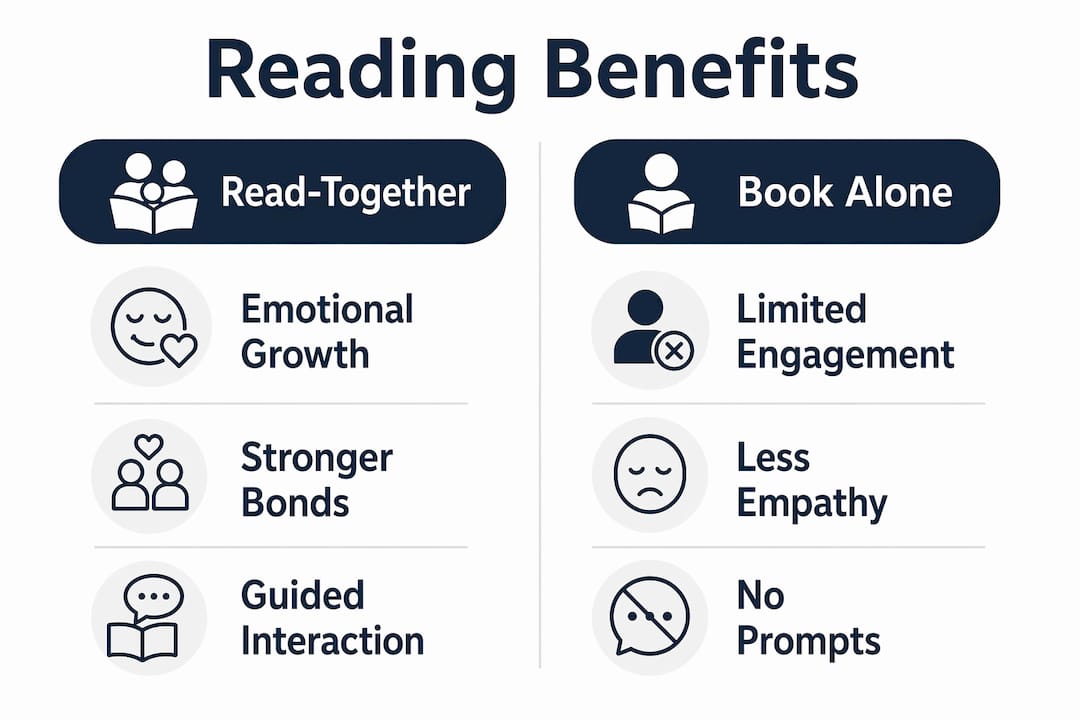
Not all reading gifts deliver the same outcome. The table below shows where a read-together experience stands relative to common alternatives.
| Gift type | Interaction level | Emotional literacy benefit | Connection built |
|---|---|---|---|
| Book alone | Passive | Low without adult guidance | Minimal |
| Audiobook subscription | Passive listening | Low | Minimal |
| Blind date with a book | Mild curiosity | Low | Minimal |
| Ebook subscription | Solo reading | Low | Minimal |
| Read-together experience | High, guided | Documented and measurable | Strong |
The distinction is not about the format of the book. It is about whether an adult is present, engaged, and asking questions that connect story events to real emotions. Audiobook subscriptions and ebook platforms deliver content. A read-together experience delivers a relationship moment.
Several specific advantages set the shared reading experience apart:
- Guided interaction beats solo reading for emotional comprehension, as confirmed by structured interaction research on preschool-aged children.
- Physical presence or recorded voice maintains the emotional warmth that silent reading cannot replicate.
- Experiential gifts create memories that outlast any object. A child may forget the book. They will not forget the nights you read it together.
The read-together format also scales. A single picture book with a prompt card and a two-week commitment costs less than most toy gifts and produces outcomes that toys cannot match.
Key takeaways
A read-together gift experience works because it pairs a book with structured adult engagement, guided prompts, and a defined ritual that produces measurable emotional literacy gains in children within as little as two weeks.
| Point | Details |
|---|---|
| Definition is specific | A read-together gift includes a book, guided prompts, and a shared ritual, not just a title. |
| Research backs the outcome | Two weeks of nightly shared reading improves empathy in children aged 6 to 8. |
| Prompts reduce caregiver effort | Apps like ENGAGE deliver prewritten questions, removing the pressure of improvising. |
| Distance is not a barrier | Recorded read-alouds preserve emotional connection for grandparents and distant relatives. |
| Story-anchored questions work best | Linking questions to specific story events produces deeper emotional processing than general moralizing. |
Why I think most book gifts miss the point entirely
I have watched a lot of well-meaning adults hand a child a beautifully wrapped book, watch the child flip through it in 45 seconds, and set it on a shelf. The book was good. The gift was incomplete.
What I have come to believe, after years of working with stories designed to spark conversations about big feelings, is that the book is the vehicle, not the destination. The destination is the moment a child says "I felt like that once" and an adult says "Tell me more." That exchange does not happen by accident. It happens because someone created the conditions for it.
The research on shared reading is now specific enough to be prescriptive. You do not need to be a trained educator. You do not need to ask perfect questions. You need to show up for 14 nights with a book in your hand and a genuine curiosity about what the child is thinking. The ENGAGE app and programs like All Ages Read Together exist precisely because that structure makes the difference between a book that gets read and a book that changes something.
What I find most encouraging is the 2026 finding that empathy improves whether or not caregivers stop to ask questions. Consistency beats technique. That is the most liberating piece of research I have seen in this space, because it tells every gift giver that they are already enough. They just need to sit down and start.
The brands and tools that understand this, including A with Socko the Flamingo with Tennis Shoes, are not selling books. They are selling the permission to have the conversation.
— Derek
Give a gift that actually builds something
If you are looking for a read-together gift that comes ready to use, A has done the work of selecting books built for exactly this kind of shared experience. Socko the Flamingo with Tennis Shoes is designed to open conversations about belonging, self-acceptance, and big feelings, with a character children remember and adults can work with naturally.
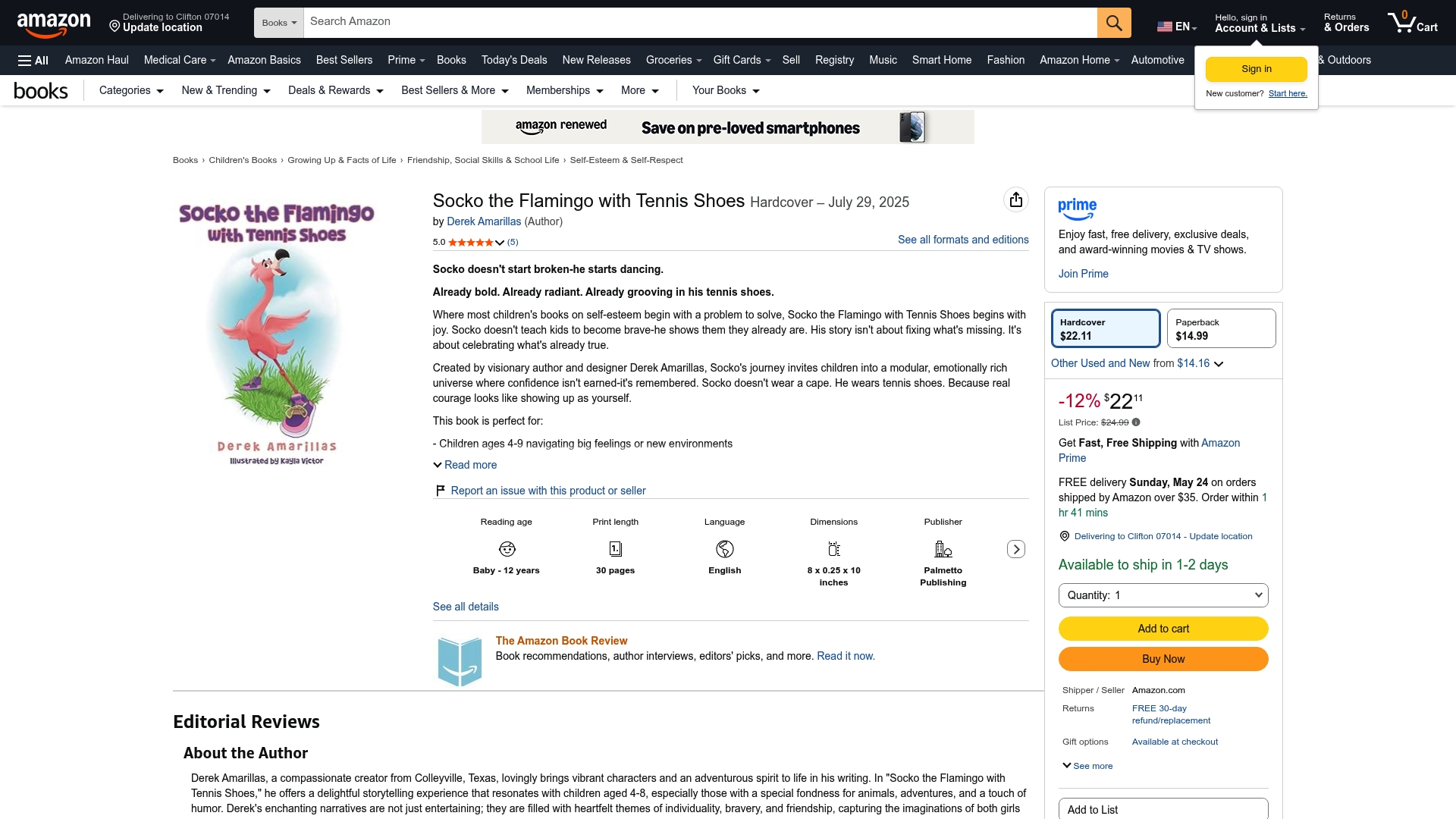
The book pairs naturally with a prompt card, a two-week reading plan, and the kind of story moments that make feeling-focused questions feel organic rather than forced. For gift givers who want something that goes beyond the shelf, explore curated books for shared reading that are built to be read together, not just received.
FAQ
What is a read-together gift experience?
A read-together gift experience is a book gift paired with structured shared reading, guided prompts, and a defined ritual designed to build emotional literacy and connection between an adult and a child. It transforms a passive gift into an interactive bonding practice.
How long does a read-together experience need to be?
Research shows that 14 nightly sessions of shared reading produce measurable empathy gains in children aged 6 to 8. A two-week commitment is enough to see real social-emotional results.
Do caregivers need to ask questions during reading?
No. A 2026 study found that empathy improves whether caregivers pause for questions or read straight through. Consistency and presence matter more than technique.
Can a read-together experience work across distance?
Yes. Grandparents and distant relatives can record read-alouds for playback, allowing children to hold the physical book while hearing a familiar voice. The emotional connection transfers even without physical presence.
What makes a read-together gift better than a standard book gift?
A standard book gift delivers content. A read-together experience delivers guided adult engagement, which research links directly to improvements in emotional comprehension, empathy, and language development in children.