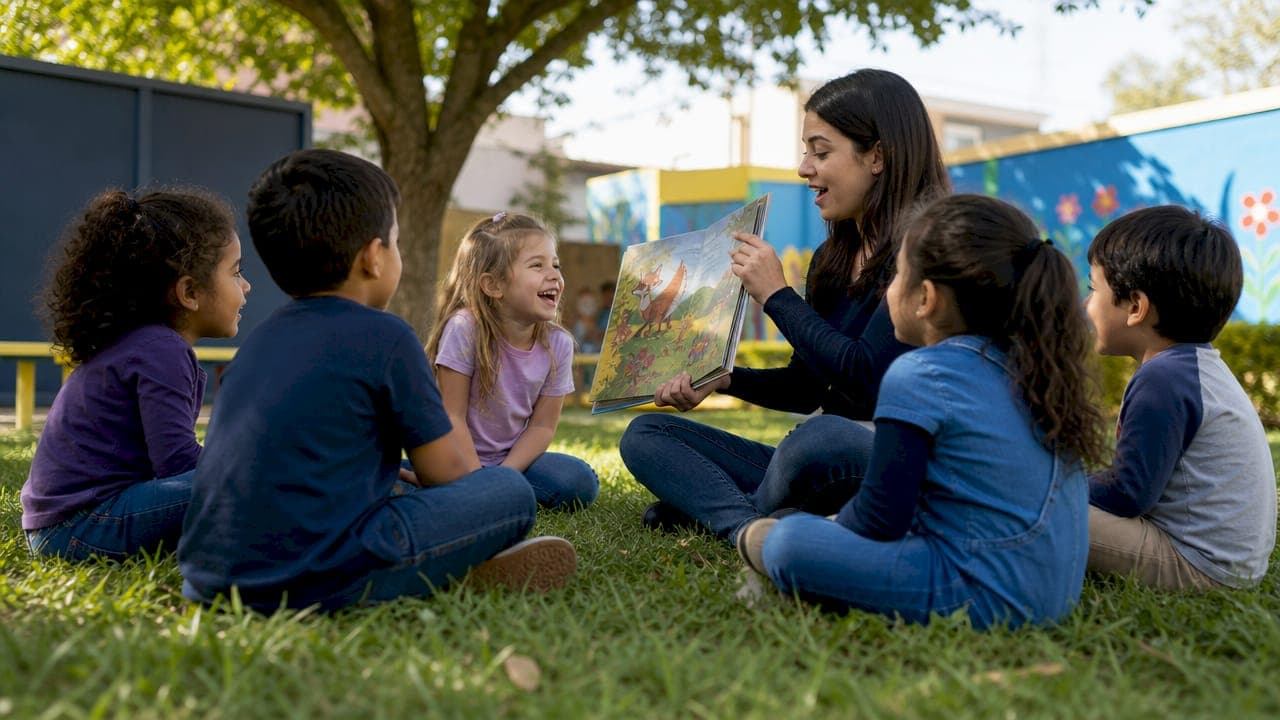
Values-based book selection is the intentional practice of choosing books that promote core virtues, such as courage, kindness, honesty, and perseverance, to support healthy social and emotional development in young children. This approach treats every book as a deliberate choice, not a default. Parents, educators, and caregivers who apply principles-based reading selection give children more than stories. They give children a framework for understanding themselves and the world around them. A, the brand behind Socko the Flamingo with Tennis Shoes, is built on exactly this idea: that the right book at the right moment can spark conversations children carry for life.
What is values-based book selection and why does it matter?
Values-based book selection is defined as the structured process of evaluating and choosing books based on the virtues and developmental goals they reinforce. It moves book choices away from bestseller lists and toward intentional alignment with what children need to grow emotionally and socially. The Library Project identifies eight core values that literacy programs for primary students should promote: courage, kindness, honesty, friendship, respect, perseverance, responsibility, and care for others. Each of these values, when woven into a story, gives children a concrete model for behavior they can recognize and practice.
The importance of values in book selection goes beyond character education. Research links values promotion in early reading to stronger emotional literacy, better peer relationships, and greater resilience. A child who reads about a character choosing honesty under pressure is rehearsing that choice mentally before facing it in real life. That rehearsal is exactly what emotional literacy development requires.

What core values do well-chosen children's books reinforce?
The eight values identified by The Library Project form a practical checklist for any caregiver evaluating books for young readers. Each one targets a specific area of emotional and social development.
- Courage: Stories where characters face fear and act anyway teach children that bravery is not the absence of fear. It is action despite fear.
- Kindness: Books showing characters helping others without reward build empathy and prosocial behavior.
- Honesty: Narratives that show the cost and reward of telling the truth give children a moral anchor.
- Friendship: Stories about navigating conflict and loyalty help children understand that relationships require effort.
- Respect: Books featuring diverse characters treated with dignity model inclusion before children encounter it in the classroom.
- Perseverance: Characters who fail, try again, and succeed teach children that struggle is part of growth.
- Responsibility: Stories where characters own their mistakes build accountability.
- Care for others: Books that center empathy and service expand a child's sense of community beyond their immediate circle.
Nonfiction books selected for young readers must also meet a high bar. Accurate, reliable, and age-appropriate language is non-negotiable for nonfiction, because children absorb facts and attitudes simultaneously. A book that gets the facts right but uses condescending language still fails the values test.
Pro Tip: When evaluating a picture book, read it aloud before purchasing. The values a book carries often show up more clearly in the rhythm and word choice of a read-aloud than in a silent skim.
How do educators evaluate books using structured criteria?
Structured evaluation is the most reliable way to keep values-driven book choices consistent over time. Brilla Public Charter Schools developed a Text Selection Checklist that scores books across multiple dimensions before approving them for classroom use. Their process shows what rigorous, principles-based reading selection looks like in practice.
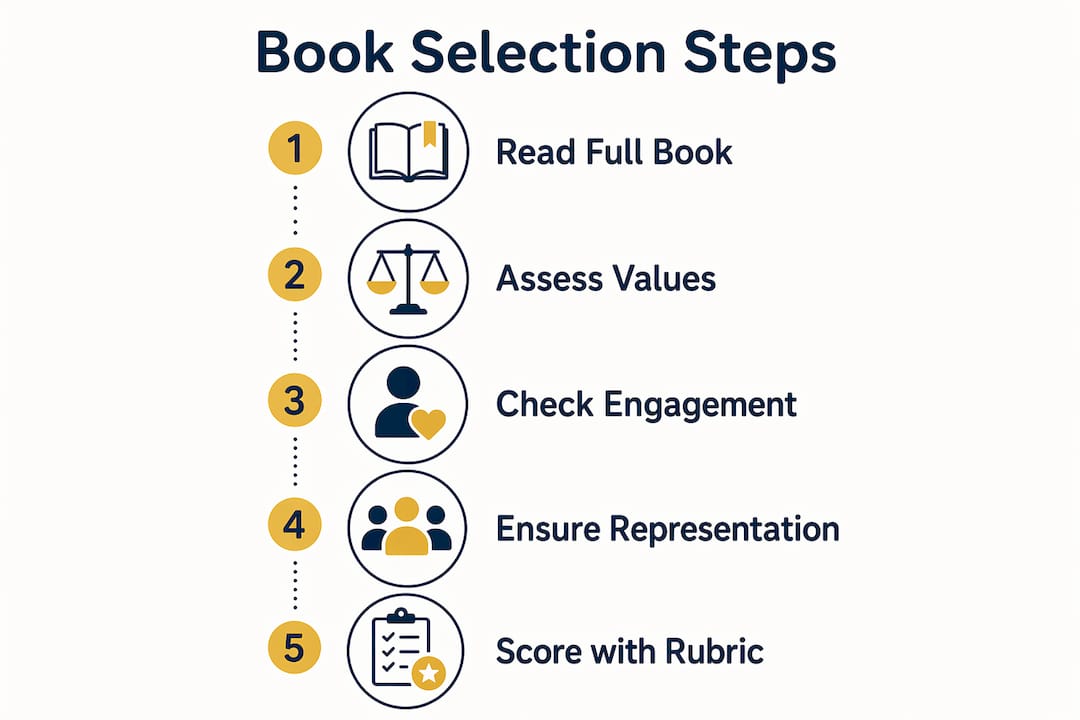
A strong evaluation framework covers these criteria in order:
- Classical quality: Does the writing demonstrate craft? Strong vocabulary, clear structure, and memorable language signal a book worth a child's time.
- Cultural complexity: Does the book represent diverse identities, settings, or perspectives without reducing them to stereotypes?
- Genre diversity: Does the selection add variety to the library, covering fiction, nonfiction, poetry, and biography?
- Cross-curricular connections: Does the book reinforce concepts from science, history, or social studies alongside its values content?
- Developmental appropriateness: Is the content, vocabulary, and emotional weight suitable for the age group?
The most important step in this process is one that many caregivers skip. Reading the entire book is the only reliable way to detect hidden worldview messages. Summaries and reviews miss subtle biases. A book that appears kind on the surface may contain a secondary character treated dismissively, a detail no summary will flag.
Pro Tip: Use a simple rubric with five criteria scored 1 to 3. Any book scoring below 10 out of 15 goes back on the shelf. Structured checklists prevent impulse selections and keep your library focused on long-term developmental goals.
How do you balance quality, engagement, and diverse representation?
The best values-centered literature selection does three things at once: it teaches, it engages, and it reflects the full range of human experience. Dropping any one of these makes the selection weaker. A book that teaches values but bores children will not be read. A book that engages children but presents a narrow view of the world limits their empathy.
Reading for pleasure is the single most important indicator of a child's future success, surpassing even socioeconomic status. That finding reframes the entire conversation about book selection. Engagement is not a nice-to-have. It is the mechanism through which values actually transfer. A child who loves reading will read more, encounter more perspectives, and develop stronger emotional literacy than a child who reads only under obligation.
For older children, selecting award-winning titles or books by established authors in child development and education raises the quality floor. For younger children, the priority shifts toward books that feel like play. Humor, repetition, and vivid illustration all build reading stamina without feeling like work. A, through Socko the Flamingo with Tennis Shoes, uses exactly this approach: big feelings delivered through humor and imagination so children engage first and reflect second.
Diverse representation is not a separate criterion to check off. It is woven into every other criterion. A book about perseverance that only features one type of child teaches perseverance narrowly. The same story featuring a child who looks different, speaks differently, or comes from a different family structure teaches perseverance and belonging simultaneously.
| Selection criterion | What to look for | Why it matters |
|---|---|---|
| Engagement | Humor, vivid characters, relatable conflict | Children who enjoy reading read more and absorb values more deeply |
| Representation | Diverse identities, family structures, abilities | Inclusive stories build empathy and a sense of belonging for all readers |
| Literary quality | Strong vocabulary, clear narrative arc | Quality writing builds language skills alongside character |
| Values alignment | Explicit or modeled virtues | Direct connection to emotional literacy and social development goals |
| Developmental fit | Age-appropriate themes and language | Ensures comprehension and emotional readiness |
Practical tips for applying values-based book selection at home and in the classroom
Applying book selection aligned with personal values does not require a formal degree in education. It requires a clear set of questions and the willingness to be intentional. The social and emotional needs of children in a specific setting should guide every selection, which means the "perfect" book changes as children grow and as classroom or family dynamics shift.
- Ask the right questions before you buy. What message does this book send about how people treat each other? Who is centered in the story, and who is invisible? Would a child from any background see themselves here?
- Curate, do not just collect. A library of 20 carefully chosen books outperforms a shelf of 200 random ones. Every book should earn its place.
- Read the whole book. Summaries miss things. A five-minute read-through catches the subtle messages that reviews overlook.
- Support diverse authors and independent publishers. Stories from underrepresented voices expand the range of values and experiences children encounter.
- Revisit your selections regularly. A book that served a child well at age four may carry messages worth reconsidering at age seven. Values-based curation is an ongoing practice, not a one-time task.
- Avoid the common pitfall of trend-chasing. A bestselling title is not automatically a values-aligned one. Popularity and developmental appropriateness are separate measures.
Pro Tip: Involve children in the selection process. Ask a child what they want to feel at the end of a story. Their answer tells you exactly which values to prioritize in your next pick.
Key Takeaways
Values-based book selection is the most direct tool parents and educators have for building emotional literacy, empathy, and character in young children through reading.
| Point | Details |
|---|---|
| Core values framework | Target eight virtues: courage, kindness, honesty, friendship, respect, perseverance, responsibility, and care for others. |
| Structured evaluation | Use a checklist covering quality, cultural complexity, genre, and developmental fit before approving any book. |
| Read the full text | Summaries miss hidden biases; reading the entire book is the only reliable vetting method. |
| Engagement drives impact | Children who enjoy reading absorb values more deeply, so engagement is a core criterion, not a bonus. |
| Ongoing curation | Values-based selection is a continuous practice that adapts as children's social and emotional needs change. |
Why intentional book selection changed how I think about reading
Most of us grew up choosing books by cover art, a friend's recommendation, or whatever was on the library display shelf. That passive approach is not wrong. But it leaves the values a child absorbs entirely to chance. The shift I have seen in classrooms and homes that practice intentional selection is striking. Children in those environments talk about books differently. They connect characters to their own experiences. They ask why a character made a certain choice. That kind of conversation does not happen by accident.
The hardest part of this practice is resisting the pull of a beautiful cover or a well-known title that does not actually hold up under scrutiny. I have watched caregivers fall in love with a book's illustration style and overlook a secondary character treated as a joke. That detail lands in a child's mind just as firmly as the main message. Intentional selection means slowing down enough to notice those details.
What I find most encouraging is that this approach does not require perfection. No single book teaches every value. The goal is a library, a classroom shelf, or a bedtime rotation that, taken together, reflects the world you want children to understand and inhabit. Start with one question: does this book show children something true and good about what it means to be human? If the answer is yes, it earns its place.
— Derek
A resource built around values-centered reading for young children
A, the brand behind Socko the Flamingo with Tennis Shoes, was created specifically to give parents, teachers, and librarians a starting point for conversations about big feelings, belonging, and self-acceptance. Socko approaches emotional literacy through humor and imagination, making it easier for children to engage with ideas that might otherwise feel too big or too abstract.
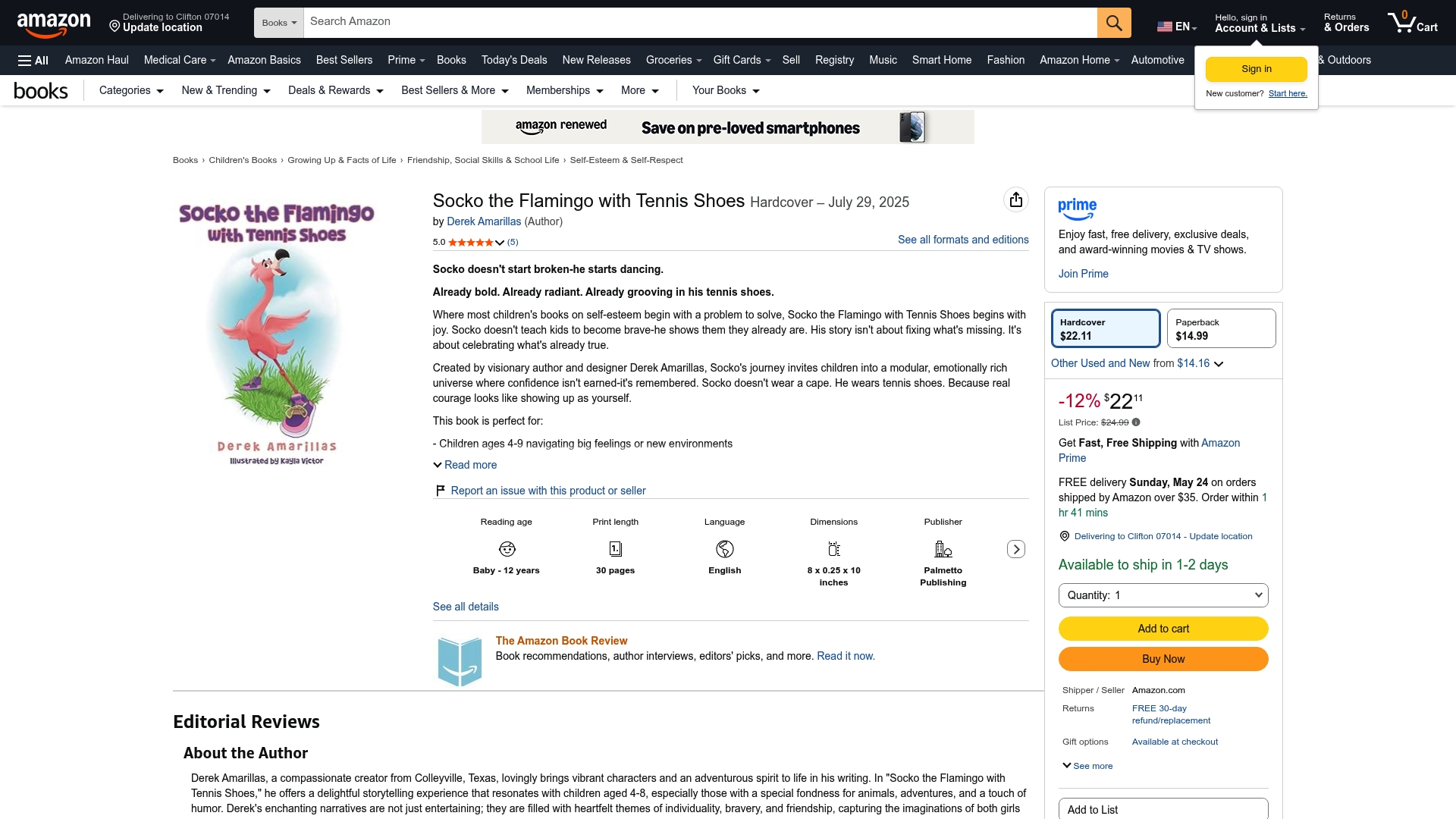
If you are building a values-aligned reading list for a young child, Socko the Flamingo with Tennis Shoes belongs on it. The book models the kind of self-acceptance and belonging that principles-based reading selection is designed to reinforce. You can find it and explore values-based reading resources that support emotional literacy and inclusive storytelling for the children in your life.
FAQ
What is values-based book selection?
Values-based book selection is the intentional practice of choosing books that promote specific virtues, such as kindness, honesty, and perseverance, to support children's social and emotional development. It prioritizes alignment with developmental goals over trends or popularity.
What values should children's books promote?
The Library Project identifies eight core values for primary-level literacy programs: courage, kindness, honesty, friendship, respect, perseverance, responsibility, and care for others. Books that model these values build emotional literacy and positive character traits.
How do educators evaluate books for values alignment?
Educators use structured checklists covering criteria like classical quality, cultural complexity, genre diversity, and developmental appropriateness. Reading the full text is the most reliable method for detecting subtle messages that summaries and reviews miss.
Why does diverse representation matter in values-based selection?
Inclusive stories teach empathy and belonging alongside core virtues. A book about perseverance featuring only one type of child teaches that value narrowly. Diverse representation ensures all children see themselves in the story and learn to see others.
How often should caregivers revisit their book selections?
Values-based curation is an ongoing practice. A book that fits a child's needs at age four may carry different messages by age seven. Regular review keeps a library aligned with a child's current social and emotional development stage.