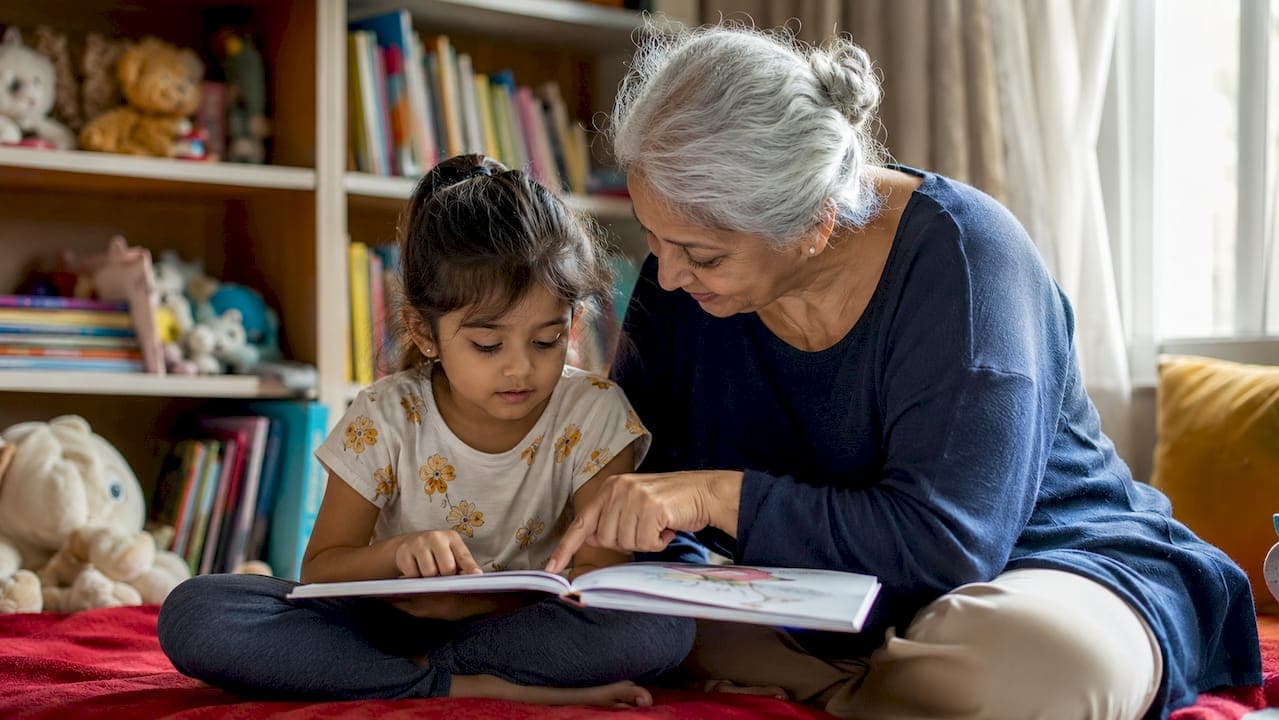
A children's book is one of the few gifts that actively grows with the child, delivering new meaning at age four, age nine, and again at fourteen. What makes a children's book a meaningful gift is its ability to build emotional literacy, expand empathy, and create a lasting keepsake that no toy or gadget can replicate. Research confirms that children growing up with books at home stay in school significantly longer and develop stronger cognitive skills well into adulthood. For gift givers who want their choice to matter beyond the moment of unwrapping, a thoughtfully selected picture book or story collection does exactly that.
What makes a children's book a meaningful gift for development
Children's books do not stay static. A board book read at bedtime becomes a read-along at age five, then a solo reading milestone at seven, then a nostalgic comfort at twelve. That evolution is rare in the gift world, and it is the core reason why the significance of books for kids outlasts almost every alternative.
The developmental benefits are well documented. Children's brains show stronger activation in regions tied to narrative comprehension and imagery when they are read to aloud regularly. This means the act of sharing a book is not passive entertainment. It is a neurological workout that builds the mental architecture children use to process stories, relationships, and emotions for the rest of their lives.

Books also give children a safe container for big feelings. Children's stories that balance humor and emotional honesty equip kids with tools to safely explore and name complex feelings. A character who feels left out, scared, or different gives a child language for experiences they cannot yet articulate on their own. That is emotional literacy in practice, not theory.
Here is what to look for when evaluating a book's developmental value:
- Emotional naming: Does the story give the child words for specific feelings, not just "sad" or "happy" but nervous, proud, or left out?
- Re-readability: Books children want to hear again build confidence, language skills, and emotional processing through repetition.
- Humor with heart: Funny stories that also carry emotional truth hold attention and lower a child's defenses, making the emotional lesson land more naturally.
- Vivid imagery: Strong illustrations activate the same brain regions as real experience, deepening comprehension and memory.
Pro Tip: When you read aloud with a child, pause at emotionally charged moments and ask "How do you think she feels right now?" That single question turns a story into a conversation and multiplies the emotional literacy benefit.
Why children's books are uniquely inclusive gifts
Children's books are one of the few art forms designed specifically to introduce a child to the world beyond their own front door. The best ones do not just reflect a child's existing world back at them. They show children that other lives, other families, and other feelings are equally real and equally worth understanding.
Author Katherine Rundell describes children's stories as acts of resistance against shallow digital culture, arguing they promote genuine values like kindness and courage in ways that passive screen time cannot. That framing matters for gift givers. Choosing a book with a diverse cast of characters, or a story centered on belonging and self-acceptance, is not a political statement. It is a developmental investment.
"Reading to children introduces language rhythm, emotional naming, and invites them into a larger world of imagination." — Author D.E. Dietz
Imagination is the mechanism through which empathy develops. When a child inhabits the perspective of a character who looks different, speaks differently, or faces a challenge the child has never encountered, they practice the cognitive and emotional skill of perspective-taking. That skill, built through hundreds of story sessions, is what produces adults who can understand and connect with people unlike themselves.
Characters like Socko the Flamingo with Tennis Shoes, the picture-book character at the heart of the A brand, demonstrate exactly this principle. Socko teaches emotional literacy, belonging, and self-acceptance through humor and imagination, giving children a character who is genuinely different and genuinely lovable at the same time. For gift givers looking for books that spark conversations about big feelings and identity, that combination is rare and worth seeking out.
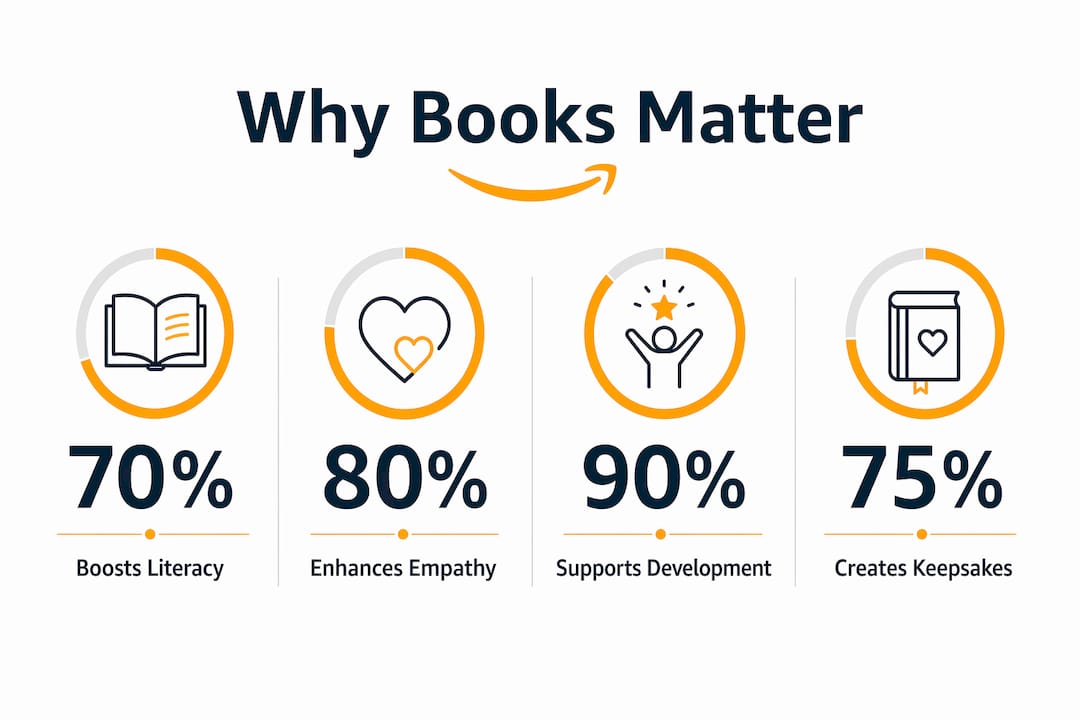
How gifting books signals thoughtfulness and creates lasting memories
The choice to give a book communicates something specific about the giver. Gift-givers who select books are consistently perceived as more empathetic, thoughtful, and emotionally intelligent than those who choose other gifts. That perception is not accidental. Selecting a book requires knowing the child, considering their temperament, and imagining what story might resonate with who they are right now.
Cultural anthropologist Dr. Emily Carter describes gifting books as a form of intellectual empathy. Books as gifts act as identity markers that signal respect for the recipient's inner life and potential for growth. A toy entertains. A book says: I see who you are, and I believe in who you are becoming.
The physical object matters too. Here is how to turn a good book into an unforgettable gift:
- Write a dated inscription inside the front cover. A personalized, dated dedication creates a time capsule. Personalized inscriptions turn children's books into lifelong keepsakes that carry emotional depth no toy or digital gift can match.
- Reference a specific memory or hope. "I gave you this book the summer you learned to swim" is more powerful than any generic gift message.
- Choose a book that reflects the child, not the trend. Bestseller lists change every season. A book chosen for a specific child's personality lasts decades.
- Pair the book with a reading ritual. Offer to read it together the first time. That shared experience becomes part of the gift's memory.
Pro Tip: If you are gifting to a child you do not know well, ask their parent one question: "What is something your child is working through right now?" The answer will point you directly to the right book.
The long-term value of books as gifts is also well established. Books rank high among personally saved belongings during major life transitions, often because of the inscriptions inside them. A childhood book with a grandmother's handwriting in the front cover survives moves, divorces, and decades. A plastic toy does not.
| Point | Details |
|---|---|
| Inscriptions create keepsakes | A dated, personal note transforms a book into a memory object that outlasts the story itself. |
| Giver perception | Book givers are seen as more empathetic and emotionally intelligent than givers of other gifts. |
| Identity signaling | Choosing a book communicates respect for the child's inner life and future potential. |
| Re-readability adds value | Books revisited at different ages deliver new meaning, extending the gift's emotional return. |
How to choose meaningful children's books as gifts
Choosing well is the difference between a book that sits on a shelf and one that gets read until the spine cracks. The importance of gifting books is only realized when the book actually connects with the child who receives it.
Start with the child's temperament and current emotional world. A child navigating a new sibling needs a different book than one who is starting school or struggling to make friends. Choosing books for children is not about chasing trends but about respecting the child's unique personality and building a lifelong bond with reading.
Use these criteria when evaluating any title:
- Emotional clarity: The story should name feelings specifically, not just describe events.
- Character depth: The main character should face a real internal challenge, not just an external problem.
- Humor as a vehicle: Books that make children laugh while also making them feel something are the ones that get re-read.
- Timeless over trendy: Books tied to a film release or a passing cultural moment lose relevance quickly. Books built around universal emotional experiences do not.
- Age-appropriate complexity: A book slightly above a child's current reading level, read aloud by an adult, stretches language and comprehension in the best possible way.
The data behind book access is striking. Even 20 books at home significantly boost adult literacy, numeracy, and technology skills, according to a 27-country analysis. Every book you give a child is a measurable contribution to their long-term capability. That is a remarkable return on a gift that typically costs less than a dinner out.
For gift givers interested in the broader educational ecosystem, children's education resources consistently show that early access to books correlates directly with academic confidence and school engagement. The gift is never just the book. It is the trajectory the book helps set.
Key takeaways
A children's book is the only gift that builds emotional literacy, creates a lasting keepsake, and grows in meaning as the child grows in age and understanding.
| Point | Details |
|---|---|
| Emotional literacy | Books that name complex feelings give children language for experiences they cannot yet articulate. |
| Brain development | Reading aloud activates narrative and imagery regions of the brain, building lasting cognitive structure. |
| Giver perception | Selecting a book signals empathy and thoughtfulness more than almost any other gift choice. |
| Inscriptions matter | A dated, personal dedication turns a book into a keepsake that survives decades and life transitions. |
| Choose for the child | Match the book to the child's temperament and current emotional world, not to bestseller lists. |
Why I think we underestimate what a book gift actually does
I have given a lot of children's books over the years, and the ones that landed hardest were never the most acclaimed or the most expensive. They were the ones I chose because I knew something specific about that child at that specific moment in their life.
One book I gave to a seven-year-old going through a rough patch at school sat on her nightstand for two years. Her mother told me later that she asked for it to be read every night for months. That is not entertainment. That is a child using a story as emotional scaffolding while she figured something out. No other gift category does that.
What I have come to believe is that most gift givers underestimate their own instincts. You already know the child. You already know what they are going through. The only question is whether you trust that knowledge enough to choose a book that speaks to it directly, rather than defaulting to whatever is on the front table at the bookstore. Gifting books communicates a reflective and aspirational message: sharing what shaped you and what could matter to them too. That is not a small thing. That is one of the most generous acts a gift giver can perform.
Children deserve books as serious art forms that challenge, comfort, and inspire, just as adults do. When you choose a book with that standard in mind, you are not just giving a gift. You are making a statement about how seriously you take the child in front of you.
— Derek
Find the right children's book gift today
The best children's book gifts combine emotional depth, re-readability, and a story that speaks directly to who the child is right now. A brand like A, built around Socko the Flamingo with Tennis Shoes, offers exactly that: picture books designed to spark conversations about big feelings, belonging, and self-acceptance through humor and imagination.
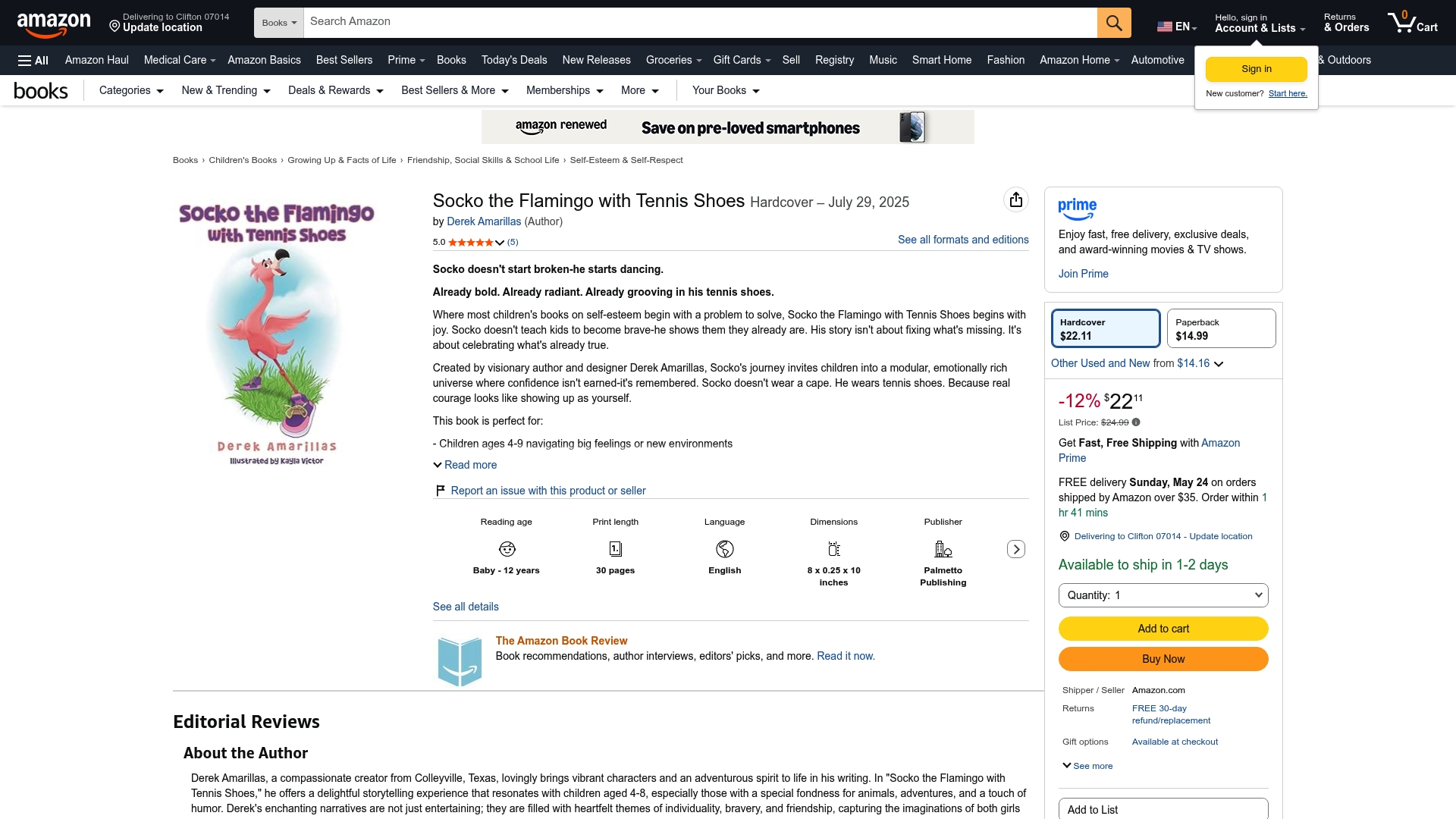
Whether you are shopping for a birthday, a holiday, or simply because a child in your life deserves something that lasts, browse children's books on Amazon to find titles that deliver genuine emotional value. Look for books with strong characters, emotional honesty, and the kind of humor that makes a child ask to hear it again tomorrow. That is the standard worth holding.
FAQ
What makes a children's book a meaningful gift?
A children's book is a meaningful gift because it builds emotional literacy, supports cognitive development, and creates a lasting keepsake through personalized inscriptions. Unlike toys, books grow in meaning as the child revisits them at different life stages.
Why are children's books special compared to other gifts?
Children's books introduce diverse perspectives, name complex emotions, and activate brain regions tied to narrative comprehension and imagery. Research shows that even 20 books at home significantly improve a child's long-term literacy and numeracy skills.
How do I choose a meaningful children's book as a gift?
Match the book to the child's current emotional world and temperament rather than bestseller lists. Look for emotional clarity, re-readability, humor with heart, and characters who face real internal challenges.
Does writing in a book make it a better gift?
A dated, personalized inscription transforms a book into a lifelong keepsake. Research confirms that inscribed books rank among the most personally saved belongings during major life transitions, often because of the handwritten notes inside.
What age is best for gifting children's books?
Children's books are appropriate gifts from infancy through early adolescence. Board books suit ages zero to three, picture books work best from ages three to eight, and illustrated chapter books carry strong emotional value for ages seven and up.