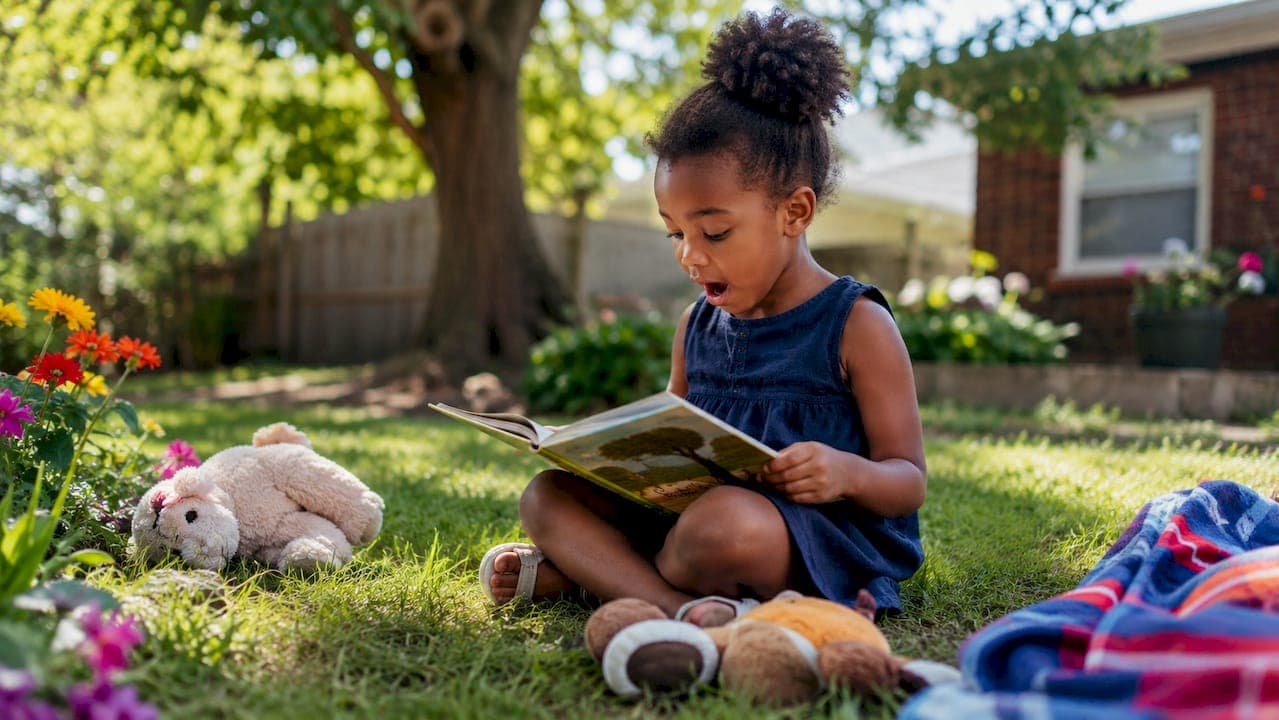
Books are the only gift you can give a child that actively rewires their brain every time they use it. While a toy may hold a child's attention for days or weeks, a book builds language networks, empathy, and reasoning skills that compound over years. Research published in 2026 confirms that children with consistent book exposure show reading achievement gains equating to 52 to 65% of a typical school year's learning. Understanding why books outlast toy gifts for children is not just interesting science. It is the most useful thing a parent can know before the next birthday or holiday.
Why books outlast toy gifts for children: the cognitive case
Books are "endurance training" for the brain, according to pediatric experts, and this matters most between ages 3 and 8 when neural networks for attention, reasoning, and narrative comprehension are developing most rapidly. During this window, every story a child hears or reads activates brain systems responsible for sustained attention and executive function in ways that passive digital activities simply do not. A toy car or a light-up puzzle does not ask the brain to hold a narrative, predict outcomes, or feel what a character feels. A book does all three simultaneously.
The benefits of books for kids show up faster than most parents expect. Just two weeks of consistent bedtime reading improves cognitive skills, empathy, and creativity in children, regardless of how the parent reads. That last detail matters. You do not need to stop and quiz your child or perform the story like a theater actor. Reading straight through, night after night, is enough to produce measurable gains in social and emotional understanding.
The importance of reading for children also extends into how the brain physically organizes itself. Neuroimaging studies show that preschoolers who are frequently read to activate brain regions tied to comprehension and mental imagery, building neural pathways that support future learning across every subject. A toy does not create this kind of structural advantage. Books do, and they do it repeatedly every time the child returns to the same story.
Here is what the research points to as the core cognitive benefits of regular reading for children aged 3 to 8:
- Language acquisition: Books expose children to vocabulary they rarely hear in everyday conversation, accelerating word learning.
- Empathy development: Following a character's emotions teaches children to recognize and name feelings in themselves and others.
- Sustained attention: Tracking a narrative from beginning to end trains the brain to focus longer than most toy play requires.
- Creative reasoning: Open-ended stories prompt children to imagine outcomes, building flexible thinking skills.
- Emotional regulation: Stories model how characters handle fear, disappointment, and joy, giving children a script for their own big feelings.
Pro Tip: Pick books that feature characters navigating emotions your child is currently experiencing. A story about a character who feels left out lands differently and more powerfully than a general lesson about kindness.
How do books create richer parent-child interactions than toys?
The quality of conversation during play shapes a child's language development more than the toy itself. Research is direct on this point: electronic toys reduce parent verbal interaction and child vocalization, while books produce the richest language exchange of any play activity studied. When a toy lights up and speaks, the parent goes quiet. When a book opens, the parent speaks, points, wonders aloud, and asks questions naturally.
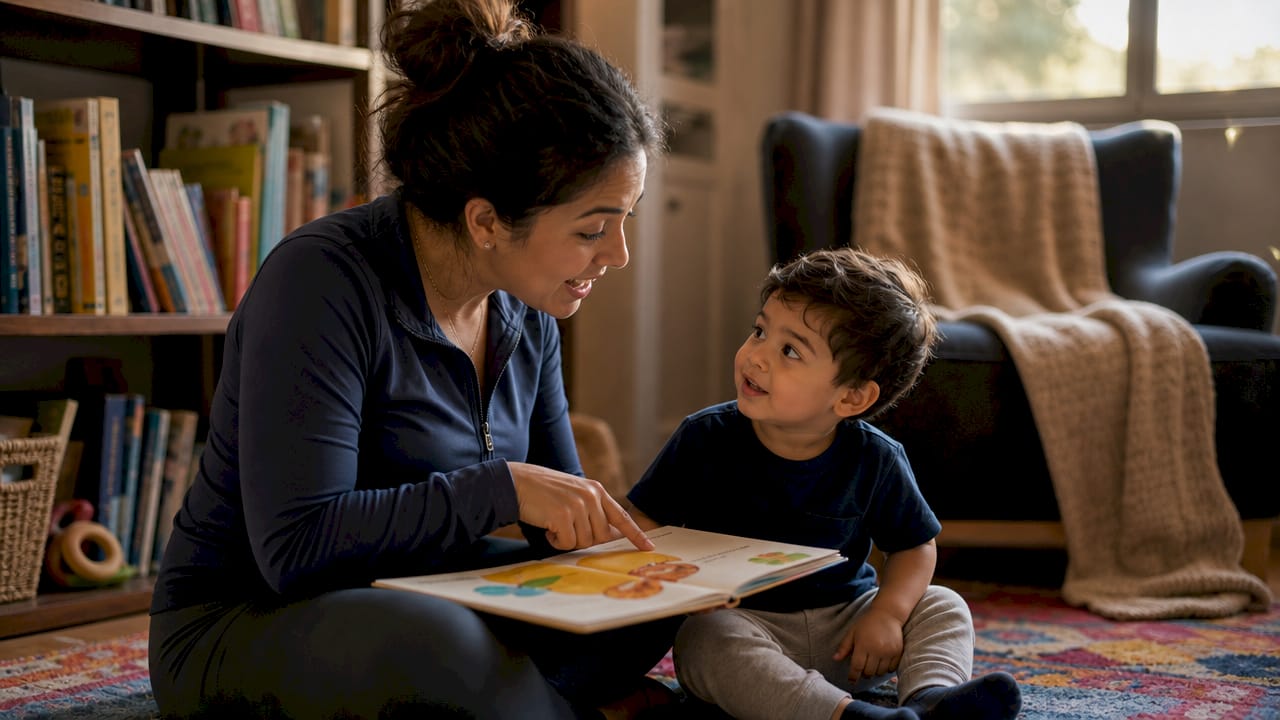
This is what researchers call the "toy dynamic." When a toy does the talking, parents speak less. Fewer words spoken means fewer conversational turns, and fewer conversational turns means slower language and emotional development. The gap between a book-reading session and an electronic toy session is not subtle. It is the difference between a child hearing 50 words and hearing 500.
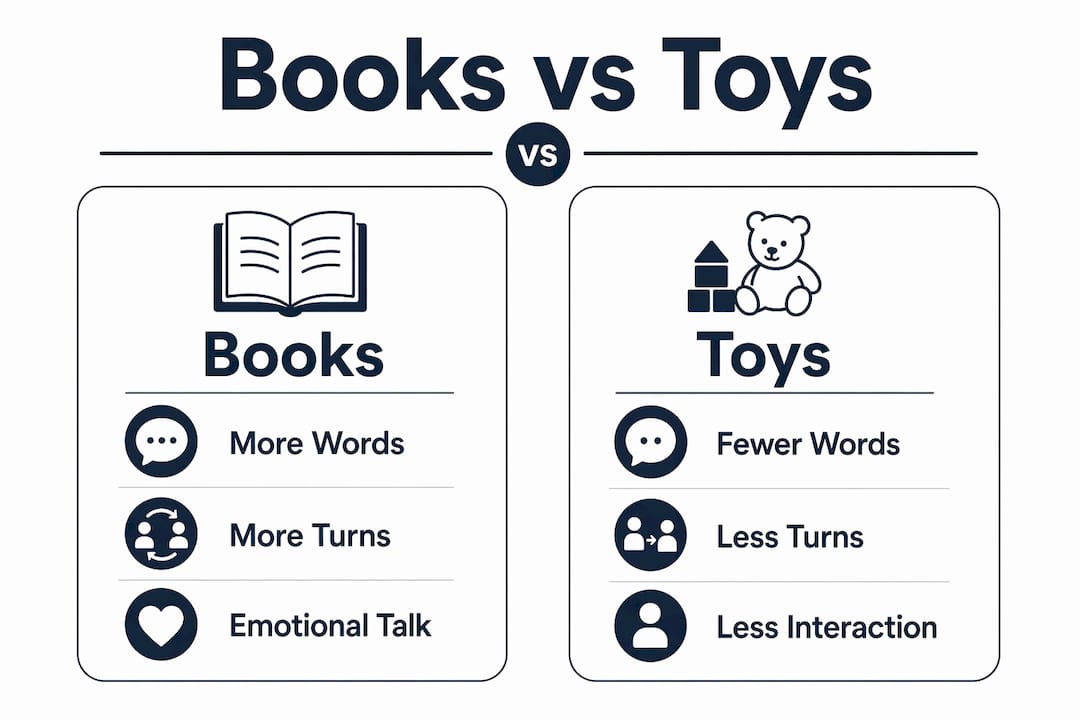
| Activity | Parent words spoken | Conversational turns | Developmental focus |
|---|---|---|---|
| Electronic toy play | Low | Few | Passive observation |
| Traditional toy play | Moderate | Moderate | Motor and imaginative skills |
| Shared book reading | High | Many | Language, empathy, and reasoning |
Books also serve as a conversational bridge that toys rarely replicate. A picture book about a flamingo who feels different from everyone else opens a door for a child to say, "I feel like that sometimes." A battery-powered robot does not create that opening. The educational value of books lies partly in this: they give children the words and the permission to talk about what is happening inside them.
Pro Tip: You do not need to read every word on the page. Pointing at illustrations and asking "What do you think happens next?" counts as reading and builds prediction skills just as effectively.
What evidence links home books to better long-term outcomes?
The scale of the research on home book access is striking. A large international study found that children from homes with around 500 books stay in school more than three years longer than children from homes with few books. The effect holds even at much smaller quantities. Having just 20 books at home produces measurable gains in adult literacy and technology skills. You do not need a library. You need a shelf.
The five-year randomized trial published in PNAS in 2026 puts a number on what sustained book access does. Children in low-income schools who received books consistently over five years showed cumulative reading gains equal to 52 to 65% of a typical school year's worth of learning. That is not a marginal benefit. That is the difference between a child who struggles to read in third grade and one who reads confidently.
| Study finding | What it means for your child |
|---|---|
| 500 books at home: 3+ extra years of schooling | Book-rich homes build a foundation for academic persistence |
| 20 books at home: measurable adult skill gains | Even a small collection creates lasting cognitive advantage |
| 5 years of book access: 52-65% of a year's learning gained | Consistent gifting compounds into real academic progress |
| Two weeks of bedtime reading: improved empathy and creativity | Short routines produce fast, measurable emotional benefits |
The long-term cost-per-use math also favors books. A picture book read 40 times over three years costs less per reading than almost any toy costs per hour of play. The toys vs books for learning comparison is not close when you factor in both the developmental return and the durability of the investment.
How do books compare to different types of toys?
Not all toys are equal, and the comparison between books and toys depends on which toys you are considering. Montessori principles favor open-ended, simple materials precisely because simple, open-ended toys encourage longer play and richer parental conversation than flashy electronic alternatives. A set of wooden blocks and a picture book both score well on this scale. A toy that sings, flashes, and narrates its own play scores poorly.
Electronic toys shorten play sessions and reduce the language children hear. Traditional toys like blocks, dolls, and art supplies do better, but they still lack the structured narrative that books provide. Books require active mental engagement every single time. A child cannot passively absorb a story the way they can passively watch a toy perform. That active engagement is the mechanism behind the cognitive gains.
Here is how the main categories compare on the factors that matter most for children aged 3 to 8:
- Electronic toys: Short play sessions, low parent verbal engagement, minimal language development, high novelty that fades quickly.
- Traditional toys (blocks, dolls): Moderate play duration, moderate language use, good for motor and imaginative skills, limited narrative depth.
- Montessori-style open-ended materials: Longer play, higher parent engagement, strong for creativity and problem-solving, no narrative structure.
- Picture books and early readers: Longest sustained attention, highest parent verbal engagement, strongest language and empathy gains, reusable across years.
The longevity of children's books also beats toys on a practical level. A well-made picture book does not break, run out of batteries, or lose pieces. A book about belonging or self-acceptance, like the kind A's character Socko the Flamingo models, stays relevant as a child grows and revisits it with new understanding at each stage.
What practical advice helps parents choose and gift books well?
Choosing books for children aged 3 to 8 works best when you match the book to the child's current emotional world, not just their reading level. A child navigating a new sibling, a first day of school, or feeling different from their peers will connect more deeply with a story that mirrors that experience. That connection is what turns a gift into a tool for growth.
- Match the theme to the moment. Choose books that reflect what your child is currently feeling or facing. Emotional resonance drives re-reading, and re-reading drives learning.
- Prioritize character over plot. Books where characters model emotional literacy, like naming feelings and working through conflict, build social skills faster than pure adventure stories.
- Build a short daily ritual. Fifteen minutes of reading each day builds neural pathways regardless of whether you ask questions or simply read aloud. Consistency matters more than technique.
- Let children re-read favorites. Repeated exposure to the same book deepens comprehension and emotional processing. Resist the urge to always introduce something new.
- Include books in gift occasions. Birthdays, holidays, and milestones are natural moments to add to a child's collection. Even one book per occasion builds a meaningful library over time.
Pro Tip: Explore books on emotional literacy that give children specific language for big feelings. Children who can name what they feel are better equipped to manage it.
Why I believe books are the most underrated gift a parent can give
I have spent years watching parents agonize over the "right" gift for a child, defaulting to whatever toy is trending that season. The toy gets played with intensely for two weeks and then sits in a corner. The book, if chosen well, gets read at bedtime for months and then pulled off the shelf again a year later with fresh eyes.
What the research confirms is what many parents sense but cannot always articulate. A book does not just entertain a child. It gives them a vocabulary for their inner life. It shows them that characters who feel scared, or different, or left out still find their way. That is not something a toy can do, no matter how sophisticated its design.
The practical case for books is strong. The emotional case is stronger. When you read with a child, you are not just transferring information. You are building the neural architecture they will use to think, feel, and connect with other people for the rest of their lives. That is a return on investment no toy can match.
The parents I respect most are not the ones who buy the most. They are the ones who read the most. A shelf of 20 well-chosen books, revisited regularly, does more for a child's development than a room full of toys that demand nothing from the brain.
— Derek
Find the right books for your child today
The research is clear: books are the gift that keeps delivering long after the wrapping paper is gone. If you are ready to build or expand your child's collection, Amazon's children's books selection offers thousands of titles organized by age, theme, and reading level, with gift options and home delivery that make the process simple.
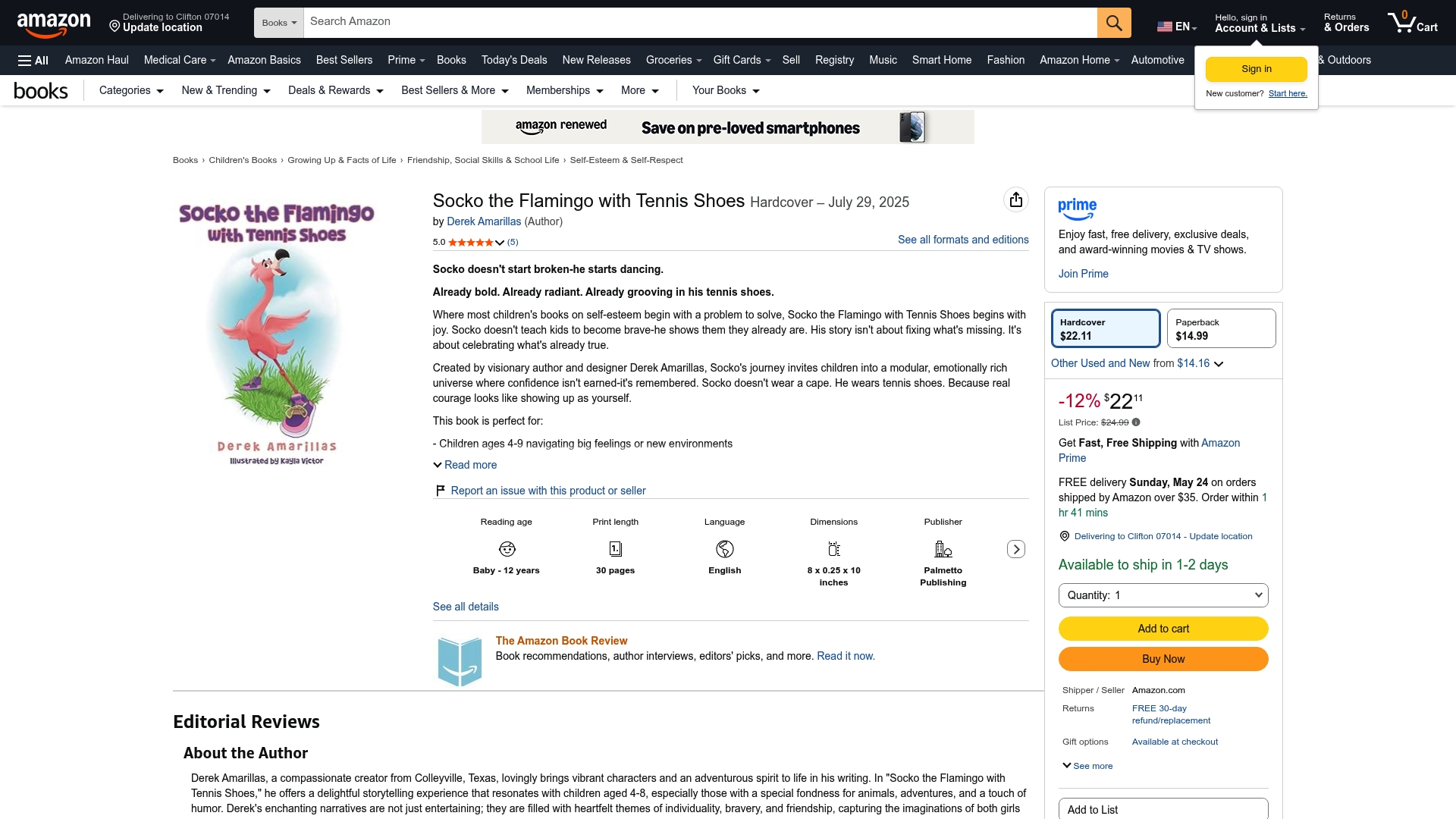
A's Socko the Flamingo with Tennis Shoes is a picture book built specifically for children aged 3 to 8 who are learning to name their feelings and find their place in the world. It is the kind of book that earns its spot on the shelf by being re-read, not just received. Browse children's books on Amazon and find the story your child needs right now.
FAQ
Why do books last longer as gifts than toys?
Books provide cognitive and emotional benefits that compound with every re-reading, while most toys lose novelty quickly. A well-chosen book stays relevant as a child grows and revisits it with new understanding.
How many books does a child need at home to see benefits?
Research shows that as few as 20 books at home produce measurable gains in adult literacy and technology skills. You do not need a large collection to make a meaningful difference.
Do I need to ask questions while reading to make it effective?
No. Studies confirm that reading consistently without stopping to quiz your child produces the same cognitive and empathy gains as structured questioning. Showing up nightly matters more than technique.
What types of books work best for children aged 3 to 8?
Books that feature characters navigating real emotions, like fear, belonging, and self-acceptance, build empathy and emotional vocabulary most effectively. Picture books with strong characters and relatable feelings outperform pure adventure or novelty titles for developmental impact.
Are electronic toys worse than traditional toys for development?
Electronic toys produce fewer conversational turns and less parent verbal engagement than both traditional toys and books. Traditional toys perform better than electronic ones, but books consistently produce the richest language and emotional development of any activity studied.
Key takeaways
Books outlast toy gifts for children because they build language, empathy, and cognitive skills that compound with every reading, while toys provide entertainment that fades within weeks.
| Point | Details |
|---|---|
| Books build brain architecture | Reading activates neural networks for attention, reasoning, and empathy during the critical ages of 3 to 8. |
| 20 books at home changes outcomes | Even a small home library produces measurable gains in adult literacy and academic persistence. |
| Electronic toys reduce language | Toys with lights and sounds lower parent verbal engagement, cutting the language input children need most. |
| Consistency beats technique | Reading 15 minutes daily without questioning builds neural pathways just as effectively as structured reading sessions. |
| Books compound over time | Children with five years of consistent book access gain the equivalent of 52 to 65% of a school year's learning. |