
Gifting books is one of the most direct ways to transmit lasting values, because books function as vessels of empathy, identity, and emotional growth in ways no other gift can replicate. Research from the Journal of Social and Personal Relationships confirms that gift-givers who choose books are perceived as more empathetic and emotionally intelligent than those who select other gifts. Azimin Daud, a language planner at DBP, argues that physical books are vital for shaping the moral and emotional foundations of Generation Alpha. When you hand a child a book, you are not giving paper and ink. You are giving a framework for how to see the world.
Why gift books teach lasting values through emotional connection
Books build empathy at the neurological level. A landmark study from Carnegie Mellon University found that reading stimulates neural pathways linked with empathy and emotional regulation, which means the act of reading literally rewires how a child processes other people's feelings. That is not a metaphor. It is measurable brain activity.
When a book is gifted rather than simply purchased for a classroom shelf, the emotional stakes rise. The giver has made a judgment about who the recipient is and who they could become. That judgment, expressed through a carefully chosen story, validates the child's intellectual identity in a way that a toy or gift card cannot. Gifting a book says, "I see you, and I think this story belongs with you."
The emotional benefits extend beyond the moment of unwrapping. Shared reading experiences strengthen relational bonds more effectively than shared digital media, according to University of Sussex research. A parent and child reading together are not just consuming content. They are building a shared emotional vocabulary, one that shapes how the child will navigate conflict, loss, and belonging for decades.
Here is what the research shows books accomplish through the gifting relationship:
- Books serve as identity markers, signaling that the giver understands the recipient's inner world and aspirations.
- Stories build perspective-taking skills by placing readers inside the consciousness of characters unlike themselves.
- The physical act of receiving a book creates a memory anchor, connecting the story's values to the emotional warmth of the gift itself.
- Repeated reading of a gifted book reinforces the values embedded in its narrative over time.
Pro Tip: When selecting a book as a gift for a child, choose a story where the main character faces a challenge the child is currently experiencing. The emotional resonance between the child's real life and the character's fictional struggle accelerates empathy development far more than a generic "good values" story.
How personalized books become lifelong keepsakes
A book with a handwritten inscription is not just a gift. It is an heirloom. A British Library study found that inscribed books rank among the top three most-saved personal belongings during major life transitions, including moves, divorces, and bereavements. The inscription transforms the object from a commodity into a record of a relationship.
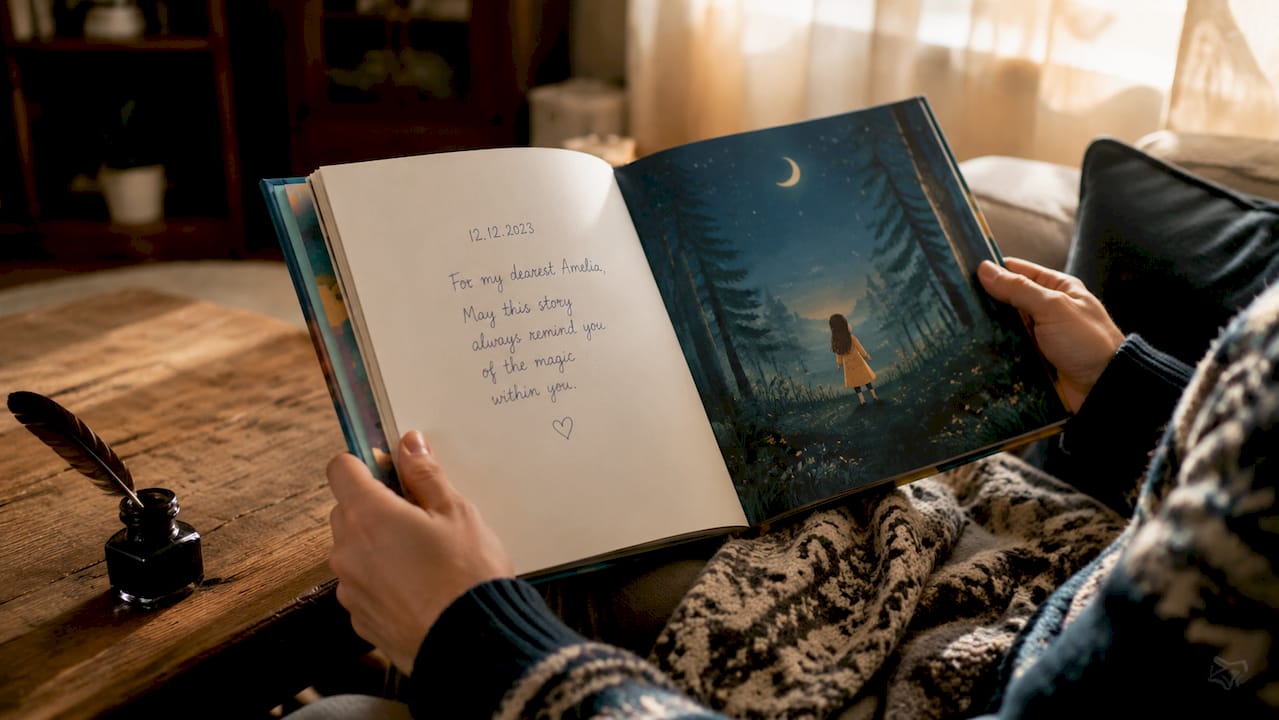
This concept is what gifting culture analysts call "intellectual intimacy." When you curate a book thoughtfully, you shift the gift's value from material to deeply personal. You are communicating that you considered the recipient's mind, not just their age or gender. That shift is what makes books outlast almost every other category of gift.
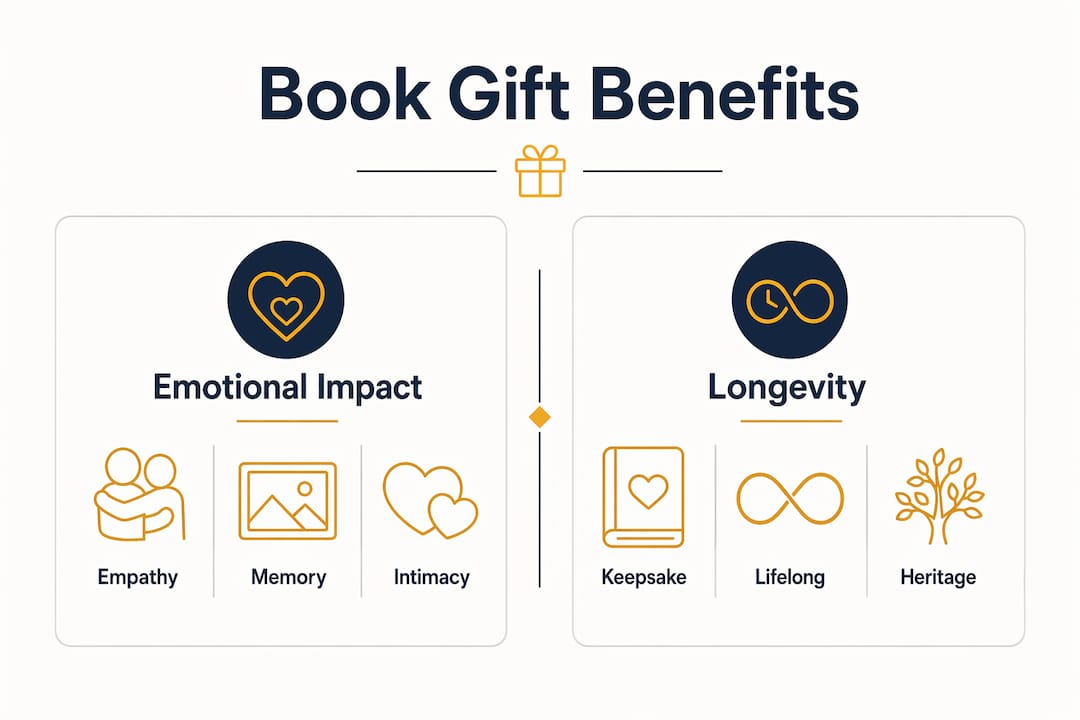
The difference between a personalized book gift and a generic one is significant, both emotionally and practically.
| Gift type | Emotional impact | Longevity as keepsake |
|---|---|---|
| Generic gift (toy, gift card) | Immediate gratification, fades quickly | Low. Rarely saved beyond childhood |
| Book without inscription | Moderate. Story value persists | Medium. Kept if the story resonates |
| Book with dated inscription | High. Combines story with personal memory | Very high. Frequently saved for life |
| Book chosen collaboratively | High. Respects recipient's autonomy | High. Ownership increases attachment |
Writing dated inscriptions inside books transforms gifts into heirlooms that preserve emotional heritage across generations. A grandmother's handwriting inside a copy of Charlotte's Web carries more weight at age 40 than it did at age 8. The story deepens as the reader's life experience deepens.
Pro Tip: Always include the date and a one-sentence note about why you chose this specific book for this specific person. "I gave you this on your seventh birthday because you remind me of the main character's courage" is the kind of inscription a child will read again at 30.
Respecting a reader's autonomy also matters. Gift vouchers or collaborative selections let recipients choose books that genuinely speak to them, which increases the likelihood the book will be read, re-read, and remembered.
How children's books build emotional literacy and core values
Children's picture books are the most efficient tools available for teaching emotional literacy to young readers. Azimin Daud's 2026 insights confirm that Generation Alpha children benefit uniquely from physical picture books in developing both a love of reading and a foundation of core values. Digital screens offer stimulation. Physical books offer something different: the slow, attentive engagement that builds emotional depth.
Physical books also foster neural engagement and familial affection in ways that digital media cannot fully replicate for children. The tactile experience of turning pages, the ritual of bedtime reading, and the shared attention between parent and child all contribute to emotional bonding that reinforces the values the story is teaching.
Here are the core values that well-chosen children's books consistently teach:
- Kindness and compassion. Stories where characters help others in need show children that empathy is a choice, not just a feeling.
- Belonging and self-acceptance. Books featuring characters who feel different or out of place give children language for their own experiences of exclusion or identity confusion.
- Resilience. Characters who fail, recover, and try again model the emotional pattern children need to handle real setbacks.
- Respect for difference. Stories that center characters from different backgrounds build tolerance before children have the vocabulary to discuss diversity abstractly.
- Emotional honesty. Books that name big feelings, including anger, grief, and fear, give children permission to experience and express those emotions safely.
A character like Socko the Flamingo from A's picture book series demonstrates exactly this approach. Socko teaches emotional literacy, belonging, and self-acceptance through humor and imagination, giving parents and teachers a concrete story to use when sparking conversations about big feelings and identity. The best children's books do not lecture. They show.
Do books gifted to children support lifelong health and learning?
The answer is yes, and the evidence is specific. Regular book readers tend to live two years longer than non-readers, according to research linking reading habits to increased longevity. Gifting books to children is therefore not just an act of cultural enrichment. It is a contribution to their long-term wellbeing.
Books also support mental health by providing a reliable source of perspective and comfort during difficult periods. Reading helps with emotional pain in measurable ways, offering readers a form of cognitive distance from their own problems through narrative immersion. A child who grows up receiving books as gifts learns to turn to reading when life gets hard, which is one of the most durable coping skills a person can develop.
The table below summarizes the documented benefits of encouraging reading habits through gifted books.
| Benefit | Evidence base |
|---|---|
| Increased lifespan | Regular readers live approximately 2 years longer than non-readers |
| Stronger empathy | Carnegie Mellon University neural pathway research |
| Better emotional regulation | Reading activates brain regions tied to emotional processing |
| Deeper relational bonds | University of Sussex shared reading study |
| Lifelong learning habit | Early gifted books correlate with sustained reading into adulthood |
The habit formed in childhood through gifted books compounds over a lifetime. A child who receives books as birthday and holiday gifts learns that reading is a valued activity, not just a school obligation. That reframe alone changes the trajectory of their intellectual and emotional development.
Key takeaways
Gifting books teaches lasting values because books simultaneously build empathy, preserve emotional memory, and establish lifelong reading habits that compound across decades.
| Point | Details |
|---|---|
| Books build empathy neurologically | Carnegie Mellon research shows reading activates neural pathways tied to empathy and emotional regulation. |
| Inscriptions create heirlooms | A dated, personal inscription transforms a book into one of the most-saved belongings across a lifetime. |
| Picture books shape core values | Generation Alpha children develop kindness, resilience, and belonging most effectively through physical picture books. |
| Reading extends lifespan | Regular readers live approximately two years longer, making book gifting a contribution to long-term health. |
| Personalization deepens impact | Thoughtfully chosen or collaboratively selected books are read more often and remembered longer than generic gifts. |
Why I believe books are the most honest gift you can give
I have given and received a lot of gifts over the years. The ones I remember are almost always books. Not because books are expensive or impressive, but because a well-chosen book is an act of attention. Someone had to think about who I am and what I might need to hear.
What I have noticed, both personally and in watching parents and educators work with children, is that books given at the right moment do something no other gift does. They arrive when a child is ready for a specific idea, and they stay. A toy gets outgrown. A book about belonging gets re-read at 12, at 17, and again at 35, each time meaning something different.
The conventional wisdom is that kids want screens and experiences. I think that is partly true and mostly beside the point. Children want to feel understood. A book chosen specifically for them, with a note inside explaining why, tells them they are seen. That is not a small thing. It is the foundation of emotional security.
The educators and parents I respect most treat book gifting as a deliberate practice, not an afterthought. They think about what the child is struggling with, what values they want to reinforce, and what story might carry that message without feeling like a lesson. That level of intentionality is what separates a meaningful gift from a forgettable one.
— Derek
Find the right book to give as a meaningful gift
Choosing a book that genuinely teaches values requires more than browsing a bestseller list. A's Socko the Flamingo with Tennis Shoes is built specifically for parents, teachers, and librarians who want to spark real conversations about big feelings, belonging, and self-acceptance with the children in their lives.
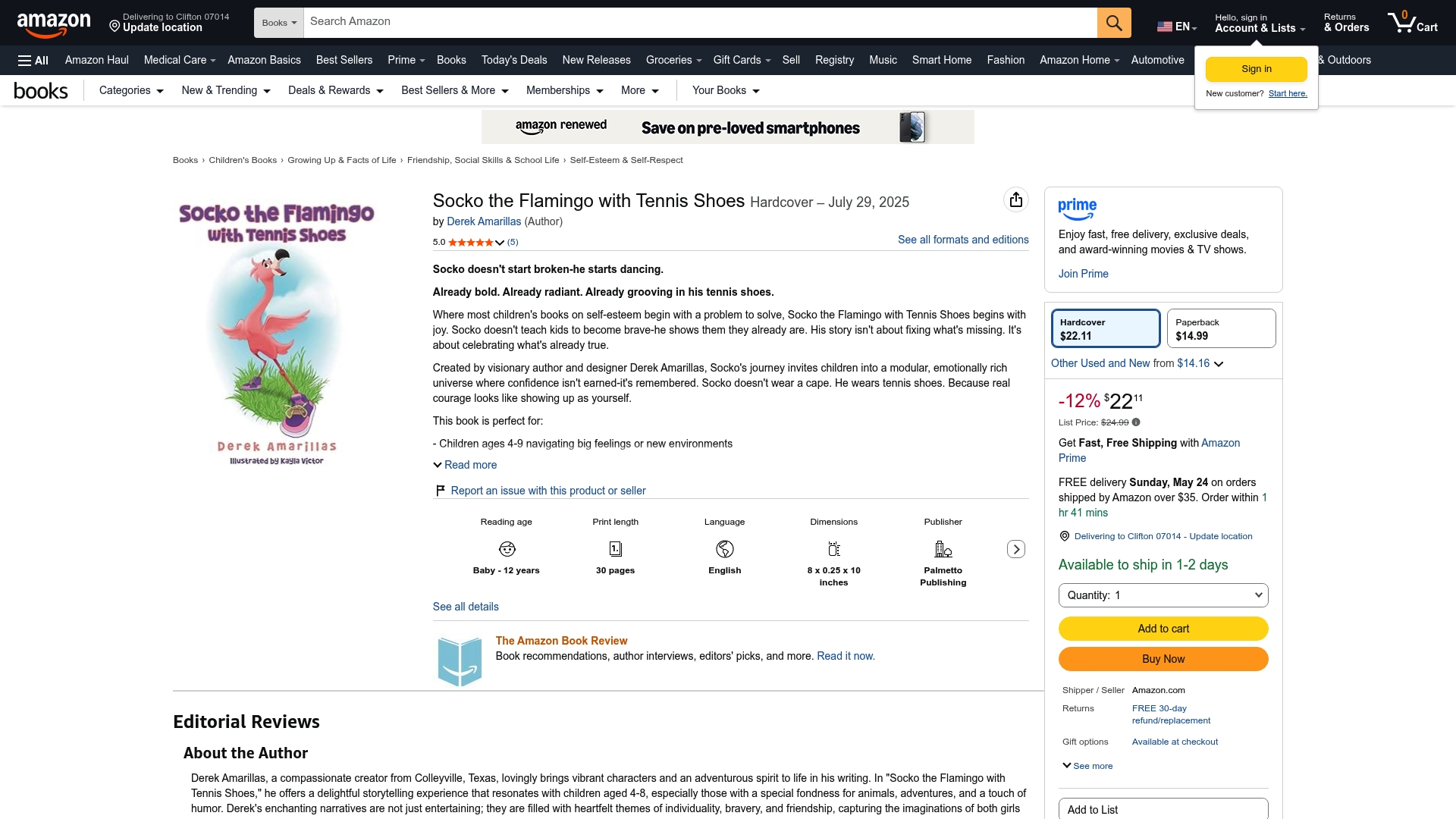
Socko's story uses humor and imagination to make emotional literacy approachable for young readers, which means children engage with the values naturally rather than feeling instructed. Whether you are shopping for a birthday, a classroom library, or a holiday gift, explore curated book selections that are designed to start conversations and stay on shelves for years. Add a personal inscription with the date and a note about why you chose it, and you have given a gift that compounds in meaning over a lifetime.
FAQ
Why do gifted books teach values better than other gifts?
Books present values through narrative, which means children absorb them through emotional identification with characters rather than direct instruction. A Carnegie Mellon University study confirms that reading activates neural pathways tied to empathy, making the learning both deeper and more durable.
What makes a book gift feel personal and meaningful?
A handwritten inscription with the date and a specific reason for choosing the book transforms it into a keepsake. Research shows that inscribed books rank among the top three most-saved personal belongings across major life transitions.
Are picture books effective for teaching values to young children?
Yes. Azimin Daud's 2026 insights confirm that Generation Alpha children develop core values and emotional literacy most effectively through physical picture books, which provide tactile engagement and shared reading experiences that digital media cannot replicate.
How does gifting books support a child's long-term wellbeing?
Regular readers live approximately two years longer than non-readers, and reading supports emotional regulation and mental health throughout life. Gifting books in childhood establishes the habit early, when it has the greatest long-term impact.
What should I look for when choosing a book to teach values?
Choose a story where the main character faces a challenge the child is currently experiencing. Books that address belonging, resilience, or emotional honesty give children language for their own feelings, which is the foundation of emotional literacy.