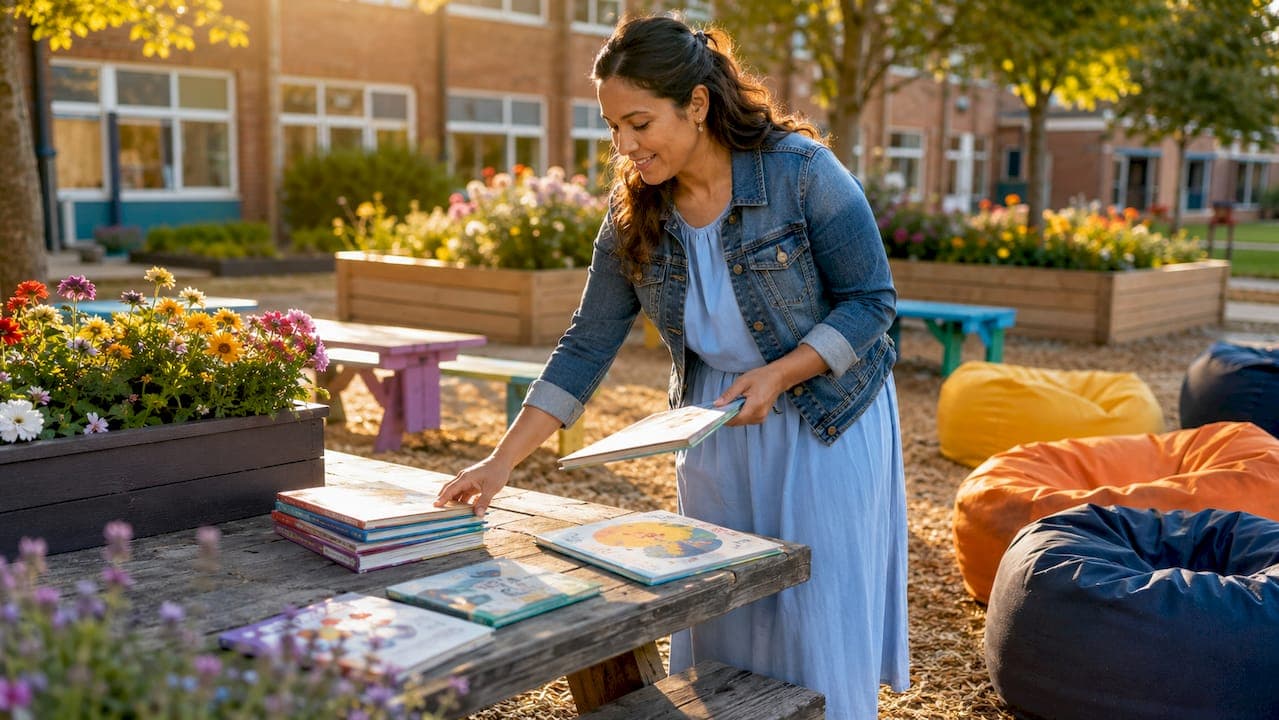
Donating social-emotional learning (SEL) books to classrooms directly supports student academic success and emotional well-being by giving teachers a practical tool for building the skills children need most. SEL is defined by CASEL as developmentally engaging instruction embedded in caring school cultures, covering emotional regulation, empathy, and responsible decision-making. Research from CASEL, UNESCO, and Frontiers confirms that these skills improve reading achievement, reduce dropout rates, and strengthen classroom relationships. For parents, educators, and gift givers asking why SEL books suit classroom gift donations, the answer is clear: they deliver measurable academic and social benefits that outlast any single lesson.
Why SEL books suit classroom gift donations
SEL books are among the most effective classroom donation ideas because they address two needs at once: literacy development and emotional growth. Most classroom gifts stop at content. SEL books go further by giving students a shared language for feelings, conflict, and identity.
CASEL's research frames SEL as the missing piece in American education, showing that SEL instruction improves academic success, classroom behavior, and student mental health. That finding matters because it means a single well-chosen book can open conversations that a worksheet never could. Characters like Socko the Flamingo from A model self-acceptance and belonging through humor, giving teachers a low-pressure entry point into big emotional topics.
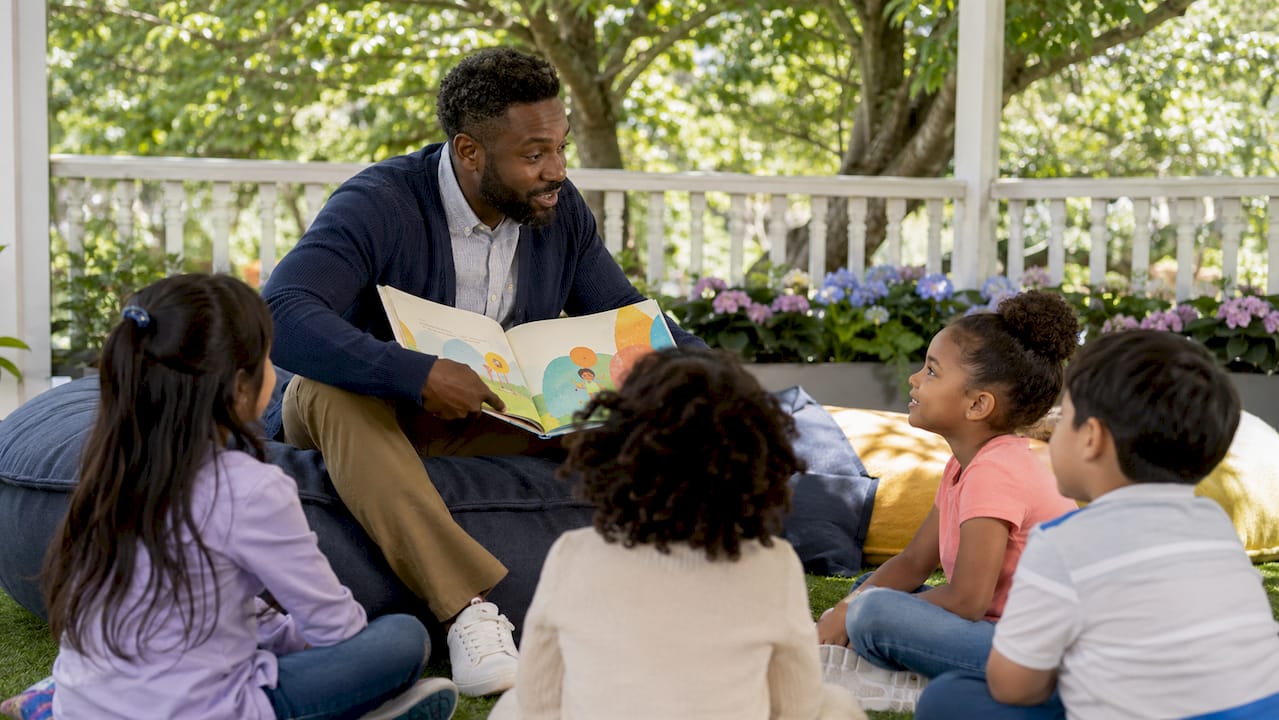
The importance of SEL in classrooms is not a trend. UNESCO and CASEL have both validated it as a system-level priority. When you donate an SEL book, you are contributing to that system, not just filling a shelf.
How SEL books build emotional literacy
Emotional literacy is the ability to name, understand, and manage feelings. SEL books for children build this skill by showing characters working through fear, frustration, and belonging in relatable situations. A child who sees a flamingo wearing tennis shoes and feeling out of place recognizes their own experience. That recognition is the first step toward regulation.
Pro Tip: Ask the classroom teacher which specific emotion or skill the class is working on before selecting a book. Targeting anxiety, anger, or belonging makes your donation far more useful than a general pick.
Do SEL books actually improve reading achievement?
The answer is yes, and the mechanism is well documented. A 2025 systematic review in Frontiers identified four pathways connecting SEL to reading success: emotional regulation, motivation, peer meaning-making, and productive learning behaviors. Each pathway directly supports literacy development.
CASEL's 2026 data shows that schools with SEL embedded in academic instruction outperform on reading measures even when accounting for economic conditions. That result is significant. It means SEL integration closes gaps that poverty alone would otherwise widen.
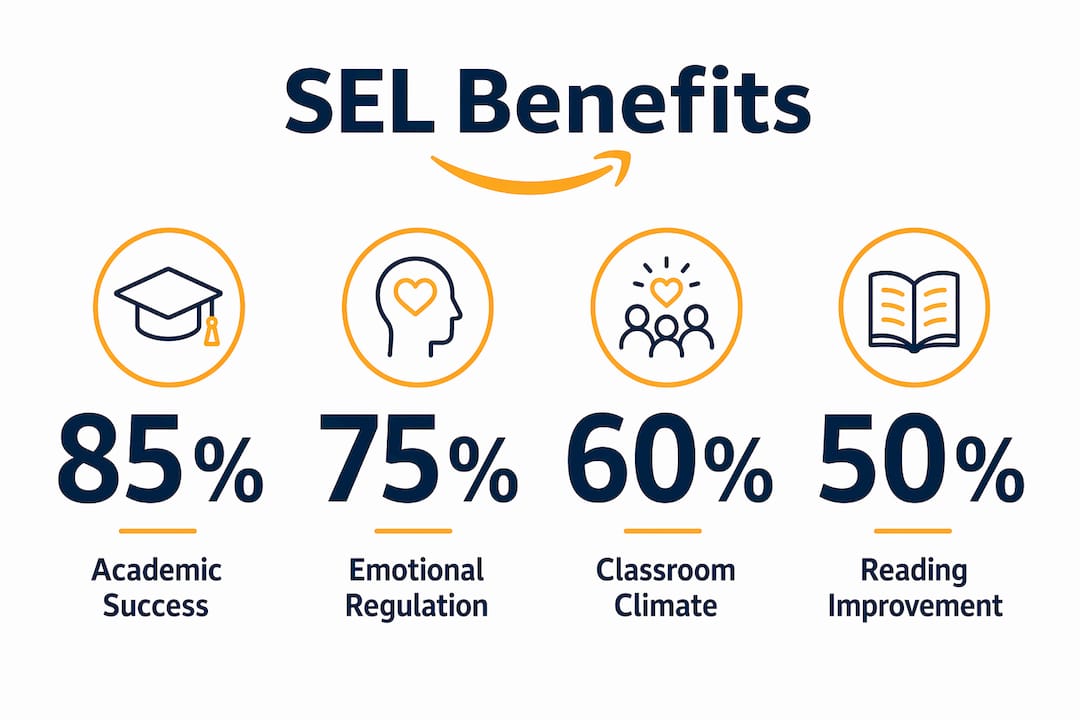
A 2026 randomized trial published in PNAS found that distributing print books in high-poverty schools causally improves reading achievement over multiple years. The causal link matters here. This is not correlation. Giving books produces gains.
| Mechanism | How It Supports Reading |
|---|---|
| Emotional regulation | Reduces anxiety that blocks comprehension |
| Motivation | Increases willingness to read independently |
| Peer meaning-making | Builds discussion skills and deeper text understanding |
| Learning behaviors | Improves focus, persistence, and classroom participation |
Pro Tip: When donating SEL books, include a short note suggesting one discussion question tied to the story. Teachers can use it immediately, and it signals that the book is meant for active use, not decoration.
What are the social-emotional benefits for classroom culture?
SEL book donations do more than support individual students. They shift the entire classroom climate. UNESCO's 2026 policy guide frames SEL as a system-level transformation that reduces dropout rates and strengthens classroom relationships. A single book, read aloud and discussed, can become a reference point for the whole school year.
Charlevoix Elementary in Michigan built a dedicated SEL library where tailored SEL book checkouts are aligned with individual student needs. Teachers and parents check out materials matched to what a child is currently working through, whether that is grief, anxiety, or social belonging. The model works because the books are specific, not generic.
Here is what consistent SEL book use produces in a classroom:
- Shared vocabulary: Students use the same words for feelings, which reduces conflict and misunderstanding.
- Reduced stigma: When a whole class reads about a character managing big emotions, individual struggles feel less isolating.
- Teacher entry points: Books give educators a natural, low-stakes way to open conversations about mental health and identity.
- Peer empathy: Stories model perspective-taking, which transfers to how students treat each other outside the book.
- Coping skill practice: Characters demonstrate regulation strategies that students can imitate in real situations.
Pro Tip: Donate books in sets of two or three on the same theme, such as anxiety or belonging. A teacher can rotate them across read-aloud sessions and reinforce the same skill over several weeks.
What makes an SEL book donation actually effective?
Not every book donation produces results. Education Week's 2026 expert panel is direct on this point: SEL gains require embedding in school culture and consistent adult modeling. A book sitting on a shelf does nothing. A book read, discussed, and referenced throughout the week does a great deal.
Quality implementation depends on four factors:
- Routine use. SEL books work best when teachers return to them repeatedly, not just once. Repeated exposure reinforces the emotional vocabulary and concepts.
- Adult modeling. Teachers who use the book's language in real classroom moments, such as naming their own frustration or acknowledging a student's courage, multiply the book's impact.
- Connection to real situations. Tying a story to an actual classroom conflict or celebration makes the lesson concrete and memorable.
- Student agency. Letting students choose which book to revisit or which character they relate to increases engagement and ownership.
"Embedding SEL within academic tasks, not as an extra, boosts student engagement and outcomes." — CASEL, 2026
The Charlevoix Elementary model adds another layer: the try-before-you-buy approach lets teachers and parents borrow SEL materials before committing to a purchase or donation. This matching process increases the odds that a donated book will actually be used. If you are donating to a school you know well, ask the teacher to preview a title before you buy it in bulk.
How should donors choose and coordinate SEL book gifts?
The most effective donors treat their gift as a collaboration, not a surprise. Consulting the classroom teacher before purchasing is the single highest-impact step a gift giver can take. Teachers know which SEL skills the class is actively building, whether that is emotional regulation, anxiety coping, conflict resolution, or self-acceptance.
Here is a quick comparison of donation approaches and their likely outcomes:
| Donation Approach | Likely Outcome |
|---|---|
| Surprise gift, no teacher input | Book may sit unused or duplicate existing titles |
| Teacher-requested title | High probability of immediate classroom use |
| Themed set tied to current unit | Reinforces ongoing instruction and maximizes impact |
| Checkout-first, purchase-second | Best match to student needs, highest integration rate |
Beyond book selection, gift givers can support sustainable SEL integration in several ways:
- Donate to classroom wish lists on platforms where teachers specify exact titles they need.
- Fund a small SEL library corner by donating a bookshelf alongside the books.
- Partner with a school librarian to identify gaps in the existing SEL collection.
- Include bilingual titles when the classroom serves multilingual learners.
The impact of SEL literature grows when it lives in a collection, not in isolation. One book is a conversation starter. Ten books on related themes become a resource that teachers return to all year.
Key takeaways
SEL books are one of the most research-backed classroom donation ideas available, delivering both literacy gains and emotional growth when integrated with consistent teacher practice.
| Point | Details |
|---|---|
| SEL books boost reading | CASEL and Frontiers research confirm SEL integration improves reading outcomes through regulation and motivation. |
| Classroom culture shifts | Shared SEL vocabulary reduces conflict and builds peer empathy across the whole class. |
| Implementation determines impact | Education Week experts confirm that adult modeling and routine use are required for SEL gains. |
| Coordinate before donating | Consulting teachers and using wish lists ensures donated books match current classroom needs. |
| Try-before-you-buy works | Charlevoix Elementary's checkout model shows that matching books to student needs increases actual use. |
What i've learned from watching SEL books land in classrooms
I have seen SEL books donated with the best intentions and never opened. I have also seen a single picture book become the emotional anchor for an entire school year. The difference is almost never the book itself. It is whether the adults around it treat it as a living tool or a decoration.
The research from CASEL and Education Week confirms what I have observed directly: quality implementation is everything. A teacher who reads a story once and moves on gets nothing. A teacher who returns to it, uses its language during a conflict, and lets students argue about what the character should have done differently gets something close to magic.
What surprises most gift givers is how much teachers want this kind of support. They are not looking for more stuff. They are looking for resources that fit into what they are already doing. That is why the best SEL book donations come with a conversation, not just a bow.
A, the brand behind Socko the Flamingo, understands this. The character works in classrooms because he is funny, specific, and emotionally honest. He does not lecture. He models. That distinction is what separates an SEL book that gets used from one that collects dust.
My honest advice: give one book with intention rather than ten books without context. Ask the teacher what they need. Then give that.
— Derek
Give A book that does more than sit on A shelf
If you are ready to make a classroom donation that actually gets used, A offers SEL picture books built around Socko the Flamingo, a character designed to spark real conversations about feelings, belonging, and identity.
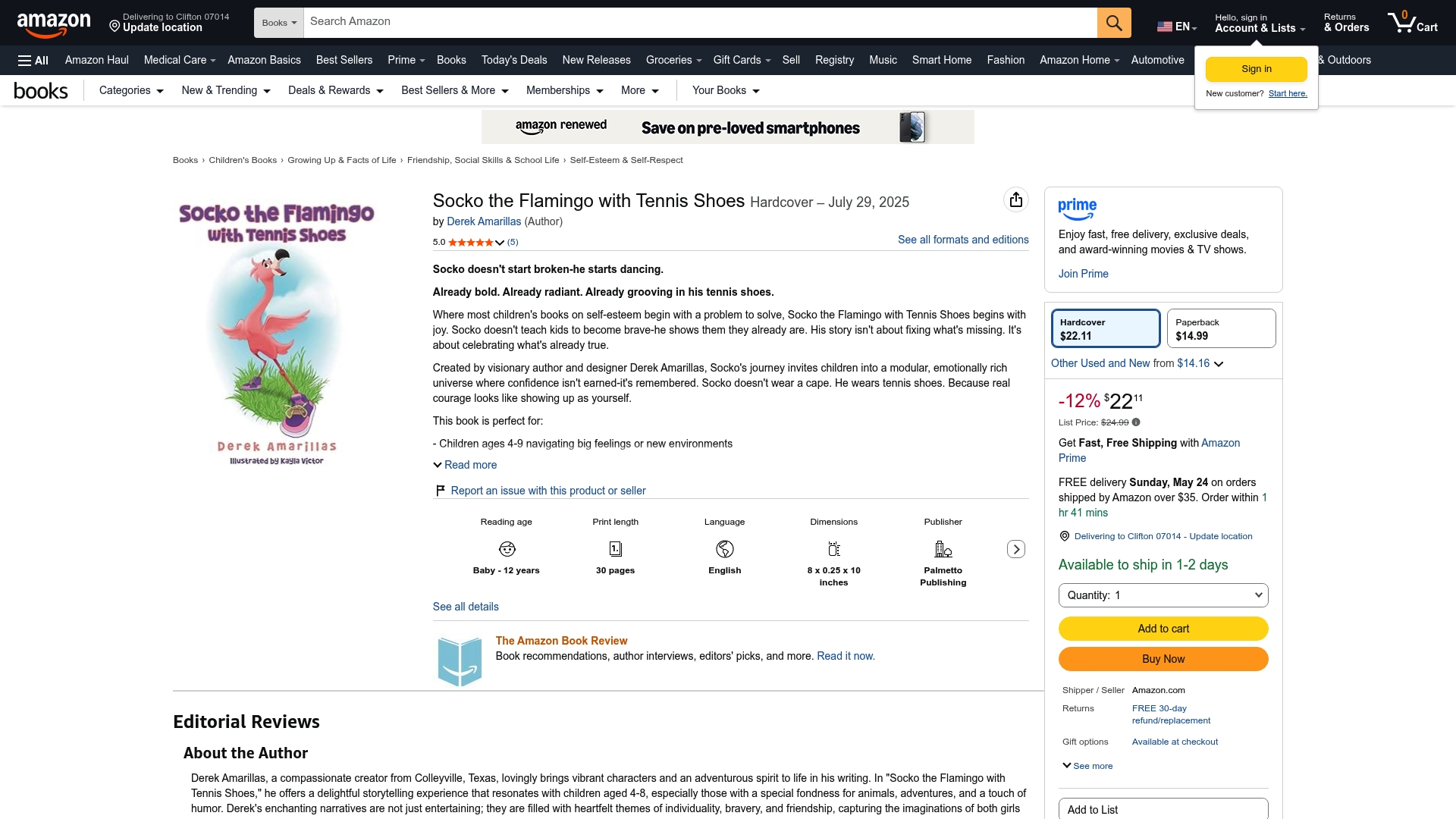
Teachers and parents use these books to open discussions that traditional curriculum rarely makes room for. Each title is written with humor and emotional honesty, making it easy for educators to integrate into read-aloud routines, morning meetings, and one-on-one moments. You can browse and donate SEL books directly through A's storefront and give a gift that earns its place on the classroom shelf.
FAQ
What makes SEL books better than other classroom donations?
SEL books address both literacy and emotional development simultaneously. CASEL research confirms that SEL integration improves reading outcomes and classroom behavior, making these books more versatile than most educational gifts.
How do i know which SEL book to donate?
Ask the classroom teacher which emotional skill or theme the class is currently working on. Targeting a specific need, such as anxiety, belonging, or conflict resolution, makes the donation far more likely to be used.
Do SEL books work for all grade levels?
SEL books for children are available from preschool through middle school, with age-appropriate language and themes. Picture books like those featuring Socko the Flamingo work especially well in K-3 classrooms where read-aloud is a daily routine.
Does donating books actually improve student outcomes?
A 2026 PNAS randomized trial found that distributing print books in high-poverty schools causally improves reading achievement over multiple years. The effect is strongest when books are used consistently, not stored.
What is the best way to coordinate an SEL book donation with A school?
Contact the classroom teacher or school librarian before purchasing. Many teachers maintain digital wish lists that specify exact titles needed, which removes guesswork and guarantees the donation fills a real gap.