For US primary schools seeking practical SEMH alternatives to Hamish & Milo, the strongest options are Second Step, PATHS, Zones of Regulation, RULER, MindUP, and Icon Literary. Icon Literary is the recommended pick for schools that want curriculum-ready picture books and turnkey classroom kits at a low entry cost.
Three categories worth shortlisting:
- Evidence-based whole-school SEL programs with structured PD and digital tracking (Second Step, PATHS, RULER)
- Framework and classroom tools that teachers embed across subjects (Zones of Regulation, MindUP)
- Book-led, activity-kit models for early primary small groups and whole-class read-alouds (Icon Literary)
Primary decision factors: age range fit (K–2 vs. K–5), delivery mode (whole-class vs. small group vs. 1:1), whether teacher training is built in, and whether the program includes measurable impact tracking.
Table of Contents
- What are the best hamishandmilo.org alternatives for US schools?
- How do you choose the right SEMH program for your primary school?
- Practical profiles of each alternative in US primary settings
- How long does implementation actually take?
- What does a SEMH program actually cost in a US primary school?
- Key Takeaways
- What most school leaders get wrong about SEMH program selection
- Icon Literary: teacher-ready SEL books and kits for early primary
- Useful sources
What are the best hamishandmilo.org alternatives for US schools?
| Program | Best for | Ages | Delivery modes | Teacher PD | Evidence level | Materials | Cost shape | Impact tracking | SEL alignment |
|---|---|---|---|---|---|---|---|---|---|
| Icon Literary | Book-led early primary kits, small group & whole class | K–2 (ages 3–8) | Whole-class, small group, 1:1, home | Teacher-ready guides included | Practitioner-supported | Picture books, card decks, activity kits, printables | One-time purchase; no recurring fee | Pre/post discussion tools; teacher observation | CASEL-aligned SEL themes |
| Second Step | Comprehensive K–8 whole-school SEL curriculum | PreK–Grade 8 | Whole-class primary; small group supplemental | Full PD suite; online and in-person | Strong RCT evidence base | Lesson kits, digital lessons, family materials | Per-site license; annual renewal | Built-in assessment tools | CASEL-aligned |
| PATHS | Tiered classroom SEL with trauma-informed lens | PreK–Grade 6 | Whole-class; small group | Facilitator training required | Multiple RCTs | Scripted lessons, puppets, feeling cards | Per-school license | Teacher observation rubrics | CASEL-aligned |
| Zones of Regulation | Self-regulation framework across all settings | K–Grade 8 | Whole-class, small group, 1:1 | Workshop PD available | Practitioner evidence; growing RCT base | Curriculum guide, visuals, digital tools | One-time curriculum purchase | Informal observation; no dashboard | CASEL self-management |
| RULER | Whole-school emotional intelligence culture | K–Grade 12 | Whole-school; classroom | Intensive Yale-led PD required | Strong RCT evidence | Anchor tools, lesson plans, digital platform | School/district license | Mood Meter app; structured reflection | CASEL-aligned |
| MindUP | Mindfulness-based SEL for classroom integration | PreK–Grade 8 | Whole-class primary | Teacher guide; optional PD | Peer-reviewed studies | Lesson plans, family resources | Per-class or school license | Pre/post surveys | CASEL-aligned |
Red flags to watch:
- Vendor lock-in: Programs requiring annual license renewals for core materials leave schools exposed when budgets shift. Ask whether printed materials remain usable if you cancel digital access.
- No built-in assessment tools: Manual-only tracking reduces long-term program sustainability in busy school environments. Any program without at least a simple pre/post measure should be deprioritized.
How do you choose the right SEMH program for your primary school?
Prioritize fit to your school's tiered response model, staff capacity, and assessment needs before comparing features.
Non-negotiables checklist:
- Age fit confirmed for your primary phase (K–2 or K–5)
- Flexible delivery across whole-class, small group, and 1:1
- Teacher training or scripted guides built in, not sold separately
- At least one impact-tracking mechanism (survey, rubric, or dashboard)
- Alignment to CASEL competencies or your district's SEL framework
- Transparent pricing with no hidden per-pupil recurring fees
Questions to paste into your procurement email:
- What PD is included in the base price, and what costs extra?
- Can you share a sample lesson plan and the evidence summary?
- What are the licensing terms if we scale from one grade to the whole school?
- Where is data hosted, and does the platform meet FERPA/COPPA requirements?
- What does the impact-tracking tool export, and can we pull reports ourselves?
Red flags that should stop a procurement:
- No PD included and no facilitator guide
- Evidence described as "research-informed" with no named studies or RCTs
- High per-pupil recurring fees with no option for a site license
- Dashboard access locked behind the most expensive tier only
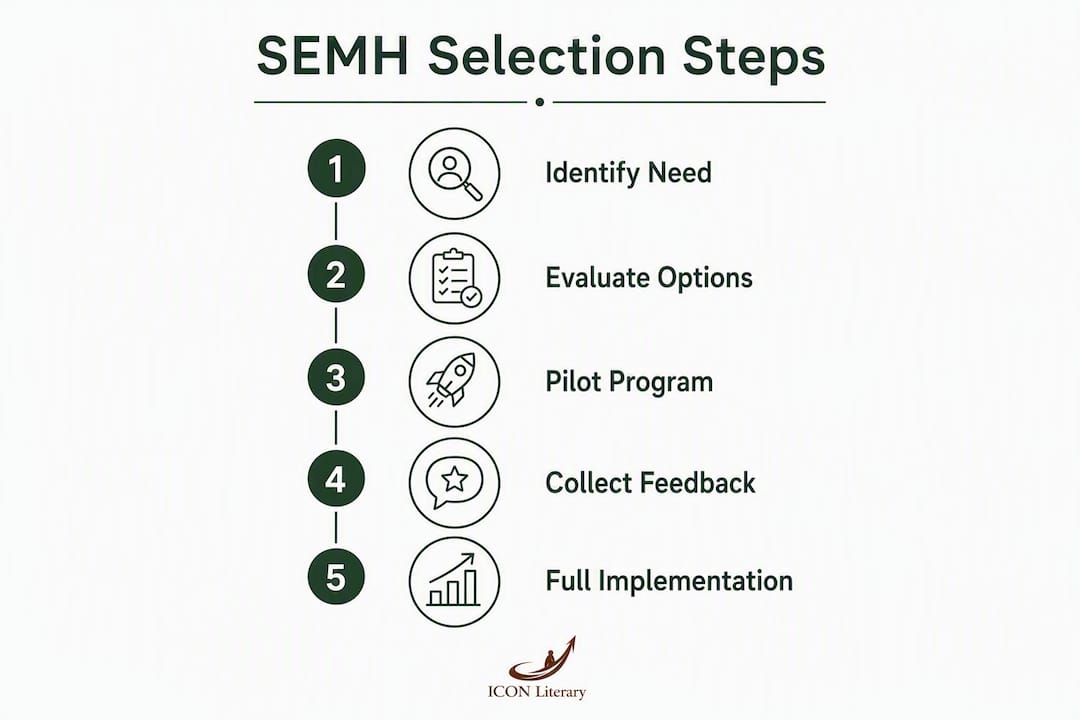
Pro Tip: Run a 6–8 week pilot with one class or small group before committing to a school-wide license. Collect three simple measures: a teacher observation rubric, a brief pupil voice check-in, and behavior incident counts. That data is usually enough to make a confident procurement case to your principal or district coordinator.
Practical profiles of each alternative in US primary settings
Icon Literary

Icon Literary sells picture books, themed card decks, and activity kits designed for children ages 3–8. Materials are available as physical books, printables, and digital downloads through direct e-commerce and Amazon, with no annual license required. What makes an SEL book effective is the combination of emotionally resonant characters, age-appropriate language, and built-in discussion prompts, all of which Icon Literary's titles deliver.
Implementation snapshot:
- Sessions run 15–20 minutes using a read-aloud followed by a card-deck discussion or activity sheet
- Any classroom teacher or paraprofessional can facilitate with the included teacher-ready guide
- Children engage through story, visual art, and hands-on card activities; no specialist training required
Best for: K–2 whole-class read-alouds, early primary small groups, 1:1 therapeutic support, and home reading. Procurement is direct and immediate.
Second Step (Committee for Children)
Second Step is one of the most widely used K–8 SEL curricula in US schools, with a strong RCT evidence base and full PD support. Lessons are scripted and sequenced, reducing planning burden for teachers. The program covers empathy, emotion management, problem-solving, and bullying prevention across grade bands.
Implementation snapshot:
- Multiple lessons per grade level, each roughly around half an hour in length
- Teachers deliver whole-class lessons; counselors can run supplemental small groups
- Digital lesson components and family connection materials included
Best for: Schools wanting a comprehensive, district-scalable curriculum with documented evidence. Requires annual license renewal.
PATHS (Promoting Alternative Thinking Strategies)
PATHS is a trauma-informed, scripted classroom curriculum with one of the longest evidence records in the SEL field, including multiple randomized controlled trials. It uses puppets and feeling cards, which practitioner reviews consistently link to stronger engagement in younger primary pupils.
Implementation snapshot:
- Lessons run about 20 to 30 minutes each, held multiple times per week
- Classroom teacher delivers with scripted lesson plans; facilitator training is required
- Feeling cards and puppets are core materials; children handle them directly
Best for: Schools with a trauma-informed or tiered-support focus, PreK–Grade 6.
Zones of Regulation
Zones of Regulation is a self-regulation framework rather than a full curriculum. Teachers embed the four-zone color system across the school day, making it low-burden to maintain once staff are trained. Exploring Zones of Regulation framework alternatives is worth doing if your school needs more structured lesson sequences alongside the framework.
Implementation snapshot:
- Framework introduced in 6–8 weeks; maintained as a daily classroom language
- Any trained teacher can lead; one-day workshop PD available
- Children use visual zone charts, check-in cards, and strategy toolkits
Best for: Schools wanting a shared emotional vocabulary across all grades and settings, K–8.
RULER (Yale Center for Emotional Intelligence)
RULER is a whole-school approach built around five emotional intelligence skills. It requires meaningful upfront investment in Yale-led PD, but schools that commit report culture-level shifts in how staff and students talk about emotions. The Mood Meter app provides structured daily reflection and light impact data.
Implementation snapshot:
- Anchor tools (Charter, Mood Meter, Meta-Moment, Blueprint) used daily across classrooms
- Intensive PD required; Yale offers school and district cohort training
- Children engage through mood check-ins, class charters, and structured reflection
Best for: Schools or districts ready to invest in a multi-year culture change, K–12.
MindUP (Hawn Foundation)
MindUP integrates mindfulness and neuroscience into 15 structured lessons per grade level. It is lower-cost than whole-school programs and works well as a classroom complement to a broader SEL framework.
Implementation snapshot:
- Lessons run about 20 to 30 minutes; include several short brain breaks daily
- Teacher-led with a detailed lesson guide; optional PD available
- Children practice focused attention, gratitude, and perspective-taking
Best for: Teachers wanting a standalone mindfulness curriculum, PreK–Grade 8.
| Program | Whole-class | Small group | 1:1 | Home |
|---|---|---|---|---|
| Icon Literary | ✓ | ✓ | ✓ | ✓ |
| Second Step | ✓ | ✓ | — | ✓ |
| PATHS | ✓ | ✓ | — | — |
| Zones of Regulation | ✓ | ✓ | ✓ | ✓ |
| RULER | ✓ | — | — | — |
| MindUP | ✓ | ✓ | — | ✓ |
How long does implementation actually take?
A realistic pilot-to-adoption timeline is several weeks for a term-long small-group pilot plus PD; whole-school rollout typically takes about an academic year.
Phased pilot timeline:
- Weeks 1–2: Staff PD session, materials review, and session planning
- Weeks 3–6: Pilot delivery with one class or small group; collect baseline data
- Week 7: Mid-point check using teacher observation rubric and pupil voice
- Weeks 8–10: Complete pilot; run post-measure and compare to baseline
- Weeks 11–16: Review data, present findings, and decide on scale
Recommended impact measures:
- Child wellbeing questionnaire (pre and post)
- Teacher observation rubric (weekly, 5 minutes)
- Behavior incident counts from existing school records
- Brief pupil voice tool (three questions, verbal or written)
- Referral rate tracking for pastoral or counseling support
Pilots that specify several measurable indicators and collect them pre, mid, and post are the most persuasive when seeking district funding approval.
Staff implementation checklist:
- Complete PD before first session
- Block planning time (30 minutes per week)
- Prepare materials and parent communication letter
- Set a data entry schedule (weekly, 10 minutes)
- Schedule a mid-point review meeting
Pro Tip: Pair a simple digital form (Google Forms works fine) with brief weekly case notes. The form captures quantitative trends; the notes capture the moments that numbers miss, like a child who finally named their emotion for the first time. Both matter when you present to a district coordinator.
What does a SEMH program actually cost in a US primary school?
Cost shapes fall into four categories: one-time kit purchase, per-site annual license, per-pupil recurring fee, or a mixed bundle with annual PD fees. Hamish & Milo's UK bundle pricing (£1,195–£2,475 per tier) illustrates how bundle models combine printed materials, digital access, and training, though US programs price differently.
Typical US cost ranges:
- Low-cost book and kit models (e.g., Icon Literary): Low-cost book and kit models range in the tens of dollars per title or kit, with no recurring fee and scalable by adding titles
- Mid-range curriculum bundles with PD (e.g., MindUP, Zones of Regulation): Mid-range curriculum bundles with PD can cost several hundred dollars per classroom; PD workshops are often priced separately
- Whole-school annual licenses with dashboards (e.g., Second Step, RULER): Whole-school annual licenses with dashboards can cost thousands of dollars per school annually, depending on grade span and PD level
Procurement tips:
- Buy a pilot bundle for one grade before committing to a site license
- Negotiate to include first-year PD in the base contract price
- Request a sample data export before signing any dashboard contract
- Ask whether printed materials remain usable if you cancel digital access
Funding ideas for tight budgets:
- Title I and Student Support and Academic Enrichment (SSAE) funds
- District mental health or wellness budget lines
- PTA or parent organization grants
- District innovation grants or ESSER-funded wellness initiatives
- SEL books sourced as classroom donations through community partnerships
Key Takeaways
The strongest SEMH program for your school is the one that fits your tier of need, your staff's capacity, and your budget — not the one with the most features.
| Point | Details |
|---|---|
| Match program to tier | Whole-school licenses suit systemic change; book-led kits suit early primary small groups and low-budget pilots. |
| Require built-in PD | Teacher training quality is the strongest predictor of program success; never accept materials-only packages. |
| Pilot before scaling | Run an 8–10 week pilot with 3–5 measurable indicators before committing to a site license. |
| Track impact from day one | Programs without at least a simple pre/post measure are harder to sustain and harder to fund. |
| Icon Literary for early primary | Icon Literary's books, card decks, and activity kits offer a low-cost, teacher-ready entry point for K–2 classrooms with no recurring license fee. |
What most school leaders get wrong about SEMH program selection
The default procurement instinct is to chase the program with the most evidence. That is not always wrong, but it misses the more common failure mode: a well-evidenced program that collapses after one year because the school underestimated staff capacity or skipped the PD.
The programs that stick are the ones teachers actually use on a Tuesday afternoon when they are tired. That means scripted guides, low prep time, and materials that do not require a specialist to facilitate. Turnkey resources that allow less-experienced pastoral staff to lead sessions are not a compromise — they are a sustainability strategy.
Book-led approaches like Icon Literary are sometimes dismissed as "too simple" compared to full curriculum packages. That is a mistake for early primary. A well-designed picture book with a structured discussion card deck covers the same CASEL competencies as a scripted lesson, costs a fraction of the price, and can be picked up by any teacher or paraprofessional without a training day. For K–2, the delivery vehicle matters less than the consistency of use.
The other underrated factor is what happens when a key staff member leaves. Programs built around one trained champion tend to disappear with them. The programs that survive staff turnover are the ones where materials are self-explanatory and the tracking system does not depend on one person's spreadsheet. An integrated dashboard helps, but even a shared Google Form beats nothing.
Icon Literary: teacher-ready SEL books and kits for early primary
If your school needs a low-cost, no-license, immediately deployable option for K–2 SEL, Icon Literary is worth a direct look. The catalog includes picture books, themed card decks, and activity kits built around original characters and emotionally resonant stories, all designed so any classroom teacher can pick them up and run a session without a training day.
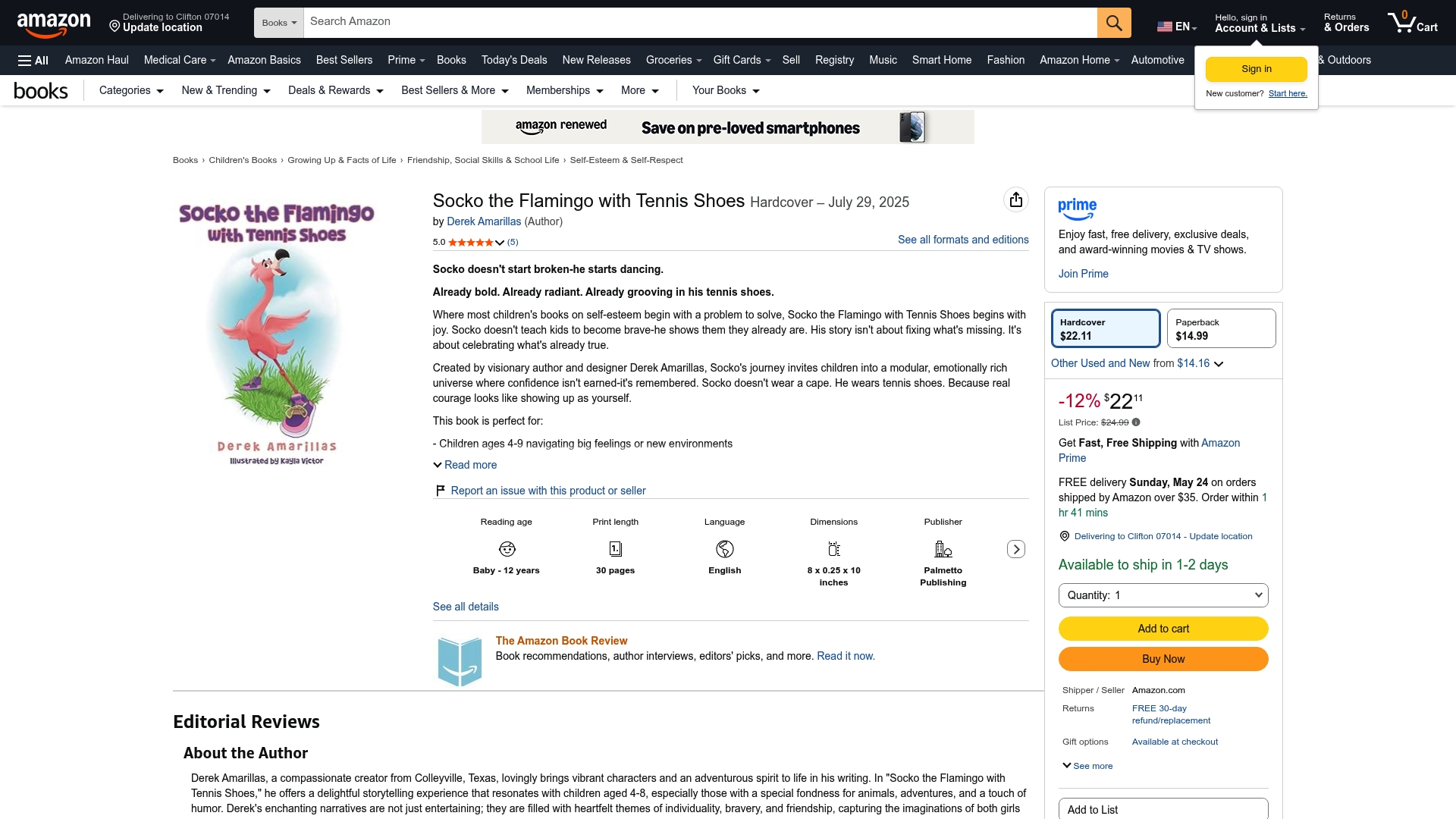
Materials align with CASEL's core competencies and cover self-awareness, relationship skills, and responsible decision-making through story and play. Physical books, printables, and digital downloads are available directly through the Icon Literary storefront and on Amazon, with no annual renewal and no per-pupil fee. For schools piloting a book-led approach before committing to a larger curriculum, it is a practical, low-risk starting point.
Browse the full catalog and order directly at Icon Literary.
This recommendation is made by the publisher, Icon Literary.
Useful sources
- Hamish & Milo Trustpilot reviews — practitioner and parent accounts of tactile kit engagement in primary SEMH sessions