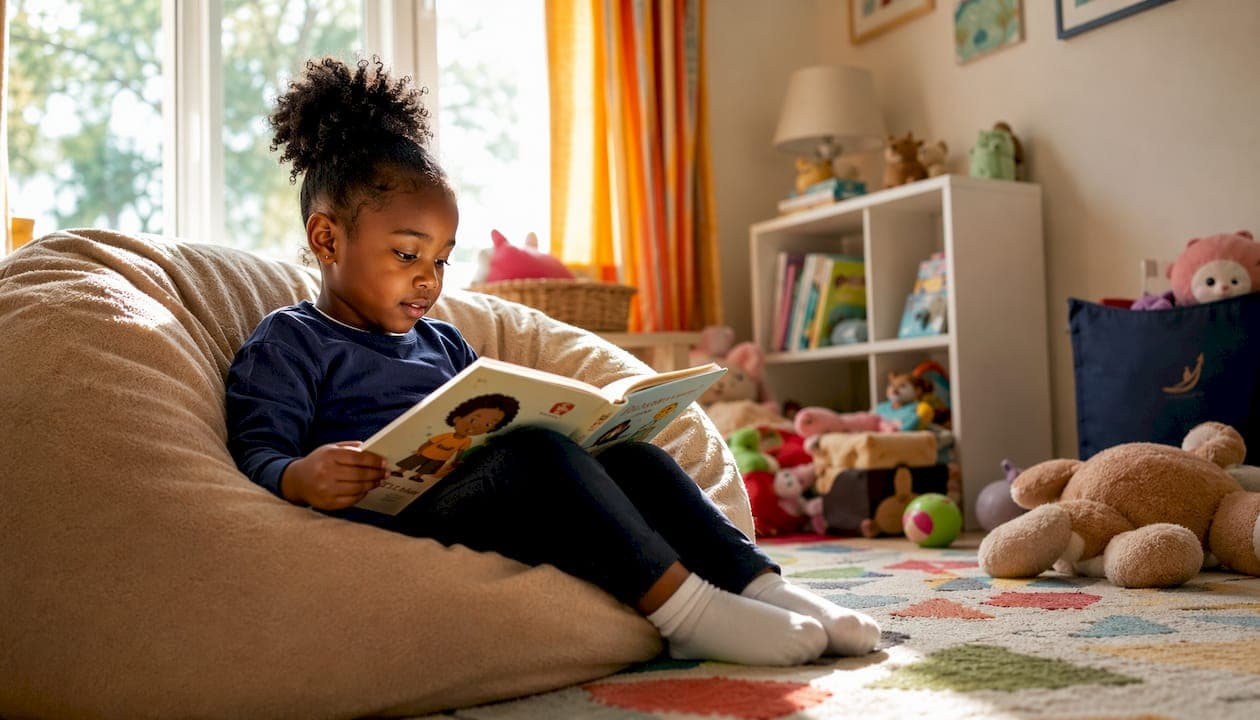
The best children's books for teaching empathy, ages 4–13
The strongest titles for building empathy in kids right now are A Kids Book About Empathy by Daron K. Roberts, Empathy Is Your Superpower by Cori Bussolari, PsyD, The Rabbit Listened by Cori Doerrfeld, Adrian Simcox Does NOT Have a Horse by Marcy Campbell, The Smallest Girl in the Smallest Grade by Justin Roberts, Last Stop on Market Street by Matt de la Peña, and Hey, Little Ant by Phillip and Hannah Hoose. Each one works differently, and age fit matters more than most caregivers realize.
Here's a quick orientation by age and theme:
- Ages 4–6: The Rabbit Listened (grief and presence), Hey, Little Ant (perspective-taking), Last Stop on Market Street (gratitude and community)
- Ages 5–7: Empathy Is Your Superpower (perspective-taking, daily kindness practice)
- Ages 5–9: A Kids Book About Empathy (feeling with others, not just for them)
- Ages 6–9: Adrian Simcox Does NOT Have a Horse (belief, class, and compassion), The Smallest Girl in the Smallest Grade (noticing others who go unseen)
- Ages 7–10: The Smallest Girl in the Smallest Grade also works well here for classroom read-alouds
Pro Tip: If you're homeschooling, pairing one of these titles with a weekly "feelings check-in" conversation turns a single picture book into a recurring social-emotional learning anchor.
What makes each of these books work so well?
A Kids Book About Empathy by Daron K. Roberts
Roberts, a former NFL coach turned Harvard Law graduate, wrote this book specifically to teach children the difference between sympathy and empathy. The core lesson is feeling with someone rather than just feeling for them, a distinction that trips up adults too. The book's bold typography and direct address pull even reluctant readers in. Ages 5–9.
Empathy Is Your Superpower by Cori Bussolari, PsyD
A licensed psychologist wrote this one, and it shows. Bussolari frames empathy as a skill kids can practice, not a trait they either have or don't. The superhero framing keeps it fun, while the embedded questions and activities push children to apply perspective-taking the same day they read it. Ages 5–7.
The Rabbit Listened by Cori Doerrfeld
When a child's block tower falls, every animal rushes in with advice. The rabbit just stays. That single narrative choice teaches something most adults still struggle with: sometimes presence matters more than solutions. The book models emotional attunement without ever using the word "empathy," which makes it land harder for younger kids. Ages 4–6.
Adrian Simcox Does NOT Have a Horse by Marcy Campbell
Adrian tells everyone he has a horse at home. His classmate Chloe doesn't believe him and says so, loudly. What unfolds is a quiet, precise lesson in how poverty shapes imagination and how cruelty can hide inside skepticism. This is one of the few picture books that asks children to examine their own judgment, not just feel sorry for a character. Ages 6–9.
The Smallest Girl in the Smallest Grade by Justin Roberts
Laura is the smallest kid in school, and she notices everything: who gets left out, who gets picked on, who nobody sees. The book's central argument is that noticing is the first act of empathy. Roberts, a children's musician, gives the story a rhythmic, almost lyrical quality that makes it work as a read-aloud. Ages 6–9.
Last Stop on Market Street by Matt de la Peña
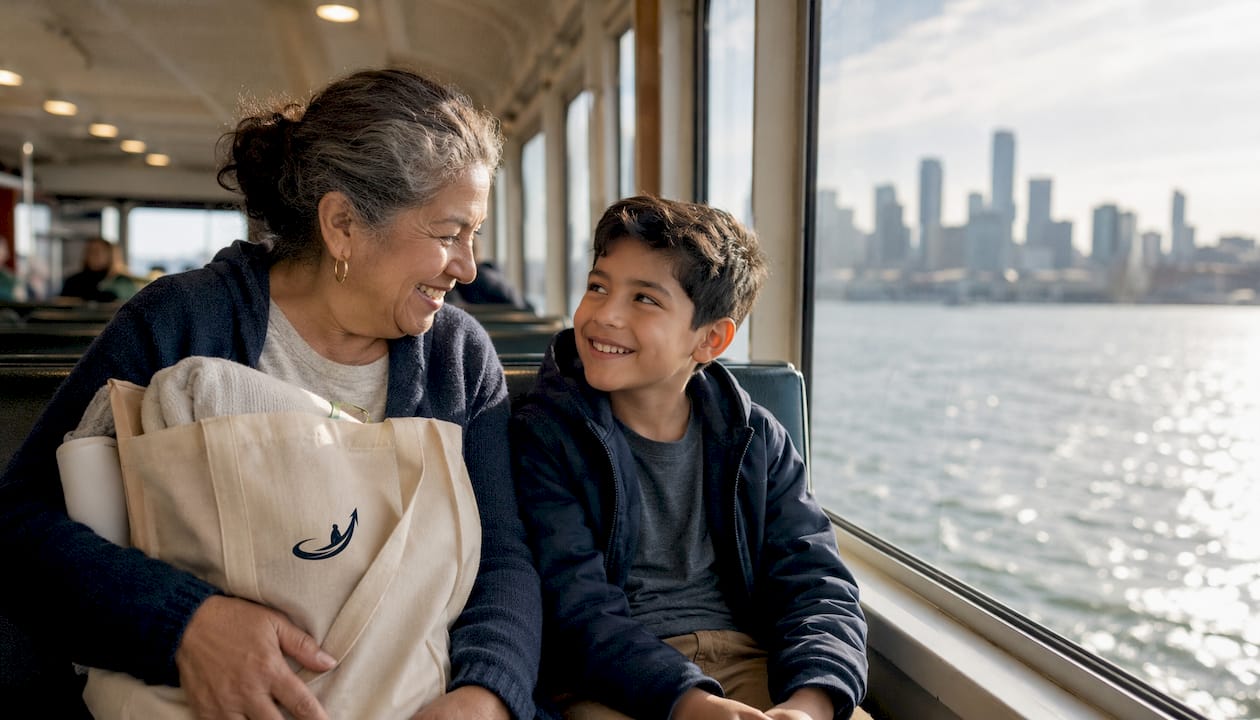
CJ and his grandmother ride the bus across town every Sunday to volunteer at a soup kitchen. CJ keeps asking why they don't have what other kids have. His grandmother keeps showing him what they do have. The book won the Newbery Medal and the Caldecott Honor, and it earns both. It teaches gratitude and community connection without a single preachy sentence. Ages 4–7.
Hey, Little Ant by Phillip and Hannah Hoose
A boy is about to squish an ant. The ant talks back. The book ends without resolving the question, which is exactly the point. Children are left to decide what happens, and that open ending generates more genuine moral reasoning than any tidy conclusion could. The Stanford Libraries kindness guide lists it among the strongest titles for sparking ethical conversations with young readers. Ages 4–8.
Pro Tip: For any book featuring a character whose life looks different from your child's, pause before the last page and ask: "What do you think this character wishes you understood about them?" That one question does more work than a full discussion guide.
How to use these books to spark real conversations about feelings
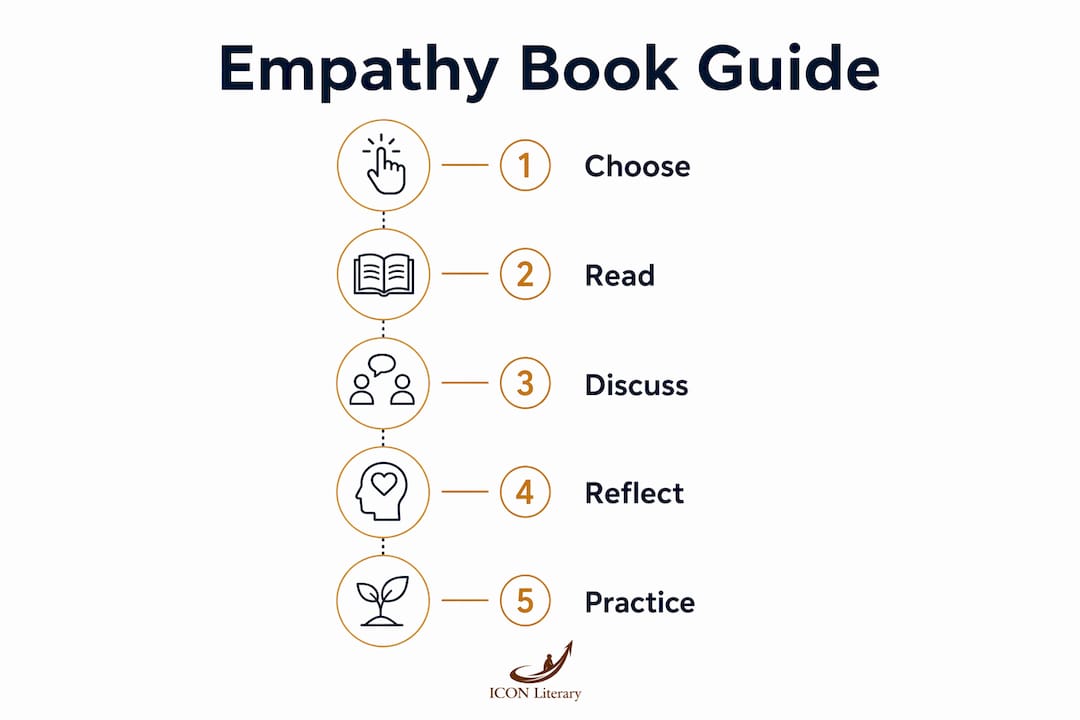
Reading the book is the starting point, not the finish line. Discussing characters' feelings and motivations after reading builds more empathy than focusing on plot recall alone. The goal is to move children from "what happened" to "why did it feel that way."
A few approaches that work consistently:
- Pause mid-story at a moment of conflict and ask, "How do you think this character feels right now?" before the book reveals it.
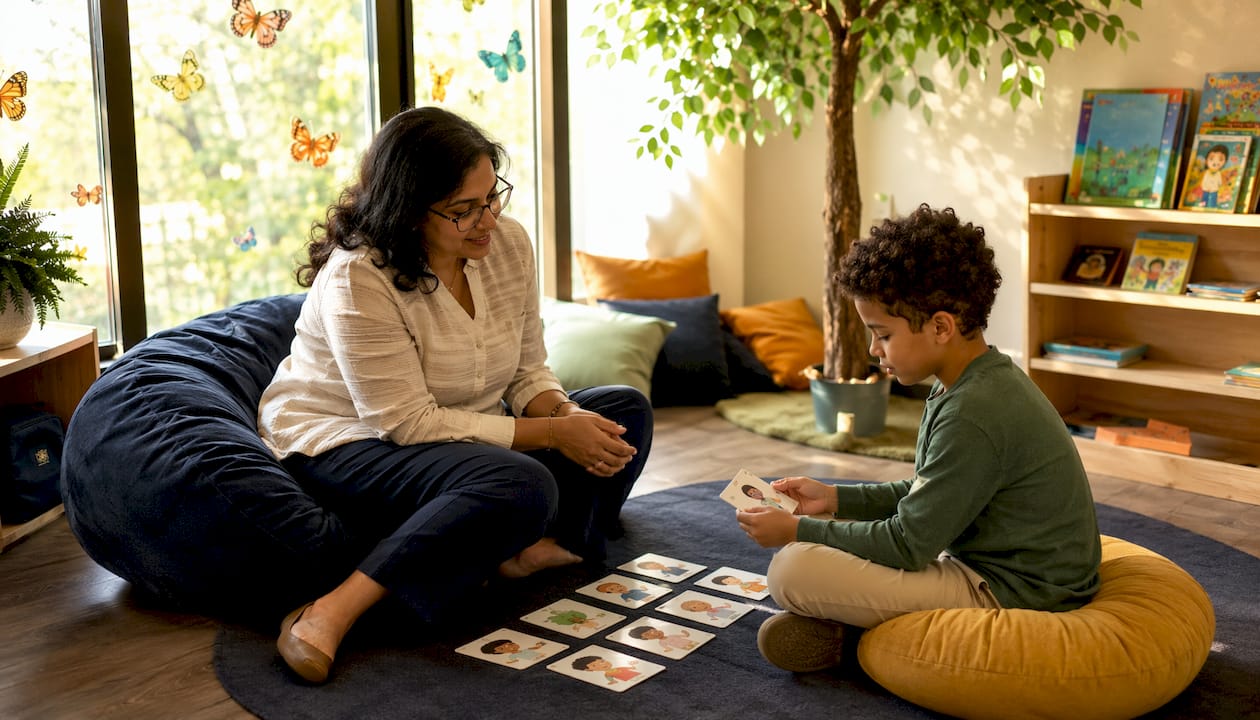
- Name the emotion specifically. Not "sad" but "lonely," "embarrassed," or "left out." Precise emotional vocabulary is a skill, and picture books with emotional lexicon actively build it.
- Connect to the child's life. "Has anyone ever made you feel the way Adrian felt?" grounds the story in real experience.
- Let the child lead. Open-ended questions ("What would you have done?") produce richer responses than yes/no prompts.
- Return to the book. Repeated exposure to the same emotional narrative lets children notice details they missed the first time, gradually deepening their understanding.
Books create a safe distance from real-life conflict. A child who won't talk about a fight with a friend may open up completely when the same dynamic plays out between fictional characters. That protective frame is one of the most underused tools in a caregiver's kit.
also does something subtler: it establishes a ritual that tells the child their inner world matters, which lays the groundwork for recognizing that other people have inner worlds too.What the research says about choosing and using empathy books
The evidence on individualized storybook reading is clear: one-on-one reading with an engaged adult produces meaningfully higher empathy gains in children than group reading or passive adult involvement. If you can read one-on-one, do it.
A few research-backed principles for selecting and using these books:
- Choose books with strong, clear emotions for younger children. Subtle feelings are harder to process for kids under 7. Books like The Rabbit Listened and Hey, Little Ant work because the emotional stakes are obvious.
- Prioritize characters who don't look or live like your child. Out-group character identification expands cognitive empathy by pushing children to imagine lives beyond their own social circle. Last Stop on Market Street and Adrian Simcox Does NOT Have a Horse do this particularly well.
- Look for illustrations that show faces and body language clearly. Picture books convey emotional cues visually, and children practice reading those cues the same way they practice reading words. A book with expressive, detailed illustrations gives kids more to work with.
- Adult mediation matters more than the book itself. The empathy-building impact of any picture book rises significantly when a caregiver uses dialogic reading techniques: labeling emotions, asking "why" questions, and connecting the story to the child's experience.
- Evaluate for narrative quality, not just message. A book with a heavy-handed lesson and flat characters teaches less than a story that trusts the reader. The titles on this list earn their place because the storytelling is good, not just because the theme is right.
For a deeper look at what separates effective social-emotional learning titles from well-intentioned ones, the SEL book criteria outlined by Icon Literary cover the structural and narrative elements that actually move the needle.
Key Takeaways
The single most effective way to build empathy through books is one-on-one reading with an engaged adult who asks open-ended questions about characters' feelings, not plot details.
| Point | Details |
|---|---|
| Best books by age | The Rabbit Listened and Last Stop on Market Street for ages 4–7; A Kids Book About Empathy for ages 5–9; Adrian Simcox for ages 6–9. |
| One-on-one reading wins | Individualized reading with an engaged adult produces higher empathy gains than group reading. |
| Emotional vocabulary matters | Books with specific emotional language build the lexicon children need to name and understand feelings. |
| Out-group characters expand empathy | Books featuring characters unlike your child push perspective-taking beyond familiar social circles. |
| Adult conversation is the multiplier | Dialogic reading, labeling emotions, and open-ended questions after reading significantly deepen empathy outcomes. |