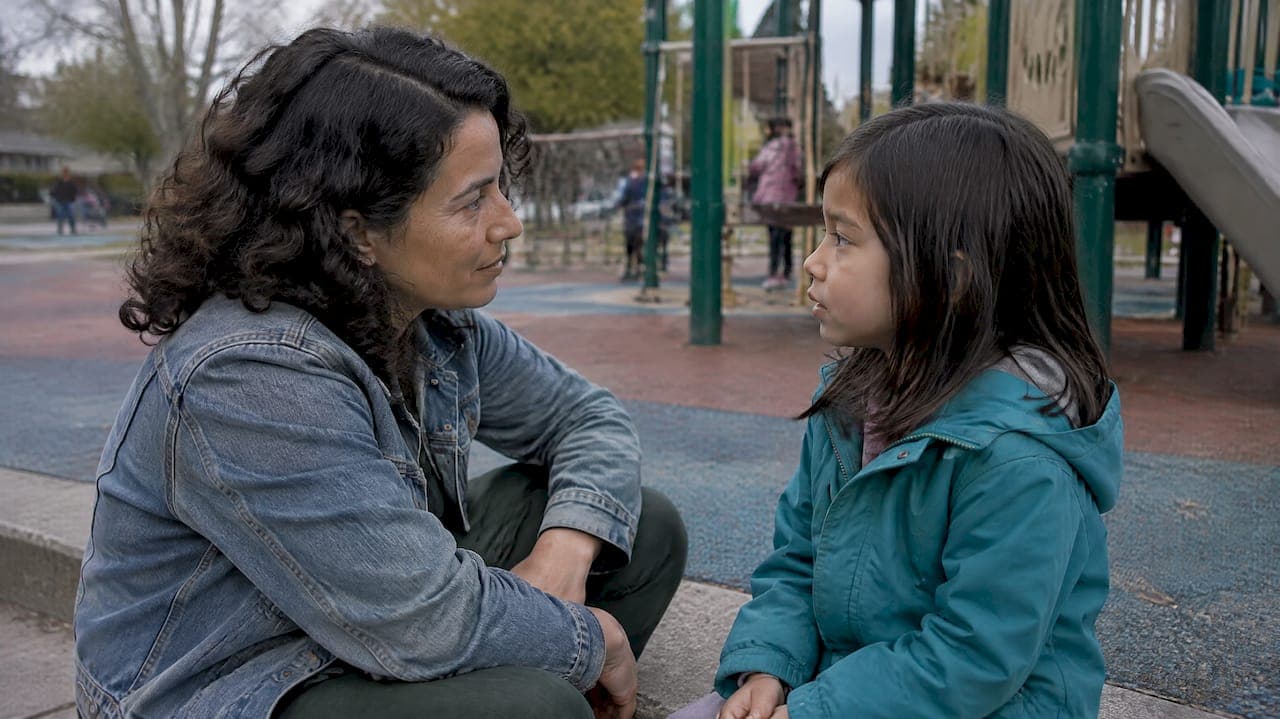
Start with a few broad feeling words, then add new ones through daily labeling, modeling and simple games. Children with a richer emotion vocabulary tend to recognize and manage feelings more adaptively, which helps them tell you what is wrong before it turns into behavior. Scroll down for copyable word lists and an activity toolbox.
TL;DR:
- Start with happy, sad, mad, and scared at ages 2–4; add frustration and pride at 5–7, then anxiety and relief at 8–11.
- A survey of 336 emotion words found children understood 41 at ages 4–6, 88 at 7–8, and 180 at 9–10.
- Introduce two or three new words at a time, revisit them in stories and daily moments, and keep older labels in rotation.
- Ask children to explain each word’s cause, body cues, and intensity compared with a related feeling, rather than memorizing labels alone.
- Keep practice brief and repeatable: name your feelings, link a child’s word to its cause, then offer choices such as breathing or rebuilding.
Table of Contents
- 1. Which emotion words should you teach at each age?
- 2. What does the research say about emotion vocabulary?
- 3. How can you teach feeling words every day?
- 4. Which games and activities help children practice feeling words?
- 5. How do read-alouds teach feeling words?
- 6. What should a feelings corner include?
- 7. Where can you find printable emotion resources?
- 8. Why we teach feelings through characters and stories
- 9. Duckwave Decks and kits for emotion vocabulary practice
- FAQ
- Sources
1. Which emotion words should you teach at each age?
Children do not learn feeling words all at once. They collect them in layers, and the words you pick should match the layer a child is ready for. Use the lists below as a starting point and adjust to the child in front of you.
- Preschool and toddler (2–4): happy, sad, mad (or angry), scared. Toddlers as young as 2 already use basic labels like these, so pair each word with a face, a tone of voice and a simple example: "You smiled big. You look happy."
- Early elementary (5–7): add frustrated, disappointed, proud, surprised, excited, worried, lonely. These words name intensity and cause. "Frustrated" is not just mad; it is mad because something will not work.
- Later elementary (8–11): add embarrassed, jealous, relieved, anxious, nervous, overwhelmed, guilty, grateful. Give each one a short definition and a situation. Embarrassed: "That hot feeling when everyone notices a mistake you made." Relieved: "The loosening in your chest when the thing you feared did not happen."
A developmental survey of 336 emotion words found that 41 were understood by most 4–6 year olds, 88 by 7–8 year olds and 180 by 9–10 year olds. That growth curve is why a preschool list should stay short and an upper-elementary list can stretch.
Positive words also tend to arrive first. Researchers studying how children map emotion words by valence note that happy, angry and sad emerge before fear, surprise and disgust. So if a child confuses “surprised” with “scared,” offer the words in context and allow time to learn the distinction.
A few pacing rules keep the lists useful:
- Introduce a few new words at a time, not a whole chart.
- Revisit each word across contexts: a book, a playground moment, a movie, a classroom conflict.
- Retire nothing. Old words stay in rotation while new ones join, so depth grows alongside size.
- Let the child's own words count. If a six-year-old says "squirmy" for nervous, accept it, then offer the standard label next to it: "Squirmy. Maybe nervous?"
Teachers often ask whether to teach negative words more than positive ones. Teach both. Children rarely need help naming "happy," but they need plenty of help telling "disappointed" from "angry," because those two call for different responses.
2. What does the research say about emotion vocabulary?
The pattern is consistent: vocabulary grows fast, and the growth matters for behavior. In the developmental survey of emotion words, a child's emotional lexicon roughly doubles every two years between ages 4 and 11, with growth leveling off in adolescence. Adults can support this growth by modeling and discussing feeling words.
Between ages 4 and 11, a child's emotional lexicon doubles about every two years. That means the words you model at four are the foundation for most of what a child will understand by eleven.
The link to behavior is just as important. Work on preschoolers' emotion-specific vocabulary finds that both the size and the depth of a child's vocabulary predict how well they recognize emotions and how adaptively they regulate them. A separate study of 4–8 year olds found that children's emotion word knowledge is associated with adaptive emotion regulation, and that family engagement in emotion teaching predicts how many words children know.
Size and depth are not the same thing:
- Size is how many feeling words a child knows. A child who can say happy, sad, mad, scared, proud and shy has a decent size.
- Depth is how adult-like their use of those words is: knowing that "disappointed" means a hoped-for thing did not happen, that it sits below "angry" in intensity, and that it can show up when you lose a game or when a friend cancels.
Depth is particularly important for emotion recognition, according to the preschool vocabulary research above. So do not only hand children more words. Spend time on the words they already have: when does it happen, what does the body feel like, what is a stronger or softer version?
Caregiver talk makes a measurable difference too. Researchers at Princeton found that caregiver speech predicts when children's emotion vocabulary emerges, because adults surround new labels with related words and context cues. That is the whole teaching job in one sentence: say the word, and wrap it in meaning.
3. How can you teach feeling words every day?
You do not need a curriculum to start. A few habits can help, and each can fit into moments that already exist in your day.
Narrate your own feelings. Early-childhood practice briefs from the Center on the Social and Emotional Foundations for Early Learning recommend that adults model feelings and label children's feelings, then reinforce them through games, songs and read-alouds. The RULER early childhood teaching guide adds family engagement and starts with core Mood Meter words (happy, sad, calm, angry), then introduces additional words through stories and routines.
Tie words to the body. Teach children to notice a fast heartbeat, a tight stomach, clenched fists, a hot face. Body cues are the bridge between a raw sensation and a label, and they give a child something concrete to point at.

Use predictable routines. A feeling word learned in a calm moment is easier to reach for in a hard one. Short check-ins, a regular read-aloud and the same calm-down steps every time lower the effort for everyone.
Stretch intensity. Start with a broad word, then split it: sad, then disappointed, then heartbroken. Each step gets its own example.
Here is a simple routine you can copy:
- Notice and name. Describe what you see, then offer a label. "Your shoulders are up and you're stomping. Are you feeling frustrated?"
- Connect to a cause. Link the feeling to what happened. "You worked hard on that tower and it fell. That makes sense."
- Choose a next step. Offer options. "Do you want to take three slow breaths or build it again with me?"
Say your own version out loud, too. "I'm feeling nervous about this meeting. My stomach feels fluttery. I'm going to take a slow breath." Children learn the full pattern by hearing it from you.
Pro Tip: If a child rejects the label you offer, do not argue. Say, "Tell me if that fits," and offer a second word. Giving two choices teaches them that labels are guesses they can correct, which builds depth.
If you want a longer plan with scripts for each week, our 6–8 week plan to teach emotions to kids lays it out step by step for parents and teachers.
4. Which games and activities help children practice feeling words?
Low-prep activities beat elaborate ones, because the ones you can set up in two minutes are the ones you will actually repeat. Each idea below lists setup and a script, and notes whether it builds size (more labels) or depth (richer meaning).
- Feeling charades (setup: 1 minute, no materials). Whisper a feeling to a child, who acts it out. Script: "Show me proud without using words. What does your face do?" Builds size. For younger children, use simple words such as happy, sad, mad and scared. For older children, add words such as embarrassed or relieved. Our feelings charades scripts give you ready lines.
- Emotion sorting (quick setup, index cards). Write feelings on cards and sort into groups: comfortable, uncomfortable, big, small. Script: "Where does disappointed go? Is it bigger or smaller than furious?" Builds depth. See our low-prep emotion sorting activities.
- Feelings bingo (quick setup, paper grid). Call out situations, children cover the matching feeling. Script: "Your balloon floated away. Which square?" Builds size and depth.
- Mood meter check-in (setup: none). Ask children to point to how high or low their energy is and whether the feeling is pleasant, then name it. Script: "High energy, not pleasant. Frustrated or anxious?"
- Feeling-face mirrors (setup: 1 minute, small mirror). Children make a face, look at it, and name it. Script: "What do your eyebrows do when you're surprised?" Best for ages 2–5.
- Role play (setup: 2 minutes). Act out a short scene and pause. Script: "Your friend took your turn. What are you feeling? What could you say?"
- Story prompts (setup: none). Stop mid-book and ask, "How do you think she feels right now? What tells you that?"
- Weather report (setup: none). "My feelings today are cloudy with a chance of nervous." A gentle way for shy children to share.
- Feeling of the day word wall (setup: 5 minutes). Add one new word daily with a child-drawn picture.
- Stronger or softer (setup: none). Offer a word and ask for a bigger or smaller one. "Annoyed. What's bigger? What's smaller?" Builds depth fast.
Rotate games that grow size with games that grow depth. Charades and bingo introduce labels. Sorting, role play and stronger-or-softer make those labels mean something.
Pro Tip: Keep activities brief. Short and repeated beats long and occasional, and children remember the game better when it ends while they still want more.
5. How do read-alouds teach feeling words?
Picture books give children a safe place to practice labeling feelings, because the character is the one struggling, not them. Repetition helps. Rereading a story lets you ask a different question each time.
Try this plan with one book:
- Day 1: Identify. "How does the character feel on this page? What do you see that tells you?"
- Day 2: Predict. "What do you think she'll feel when she opens the door?"
- Day 3: Link cause. "Why did he feel left out? What happened right before?"
- Day 4: Connect. "Has anything like this ever happened to you? What did your body feel?"
- Compare intensity. "Was she annoyed or furious here? Which page is the biggest feeling?"
A few sample prompts to keep nearby:
- "Show me with your face how he feels."
- "What other word could we use for that feeling?"
- "What could she do to feel a little better?"
- "What would you say to her?"
Keep discussions brief. If a child is not interested, finish the story and try the prompt again next time. For book picks and more questions, see our guide to reading feelings books together for ages 3–8.
6. What should a feelings corner include?
A feelings corner is a small, predictable space where children can match what their body is doing to a word and practice calming down. It does not need to be large. A corner of a rug works.
Essentials:
- Feeling cards with faces and words, within reach of small hands.
- A mirror, so children can see their own expression.
- Sensory or tactile objects, such as a stress ball, a soft cloth or a calm-down jar. Our partner's parent's guide to sensory play and child development explains why touch and texture can steady young children.
- Calm-down steps on a poster, using pictures: breathe, squeeze, count, ask for help.
- Clear signage, so children know what the space is for.
Short routines make it work:
- Morning check-in (2 minutes). Each child points to a card or says a word.
- Mood meter prompt. "Show me where you are on the meter right now."
- Cool-down after an upset (1–3 minutes). Visit the corner, use one tool, name the feeling, then rejoin.
To keep children using it, rotate the cards periodically, add one new word at a time, and let them see you use the space too. A corner nobody models becomes furniture. For layout ideas, our guide to designing a feelings corner that kids actually use walks through it.
7. Where can you find printable emotion resources?
You can start today with printables. Here is what to look for and what each is best at:
- Feeling posters with faces and words: best for classroom walls and daily check-ins.
- Feeling cards: best for charades, sorting and bingo.
- Read-aloud prompt sheets: best for turning any picture book into a vocabulary lesson.
- Mood meter charts: best for older children who can place energy and pleasantness.
- Activity packs and card decks: best for keeping new content flowing without rebuilding materials every week.
We offer matching printables and activity kits, with downloadable content. See our member site for details. Whatever you choose, plan a rotation: introduce a few words regularly, repeat previously introduced words in new contexts, and bring old words back periodically. Exposure over time builds depth.
8. Why we teach feelings through characters and stories
Our view is simple: children can practice feeling words through stories about characters they care about. A character who slumps, hides or storms off gives a child a safe way to say, "I know that one." That is why our work centers on original characters, card decks and story worlds rather than flat vocabulary lists.
Here is a small example. Pull a character card from one of our decks, show the face and ask, "What do you think he's feeling? What happened right before?" A child who might never say "I felt left out" will happily say it for the character. Then you ask, "Has that ever happened to you?" and the word is theirs.
I am Derek Amarillas, and I write these guides alongside our design team. You will find more scripts and routines in our blog resource library.
— Derek Amarillas
9. Duckwave Decks and kits for emotion vocabulary practice

Our Duckwave Decks give you cards to use in activities such as charades, sorting and read-alouds. At $7 one-off, Duckwave Decks are an easy first purchase for ages 3–8.
- What you get: themed cards.
- Where to find us: the Duckwave Decks page, our Socko's Universe catalog and the member site.
- A low-commitment next step: download a sample printable or open the Duckwave Decks page and pick one card to try at dinner tonight.
FAQ
What are emotions in simple words for kids?
Emotions are the feelings inside your body that tell you how you are doing, like happy, sad, mad or scared. They can be big or small, and all of them are okay to have. Naming them helps children and adults decide what to do next.
What is some vocabulary for emotions?
Start with happy, sad, mad and scared, which toddlers often already use. Add frustrated, proud, surprised and disappointed in early elementary, then embarrassed, jealous, relieved and anxious for older children.
What are the 12 basic emotions?
There is no single agreed list, and researchers define basic emotions differently. For children, a practical starting set is happy, sad, mad, scared, surprised, proud, excited, worried, lonely, calm, frustrated and disappointed.
How many emotion words should I teach at once?
Two or three at a time is plenty. Revisit them across stories, games and real moments so children learn what each word means, not just how it sounds.
Sources
- Pubmed
- Emotion-specific vocabulary is associated with preschoolers’ emotion knowledge and behavioral emotion regulation - PMC
- Center on the Social and Emotional Foundations for Early Learning