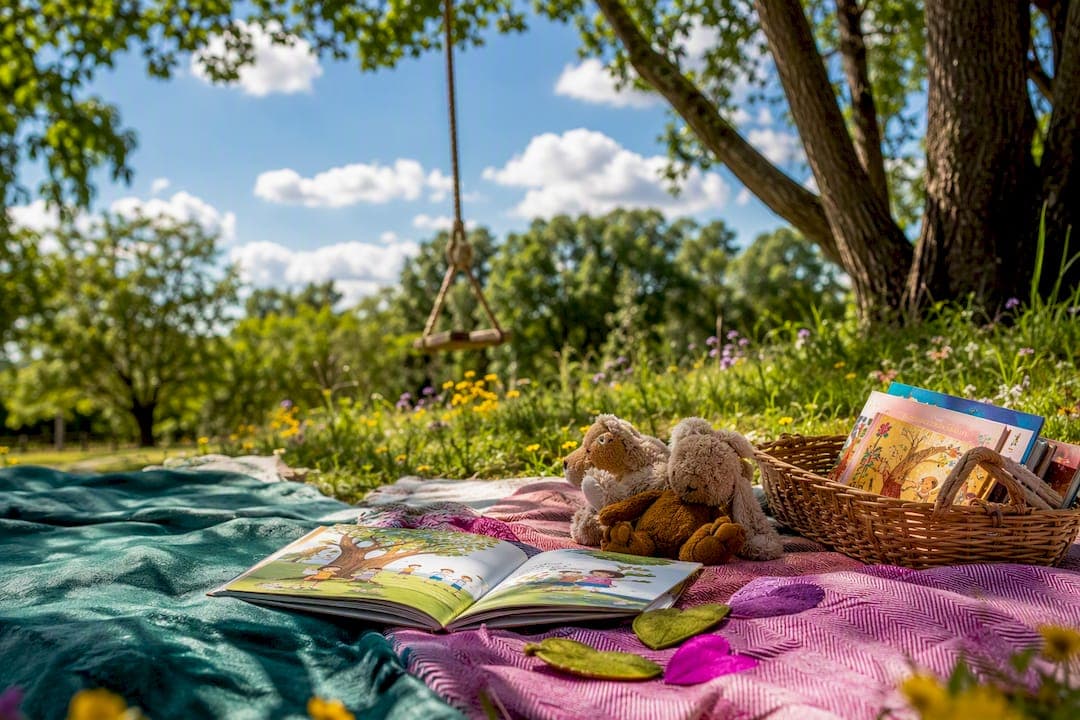
The fastest way to start teaching kindness at circle time is Icon Literary's preschool SEL picture book and companion activity kit, built specifically for read-aloud pacing and follow-up practice. This guide walks through a curated list of kindness books for preschool, organized by category, plus eight short activities you can run the same day you read. You'll also get a quick rubric for picking additional titles once you've worked through this list.
Two ways to start tonight:
- Grab Icon Literary's SEL book and kit and use the discussion cards straight out of the box.
- Pick one category below (everyday acts, friendship, empathy, or sharing) and read a matching book at bedtime or circle time.
Key Takeaways
Preschoolers learn kindness most reliably from books that model concrete acts, use repetitive language, and get paired with a same-day follow-up activity.
| Point | Details |
|---|---|
| Pick concrete-action books first | Choose stories showing specific deeds like sharing or helping rather than abstract talk about being kind. |
| Repeat, don't rotate | Reading one book three times builds habits faster than reading twelve books once each. |
| Pair every read-aloud with an activity | Run a sharing circle, kindness chart, or role-play immediately after closing the book. |
| Use the six-point rubric | Check format, sentence length, verbs, illustrations, inclusion, and durability before adding a new title. |
| Icon Literary offers a ready-made option | The SEL picture book and activity kit combine a concrete-action story with printable discussion cards for immediate classroom use. |
Table of Contents
- Kindness Books for Preschool: A Categorized Reading List
- Why Picture Books Teach Kindness Better Than Talking About It
- How to Read These Books (Plus Eight Follow-Up Activities)
- How to Choose More Kindness Books for Preschool
- What Actually Moves the Needle on Teaching Kindness
- Bring Kindness Lessons to Life With Icon Literary
- Sources
Kindness Books for Preschool: A Categorized Reading List
Preschoolers don't learn kindness from lectures. They learn it from watching a character do something specific, then trying it themselves. The list below groups picks by the behavior they model, so you can match a book to whatever skill your classroom or living room needs that week.
1. Everyday acts of kindness
Board books built around small, repeatable gestures work best here because preschoolers copy exactly what they see. A short board book that lists micro acts, like waving hello, holding a door, or picking up a dropped toy, gives children a template they can reenact within minutes of finishing the story. Icon Literary's SEL picture book fits this category directly, pairing each act with a simple discussion prompt so the lesson doesn't end when the book closes. Try this prompt after reading: "Show me one kind thing you could do before lunch today." That question moves the story from the page into the room.
2. Friendship and inclusion
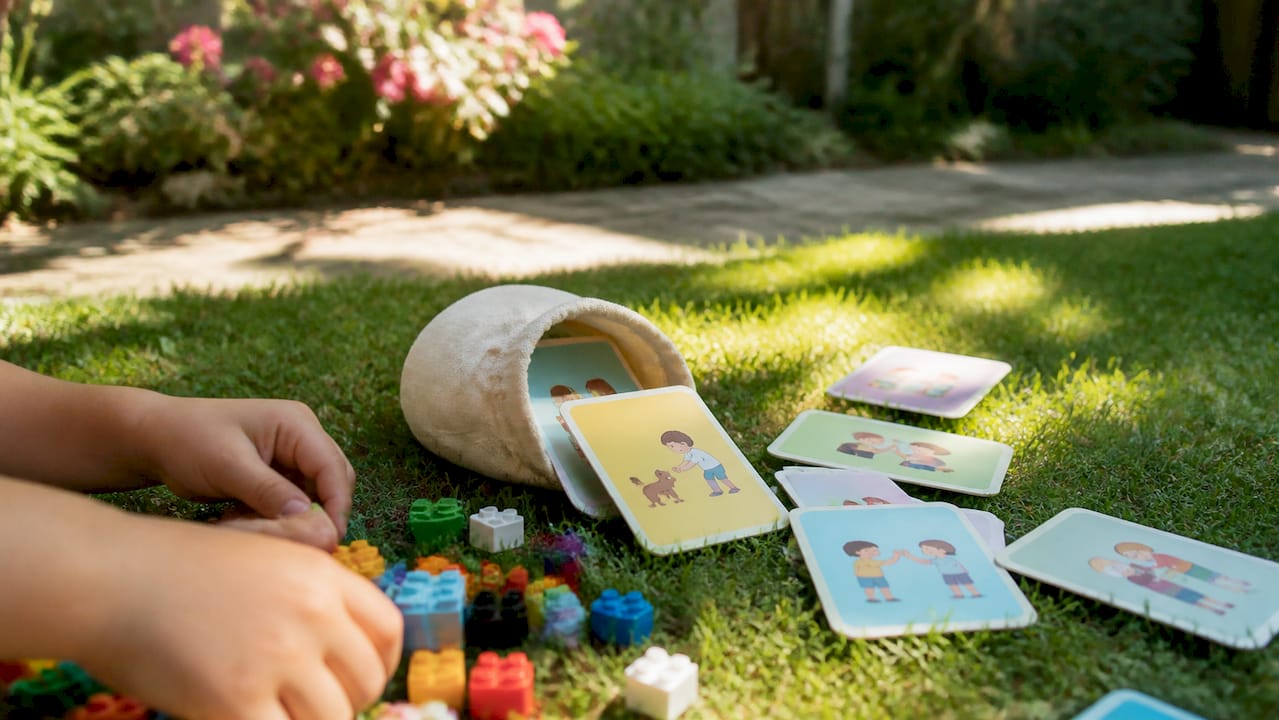
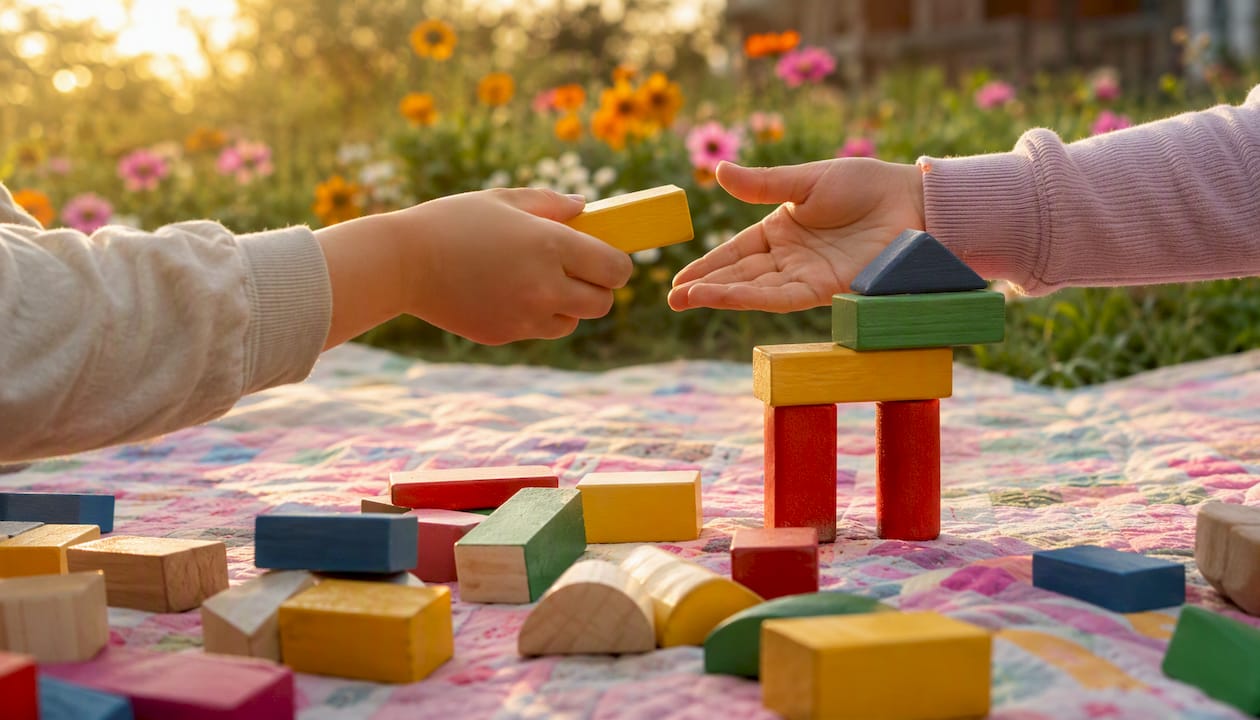
Books in this bucket show two characters who start out separate and end up connected, often through a shared activity like building something or solving a small problem together. The behavior being modeled is invitation: noticing someone left out and asking them in. A useful prompt is, "Who in our class ate lunch alone today, and what could we say to them tomorrow?" That question works because it's concrete and time bound, not abstract.
3. Empathy and comforting
These stories slow down on a character's feelings before showing the fix, which matters because preschoolers need to see sadness named before they see it solved. Look for a short bedtime style story where one character notices another is upset and sits with them before offering help. Prompt: "What did the character's face look like when she was sad? What did her friend do first?" That second question teaches noticing before doing, a sequence kids often skip on their own.
4. Sharing and community
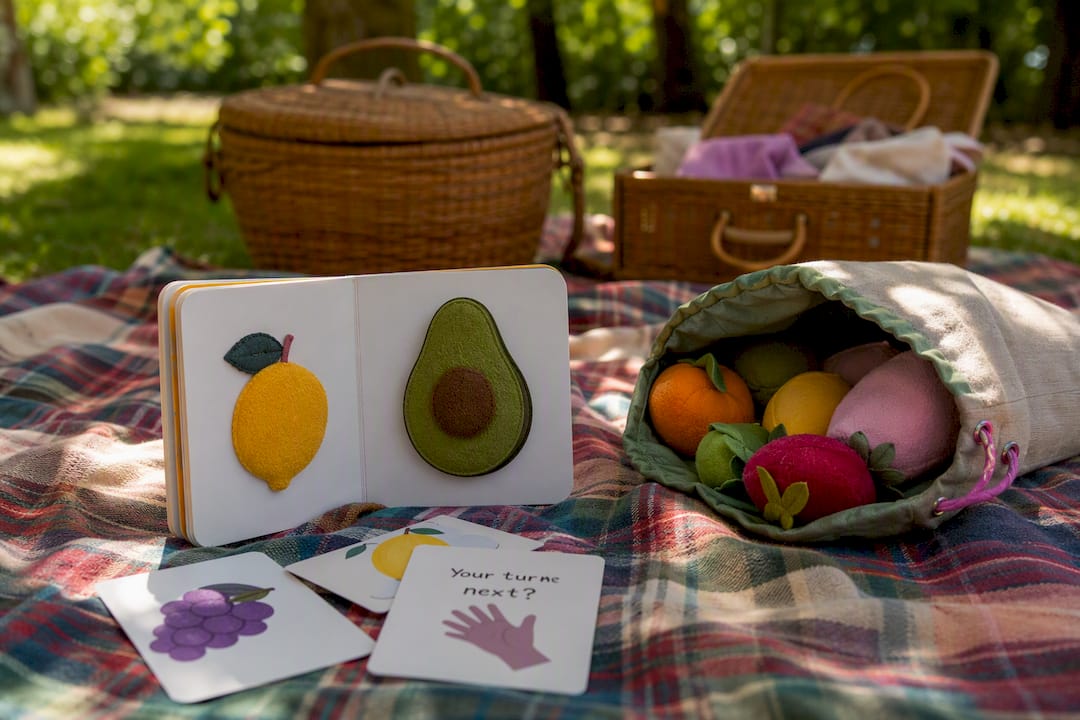
Icon Literary's activity kit extends this category particularly well, since printable cards let children practice turn-taking language ("Can I have a turn next?") outside the story itself. A tactile board book with an interactive shape, like a bag that opens to reveal items to share, gives you a physical prop for role-play immediately after reading. Prompt: "What's one toy you could share this week, and with who?"
Pro Tip: Read the same kindness book three times across a week instead of moving to a new title daily. Repetition is what turns a story into a habit children reach for on their own.
Why Picture Books Teach Kindness Better Than Talking About It
Picture books work as kindness teachers because they show a behavior instead of describing a value. Preschoolers can't yet reliably act on abstract concepts like "be generous," but they can copy a character who hands over half a sandwich. Practitioner guidance from early-childhood book curators consistently points to concrete, actionable deeds as the feature that separates books children actually apply from books that just sound nice.
Rhythmic, repetitive text does something similar for memory. Short, predictable phrasing that repeats across pages helps children hold onto the lesson long enough to try it later, which is why so many effective titles read almost like chants.
Concrete acts and repeatable language give children a behavior template rather than a moral to memorize, and that template is what actually shows up on the playground.
Calm, reassuring endings matter too. Many kindness stories for preschoolers written for ages 3 to 7 use metaphorical framing, like a kind act spreading outward as ripples or seeds, paired with slow pacing. That combination helps children visualize consequence without frightening them, and it gives teachers a clean discussion hook the moment the book ends.
How to Read These Books (Plus Eight Follow-Up Activities)
Reading pace matters more than most people expect. Slow down on the page where the kind act happens, point at the illustration, and pause before turning the page so children can predict what happens next. Repeating the character's key phrase out loud together, even once, cements it faster than reading straight through.
Once the book is closed, run one of these eight activities inspired by screen-free toddler activities designed to extend story themes into brief home or classroom practice:
- Sharing circle — Pass an object around and have each child name one kind thing they saw or did that day.
- Kindness bag — Fill a bag with small toys; children take turns choosing one to share with a neighbor.
- Puppet role-play — Reenact the book's kind act using two puppets or stuffed animals.
- Kindness chart — Add a sticker each time a child repeats an act from the story.
- Welcome routine — Practice greeting a new or quiet classmate the way a book character did.
- Empathy role-play — One child acts "sad," another practices comforting language from the story.
- Micro-acts practice — Assign one small act (holding a door, offering a crayon) to try before the next read-aloud.
- Family take-home prompt — Send home a card asking families to name one kind act they saw at dinner.
For toddlers age 2 to 3, shorten every activity to a brief duration and rely on physical props over conversation. For 4 to 5 year olds, add the "why" question, asking what the character was feeling and why the kind act helped. One classroom management tip: run the sharing circle before the kindness bag activity, not after, since children are calmer once they've already had a turn to speak.
Pro Tip: Keep a single "kindness chart" running for the whole month rather than restarting it with each new book. Children start connecting different stories to the same ongoing practice, which is exactly the transfer you want.
How to Choose More Kindness Books for Preschool
Once you've worked through the list above, use this short rubric to evaluate anything new:
- Format and length — Board books suit ages 2 to 3; picture books with 24 to 32 pages suit ages 4 to 5.
- Sentence structure — Short, repeatable phrases beat long descriptive sentences every time at this age.
- Concrete verbs — Look for "shared," "helped," "waved," not abstract words like "kindness" or "generosity" used without an action attached.
- Illustrations — Expressive faces and clear turn-taking in the art let children read emotion even before they can read text.
- Inclusion — Check that the cast reflects a range of families, abilities, and backgrounds, not just one default look.
- Durability — Board or hardcover editions hold up better than paperback for classroom rotation.
If a book checks four or more of these boxes, it's worth adding to your shelf.
What Actually Moves the Needle on Teaching Kindness
Most advice on kindness books for preschool treats the book itself as the lesson. It isn't. The book is the setup; the follow-up activity is where the behavior actually gets practiced, and that's the piece most reading lists skip entirely. A beautifully illustrated story about sharing does nothing if the class closes the book and moves straight to snack time.
The conventional wisdom also overrates variety. Parents and teachers often feel pressure to rotate through a dozen different titles to keep things "fresh," but repetition is doing more of the teaching than novelty ever will. A child who hears the same kindness story three times, paired with the same simple prompt, internalizes the behavior faster than one who hears twelve different stories once each.
If you're starting from zero, prioritize one book with a strong, concrete central act, and pair it immediately with a five minute activity. Skip the temptation to build an elaborate unit before you've tested whether the simplest version even works in your room. It usually does.
— Derek Amarillas
Bring Kindness Lessons to Life With Icon Literary
Building a kindness curriculum from scratch eats up planning time most teachers and parents don't have, especially when you're stitching together discussion questions from three different books. Icon Literary solves that by pairing an original SEL picture book with a ready-made activity kit, so the story and the follow-up practice arrive together instead of requiring separate prep.
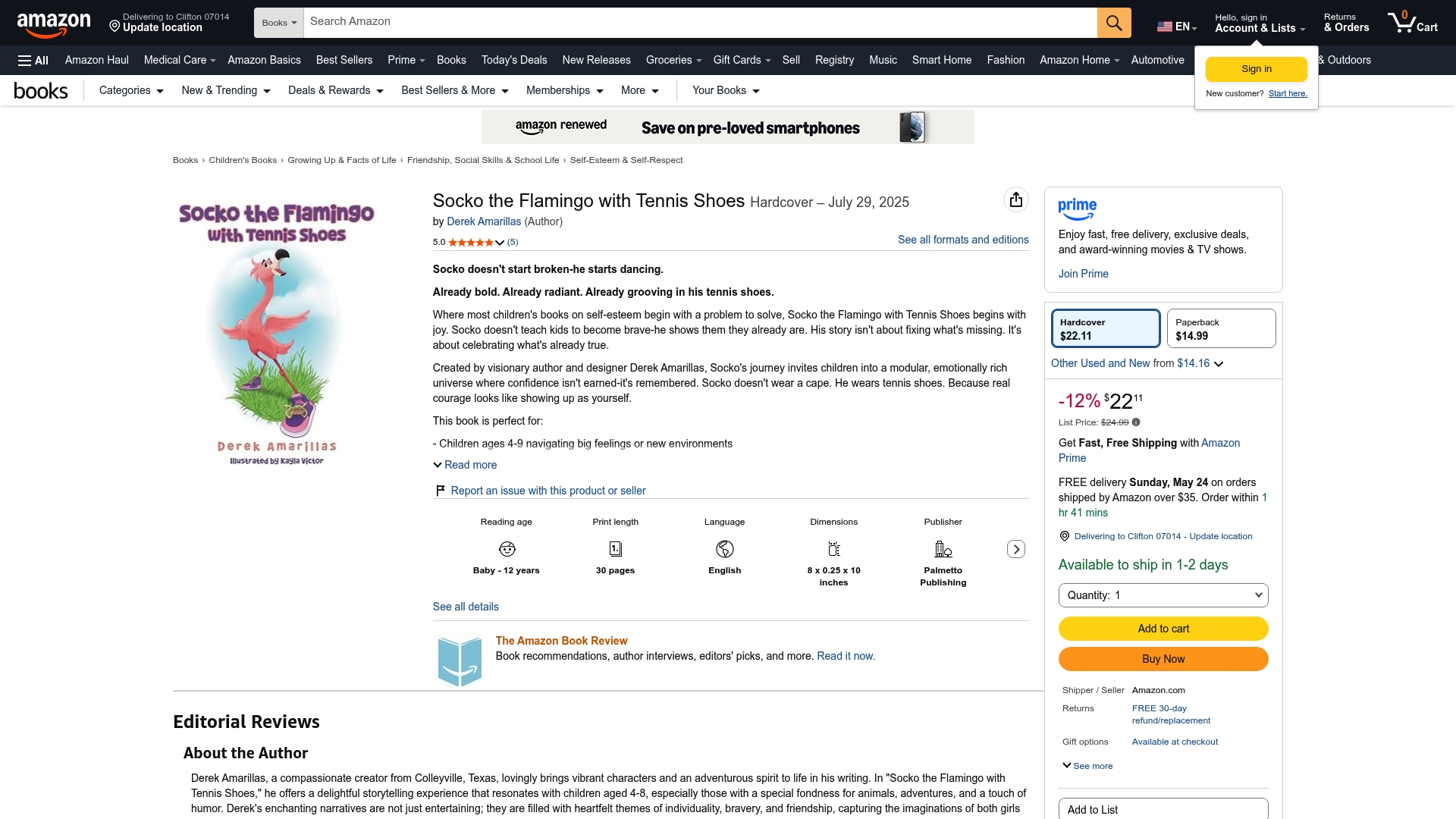
The kit includes printable discussion cards, turn-taking prompts, and imaginative world-building hooks that pull children back into the story days after the read-aloud ends, which is exactly the repetition that makes kindness lessons stick. For preschool classrooms and family bookshelves alike, it's built to scaffold conversation without requiring a lesson plan on top of it. Explore the SEL picture book and activity kit and pick the classroom-size bundle if you're outfitting more than one reading corner.