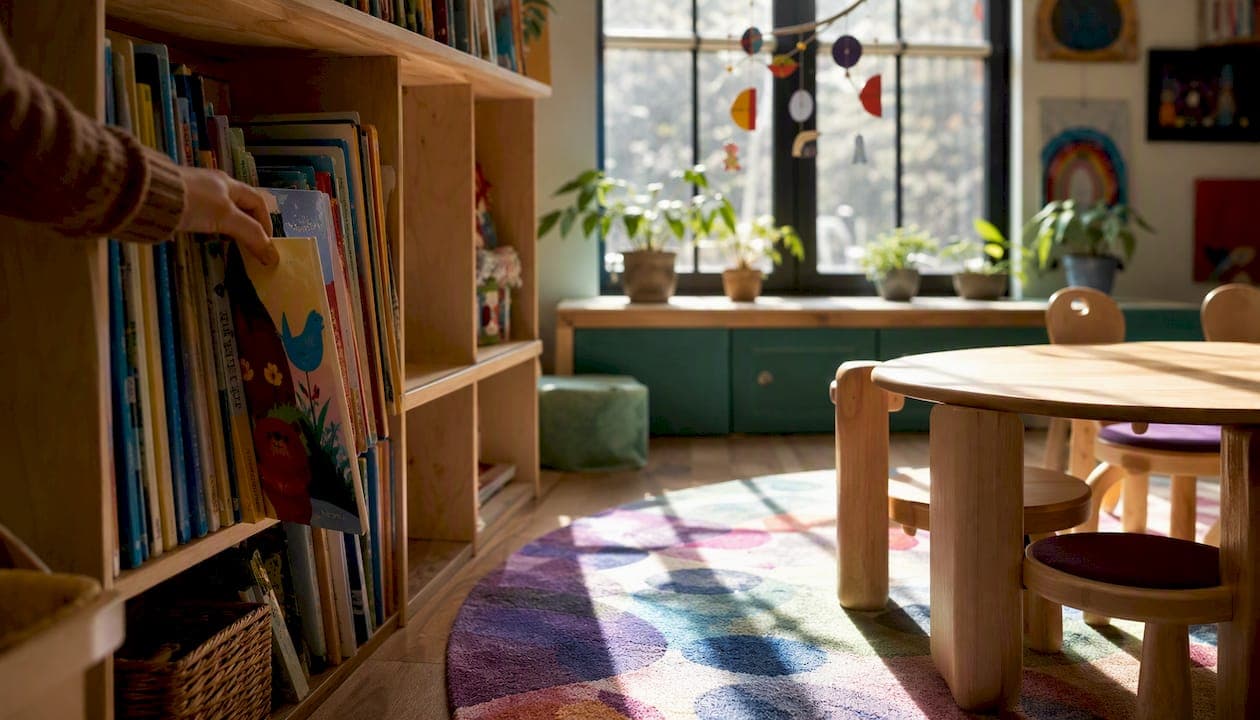
The strongest friendship books for kindergarten right now are The Invisible String by Patrice Karst, Enemy Pie by Derek Munson, I Am a Good Friend by Charise Mericle Harper and Liz Climo, Tayra's Not Talking by Rachna Gilmore, Each Kindness by Jacqueline Woodson, and How to Be a Friend by Laurie Krasny Brown. Each one is SEL-aligned, short enough for a single read-aloud session, and available at U.S. libraries, Amazon, and independent booksellers through Bookshop.
Quick rationale by SEL skill:
- Enemy Pie models conflict repair and the mechanics of turning an enemy into a friend.
- Each Kindness targets empathy and the lasting weight of exclusion, without a tidy resolution.
- I Am a Good Friend surfaces growth-mindset language and consideration for others.
- Tayra's Not Talking teaches inclusion and nonverbal communication.
- The Invisible String addresses emotional connection and separation anxiety.
- How to Be a Friend breaks down the concrete steps of initiating play and handling rejection.
All six titles are widely stocked at U.S. public libraries (check your local catalog via WorldCat), major retailers including Target and Barnes & Noble, and independent stores via Bookshop.org.
Key takeaways
The most effective friendship books for kindergarten pair realistic, flawed characters with concrete social mechanics and a follow-up conversation.
| Point | Details |
|---|---|
| Lead with mechanics, not morals | Choose books that show how to start play, handle rejection, and repair friendships rather than books that only say "be kind." |
| Imperfect characters drive discussion | Flawed protagonists give children a safe third-party mirror for projecting and naming their own feelings. |
| Pair every read-aloud with a prompt | One focused question after the story improves the transfer of social skills more than the reading alone. |
| Match book to classroom moment | Use Each Kindness for empathy work, How to Be a Friend for play-initiation skills, and Tayra's Not Talking for inclusion and nonverbal cues. |
| Icon Literary for original SEL titles | Icon Literary offers picture books and activity kits designed for ages 3–8 with SEL themes, diverse characters, and classroom-ready prompts. |
Table of Contents
- The best friendship books for kindergarten, reviewed one by one
- How to choose the right friendship book for your group
- Read-aloud prompts that actually get kindergarteners talking
- Simple activities that extend a friendship read-aloud
- Why these books work for kindergarteners
- What a children's literature writer actually notices about these books
- Icon Literary's SEL-friendly picture books for kindergarten
- Sources
The best friendship books for kindergarten, reviewed one by one
Each entry below includes the SEL skill it targets, two read-aloud prompts, and one quick extension activity. The comparison table at the end lets you scan all six at a glance.
1. Enemy Pie by Derek Munson
A boy's summer is ruined when a new kid moves in next door. His dad's solution: bake an enemy pie, but first the boy has to spend a whole day with his enemy. By sundown, he has a new best friend and a very confused sense of what "enemy" means.
Ages: 4–7. SEL focus: Conflict repair, perspective-taking.
Read-aloud prompts:
- "Why do you think he decided Jeremy was his enemy before they even talked?"
- "What changed after they spent the day together?"
Extension activity (10 min): Give each child a paper "pie slice." Ask them to draw one thing they and a classmate both like. Share in pairs. Materials: paper, crayons.
2. Each Kindness by Jacqueline Woodson
Maya keeps trying to join a group of girls, and they keep turning her away. When Maya moves and the chance to be kind is gone forever, the narrator is left with regret. Scholastic's teacher-facing lists recommend pairing this read-aloud with a focused discussion about how exclusion feels from the outside.
Ages: 5–8. SEL focus: Empathy, inclusion, understanding the permanence of unkindness.
Read-aloud prompts:
- "How do you think Maya felt every time she tried to join in?"
- "Have you ever wished you could go back and do something differently?"
Extension activity (15 min): "Ripple jar" — drop a stone into a bowl of water and watch the ripples. Connect each ripple to one kind act. Children draw their own ripple map on paper.
3. I Am a Good Friend by Charise Mericle Harper and Liz Climo
Two characters navigate what it actually means to be a good friend: listening, sharing, and sometimes admitting you were wrong. The publisher's description highlights its growth-mindset framing, which makes it especially useful for read-aloud lessons focused on repair and self-reflection.
Ages: 4–6. SEL focus: Consideration, growth mindset, repair after conflict.
Read-aloud prompts:
- "What did the character do when they realized they made a mistake?"
- "What's one thing you could do to show a friend you're thinking about them?"
Extension activity (5 min): "Good friend pledge" — children trace their hand, write or dictate one thing they will do for a friend this week, and post it on a classroom wall.
4. Tayra's Not Talking by Rachna Gilmore
Tayra is new, quiet, and communicates differently. Her classmates learn to read her expressions, gestures, and drawings rather than waiting for words. The Kids Can Press description positions the book as a tool for inclusion lessons and for introducing alternative communication strategies to primary-age children.
Ages: 4–7. SEL focus: Inclusion, nonverbal communication, patience.
Read-aloud prompts:
- "How did Tayra's classmates figure out what she was feeling without words?"
- "Can you show me with your face how you feel right now, without saying anything?"
Extension activity (10 min): "Silent signals" game. Children take turns expressing an emotion using only their face and body. The group guesses. Connects directly to the book's core message about reading nonverbal cues.
5. The Invisible String by Patrice Karst
A mother tells her children that love is an invisible string connecting everyone they care about, no matter how far apart they are. Less about peer friendship mechanics and more about emotional security, this one works well at the start of a school year when separation anxiety runs high.
Ages: 4–7. SEL focus: Emotional connection, managing separation, belonging.
Read-aloud prompts:
- "Who is on the other end of your invisible string?"
- "How does it feel to know the string is always there, even when you can't see someone?"
Extension activity (10 min): Children draw themselves at the center of a web and add names or drawings of people connected to them by "strings." Doubles as a community-building display.
6. How to Be a Friend by Laurie Krasny Brown
This one is almost a manual. It walks children through the literal mechanics of friendship: how to start a conversation, what to do when someone says no, how to handle a fight. PBS Kids recommends books that model these concrete friendship mechanics rather than simply telling children to "be nice," and this title delivers exactly that.
Ages: 4–7. SEL focus: Initiating play, handling rejection, negotiation.
Read-aloud prompts:
- "What's one way the book showed you could start playing with someone new?"
- "What should you do if someone says they don't want to play right now?"
Extension activity (10 min): Role-play a "play invitation." One child asks, the other says yes or no politely. Switch roles. Debrief: how did it feel on each side?
Comparison at a glance
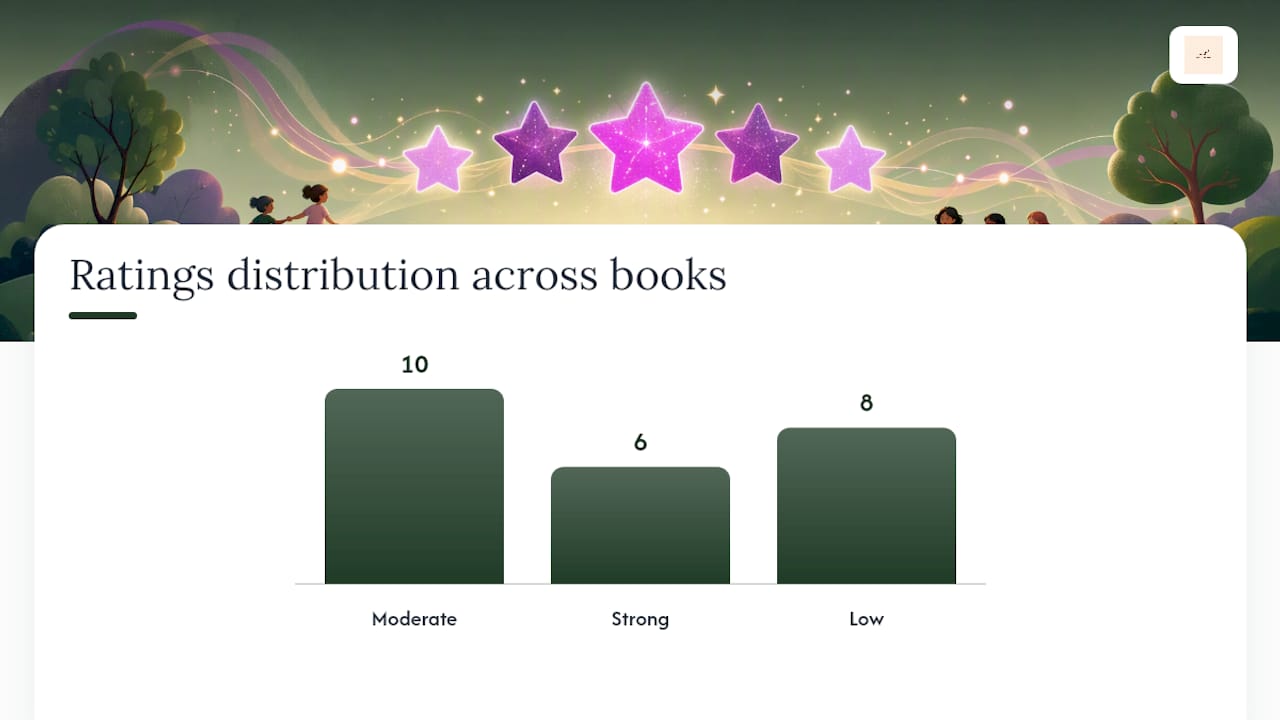
| Title | Inclusion | Conflict repair | Initiating play | Nonverbal cues |
|---|---|---|---|---|
| Enemy Pie | Moderate | Strong | Moderate | Low |
| Each Kindness | Strong | Low | Low | Moderate |
| I Am a Good Friend | Moderate | Strong | Moderate | Low |
| Tayra's Not Talking | Strong | Low | Moderate | Strong |
| The Invisible String | Moderate | Low | Low | Low |
| How to Be a Friend | Moderate | Moderate | Strong | Moderate |
How to choose the right friendship book for your group
Not every book fits every classroom moment. A few quick filters help you match the title to the need.
Readability and text length. Kindergarteners (ages 4–6) have an average sustained attention span of roughly 10–15 minutes for a read-aloud. Books under 32 pages with short sentences per spread work best. I Am a Good Friend and Enemy Pie both land in that range.
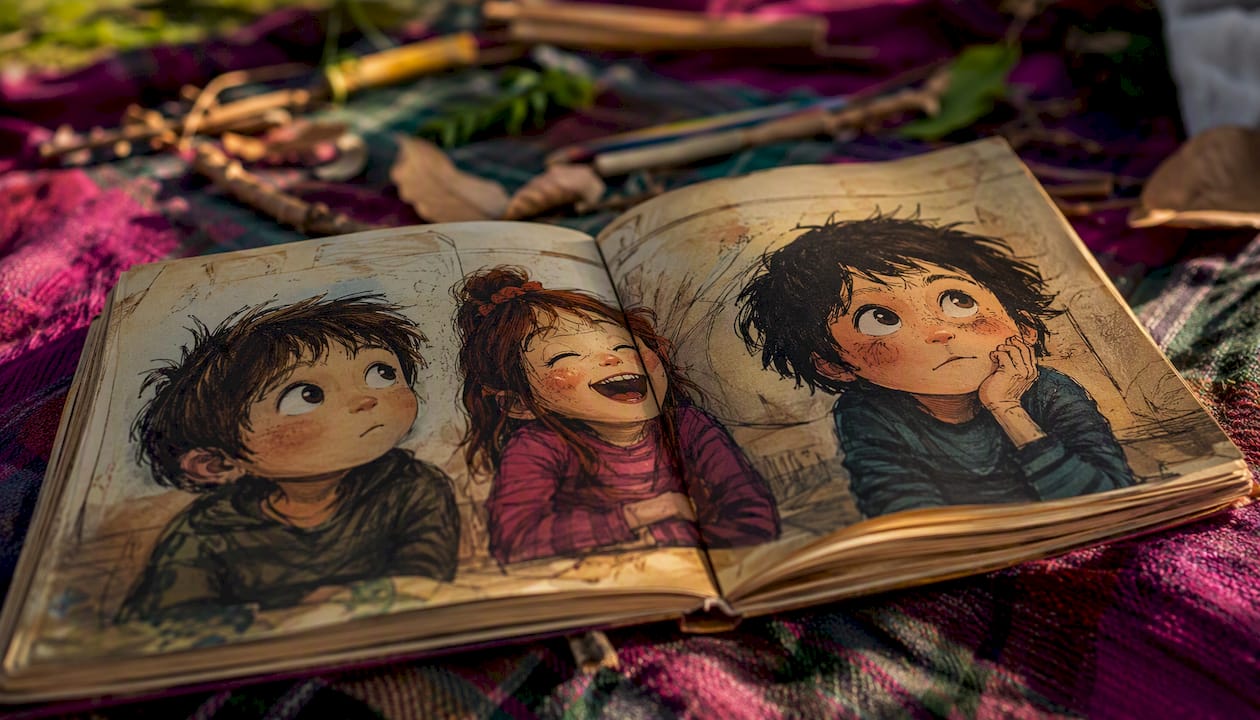
Picture cues. Brightly advises choosing friendship books with expressive illustrations that carry emotional meaning independently of the text. Children who are still developing vocabulary read the pictures first. Tayra's Not Talking is a strong example: the illustrations do most of the emotional work.
Character realism. Avoid books where every character is relentlessly cheerful. Children recognize flawed characters and feel safer projecting their own feelings onto them. A grumpy protagonist, a child who makes a mistake and fixes it, a kid who gets left out — these are the mirrors that make SEL conversations real rather than abstract.
Cultural and family representation. A child who sees their family structure, skin tone, or communication style in a book is more likely to engage. Check for inclusive selection criteria before finalizing your list, especially for diverse classrooms.
Conflict level. Match the book's tension to your group's readiness. Each Kindness ends without resolution, which is powerful but can be heavy for younger fives. Enemy Pie resolves warmly and works well early in the year.
A quick checklist before you pick:
- Does the book show friendship mechanics (how to start, repair, negotiate), not just outcomes?
- Are the characters imperfect and recognizable?
- Can the illustrations carry meaning for pre-readers?
- Does the cast reflect your classroom's diversity?
- Is the conflict level appropriate for where your group is right now?
Read-aloud prompts that actually get kindergarteners talking
The most effective prompts point to a specific story moment rather than asking a child to reflect on themselves directly. This third-party framing, recommended by PBS Kids for parents, lets children engage with the behavior through the character rather than feeling put on the spot.
Making friends:
- "What did [character] do when they wanted to play with someone new?"
- "What would you do if you saw someone sitting alone at recess?"
Handling rejection:
- "How did [character] feel when the other kids said no? How do you know?"
- "What's a kind way to say 'not right now' to someone?"
Sharing and fairness:
- "Did that feel fair to both characters? Why or why not?"
- "What could they have done differently so both felt okay?"
Repairing friendships:
- "What did [character] do to fix things after the fight?"
- "Have you ever had to say sorry to a friend? What happened next?"
Two quick role-play snippets (1–2 minutes each):
Snippet 1 — Play invitation: Teacher plays a child sitting alone. A student volunteer walks up and says, "Do you want to play with me?" Teacher responds with "yes" the first time, "not right now" the second. Debrief: "Which answer was harder to hear? What did you do next?"
Snippet 2 — Repair: Two students act out a small disagreement over a toy. Pause mid-scene. Ask the group: "What could they say right now to fix this?" Let the actors try the suggestion.
Pro Tip: When a child points out a character's unkind behavior, resist the urge to redirect toward the positive. Lean into it: "You noticed that. Why do you think they did that?" That moment of discomfort is exactly where the learning lives.
Simple activities that extend a friendship read-aloud
These five activities require minimal prep and run 5–15 minutes. Each one connects directly to a book above.
-
Kindness postcard station (10 min, circle time). Materials: index cards, crayons, stickers. Children draw or dictate a message to a classmate they want to get to know better. Deliver the postcards at the end of the day. Pairs naturally with Each Kindness.
-
How to start play: script practice (10 min, pairs). Write two opening lines on the board: "Can I play too?" and "Do you want to play [game]?" Children practice both with a partner, then switch. Debrief: which felt easier to say? Pairs with How to Be a Friend. For children with social anxiety, let them practice with a puppet or stuffed animal first. Resources on using books to reduce social anxiety offer more scaffolding ideas.
-
Repair-a-friend role-play (15 min, small groups). Give each group a scenario card (e.g., "You took the last red crayon and your friend is upset"). Groups act out the problem, then the repair. Debrief as a class. Pairs with I Am a Good Friend or Enemy Pie.
-
Silent signals emotion game (10 min, whole class). Teacher calls out an emotion; children show it with face and body only. Then flip it: teacher makes a face, children name the feeling. Pairs with Tayra's Not Talking and builds nonverbal literacy across the group.
-
Friendship web (5 min, individual). Each child draws themselves at the center of a page and draws lines to people they feel connected to. No writing required — names or drawings both work. Pairs with The Invisible String and doubles as a community-building display for the classroom wall.
For shy children or those with social anxiety, always offer a "watching first" option before requiring participation in role-play activities.
Why these books work for kindergarteners
The short answer: they show friendship rather than lecture about it. PBS Kids recommends books that model the concrete mechanics of friendship — how to initiate play, respond to rejection, negotiate rules, and repair relationships — because children at this age learn social behavior through observation and imitation, not through abstract instruction.
Brightly's guidance adds a second layer: effective SEL picture books feature flawed or "disgruntled" characters so children can project feelings like jealousy or shyness and discuss them safely. Over-sanitized "perfect friend" portrayals give children nothing to work with. The books on this list all feature characters who make mistakes, feel left out, or struggle before they figure things out.
Pairing a read-aloud with focused discussion and classroom activities improves the transfer of social skills — children need the conversation, not just the story. Scholastic's teacher resources consistently frame book-plus-discussion as the unit of instruction, not the book alone.
Practitioners also note that wordless sequences and expressive illustrations support kindergarteners who are still developing verbal skills. A child who cannot yet articulate "I felt left out" can point to a character's face and say "she looks sad like that." That pointing is the beginning of emotional vocabulary.
For a deeper look at how SEL books reduce peer conflict in classroom settings, the research is consistent: the conversation after the book matters as much as the book itself.
What a children's literature writer actually notices about these books
Most adults pick friendship books by the message on the back cover. That's the wrong filter. The question worth asking is: does this book show a child doing something awkward, getting it wrong, and trying again? Because that's the story kindergarteners actually live.
Enemy Pie works not because it ends happily but because the boy has to do something uncomfortable first. Each Kindness works because it doesn't end happily at all. Both of those are braver choices than most picture books make, and children feel the difference.
The other thing worth knowing: one read-aloud rarely lands the lesson. The books that stick are the ones you return to across a week, stopping at different pages each time. A child who was quiet during the first reading might have something to say on the third. Follow that lead. The SEL read-aloud examples that work best in K–2 classrooms are almost always spread across multiple short sessions, not a single sit-down.
Pick one book. Read it twice. Ask one question. That's enough to start.
Icon Literary's SEL-friendly picture books for kindergarten
Icon Literary publishes original SEL-aligned picture books and activity kits built specifically for ages 3–8. The titles pair expressive, collectible illustration with friendship and emotional-literacy themes that match the selection criteria covered above: imperfect characters, concrete social mechanics, and diverse representation. Unlike mass-market options, Icon Literary's books are designed as complete learning objects — the story, the art, and the conversation prompts are developed together rather than bolted on separately.
Physical books, digital downloads, and activity kits are available directly through Icon Literary's storefront, with options that work for classroom sets, home libraries, and gift-giving. If you're building a kindergarten SEL shelf and want titles that go beyond the familiar, Icon Literary is worth a look.
Sources
- 15 Children's Books About Friendship | PBS KIDS for Parents
- 12 Books About Friendship for Kids Ages 3 - 5 | Brightly
- Books About Friendship and Getting Along With Others | Scholastic
- I Am a Good Friend by Charise Mericle Harper & Liz Climo | Hachette Book Group