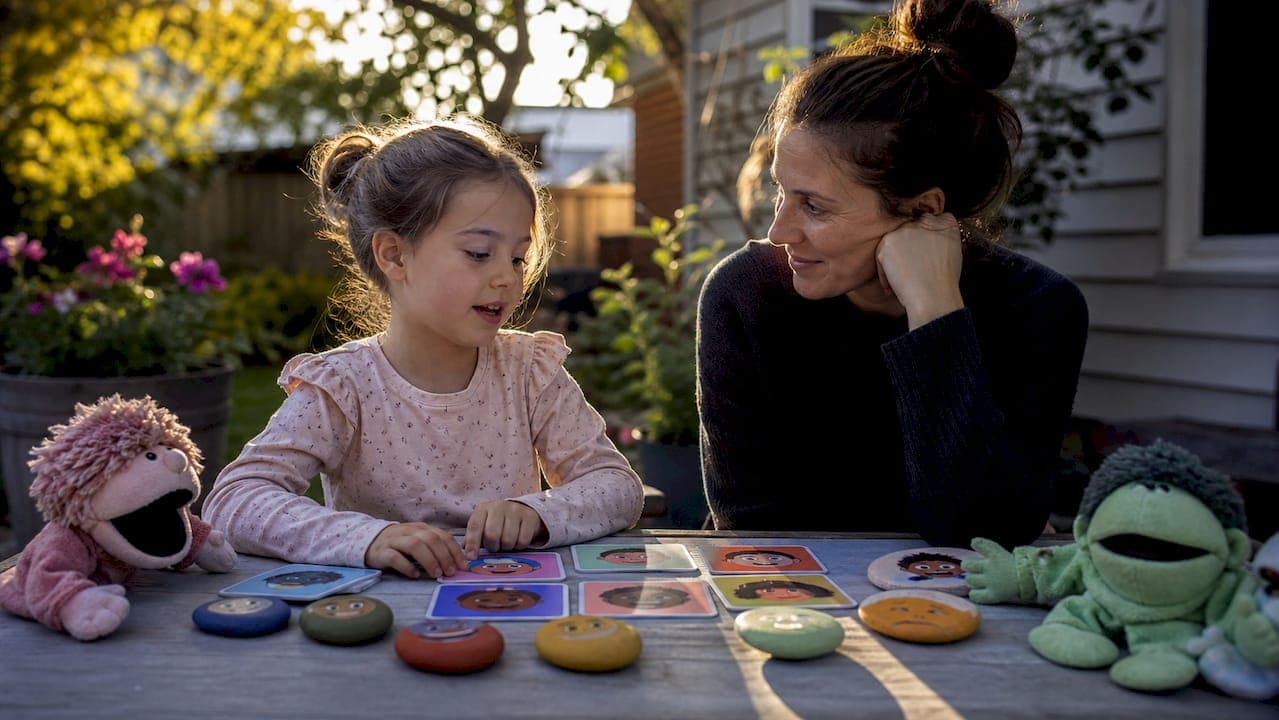
The fastest way to build SEL is one short, repeatable routine each day, mapped to a CASEL competency, without needing a curriculum binder or training. You don't need a curriculum binder or a training weekend. Start with a rotation of go-to SEL activities for kids and run them consistently:
- Feelings check-in (2 minutes, no prep)
- Mood meter (3 minutes, no prep)
- Calm-down jar (10 minutes to build, 2 minutes to use)
- Compliment circle (5 minutes, no prep)
- Team tower (15 minutes, low prep, tape and cups)
- Gratitude journal (5 minutes, low prep, paper and pencil)
- Stop-Think-Act chant (2 minutes, no prep)
Most of these run in under 5 minutes and need nothing you don't already have in a junk drawer.
Key Takeaways
Short, daily routines mapped to the five CASEL competencies build measurable social and academic gains faster than occasional long lessons.
| Point | Details |
|---|---|
| Start with one routine | Pick a single activity, like a feelings check-in, and run it daily for two weeks before adding another. |
| Match activities to competencies | Rotate through self-awareness, self-management, social awareness, relationship skills, and decision-making. |
| Model before you ask | Narrate your own regulation out loud so kids see the skill in action, not just hear about it. |
| Use what you already have | Water bottles, balloons, rice, and index cards cover most materials needs at no extra cost. |
| Pair stories with practice | Icon Literary's read-alouds and activity kits turn storytime into a low-prep SEL routine for early elementary ages. |
Table of Contents
- SEL Activities Grouped by CASEL Competency
- How to Make SEL Routines Actually Stick
- Materials, Timing, and Low-Cost Substitutes
- The Evidence Behind Short SEL Routines
- Where Read-Alouds Fit Into the Routine
- What Actually Moves the Needle in SEL
- Bring These Activities to Life With Icon Literary
- Sources
SEL Activities Grouped by CASEL Competency
CASEL, the Collaborative for Academic, Social, and Emotional Learning, organizes SEL into five core competencies: self-awareness, self-management, social awareness, relationship skills, and responsible decision-making. Picking activities by competency keeps you from accidentally running the same skill five different ways while ignoring the rest.
1. Self-awareness
- Feelings check-in (2 minutes, no prep): Kids name one emotion and one reason at the start of the day. For K–2, use picture cards; for grades 3–5, ask for a short verbal reason.
- Mood meter (3 minutes, low prep): A poster with four color quadrants for energy and pleasantness. Kids point to where they are.
- Emotion charades (10 minutes, no prep): One child acts out a feeling, others guess. Works well as a transition activity between subjects.
- Gratitude journal (5 minutes, low prep): One sentence a day about something appreciated. Younger kids can draw instead of write.
2. Self-management
- Calm-down corner or jar (setup once, 2 minutes per use): A designated quiet spot with a glitter jar, breathing cards, and a soft object to squeeze.
- Belly breathing (2 minutes, no prep): Hand on the stomach, breathe so the hand rises and falls, four counts in and four out.
- Homemade stress ball (10 minutes to build, ongoing use): Rice-filled balloon squeezed during frustration.
- Goal ladder (5 minutes, low prep): A drawn ladder where kids write one small step toward a bigger goal each week.
3. Social awareness
- Perspective cards (10 minutes, low prep): Scenario cards asking "How might they feel?" Great for lunch or recess debriefs.
- Kindness bingo (ongoing, low prep): A bingo board of small kind acts to complete over a week.
- Culture share (15 minutes, low prep): A rotating student or family shares one tradition, food, or story from home.
4. Relationship skills
- Partner interviews (10 minutes, no prep): Pairs ask each other three questions, then introduce their partner to the group.
- Compliment circle (5 minutes, no prep): Each child gives one specific compliment to the person next to them.
- Team tower (15 minutes, low prep): Build the tallest freestanding tower from cups and tape in a time limit, then debrief what worked.
- Role-play conflict scripts (10 minutes, low prep): Practice a common disagreement using a simple script, then swap roles.
5. Responsible decision-making
- Stop-Think-Act chant (2 minutes, no prep): A three-word cue kids repeat before reacting to a problem.
- Decision tree scenarios (10 minutes, low prep): A branching worksheet where kids trace choices to outcomes.
- "What would you do?" problem-solving (10 minutes, no prep): Present a realistic dilemma and let kids debate solutions in small groups.
For K–2, grade differentiation research supports shorter rounds and more visuals; for grades 3–5, stretch discussion time and hand over more ownership of the activity itself.
How to Make SEL Routines Actually Stick
Pick one routine. Run it daily for two weeks before adding a second. That's the whole trick, and it's the part most classrooms and households skip because a fresh activity every day feels more exciting than repetition. It isn't. Short, repeatable routines outperform sporadic long lessons because kids need reps, not variety, to internalize a skill.
A simple weekly structure:
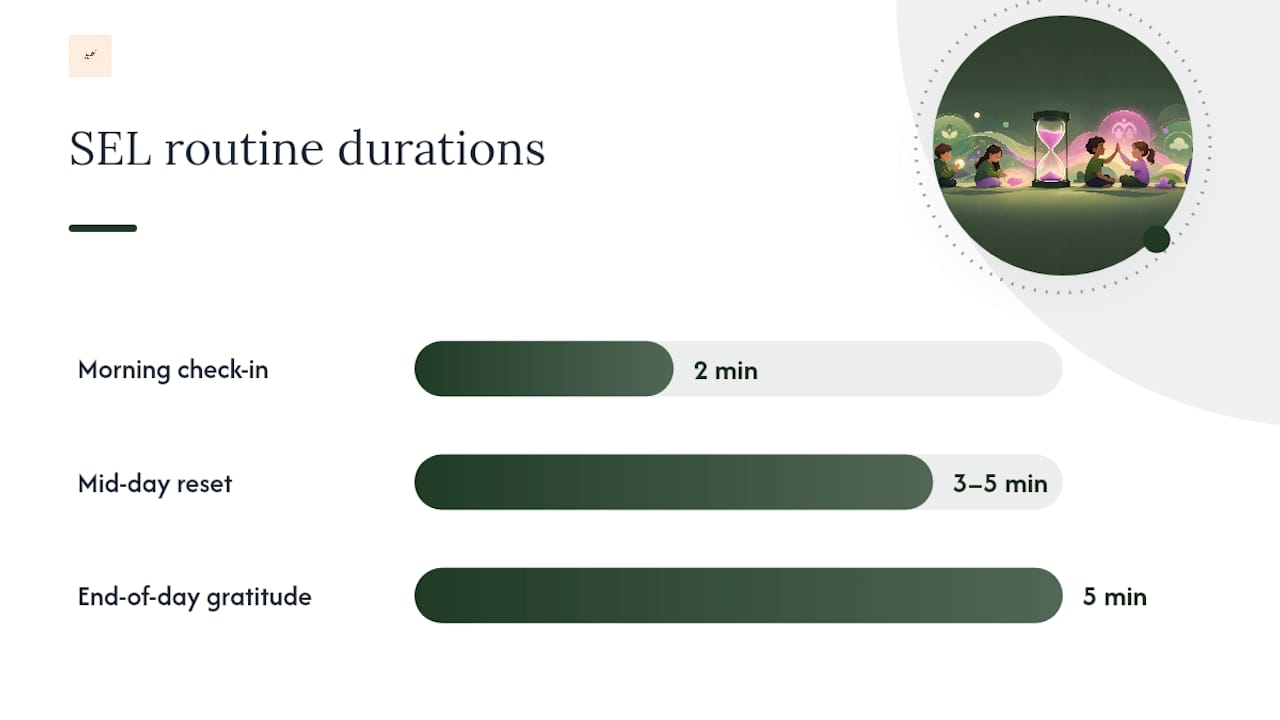
- Morning check-in (2 minutes): feelings check-in or mood meter at arrival or breakfast.
- Mid-day reset (3 to 5 minutes): belly breathing or the calm-down jar after a transition or before homework.
- End-of-day gratitude (5 minutes): one sentence in a journal or shared aloud at dinner.
Model it yourself before asking kids to do it. Say the cue phrase out loud: "I'm feeling frustrated, so I'm going to take five slow breaths." Kids copy what they see far more reliably than what they're told, which is why narrating your own regulation matters more than lecturing about it.
For small groups or remote settings, assign rotating roles like timekeeper and reflector. Letting older students lead helps build their skills faster than just observing.
Pro Tip: Keep a small rotation of three or four favorite activities instead of hunting for something new each week. Familiarity lowers setup friction and makes the routine easier to sustain past the first month.
Materials, Timing, and Low-Cost Substitutes
You likely have most of what you need already:
- Paper, markers, and index cards for check-ins and prompt cards
- A clear jar or water bottle, glitter, and clear glue for a calm-down jar
- A balloon and dry rice for a homemade stress ball
- A sand timer or phone timer for pacing activities
- Tape and paper cups for team-building challenges
No-cost swaps work fine: an empty water bottle replaces a craft-store jar, and a phone timer does the job of a sand timer. For timing, use a 2-minute check-in for daily routines and reserve 10 to 15 minutes for activities like team tower or culture share that need discussion time afterward.
The Evidence Behind Short SEL Routines
A review of 213 SEL programs found participating students gained roughly 11 percentile points in academic achievement compared with peers who didn't participate. That's not a soft, feel-good number. It's an academic outcome tied to a skill set most schools still treat as optional.
The mechanism isn't mysterious. Repetition builds the habit, adult modeling shows kids what regulation looks like in real time, and sensory tools give the body something physical to do while emotions settle.
Sensory-rich tools like glitter jars and stress balls work as regulation aids, not just crafts. The repetitive motion of shaking a jar and watching it settle helps slow breathing and pull attention back to the present moment.
Pairing a tool with a scripted cue, like "shake, set down, five slow breaths," links the physical action to the verbal instruction, so the skill transfers even without the jar in hand eventually.
Where Read-Alouds Fit Into the Routine
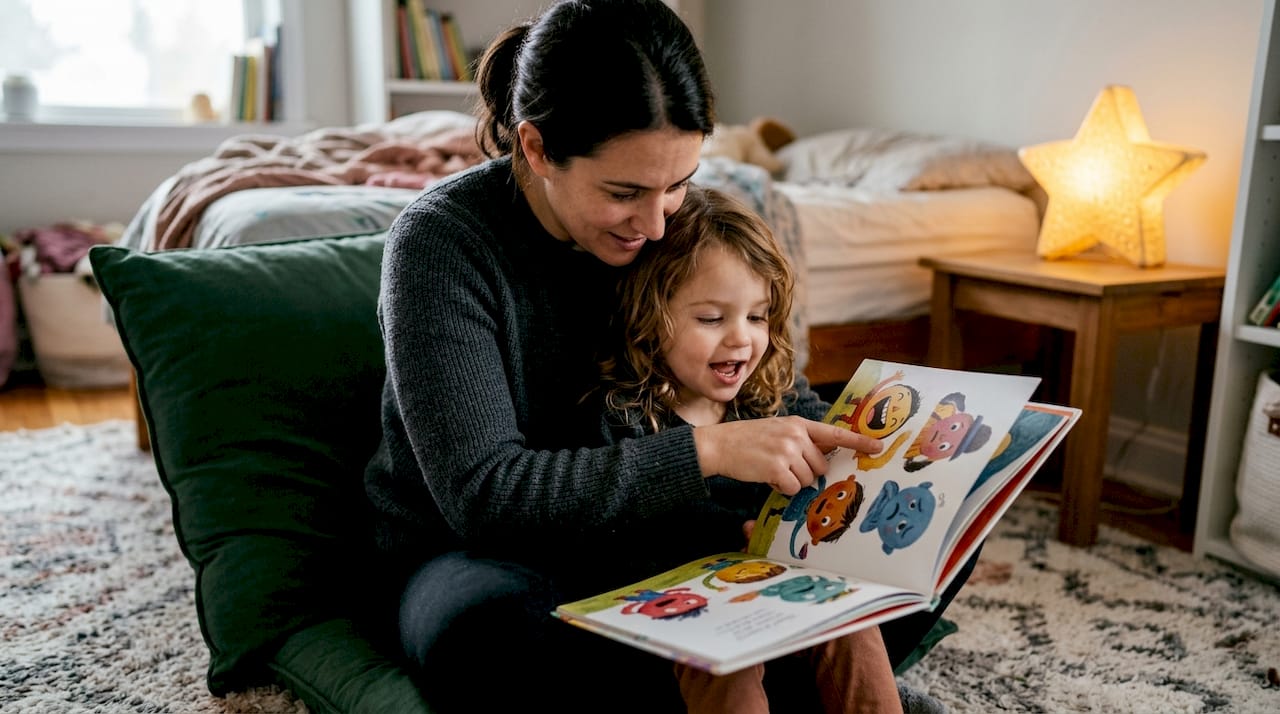
A picture book with a character who names a hard feeling does more discussion work than a worksheet ever will. Reading a story where a character loses a game and has to calm down, then asking "What would you have done?" turns a book into a live decision-making activity. Icon Literary's read-alouds and themed activity kits are built around exactly this: characters facing feelings kids recognize, paired with prompts that turn a bedtime story into a self-awareness or relationship-skills exercise without extra planning.
What Actually Moves the Needle in SEL
Most SEL advice treats every competency like it needs its own elaborate lesson plan. That's backward. The research on short, repeated routines suggests the opposite: a two-minute feeling check-in run every single day beats a beautifully designed 45-minute workshop run once a semester. Consistency does the work that novelty gets credit for.
The other overrated idea is that SEL requires a trained facilitator standing at the front of a room. It doesn't. A parent narrating their own frustration at the kitchen table teaches more than a poster on a classroom wall, because kids copy behavior before they absorb vocabulary. If you're a caregiver wondering whether you're "doing SEL right" without a curriculum, the honest answer is that modeling and repetition matter more than credentials.
Where I'd push back hardest: don't wait for a perfect activity. Start with whatever's within reach, a story, a jar, a chant, and repeat it until it's boring. Boring means it's working.
— Derek Amarillas
Bring These Activities to Life With Icon Literary
Icon Literary gives you the read-aloud and the activity in one package, so you're not stitching together a book from one source and a discussion prompt from another. Each story features characters navigating feelings and choices kids recognize, paired with themed card decks and activity kits built to turn a five-minute read into a real self-awareness or relationship-skills routine.
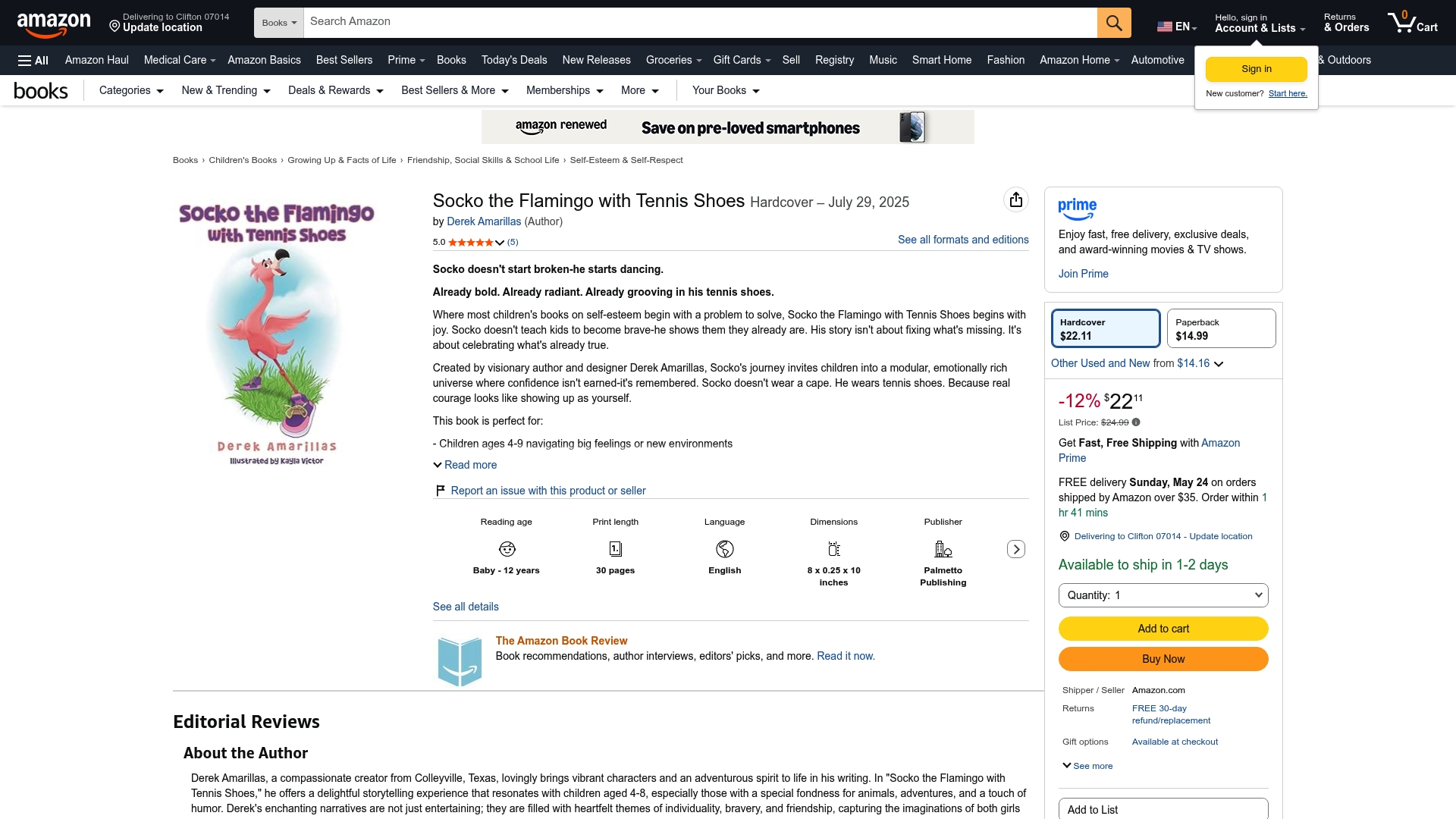
If you're already running a feelings check-in or a calm-down jar, a themed story adds the missing piece: a character kids can point to and ask, "What would you have done?" That's a decision-making activity without extra planning on your part. Browse the current collection of story-based SEL tools and pick one title to start your rotation this week.
Sources
- Social and emotional well-being programs may boost academic success (Penn State summary of research)
- Your guide to the CASEL core competencies (Waterford blog summary)
- 5 meaningful, standards-based SEL activities for the classroom (CASEL blog)
- Social-Emotional Learning Art Projects for Kids (Sanford Fit)
- Peer-reviewed article on SEL implementation (PMC)