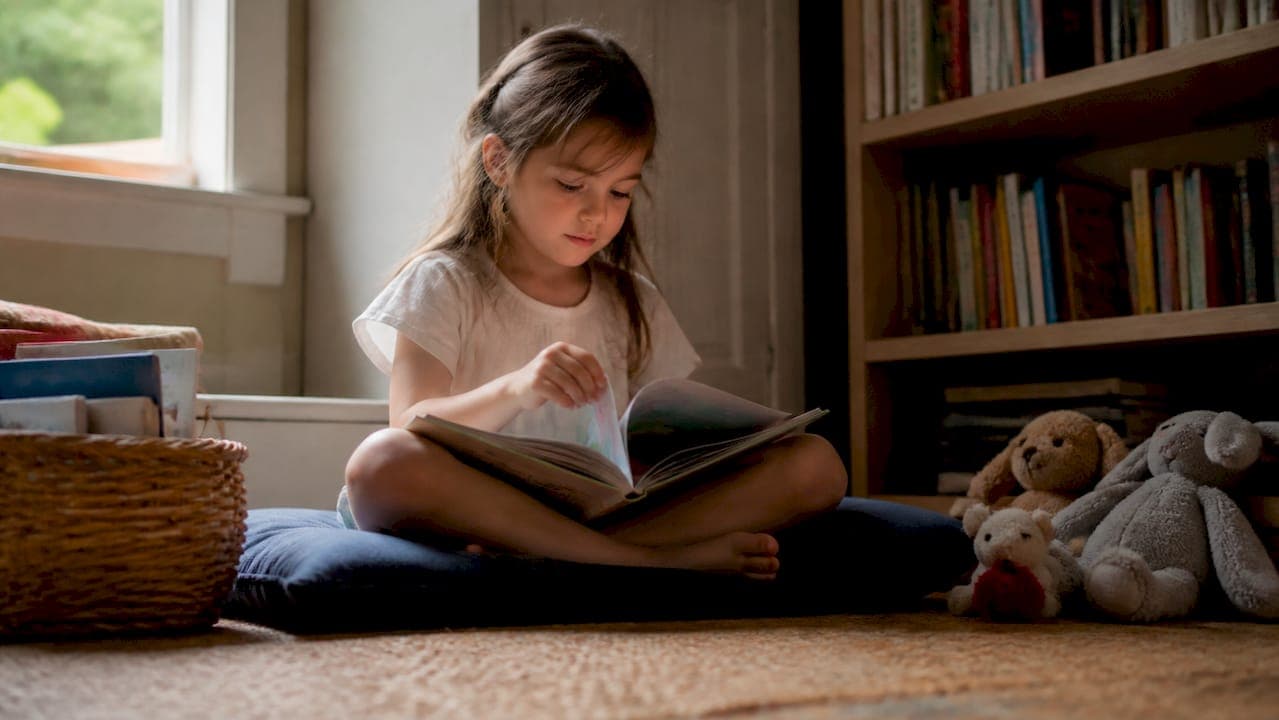
Books build confidence in introverted kids by pairing them with characters who share their temperament, then modeling small, believable acts of courage those kids can copy in real life. That combination of representation, modeling, and low-pressure practice works because children form identity in part by mirroring fictional characters, and quiet kids rarely get to see themselves win the day.
Here's what's actually doing the work:
- Relatable characters show a child that their quiet nature isn't a problem to fix.
- Modeled small-step courage breaks bravery into steps a shy kid can actually picture themselves taking.
- Conversation prompts let a child talk about a character's fear instead of their own, which lowers the emotional stakes enough to open up.
Key Takeaways
Books build lasting confidence in introverted kids when representation, modeled courage, and low-pressure conversation work together instead of in isolation.
| Point | Details |
|---|---|
| Representation shapes identity | A protagonist who shares your child's temperament helps them see quietness as normal, not a flaw. |
| Bravery works in small steps | Choose books where courage builds gradually, not through one dramatic personality shift. |
| Character talk lowers pressure | Ask about the character's feelings first; it's an easier entry point than asking about your child's own. |
| Follow-up activities cement lessons | A quick role-replay or bravery jar turns a one-time read into a repeatable habit. |
| Icon Literary offers ready-made kits | Its picture books and SEL activity kits pair quiet protagonists with built-in discussion prompts and small-step challenges. |
Table of Contents
- How Reading Boosts Confidence in Introverted Children
- Practical Ways Caregivers Can Use Books to Nurture Confidence
- How to Choose Books That Really Help Introverted Kids
- Books That Help Introverted Kids Feel Seen
- Read-Aloud Prompts and Quick Activities That Make Lessons Stick
- What Research and Child-Development Experts Say
- Icon Literary Picture Books Turn These Ideas Into a Ready-Made Routine
- Sources
How Reading Boosts Confidence in Introverted Children
Each of the following works through a distinct psychological pathway, and understanding the mechanism helps you pick books and conversations that actually land.
-
Modeling courage through characters. Watching a hesitant protagonist take one small risk, ask one question, raise one hand, teaches a child that bravery is incremental rather than a personality overhaul. A shy character who whispers her answer and still gets it right does more for a quiet kid's nerve than a story about a fearless hero ever could.
-
Building empathy and social confidence. Fiction reading measurably increases empathy and can strengthen self-esteem because children mirror protagonists and absorb their traits as normal, not just admirable. A child who spends 20 minutes inside another kid's anxious head at a new school gets social rehearsal without any social risk.
-
Practicing problem-solving in a low-pressure setting. Reading offers a way to rehearse decisions vicariously, so a child can watch a character weigh a choice and see the consequence play out before ever facing a similar moment themselves.
-
Shaping positive self-image through representation. Seeing a character with a similar temperament thrive helps a child assume their personality is normal and worthy rather than something to outgrow. Books like Icon Literary's picture books that build entire story worlds around quieter protagonists give kids repeated exposure to that message, not just a single lucky title.
Practical Ways Caregivers Can Use Books to Nurture Confidence
Reading the right book matters less than what happens around it. A repeatable routine turns one good story into a habit that actually shifts behavior.
- Select a book with a protagonist who hesitates before acting. Avoid stories where the "brave" kid never doubts anything, that's not useful modeling for a real introvert.
- Ask a pre-read prompt. Try: "What do you think this character is scared of?"
- Read with pauses. Stop right before a brave moment and ask, "What would you do here?"
- Hold a post-read conversation. Ask: "Did the character feel nervous the same way you do before school?" or "What helped her feel brave enough to try?"
- Practice a small-step challenge tied to the story. If the character finally spoke up in class, invite your child to say one sentence to a cashier or a relative that week.
- Praise the effort, then reflect together. Focus the conversation on what your child tried, not on whether it went perfectly.
Pro Tip: If direct questions make your child clam up, ask them to answer as if they were the character, or let them draw the scene instead of talking. Interactive reading works just as well through a crayon as through a conversation.
How to Choose Books That Really Help Introverted Kids
Not every book with a shy character actually helps. Look for these signals before you buy or borrow:
- A protagonist whose introversion is treated as a trait, not a problem needing a cure.
- A "small steps" bravery arc, where courage builds gradually across the story rather than arriving in one dramatic transformation.
- At least one scene that invites empathy for the character's inner experience, not just their actions.
- Language and pacing matched to your child's age: picture books for preschoolers, early chapter books once your child reads independently around ages 6 to 8.
- Built-in discussion prompts or interactive elements, which save you from having to invent questions on the spot.
Skip books that frame quietness as something to grow out of, or that only reward characters once they act more extroverted. That framing undercuts the exact confidence you're trying to build.
Books That Help Introverted Kids Feel Seen
Each of these pairs a relatable quiet character with a specific confidence-building lesson.
- Shy and Mighty by Nadia Finer reframes shyness as a complex trait with real strengths, and gives kids simple tools for taking small social steps without asking them to stop being who they are. Available at most major bookstores and libraries.
- The Icon Literary picture books and activity kits build entire story worlds around quieter characters, pairing the narrative with SEL-aligned activities so the lesson doesn't end when the book closes. Sold direct through the Icon Literary storefront as physical books or digital downloads.
- Confidence Is Your Superpower pairs its story with discussion questions and age-appropriate activities that walk kids through bravery in manageable steps. Widely available new or secondhand.
- A Little Monster's Guide to Confidence leans on goal-setting and positive self-talk, teaching kids to practice tasks with adult scaffolding rather than expecting instant courage. A strong pick for preschool-aged kids who need very short sessions.
- Icon Literary's curated list of titles for shy kids rounds out several more picks specifically chosen for representation.
- A broader roundup of introverted-character books offers additional titles if your library has gaps in the picks above.
- Books that connect identity and belonging themes tend to work well as a second read once a child has warmed up to one shy protagonist.
- For older readers moving into early chapter books, look for the same small-step bravery arc, just with more internal narration and less picture support, so the confidence lesson scales with your child's reading level.
Most of these titles turn up at public libraries, used bookstores, or as digital downloads, so building a rotating shelf doesn't require buying every title new.
Read-Aloud Prompts and Quick Activities That Make Lessons Stick
A few minutes right after the story does more for retention than the reading itself.
- Before the book: "What do you think this story is about, just from the cover?"
- At a brave moment: "How do you think their stomach feels right now?"
- At the end: "What's one small brave thing you could try this week?"
Character role-replay (10 minutes): Act out the story's brave scene together, letting your child play the character and choose how they'd handle it differently.
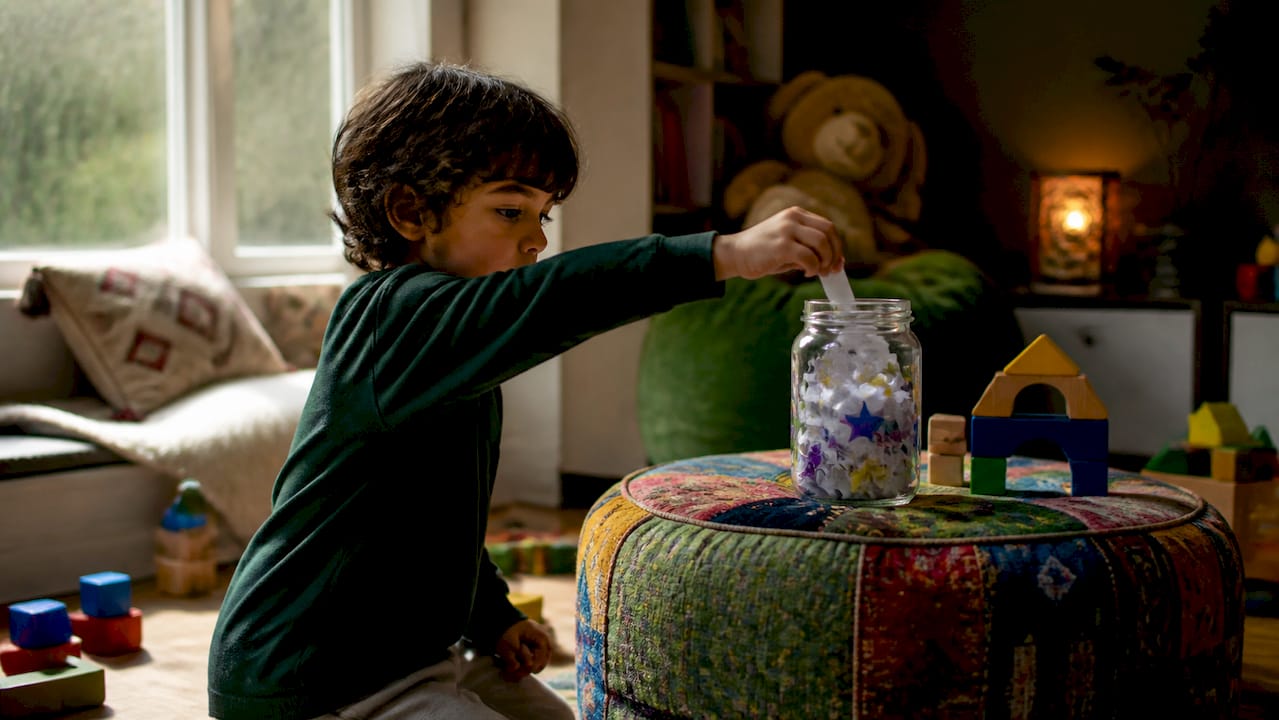
Bravery jar (15 minutes): Write small, low-stakes challenges on slips of paper tied to the book's theme, then draw one each week and celebrate the attempt.
Praise script: "I noticed you tried that even though it felt hard. That's exactly what [character name] did too."
What Research and Child-Development Experts Say
Development experts point to one repeatable technique: pairing a story with gentle, character-focused questions rather than direct ones about the child's own feelings.
Asking questions like "Do you ever feel like this character?" helps children connect a protagonist's choices to their own experience, building confidence gradually rather than all at once.
That approach, sometimes called interactive reading, lets kids talk about fear and courage indirectly, through a character, which tends to work far better with introverted kids than a direct "how did that make you feel?" ever does.
Why introverted protagonists matter
I grew up believing quiet meant invisible, until I read a story where the quiet kid was the one who solved the mystery. That book didn't just entertain me. It told me who I already was was enough.
Icon Literary Picture Books Turn These Ideas Into a Ready-Made Routine
Building this routine from scratch, picking books, writing your own questions, inventing activities, takes real effort on top of an already full parenting plate. Icon Literary removes that work by building story worlds where quiet, observant characters carry the plot, with SEL-aligned activity kits already structured around the exact prompts and small-step challenges described above.
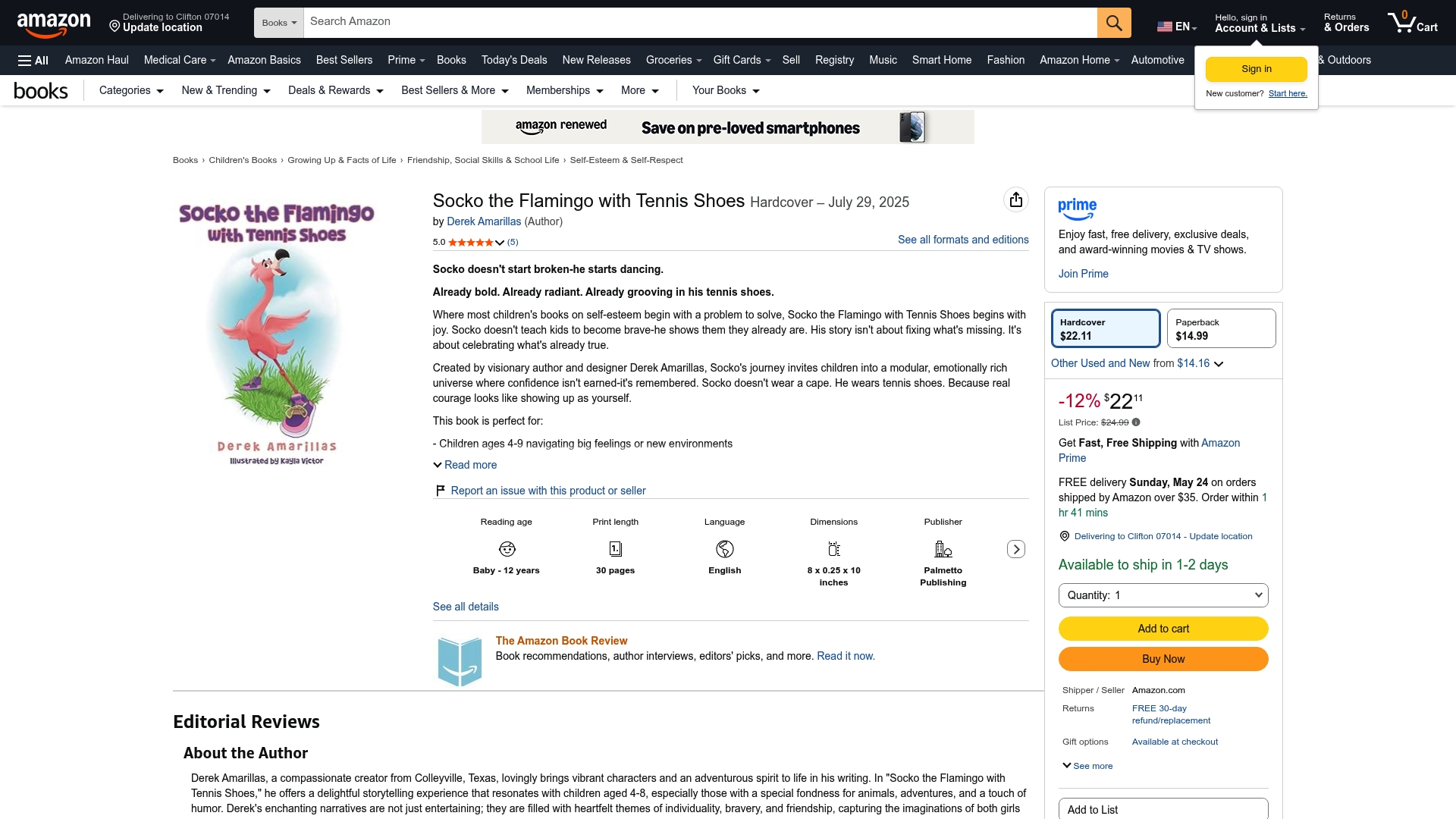
Each picture book pairs with an activity kit designed for the read-pause-discuss rhythm that actually builds confidence, so you're not stitching together your own discussion guide on a Tuesday night. Browse the Icon Literary catalog to find a story world that matches your child's temperament, or start at the Icon Literary homepage to see the full range of characters and kits currently available.
Sources
- Interactive reading: turning pages into conversations | Worldreader
- The Benefits of Teaching Kids Confidence Through Reading | United Through Reading
- Why reading makes you self-confident | Psychology Today
- Children's identity formation via literary mirroring (thesis) | Smith ScholarWorks
- Shy and Mighty by Nadia Finer | Penguin Random House
FAQ
Does reading really help shy kids more than social activities do? Reading complements social practice rather than replacing it. It gives a shy child a low-pressure way to rehearse feelings and reactions before trying them out loud, which often makes real social moments feel less overwhelming.
What age should I start using books this way? You can start as soon as your child follows a simple story, often around age 3 or 4, using picture books and simple questions. As reading independence grows around ages 6 to 8, shift toward early chapter books with more internal narration.
My child won't answer discussion questions. What now? Skip the direct question format. Let them answer as the character, draw the scene, or just sit with the story without commentary. Confidence-building doesn't require a verbal debrief every time.
Can books actually change how introverted kids act in groups? Books shift how a child feels about themselves first, and behavior change tends to follow gradually as that self-view solidifies. Expect small shifts, like initiating one conversation, before larger social changes.
Are Icon Literary's books only for very shy kids? No. The stories work for any child who benefits from seeing thoughtful, observant characters take the lead, whether they're deeply introverted or simply prefer quieter moments.