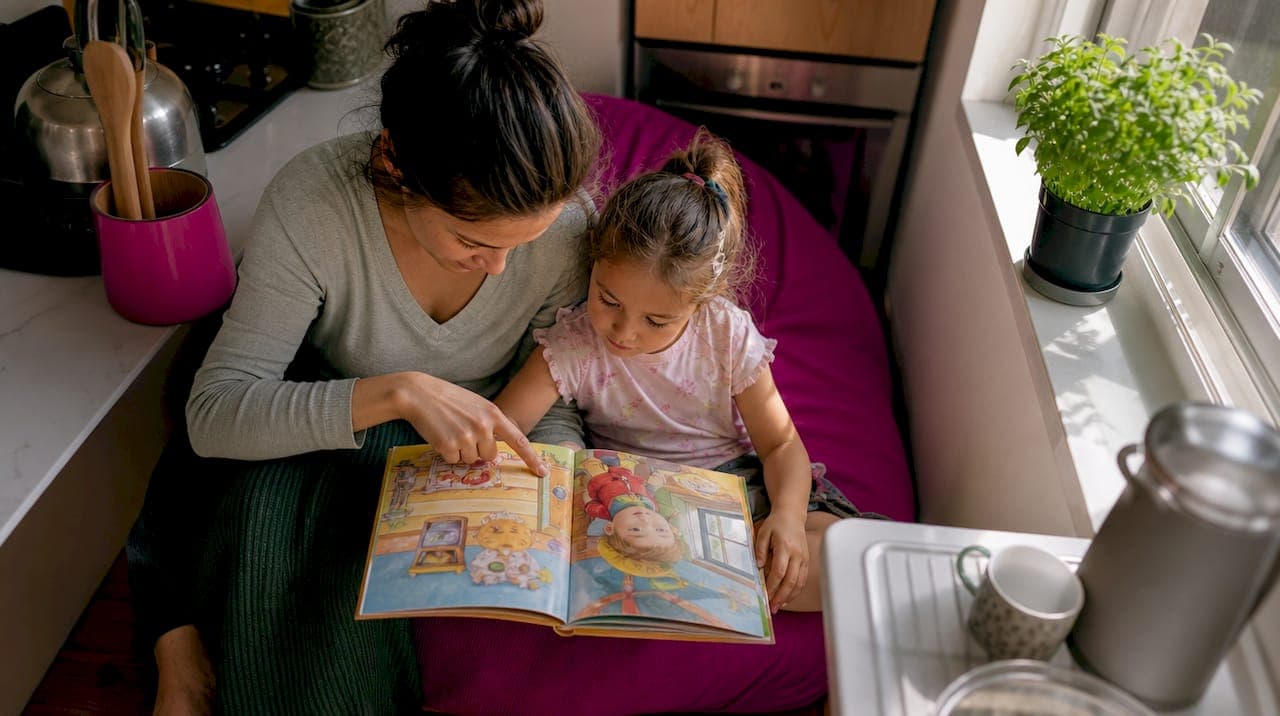
The most effective picture books about honesty pair an empathy-focused story arc with a real discussion after the last page, and Icon Literary's Duckwave: The Little Truth is the strongest starting point for most kids ages 4 to 8. It works because the story follows the classic sequence kids actually live through: a mistake, a moment of panic, a fib, and then the harder, better choice to make things right.
Two things make it stick with children where blunter "don't lie" books fall flat.
- The main character's fear feels real before the lesson ever arrives, so kids see their own anxiety mirrored on the page instead of getting scolded from the outside.
- The repair scene shows exactly what fixing a lie looks like in action, not just the abstract idea that "honesty is good."
Below, you will find the full curated list, age-by-age selection guidance, read-aloud scripts you can use tonight, and a breakdown of how to handle the trickier stuff (white lies, cheating, misinformation) as your kids get older.
Key Takeaways
Picture books teach honesty most effectively when they pair an empathy-focused story arc with a real conversation and a hands-on repair activity afterward.
| Point | Details |
|---|---|
| Start with an empathy-first pick | Duckwave: The Little Truth works for most kids ages 4 to 8 because it validates fear before it teaches the lesson. |
| Match the book to the age | Ages 3 to 5 need one clear fib and a fast resolution; ages 7 to 8 can handle lies with real complexity and social stakes. |
| Use the best read-aloud move | Pause before the reveal and ask what the child thinks will happen, then name the character's feeling out loud. |
| Follow up with a hands-on activity | A 15 to 20 minute activity like a trust tree craft or repair kit box turns the story into a habit, not a one-time lesson. |
| Explore Icon Literary's SEL library | Duckwave: The Little Truth and Honest Hands both build repair directly into the plot and come with discussion prompts ready to use. |
Table of Contents
- Why Picture Books Work for Teaching Honesty
- How to Choose the Right Picture Book About Honesty
- Icon Literary's Recommended Picture Books About Honesty
- Read-Aloud Moves and Activities That Turn a Story Into a Lesson
- Handling Nuance as Kids Grow: White Lies, Cheating, and Misinformation
- Why Icon Literary Builds Honesty Into Every Story
- Where to Find Icon Literary's Honesty Books and SEL Kits
- Frequently Asked Questions
- Sources
Why Picture Books Work for Teaching Honesty
Stories work because they let a child rehearse a moral decision from a safe distance before they ever have to make one themselves. A child who has heard a character panic, lie, and then fix it has a mental script ready the next time they scribble on the wall and consider blaming the dog.
This is not just a comforting theory for parents who like reading time. Developmental researchers who study deceptive behavior and cognitive growth point out that lying in early childhood tracks closely with a child's growing theory of mind and impulse control. In other words, a four-year-old's first lie is often a sign their brain just got smart enough to understand that other people cannot read their thoughts. That is a milestone, not a character flaw, and it means the right response is teaching, not punishment.
Good honesty books lean into that science by using a structure that mirrors real childhood experience: accident, panic, fib, consequence, repair. A kid spills juice on a library book, panics, says "I don't know how that happened," gets caught, and then has to help fix or replace it. That five-beat arc shows up again and again in the strongest titles because it matches what actually happens on a Tuesday afternoon at home.
Read Brightly's roundup of honesty titles makes a similar point about the Big Bright Feelings series, including Finn's Little Fibs, noting that the best entries frame lying within emotional development rather than treating it as a simple moral failing.
The most effective teaching books don't preach. They validate why a lie happened in the first place and then show the concrete steps back to trust, and that combination is what gets kids talking instead of shutting down.
That insight, drawn from educator notes on The Honest to Goodness Truth, is the single biggest reason picture books outperform lectures. A child who feels understood will actually listen to what comes next.
How to Choose the Right Picture Book About Honesty
Pick a book using six criteria: age fit, tone, whether it shows both consequence and repair, cultural representation, how complicated the lie actually is, and whether the ending leaves room for a real conversation. Skip any book that only punishes the character and never shows them making amends.
- Age fit. A 3-year-old needs a single, obvious lie and a happy resolution within a few pages. An 8-year-old can handle a lie that snowballs across the whole story.
- Tone. Look for warmth over sternness. A book that makes a child feel caught and shamed teaches hiding, not honesty.
- Consequence and repair. The character should face a real, age-appropriate consequence, then take a visible step to rebuild trust, not just say "sorry" once and move on.
- Representation. Choose stories with characters and family structures that reflect the kids you're reading to, so the lesson doesn't feel like it only applies to someone else's family.
- Complexity of the lie. A book about a fib over a broken toy teaches something different than a book about cheating on a test or spreading a rumor. Match the stakes to your child's stage.
- Room for discussion. The best books leave a small gap at the end, an unanswered feeling or a loose thread, that invites a "what would you have done?" conversation instead of wrapping everything up too neatly.
Teacher-resource guides consistently point to this last criterion as the difference between a book that gets shelved after one read and one that gets requested again and again. Bank Street College's curated notes specifically flag titles where characters take responsibility and repair relationships, arguing that these stories build integrity rather than simple obedience.
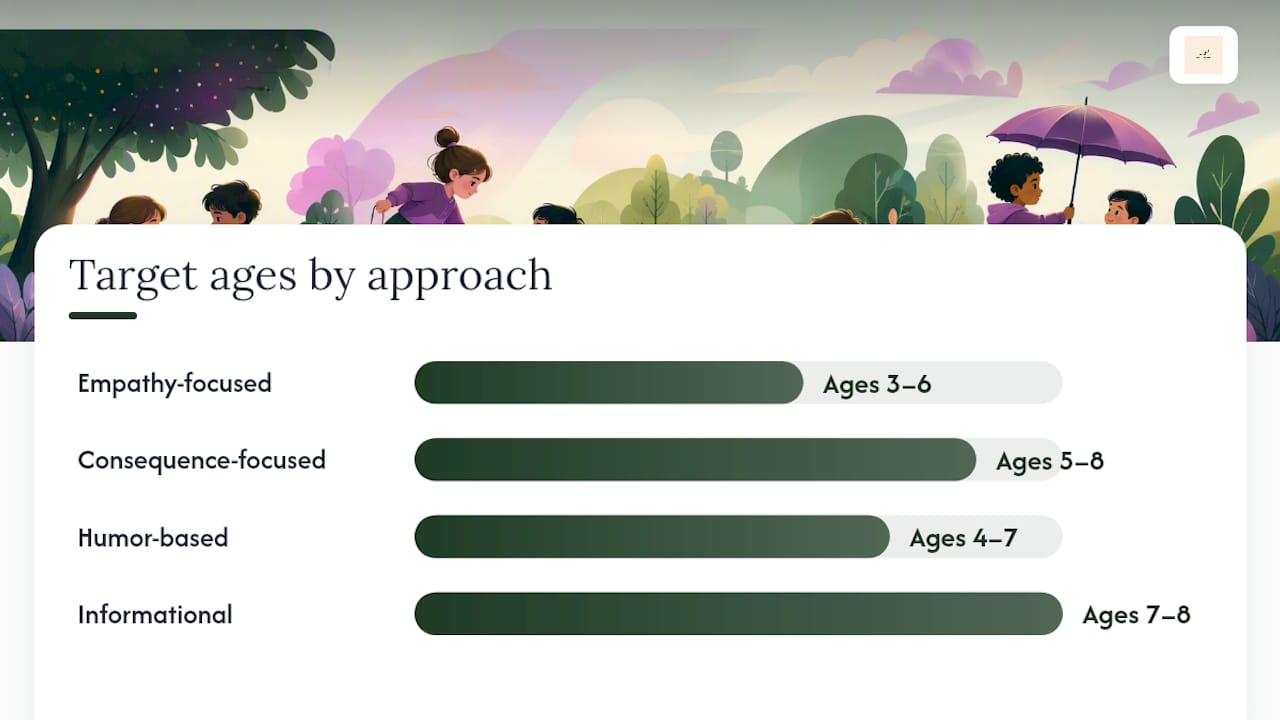
Here's how the four common approaches to honesty books stack up:
| Approach | Best for | What to watch for |
|---|---|---|
| Empathy-focused | Ages 3 to 6, kids who lie out of fear or embarrassment | Look for a character whose feelings are named and validated before the fix |
| Consequence-focused | Ages 5 to 8, kids who need to see cause and effect clearly | Make sure the consequence is proportional, not scary or shaming |
| Humor-based | Ages 4 to 7, reluctant readers or kids who resist "lesson" books | Confirm the joke lands on the situation, not on the character's mistake |
| Informational/misinformation | Ages 7 to 8, kids starting to navigate media and peer information | Check that it teaches source evaluation, not just "believe grown-ups" |
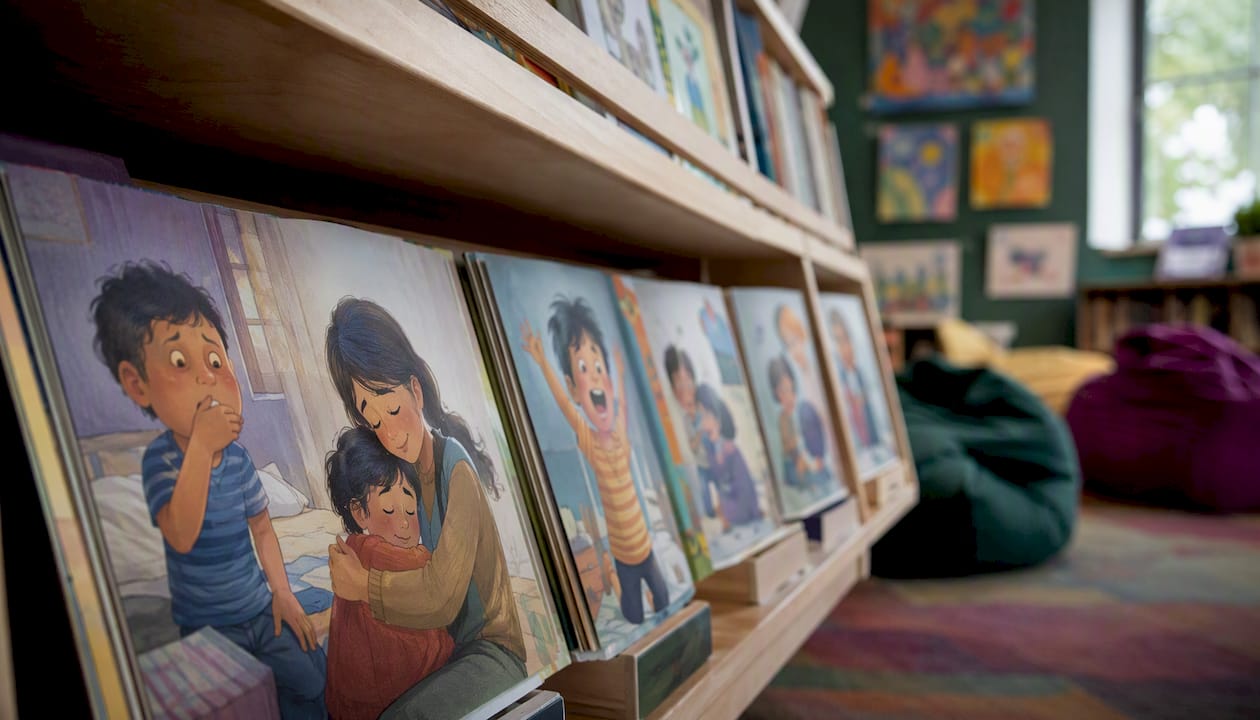
A quick way to picture each approach: an empathy-focused book might show a child confessing through tears because she's scared her friend will be mad. A consequence-focused book might have a boy lie about homework and then lose screen time until it's finished. A humor-based book might turn a kid's tall tale about a "monster in the yard" into a slapstick chase that resolves the fib without any tears at all.
Icon Literary's Recommended Picture Books About Honesty
Icon Literary built its two flagship honesty titles, Duckwave: The Little Truth and Honest Hands, specifically around the accident-panic-fib-repair arc, then filled out this list with complementary picks that cover different tones, ages, and entry points into the topic. Together they provide a well-rounded collection for teaching honesty.
Duckwave: The Little Truth (Icon Literary) Ages 4 to 8. A duck in the whimsical Duckwave universe breaks a rule, panics, and tells a small lie that grows heavier the longer it sits unspoken, until a gentle friend helps unravel it.
- What scared you about telling the truth here?
- How did the lie feel different from the truth once it was out?
- What would you have done in this moment?
- What's one small way the character could rebuild trust? Extension activity: a 15-minute "truth weather report" craft where kids draw how honesty and dishonesty each feel (sunny versus stormy) using paper plates and markers. Available in physical and printable formats.
Honest Hands (Icon Literary) Ages 5 to 8. This SEL-focused title follows a child who takes something that isn't theirs, then has to figure out how to make it right with their own two hands rather than words alone.
- Why do you think the character took the item in the first place?
- What does "making it right" look like beyond saying sorry?
- Has anyone ever forgiven you for a mistake? How did that feel?
- What would you want someone to do if they took something of yours? Extension activity: a "repair kit" role-play using simple props (tape, paper, glue) where kids physically "fix" a torn drawing to mirror emotional repair. Available in physical, printable, and digital kit formats.
A book about a magical creature who can't stop stretching the truth Ages 4 to 7. A folk-tale style story where small fibs literally grow in size until they become impossible to hide. Prompt: "At what point do you think the character should have told the truth?" Extension: act out the moment the lie gets "too big to hold," using a balloon that gets bigger with each retelling.
A humor-driven story about a boy who cries wolf one too many times Ages 5 to 8. This classic-style cautionary tale works well for kids who respond better to consequence than comfort. Prompt: "Why didn't anyone believe him the last time?"
An empathy-first entry from the Big Bright Feelings series, centered on a small fib Ages 3 to 6. Gentle illustrations and simple text make this a strong first honesty book for preschoolers. Prompt: "How did the character's tummy feel before and after telling the truth?"
A story about a young girl who learns the difference between a fib and a real lie Ages 6 to 8. Useful for kids old enough to start parsing intent and harm rather than just true versus false. Prompt: "Was this lie meant to hurt anyone, or was it meant to avoid trouble?"
A picture book centered on returning something borrowed without permission Ages 4 to 7. Bookshop includes several titles like this that focus on small acts of restitution rather than grand confessions. Prompt: "What made it hard to ask permission first?"
An animal-fable style book where cheating during a game unravels a friendship Ages 5 to 8. Good for classroom read-alouds since the stakes are social rather than punitive. Prompt: "How did the other characters find out, and how did that feel?"
Pro Tip: Read honesty books during a calm, low-stakes moment, not right after your child has actually lied to you. Reading it cold, days before or after an incident, lets kids engage with the story instead of feeling like the book is a setup for a lecture.
Read-Aloud Moves and Activities That Turn a Story Into a Lesson
Three moves make the biggest difference during a read-aloud: pausing before the reveal to ask what the child thinks will happen, naming the character's feeling out loud instead of just the plot event, and modeling the repair step in your own voice before turning it back to the child.
Try this phrasing when a character is about to lie: "Uh oh, I wonder what she's feeling right now. Do you think she's going to tell the truth?" Then, after the repair scene: "That took courage. What do you think happens to their friendship now?" Pairing a pre-reading question like "have you ever been scared to tell the truth?" with a post-reading one like "how would you make this right?" gives kids both ends of the emotional arc, a pattern educator notes on honesty-themed reading sessions specifically recommend for building empathy that transfers beyond the book.
Here are eight activities to run after any honesty book, listed roughly from lightest to most involved:
- Feelings check-in (5 minutes, no materials): Ask "which part of the story felt most like something that happened to you?"
- Truth journal (10 minutes, notebook and crayons): Kids draw or write one moment they told the truth even though it was hard.
- Trust tree craft (20 minutes, construction paper, glue): Build a paper tree where each leaf represents one honest choice made that week.
- Role-play apology (10 minutes, no materials): Act out the character's confession scene, then swap roles so the child plays the person who was lied to.
- Weather report for feelings (15 minutes, paper plates, markers): Draw the "emotional weather" before and after telling the truth.
- Repair kit box (15 minutes, tape, paper, small props): Physically repair a torn or broken item to mirror emotional repair.
- Two truths and a tall tale (10 minutes, no materials): A playful twist on the classic icebreaker that opens a conversation about why stretching the truth can be tempting.
- Family honesty pledge (5 minutes, paper and markers): Write and sign a simple, silly household promise about telling the truth, then hang it somewhere visible.
For 3 to 5 year olds, keep every activity under 10 minutes and skip anything requiring writing. For 6 to 8 year olds, add a reflection question to each activity ("what would you do differently next time?") and let them lead the role-play instead of you. A step-by-step read-aloud guide for ages 3 to 8 breaks down phrasing adjustments by age in more detail if you want a fuller script.
Pro Tip: Set up a weekly two-minute "honesty check-in" after the first reading, unrelated to any specific incident, so the conversation becomes a routine rather than something that only happens after your child gets caught in something.
Handling Nuance as Kids Grow: White Lies, Cheating, and Misinformation
The right approach for older kids is teaching them to weigh intent, harm, and context rather than sorting everything into a strict true-or-false bucket. A seven-year-old telling grandma the sweater is nice is doing something different from a seven-year-old lying about hitting a sibling, and kids need language for that difference.
Open the conversation with something concrete rather than abstract. Try:
- "Is it okay to say something nice even if you don't totally mean it, if it makes someone feel good and doesn't hurt anyone?"
- "What's the difference between keeping something private and hiding something you did wrong?"
- "If your friends are all saying something happened, does that make it true?"
Watch for warning signs that a pattern of dishonesty has moved past normal development: lying that escalates instead of easing with age, lying paired with a drop in grades or friendships, or a child who seems to lie reflexively even when the truth would clearly be easier. If lying becomes frequent, elaborate, or tied to anxiety or withdrawal, that's a signal to loop in a school counselor or therapist rather than trying to fix it with another book.
As kids move into the 7 to 8 range, honesty education needs to expand beyond interpersonal truth-telling into information literacy. Research on misinformation and child development points out that older children increasingly need stories and activities that teach them to evaluate sources, not just to avoid personally lying. A simple starting activity: after watching a video or reading a claim online together, ask "how do you think we could check if that's actually true?" and walk through it together. That single habit, checking before believing, is the media-literacy equivalent of the repair step in a picture book.
Why Icon Literary Builds Honesty Into Every Story
I've spent years thinking about why some children's books change how kids behave and most just entertain them for twenty minutes. The pattern that keeps showing up is simple: books that work don't lecture, they let a character feel scared, get it wrong, and find their way back. That's the design principle behind everything Icon Literary makes, from the Duckwave universe down to the smallest activity kit insert.
We build repair into the plot on purpose, not as an afterthought tacked onto the last page, because kids remember what a character does more than what a narrator says. If you want to see how that philosophy shows up across our full catalog, Icon Literary's home page has the current lineup.
Where to Find Icon Literary's Honesty Books and SEL Kits
Icon Literary sells its honesty-themed titles as an alternative to generic moral-lesson books that punish first and teach second. Both Duckwave: The Little Truth and Honest Hands are built around the same repair-focused arc this whole guide recommends, and they come with ready-made discussion prompts baked in, so you're not scrambling to invent questions after the last page.
Duckwave: The Little Truth brings the accident-panic-fib-repair pattern into the Duckwave universe's playful visual world, available in physical and printable formats through Icon Literary's storefront. It's the strongest single pick for a first honesty book with kids ages 4 to 8.
Honest Hands pairs its SEL picture book with a hands-on repair activity, and the full digital activity kit is accessible through the member site hub for families who want the printable extras alongside the story. If your child responds better to doing than talking, start here.
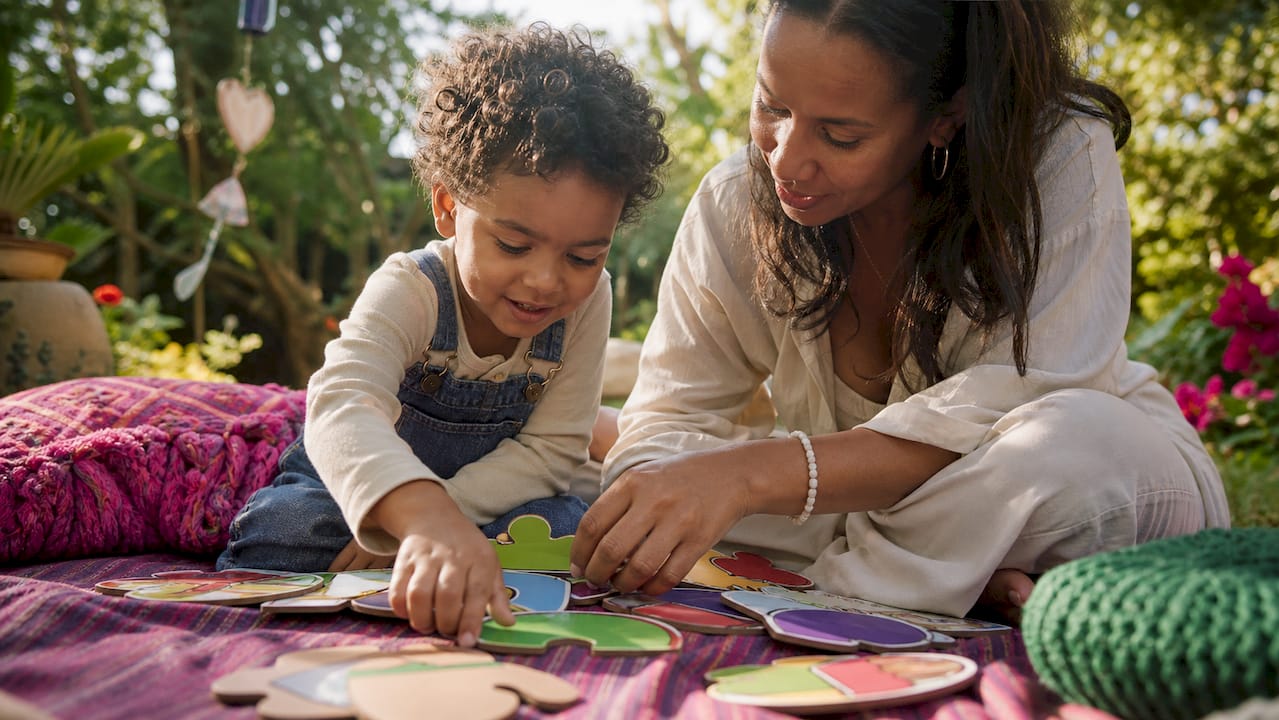
Both titles ship as physical books or instant printable downloads, so you can have one in hand tonight or on a screen in five minutes. Head to the storefront to check current formats and pick the title that matches where your child is right now.
Frequently Asked Questions
What age should kids start reading picture books about honesty? Most children are ready by age 3, once they start telling their first deliberate fibs, which developmental research ties to growing awareness that others can't read their thoughts. Start with simple, gentle stories and build toward more complex ones by age 7 or 8.
Are picture books about honesty better than just talking to kids about lying? Stories give kids emotional distance to process a mistake before they have to face one themselves, which tends to open up conversation rather than shut it down. A direct lecture right after an incident often makes kids defensive; a story read days later gives them room to reflect without feeling accused.
What's the difference between a white lie and a lie kids should never tell? The clearest distinction for kids is intent and harm: a white lie ("I love this gift") avoids hurting someone's feelings without deceiving them about anything that matters, while a harmful lie hides something that affects someone's safety, trust, or fairness. Teaching that distinction explicitly, rather than treating all untruths the same, helps kids reason through gray areas as they get older.
How do I know if a picture book about honesty is age-appropriate? Check whether the lie's complexity matches your child's stage: a single obvious fib with a fast happy ending suits ages 3 to 5, while a lie that escalates across the story and touches on social consequences suits ages 6 to 8. Publisher pages and curated lists like Bookshop.org's honesty collection usually list recommended age ranges alongside the synopsis.
Should I read the same honesty book more than once? Yes. Kids notice different details and ask different questions on a second or third read, especially once they've had their own experience with telling the truth in between readings. Repetition also reinforces the discussion routine, which matters more than any single reading for building the habit long term.
Sources
If you want to read more, start with these sources, grouped by who gets the most out of them.
For parents:
- Picture books about honesty — Read Brightly
- PMC article on children's development and deception
- Bookshop
- Teacher resource: book entries emphasizing integrity — Bank Street College CBC
For educators: