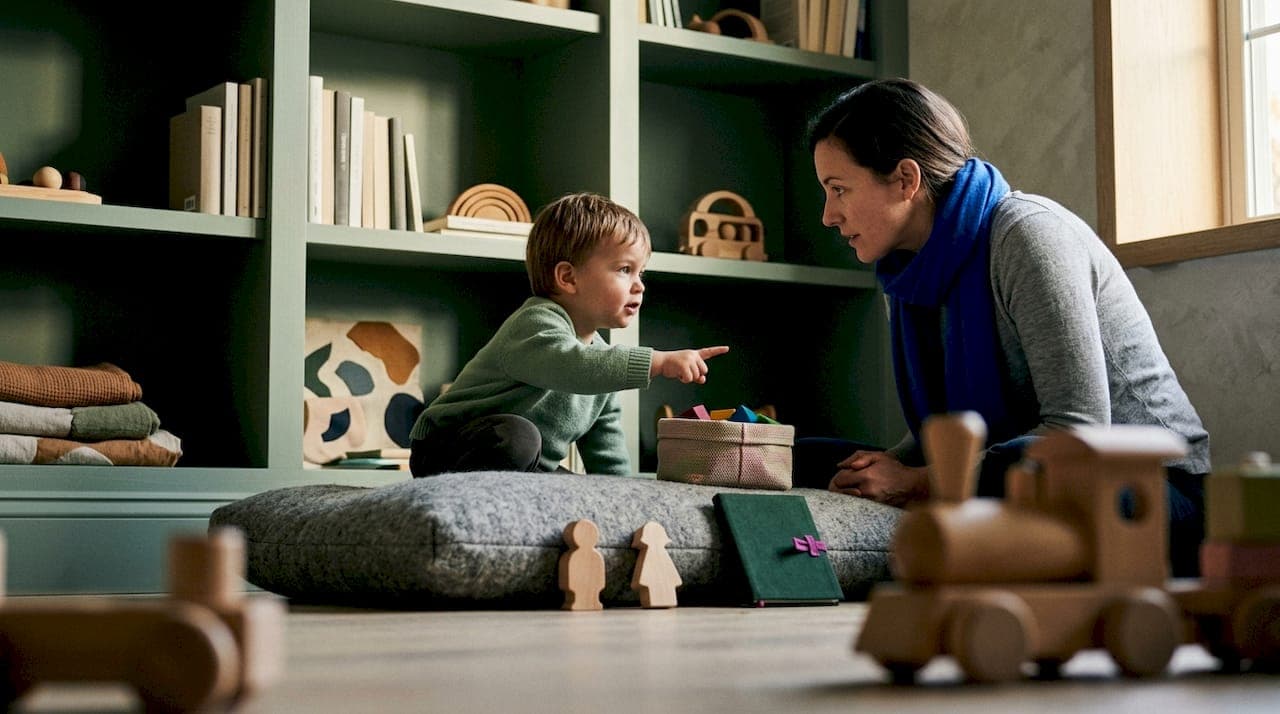
This page gives you 12 ready-to-run role play scenarios for kids, each with a micro-script, an age tweak, and the specific social-emotional skill it builds. Every scenario lists prop options from zero to a small kit, so you can start in the next five minutes. Scroll to the printable card template if you want something reusable for a whole week.
TL;DR:
- Repeating familiar scenarios with added decision points and reflection questions improves social-emotional skills more effectively than introducing new scripts frequently.
- Using a small bin of props ready at the door minimizes interruptions and keeps focus on skill development during role play.
- Short, under-five-minute sessions with role reversal and gentle reflection foster better habit formation than lengthy, one-off activities.
- Adjusting complexity and scripting based on age—minimal for toddlers, more exchanges and decision-making for older children—enhances engagement and learning.
- Incorporating character-driven story prompts or themed decks can deepen emotional literacy and perspective-taking without extra planning.
Table of Contents
- Top 12 Role Play Scenarios for Kids (With Scripts and SEL Focus)
- How to Run a Role Play Session That Actually Builds Skills
- Customizing Scenarios by Age and Learning Goal
- Printable Micro-Scripts and Scenario Cards You Can Reuse
- Why Icon Literary Thinks Story Matters More Than Most Guides Admit
- Safety and Boundaries During Role Play
- What the Research Gets Right (and What Most Lists Miss)
- Extend the Practice With Ready-Made Story Decks
- Sources
- FAQ
Top 12 Role Play Scenarios for Kids (With Scripts and SEL Focus)
Each scenario below works for one child and an adult, or a small group. Pick based on the skill you want to practice, not just the theme.
- Restaurant. One child is the server, one is the customer. Script: "Welcome! What can I get for you today?" Then order, "serve," and switch. This sequence supports language and cooperation, and works well with a picture menu instead of a written one for younger kids, according to research on restaurant pretend play. SEL focus: turn-taking, sequencing.
- Doctor's office. Child plays doctor, stuffed animal or sibling is the patient. Script: "What's bothering you today?" then a pretend checkup. SEL focus: empathy, care-taking language.
- Corner shop. One child is the shopkeeper, one is the shopper with a short list. Script: "That will be three coins, please." SEL focus: math-adjacent turn-taking, polite requests.
- Family dinner table. Assign roles (parent, kid, grandparent) and act out a mealtime with one small disagreement to resolve, like who gets the last roll. SEL focus: negotiation, patience.
- Classroom takeover. Child plays the teacher, adult or sibling plays a student who needs a rule explained. SEL focus: perspective-taking, patience with a struggling peer.
- Community helpers. Rotate through firefighter, mail carrier, and librarian, each with a one-line job description the child invents. SEL focus: understanding others' roles and contributions.
- Superhero training. The twist: the "power" is a feeling skill, like a hero whose power is calming down fast or noticing when a friend is sad. This reframes superhero role play as an SEL opportunity for kids. SEL focus: emotion regulation, courage under stress.
- Mystery detective. Give a small "clue" (a missing toy) and have the child interview two "witnesses" using questions instead of accusations. SEL focus: problem-solving, careful listening.
- Builder and architect. One child describes a dream structure, the other builds it with blocks or pillows, asking clarifying questions along the way. SEL focus: communication, collaborative problem-solving.
- "If I Were" perspective switch. Child imagines being a new kid at school, a pet, or a sibling, and narrates a day from that view. This format is specifically flagged for building perspective-taking in kids ages 2 to 6. SEL focus: empathy, perspective-taking.
- Conflict resolution vignette. Act out two friends both wanting the same swing, using a script that names the feeling before the fix: "I feel frustrated because I wanted a turn." Task-card banks built for this exact situation organize scenarios by context, so you can rotate settings without writing new material each time. SEL focus: emotion labeling, problem-solving.
- Feelings corner practice. No storyline, just a chair and a feeling word ("worried," "proud," "left out") the child has to act out and explain. SEL focus: emotion labeling, self-awareness.
Prop levels for any scenario:
- No props: voices, gestures, and imagination only.
- Household props: a spoon for a "microphone," a blanket cape, a shoebox cash register.
- Small kit: a themed card deck or costume box kept in one bin for quick access.
Pro Tip: Keep one small bin of grab-and-go props by the door. When a scenario stalls because nobody can find "the right thing," momentum dies. A bin fixes that in ten seconds.
How to Run a Role Play Session That Actually Builds Skills
A single round rarely needs more than five minutes. Practitioners who work on social skills rehearsal recommend short, repeated sessions rather than long lectures, since habits form through reps, not explanations.
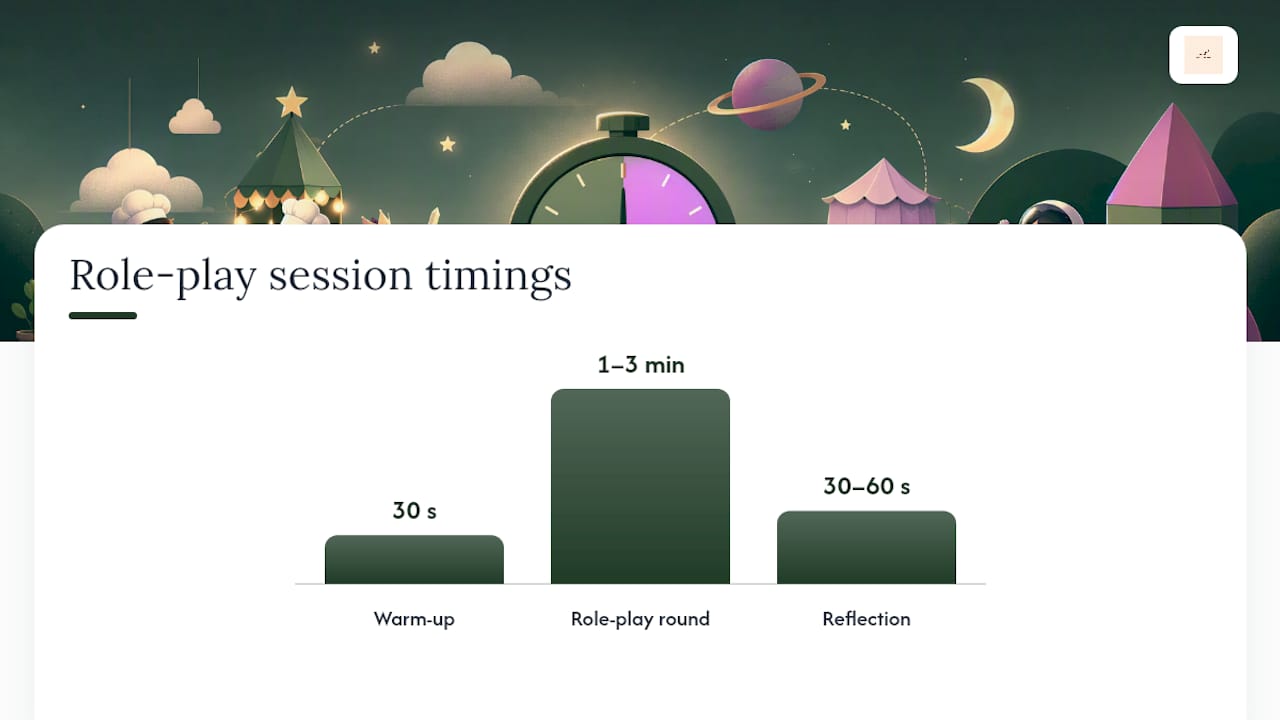
- Warm-up (30 seconds). Name the scenario and assign roles out loud.
- Role-play round (1 to 3 minutes). Run the scene once, uninterrupted, even if it wobbles.
- Reflection (30 to 60 seconds). Ask one question: "What happened?" or "How did that character feel?"
- Rotate and repeat. Swap roles so every child plays both sides of a situation, especially in conflict scenarios.
A simple three-step scaffold, Stop, Think, Act, works well as a cue card during the role-play round itself, helping kids pause before reacting instead of freezing or blurting.
Pro Tip: Resist correcting "wrong" answers mid-scene. Let the round finish, then raise it gently in reflection. Interrupting to fix dialogue turns practice into performance, and kids stop taking risks.
Three pitfalls sink most sessions: over-correcting in the moment, treating role play as a show for an audience instead of practice, and piling on so many props that the scenario becomes about the stuff instead of the skill.
Customizing Scenarios by Age and Learning Goal
The same scenario can serve a toddler or a second grader if you adjust the scaffolding, not the theme.
- Toddlers (ages 2 to 3): One role, one script line, picture prompts instead of words, rounds under two minutes. Avoid correcting mistakes. Advocates for early pretend play stress letting toddlers lead rather than scripting every move.
- Preschoolers (ages 4 to 5): Extend the script to a few exchanges, add one small problem to solve, and push for full sentences instead of single words.
- Early elementary (ages 6 to 8): Add a decision point mid-scene ("the customer changes their order") and a negotiation prompt, then close with two reflection questions instead of one.
Take the restaurant scenario: a toddler points at a picture and hands it over. A preschooler adds "I would like pancakes, please" and negotiates when the kitchen is "out." A second grader handles a complaint about a wrong order and has to propose a fix.
Printable Micro-Scripts and Scenario Cards You Can Reuse
Three scripts to copy onto index cards today:
- Restaurant order: "Welcome! What can I get started for you?" / "I'd like the [item], please." / "Coming right up!"
- "I feel" conflict script: "I feel [emotion] because [reason]. Can we [proposed fix]?"
- Apology and repair script: "I'm sorry I [action]. Next time I will [change]. Are we okay?"
Card template to build your own: Title, roles needed, prop level, one-line prompt, SEL focus, and time to run. Teachers using printable social awareness role play scripts report they scale across a whole class with barely any prep once the cards exist.
Run the same mini routine every time: warm-up, role-play round, reflection, clean-up. The repetition is what makes it a habit instead of a novelty.
Why Icon Literary Thinks Story Matters More Than Most Guides Admit
Icon Literary builds character-driven worlds because stakes and goals make practice stick. A scenario with a name, a want, and a small obstacle transfers to real life better than a bare instruction to "share nicely." Pairing role play with read-alouds that build empathy or storytelling prompts extends the same skill into quieter moments.
Safety and Boundaries During Role Play
Role play works best inside a few clear limits, especially with themes like conflict, mystery, or superhero training where kids can get physically or emotionally worked up.
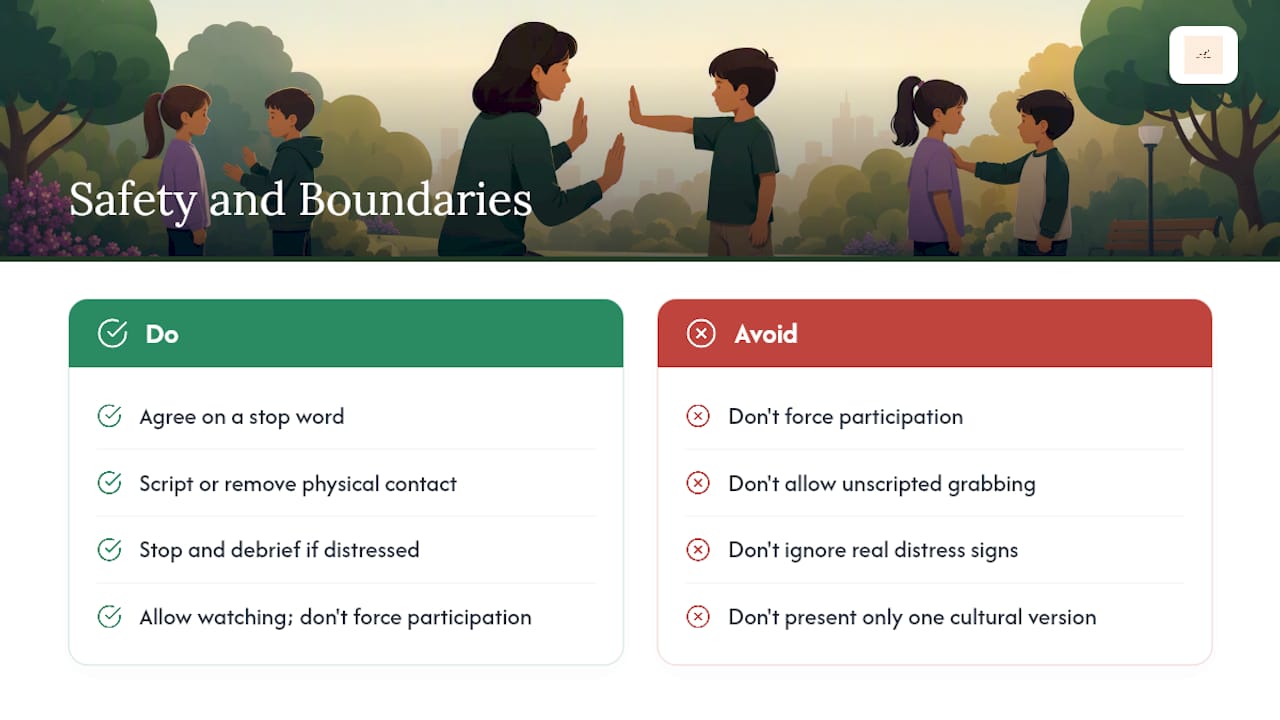
Set a stop word. Before starting, agree on a word ("freeze" or "pause") that ends the scene instantly, no questions asked. This matters most in conflict-resolution vignettes, where a child might genuinely feel the frustration they're supposed to be practicing.
Keep physical contact scripted or absent. Superhero training and detective scenarios tempt kids toward wrestling or "arresting" each other. Redirect physical energy into voice, gesture, and movement that doesn't involve grabbing.
Watch for a child who won't leave a role. Occasionally a scenario touches something real, like a child who plays "the new kid" because they actually feel left out. If a scene surfaces real distress instead of practiced distress, stop and talk as yourselves, not as characters.
Never force participation. Some kids need to watch two rounds before joining. That's not resistance, it's processing. A scenario a child opts into works better than one assigned to them.
Mind cultural fit. Family, community helper, and shop scenarios should reflect the child's own world when possible, different foods, different family structures, different jobs adults in their life actually do. A script that only shows one version of "family" or "shop" narrows who gets to see themselves in the play.
What the Research Gets Right (and What Most Lists Miss)
Most advice on role play scenarios for kids treats every scenario as interchangeable, as if a superhero script and a conflict-resolution script build the same muscle. They don't. The research on imaginative play is clear that different formats target different skills, and the biggest mistake I see is parents defaulting to the fun scenario (superhero, detective) and skipping the harder one (feelings corner, conflict vignette) because it feels less like play and more like work.
That's backwards. The scenarios that feel slightly uncomfortable, naming a feeling out loud, rehearsing an apology, are usually the ones doing the most work. Conventional wisdom says keep it light and let kids lead everything. Real progress needs a little structure: a script line, a reflection question, a repeat next week.
Prioritize repetition over variety. Running the same three scenarios weekly, rotating roles, will outperform a new scenario every single day that never gets revisited long enough to sink in.
— Derek Amarillas
Extend the Practice With Ready-Made Story Decks
You can use character-driven prompts already built for emotional literacy practice, avoiding the need to write scripts from scratch every week.
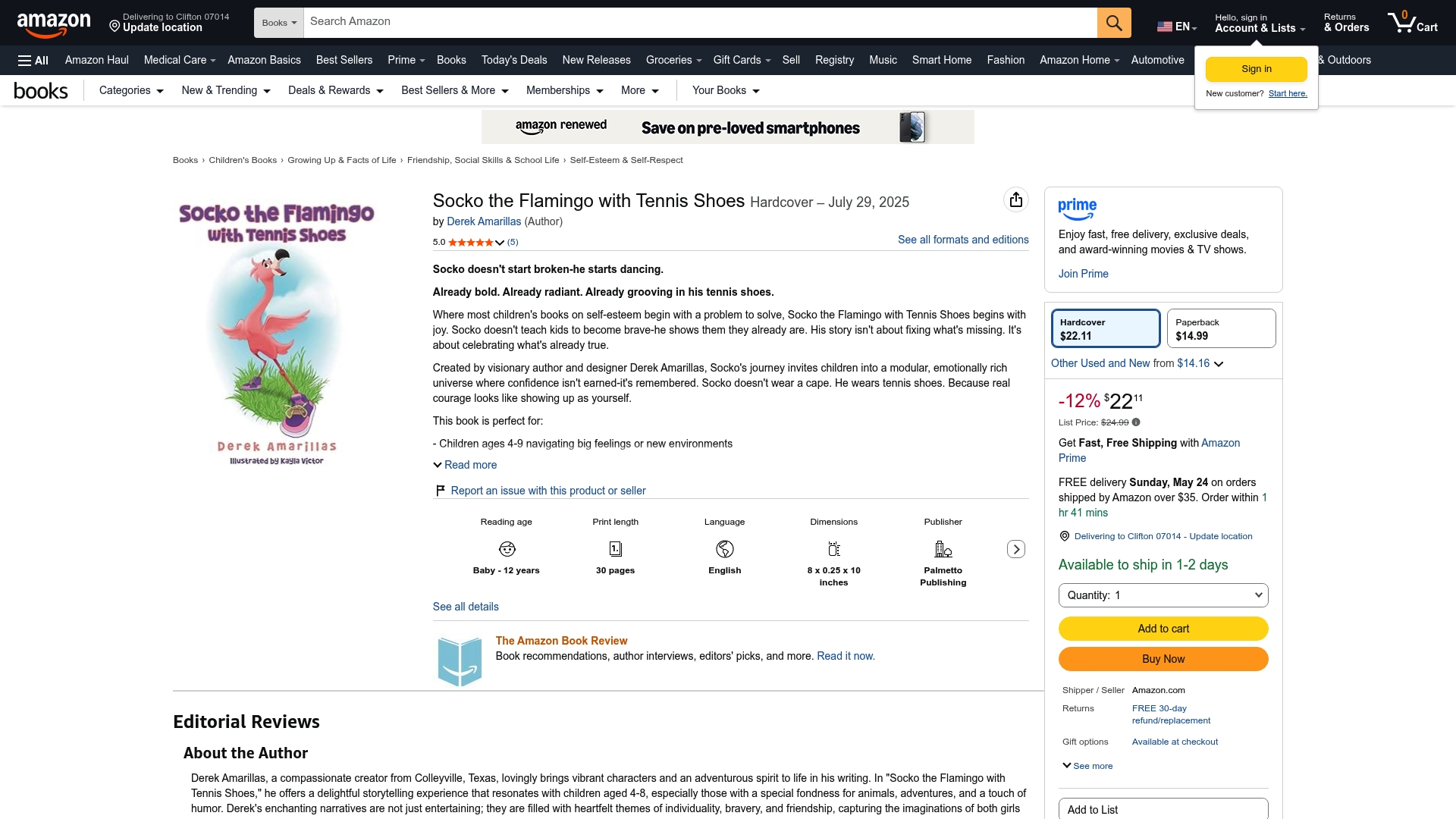
The Duckwave Decks, priced at $7, come with themed cards and story prompts you can drop straight into the routines above, swap one in for the "warm-up" step instead of inventing a scenario cold. For a broader set of story worlds and characters to pull perspective-switch and community-helper prompts from, Socko's Universe offers themed activity packs built around original characters rather than generic worksheets. A simple way to use either: pick one deck card per week, run it through the warm-up, role-play, reflection routine three times, then rotate to a new card. Check the current catalog to see which pack fits the age and skill you're targeting right now.
Sources
- Pretend play and early childhood development (Extension, University of Nevada, Reno)
- Social Awareness Role Playing Activity (Teaching Channel)
- Restaurant pretend play for toddlers and preschoolers (Fuzzigram)
- Conflict resolution scenarios for kids and teens (Pathway 2 Success)
FAQ
What are some examples of role play scenarios for kids?
Common examples include restaurant, doctor's office, shop, family dinner, community helpers, and conflict-resolution vignettes. Each one targets a specific skill, restaurant play builds sequencing and cooperation, while conflict scenarios build emotion labeling and problem-solving.
What are some good role-playing stories for kids?
Stories with a clear character goal and a small obstacle work best, since kids can act out the character's choice rather than just imitating dialogue. Pairing a story with an empathy theme before the role play round gives the scenario more emotional weight.
What are some examples of role play activities beyond scripted scenes?
Beyond structured scenarios, open-ended activities like "If I Were" perspective switches or feelings-corner practice let kids improvise without a fixed script. Both are grounded in research on imaginative play supporting perspective-taking and expressive language.
What are good "what would you do" scenarios for kids?
Strong prompts present a small dilemma with no obvious right answer, like "a friend won't share the swing" or "you see someone drop their lunch tray." The Stop, Think, Act scaffold works well here, giving kids a pause-before-reacting structure instead of an instant answer.
Does Icon Literary sell printable role-play materials?
Icon Literary's Duckwave Decks include themed cards and story prompts priced at $7 that pair naturally with the scenarios above. Socko's Universe activity packs are also available, with current pricing listed on the product catalog.