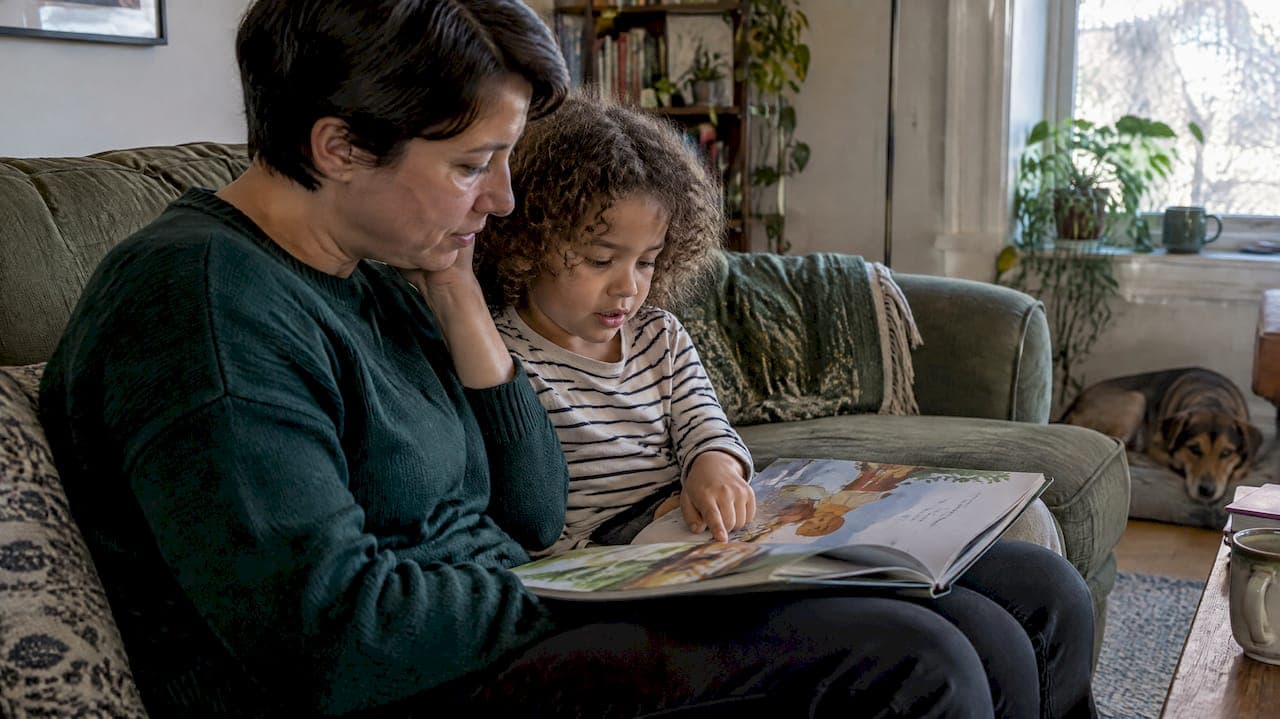
This guide gives you a short, curated list of adoption picture books, plus practical ways to use them. It is written for parents, caregivers, and educators who want stories that affirm adopted children and make talking about family origins easier. You will get top picks, age and theme matches, and a simple read-aloud routine.
TL;DR:
- For preschoolers, try A Mother for Choco or We Belong Together; older children may connect with Maybe Days or And Tango Makes Three.
- Start adoption language in infancy, reread favorite books, and follow your child's questions with open prompts and age appropriate facts.
- A 2025 analysis of 60 picture books flagged oversimplified emotions, narrow family definitions, whitewashed racial identities, and weak attention to power dynamics.
- Choose stories that center adoptees, show cultural identity and mixed feelings, and portray birth parents with dignity; add discussion when a book falls short.
Table of Contents
- 1. Top adoption picture books to start with
- 2. Matching books to age and theme
- 3. How to read adoption books together
- 4. What to check for representation and diversity
- 5. Picture books for siblings and classrooms
- 7. Our view on emotional literacy and inclusive storytelling
- 8. Extend the story into play with our Duckwave Decks
- FAQ
- Sources
1. Top adoption picture books to start with
- Tell Me Again About the Night I Was Born (ages 3–7): a warm, funny retelling of the arrival day. Best for reassurance. Read it at bedtime and let your child ask for the story again.
- We Belong Together (ages 3–7): shows adoption as one of many ways families form. Best for openness about how families are built. Use it to talk about who belongs in your home.
- And Tango Makes Three (ages 3–8): two penguin dads raise an adopted chick. Best for classrooms and for children in families with same-sex parents.
- I Wished for You: An Adoption Story (ages 3–7): a bear and her cub talk through what makes a family. Best for question-and-answer reading at your child's pace.
- The Family Book (ages 3–7): celebrates family variety of every kind. Best for group read-alouds and sibling talk.
- A Mother for Choco (ages 3–6): a small bird searches for a mother who does not look like him. Best for young children who notice differences.
- Maybe Days: A Book for Children in Foster Care for young children: names uncertainty honestly. Best for children who live with "maybe" answers.
To pick just one, match three things: your child's age, the feeling you want to talk about, and whether your child sees their own background in the pictures.
2. Matching books to age and theme
Pick by developmental stage first, then by the conversation you want to have.
By age
- 0–3: Tell Me Again About the Night I Was Born and The Family Book. Short lines and bright pictures let you say "adoption" aloud as a normal word. Practitioners suggest introducing adoption books early, even before speech, so the language feels familiar.
- 3–5: A Mother for Choco and We Belong Together. Look for simple plots about belonging and clear, expressive faces.
- Older children: Maybe Days and And Tango Makes Three. Older children can handle waiting, difference, and mixed feelings.
By theme
- Openness: We Belong Together supports ongoing talk about birth family. Open adoption is a lifelong, evolving relationship, so be ready to answer honestly.
- Loss and uncertainty: Maybe Days gives children words for grief and confusion.
- Everyday family life: The Family Book keeps adoption as one part of a bigger identity story.
- Siblings: pair any title with a sibling-focused book, covered below.
3. How to read adoption books together
Books work best as a bridge, not a single explanation. Child-literature experts advise reading the same titles again and again, and following your child's questions.
- Before: Preview the book yourself. Use the word "adoption" naturally and pick a calm, unhurried moment.
- During: Pause on the pictures. Ask open questions like "How do you think the bird feels?" Name feelings and accept every reaction, including silence.
- After: Link the story to your child's own life with age-appropriate facts. Then try a short follow-up, such as drawing a family picture. Our guides on spark family conversations and grief processing in children offer more ideas.
Pro Tip: Start reading adoption stories early. Reading aloud can help build a habit, and the words may feel familiar before your child asks hard questions.
4. What to check for representation and diversity

Not every adoption book is a good one. A 2025 critical content analysis of 60 picture books found four problem patterns: oversimplified emotions, narrow family definitions, whitewashed racial identities, and little attention to power dynamics. The published paper calls for more nuanced, culturally sensitive stories.
Use this checklist:
- Visible cultural cues in the art and text
- The adoptee's perspective, not only the parents'
- A real emotional range, including sadness and wonder
- No savior narrative about the adoptive family
- Birth parents shown with dignity
If a favorite book falls short, keep it and add conversation. Ask, "What do you think the story left out?" Our guide on books about identity and belonging can help you choose companions.
5. Picture books for siblings and classrooms
Siblings often get overlooked. Practitioners note a shortage of adoption books written for siblings, so choose titles that show a brother's or sister's point of view, and add family-variety books like The Family Book.
For a classroom read-aloud:
- Preview new vocabulary such as "adopted," "foster," and "birth family."
- Set response norms: everyone shares only what they choose.
- Follow with an inclusive activity, such as a family map or a role-play about feelings.
- Avoid assigning any child to speak for all adopted children.
More titles for ages 3–8 appear in our list of picture books that spark inclusion talks.
7. Our view on emotional literacy and inclusive storytelling
At Icon Literary, we design stories and tools that treat children's feelings as real, complicated, and worth naming. That shapes this list: we favor honest emotion and varied families over tidy endings. Treat these picks as a starting point, and tell us which books we should add.
— Derek Amarillas
8. Extend the story into play with our Duckwave Decks
Duckwave Decks turn read-aloud talk into play and reflection, and our Socko's Universe catalog offers story worlds and activities. Explore both tonight.
FAQ
What age should I start reading adoption books?
Start early, even in infancy. Practitioners recommend introducing adoption language before your child can speak, so the words feel normal. Then move to books about evolving feelings as your child grows.
How do adoption picture books help children?
They give children words and pictures for feelings like belonging, grief, and curiosity. Researchers found adoption picture books carry both worry and wonder, and honesty about both supports family adjustment.
How do I talk about adoption with my child after a story?
Follow your child's lead and read favorite titles repeatedly. Ask open questions, name feelings, and offer facts that fit your child's age. One conversation is never the whole conversation.
What makes a good adoption book?
Look for the adoptee's perspective, visible cultural identity, and honest emotions. Adoption should be one part of a child's larger story, not their only defining struggle, as literacy research on seeing yourself in stories suggests.
Sources
Picture books are a start. For adults, curated lists recommend Being Adopted: The Lifelong Search for Self and Twenty Things Adoptive Kids Wish Their Adoptive Parents Knew for lifelong topics.
Next steps worth taking:
- Semanticscholar
- Webmd
- Embracerace
- Adoption representation in picturebooks: a critical content analysis