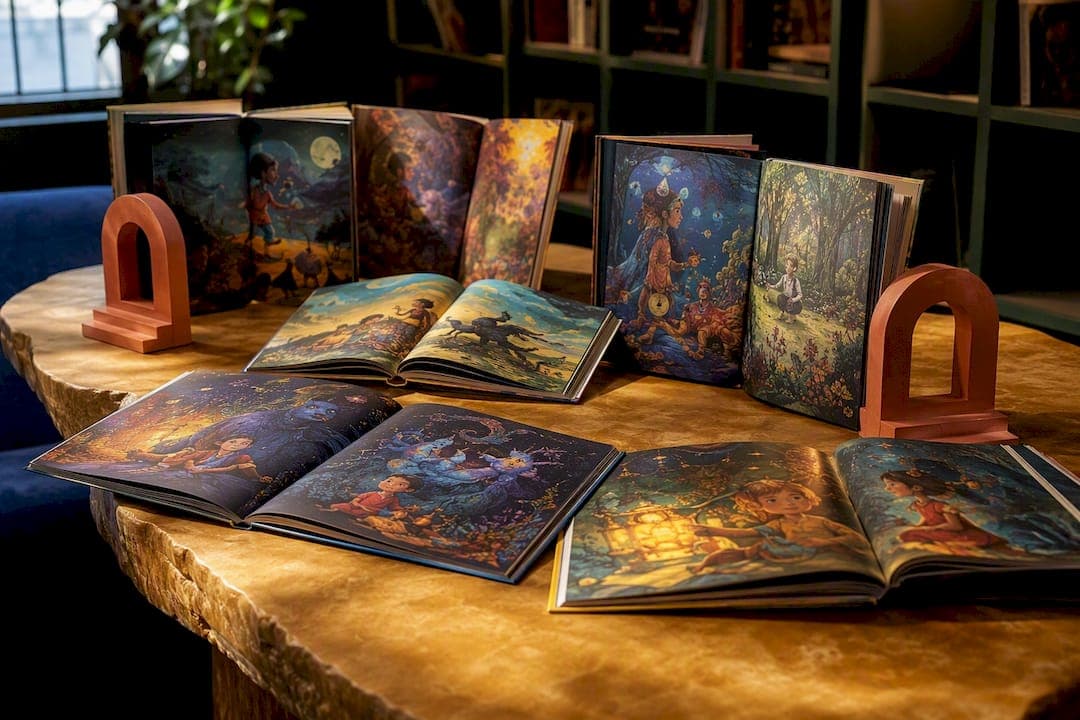
A short shelf of ten diverse fantasy picture books, chosen for joyful representation and social-emotional learning, gives parents, educators, and librarians a fast, trustworthy starting point. Each pick below centers a child's identity as a strength inside the story, not as background detail. Icon Literary curated this list alongside practical ways to read, discuss, and extend each title at home or in a classroom.
TL;DR:
- Characters' identities in these books actively drive problem-solving, making representation integral to the story rather than incidental background detail.
- Genuine diversity includes cultural context and author notes, avoiding tokenism and ensuring characters have agency and decision-making power.
- Stories with a joyful tone and authentic cultural grounding foster empathy and social-emotional learning more effectively.
- Different age groups respond best to varying narrative complexity; younger children prefer rhythmic, simple texts, while older kids handle layered themes.
- Supporting activities like discussions, cooking, or dramatization can deepen engagement and help children connect emotionally with the stories.
Table of Contents
- Diverse Fantasy Picture Books That Belong on Every Shelf
- What Makes a Fantasy Picture Book Genuinely Diverse
- Bringing These Stories Into Storytime and the Classroom
- Matching the Right Book to the Right Reader
- Where to Keep Finding New Diverse Fantasy Titles
- Why Icon Literary Builds Fantasy Around Feeling, Not Just Representation
- Bring These Stories Home With Icon Literary
- Sources
Diverse Fantasy Picture Books That Belong on Every Shelf
Fantasy works differently for kids than it does for adults. A dragon, a spirit guide, or a shape-shifting grandmother gives a child distance from a hard feeling, enough room to look at fear, loneliness, or difference without getting swallowed by it. That's why diverse fantasy picture books do double duty: they stretch a child's imagination and hand them language for real emotions. The ten titles below were chosen because the magic and the representation are fused together, not stacked side by side.
-
"Julián Is a Mermaid" by Jessica Love (ages 3–7). A boy imagines himself as a mermaid after seeing women dressed as one on the subway. The fantasy transformation is entirely his own, and his grandmother's acceptance makes this a quiet, powerful SEL tool for identity and gender expression.
-
"The Magic Callaloo" by Trish Cooke, illustrated by Sophie Bass (ages 4–8). Caribbean folklore drives this tale of a magical stew that heals a family rift. Publisher back-matter explains the cultural roots of the story, giving adults an easy bridge into real conversations about food, family, and forgiveness.
-
"Benita and the Night Creatures" (ages 4–7). Folklore monsters get the humorous treatment here, turning nighttime fears into something familiar rather than frightening. The publisher's approach to defanging folklore makes this a strong bedtime read for anxious sleepers.
-
"Super Nani and Captain Yaz" (ages 4–8). A multigenerational, South Asian superhero story where grandmother and grandchild team up. Family-focused back-matter helps caregivers turn the story into a discussion starter about family traditions and intergenerational bonds.
-
"Kamala and Maya's Big Idea" by Meena Harris (ages 4–8). Less fantasy in the traditional sense, more everyday magic: two sisters transform a barren lot into a playground through imagination and persistence. Works well as a bridge title for readers who want gentle fantasy with real-world stakes.
-
"The Proudest Blue" by Ibtihaj Muhammad and S.K. Ali (ages 4–8). The hijab becomes a source of visual, almost mythic pride here, described in language that borders on the fantastical. A strong pick for classrooms exploring self-esteem and religious identity.
-
"Islandborn" by Junot Díaz (ages 5–8). A girl who left her island as a baby reconstructs her homeland through classmates' memories, blending magical realism with immigrant experience. Excellent for multilingual and multigenerational family units.
-
"Fry Bread" by Kevin Noble Maillard (ages 3–7). This lyrical, folklore-infused celebration of Native foodways and resilience uses rhythm and repetition that make it a natural board-book style read-aloud for younger toddlers, too.
-
"When Aidan Became a Brother" by Kyle Lukoff (ages 4–8). A transgender boy reimagines his own story with the same wonder he'd bring to inventing a fantasy world, making identity itself the imaginative act.
-
"All Because You Matter" by Tami Charles (ages 3–8). Cosmic, almost mythic in scope, this book tells Black children they were dreamed into being before the universe existed. A gorgeous bedtime read for building self-worth through wonder rather than direct instruction.
Icon Literary's own emotional-literacy titles are built on this same principle: magical framing paired with a real feeling a child can name and practice.
What Makes a Fantasy Picture Book Genuinely Diverse
Representation only works when it does something inside the plot. A shortlist built on flat inclusion (a background character who happens to look different) teaches far less than a story where a child's culture, disability, or family structure actively solves the problem at hand. Here's what to look for:
- Embedded representation. The character's identity drives a story choice, not just a color swatch in the illustration.
- Agency. Educators consistently favor books where characters make decisions and solve problems, rather than being rescued or explained.
- Joyful tone. Fear and shame rarely teach empathy as well as humor and wonder do.
- Authentic cultural context. Folklore retellings that include author notes tend to respect the source material more carefully than those that don't.
- Clear SEL utility. The story maps to a recognizable feeling: fear, pride, grief, belonging.
- Age-appropriate pacing. A book for age 3 needs a simpler arc than one aimed at age 7 or 8.
Watch for red flags too: tokenism (a single diverse character with no story function), folklore stripped of any cultural note or citation, or a tone that swings between somber and slapstick without warning.
Pro Tip: Flip to the back matter before you buy. A short author's note explaining cultural context is one of the fastest ways to tell a well-researched retelling from a rushed one.

Bringing These Stories Into Storytime and the Classroom
A picture book earns its keep when it starts a conversation, not just a page turn. Try these approaches:
- Ask "What would you have done?" after a character solves a problem using their culture or ability.
- Pause on an illustration and ask what emotion the character's face shows before naming it yourself.
- Reread a folklore title and ask the child to retell the myth in their own words.
- After "Fry Bread" or "The Magic Callaloo," cook or taste a dish from the story with the family.
- Map a folklore creature's origin on a simple world map for older kids in a classroom setting.
- Use dramatic play to act out a character's transformation, like Julián's mermaid moment.
- For multilingual families, read the story once in English and once translating key lines into a home language.
- Create a sensory craft (fabric scraps for a hijab, dried leaves for a folklore creature) tied to the book's central image.
Educators and parents widely use fantasy picture books to support social-emotional learning goals from toddlerhood through age 8, largely because a metaphorical character makes a hard topic safe to approach sideways.
Matching the Right Book to the Right Reader
Age recommendations on picture books are a starting point, not a rulebook. A 3 year old and a 5 year old sitting through the same story will pull different things from it, and that's fine. Board-book style texts with rhythm and repetition, like "Fry Bread," work well for the youngest listeners who respond to sound before plot. Titles with more layered themes, like "Islandborn" or "When Aidan Became a Brother," tend to land better with kids age 5 and up who can hold a longer narrative arc in mind.
Parents reading one-on-one at bedtime have more room to pause, ask questions, and let a book breathe over several nights. Classroom teachers working with twenty kids at once often need a tighter, more predictable structure and a book that survives being read fast. Librarians curating a collection should think in terms of range: a shelf needs quiet, slow titles alongside louder, funnier ones so kids self-select what matches their mood. Common Sense Media's fantasy lists are a reliable way to cross-check age guidance against a second, independent source before adding a new title to a rotation.
Where to Keep Finding New Diverse Fantasy Titles
- Inclusive Books for Children maintains themed lists covering neurodivergent characters and multicultural retellings for early readers.
- Common Sense Media's fantasy roundup offers ongoing age-guided suggestions beyond this shortlist.
- Icon Literary's own guide on how to find inclusive picture books breaks selection criteria down further for collection builders.
- The criteria guide for inclusive book selection pairs well with the checklist above.
- For mood-based fantasy picks outside the diversity lens, Book-a-Holic's cozy fantasy list is a useful companion resource.
Why Icon Literary Builds Fantasy Around Feeling, Not Just Representation
Icon Literary's editorial approach starts from a simple premise: a child should recognize themselves inside the magic, not just beside it. Diverse fantasy works best when a character's culture, ability, or family shape gives them a specific tool for solving the story's problem, echoing what creators describe as joyful, agency-forward representation rather than passive inclusion.
That philosophy shapes every original story Icon Literary develops, from its emotional-literacy picture books to its themed card decks. The goal is never to lecture a child into empathy. It's to hand them a character funny and brave enough that the lesson sticks without feeling like one.
— Derek Amarillas
Bring These Stories Home With Icon Literary
If this list has you thinking about what's missing from your own shelf, Icon Literary builds original picture books, activity kits, and downloadable card decks designed around exactly this gap: fantasy worlds where a child's identity is the source of their power, not a footnote to it.
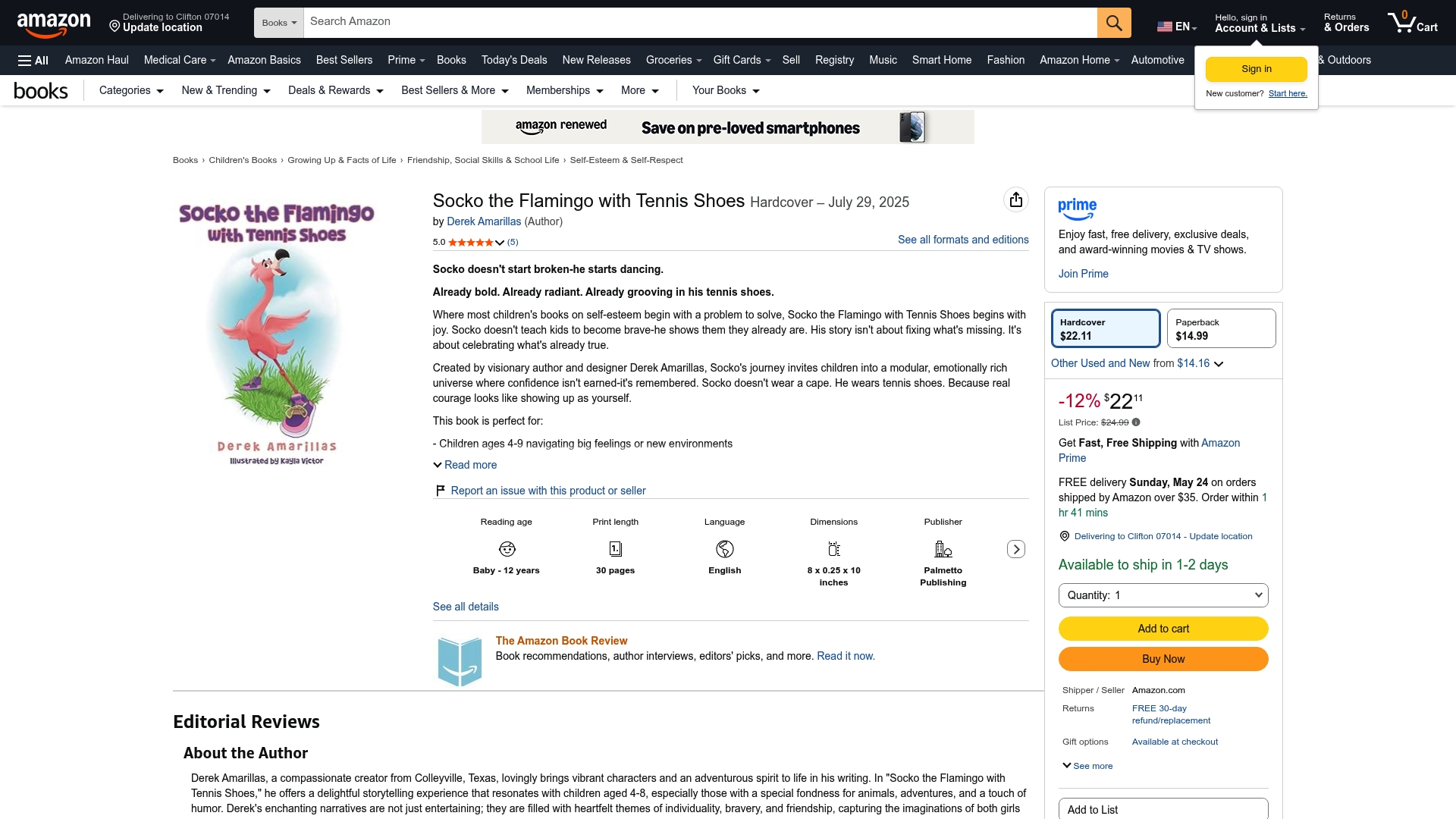 Unlike a general fantasy anthology, every Icon Literary title is built with a specific emotional-literacy goal in mind, paired with discussion prompts and activities so a book doesn't end at the last page. Explore the current catalog of books, kits, and downloadable collectibles at the Icon Literary storefront and find the title that matches the feeling your child, classroom, or collection needs next.
Sources
- NCTE — Creating inclusive classroom libraries with different types of agents
- Penguin Random House — The Magic Callaloo
- Common Sense Media — Fantasy books for kids