Start with a daily three to five minute mood check-in, then add two or three playful activities each week, each tied to one of CASEL's five competencies. Name the emotion out loud every time, keep sessions short, and repeat the same format for a few weeks before switching it up. Consistency, not variety, is what makes homeschool SEL activities stick.
TL;DR:
- Repeating the same activity over two weeks strengthens emotional vocabulary more effectively than switching activities frequently.
- Incorporating micro-check-ins into existing routines, like breakfast and bedtime, creates sustainable SEL practice without adding new subjects.
- Using play and storytelling, such as role-playing or story repair, leads to more durable emotional learning compared to worksheets or direct questioning.
- Age-appropriate adaptations involve shorter activities for preschoolers, visual supports for early elementary, and more nuanced dilemmas for upper elementary students.
- Resources like story prompts, card decks, and free curricula support low-prep, effective homeschool SEL activities aligned with CASEL competencies.
Table of Contents
- 12 Homeschool SEL Activities You Can Run This Week
- How to Build SEL Into Your Homeschool Day Without Adding a Subject
- Adapting SEL Activities by Age and Attention Span
- Using Stories and Role-Play to Teach Emotional Vocabulary
- What the Research Says About SEL and Play
- Handling Pushback When Kids Resist SEL Activities
- Why Story-Driven SEL Works Better Than Worksheets
- How Icon Literary's Duckwave Decks Make Story-Based SEL Easy
- Where to Find Free SEL Curricula and Printable Activities
- Sources
- FAQ
12 Homeschool SEL Activities You Can Run This Week
These activities are grouped by the five CASEL competencies: self-awareness, self-management, social awareness, relationship skills, and responsible decision-making. Mapping each activity to a competency matters because it tells you what skill you are actually practicing, rather than just filling time with a craft.
- Feelings Weather Report (self-awareness, 5 minutes, no prep): Ask your child to describe their morning mood as weather. "Am I sunny, stormy, foggy?" Follow with, "What's making it that kind of day?" For younger kids, use faces instead of weather; for grades 3 to 5, ask them to predict tomorrow's forecast and why.
- Pause Button Practice (self-management, 10 minutes, low prep): Teach a physical signal, like a raised hand, that means "I need a pause." Practice it during a calm moment first, then role-play a frustrating scenario, like a tower falling down. Repeat weekly until the signal becomes automatic during real frustration.
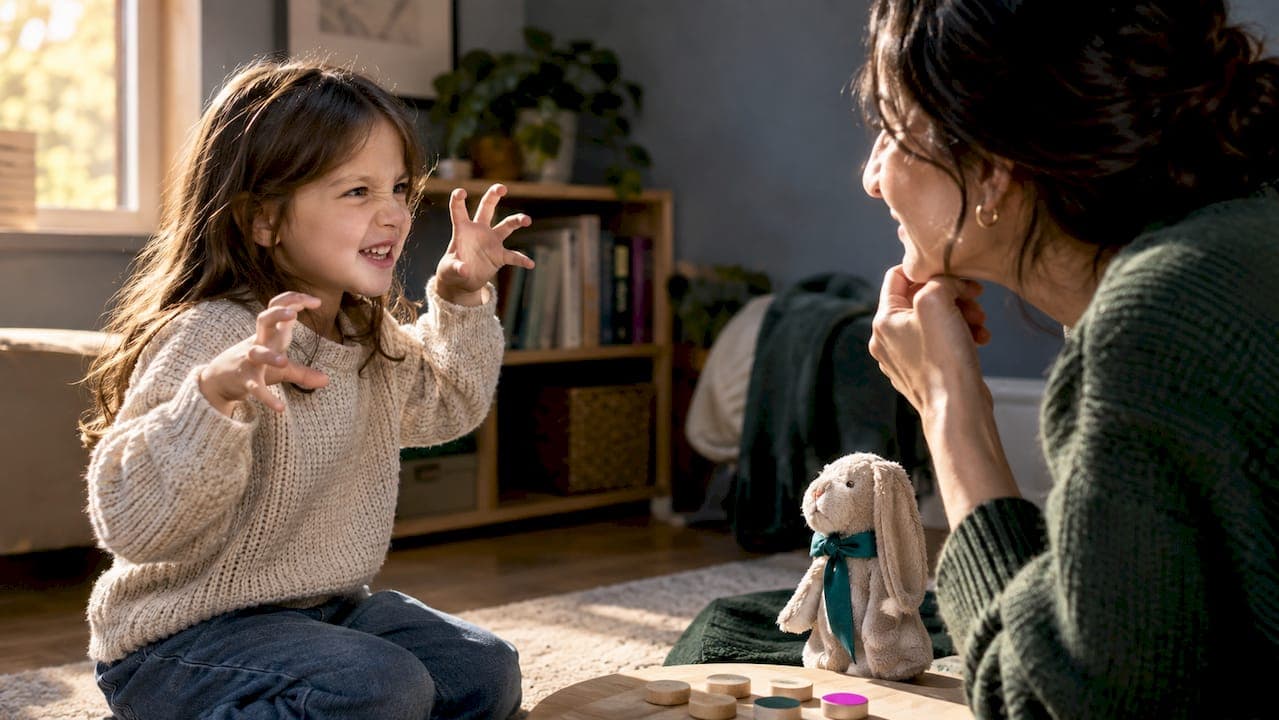
- Guess the Feeling Charades (social awareness, 15 minutes, no prep): One person acts out an emotion using only body language; others guess it and explain the clues. Variation for older kids: act out a feeling caused by a specific situation, like "left out at recess," to build cause-and-effect thinking.
- Cooperative Building Challenge (relationship skills, 20 minutes, low prep): Give siblings one set of blocks and one shared goal, like building a bridge, but only one person can touch the blocks at a time while the other gives instructions. This forces turn-taking and verbal cooperation, both of which play-based games are especially effective at teaching.
- Two Good Choices Game (responsible decision-making, 10 minutes, no prep): Present a simple dilemma, like a friend wanting to skip a chore, and ask your child to name two reasonable choices and one consequence for each. For preschoolers, simplify to "yes or no" choices with a puppet acting out the result.
- Glitter Jar Calm Down (self-management, 5 minutes prep, then reusable): Shake a jar of water and glitter, then watch it settle together while naming what's happening in the body. Use it as a physical anchor before harder lessons, not just during meltdowns.
- Emotion Detective Walk (social awareness, 15 minutes, no prep): Take a walk and point out how people, pets, or characters in a passing story might be feeling, asking "How do you know?" This builds the same inferential skill used in shared reading.
- Sibling Interview Swap (relationship skills, 10 minutes, no prep): Kids interview each other with three questions, like "What made you proud this week?" then report back what they heard. It teaches listening as a distinct skill from talking.
- Worry Box (self-awareness, 5 minutes, low prep): Write or draw a worry on a slip of paper and place it in a decorated box to open together on a set day. This teaches that feelings can be named and set aside rather than acted on immediately.
- Kindness Chain (relationship skills, 5 minutes daily, low prep): Add a paper link to a chain every time someone notices a kind act in the house. Watching the chain grow over weeks gives a visible, low-pressure measure of relationship-building in action.
- What Would You Do? (responsible decision-making, 10 minutes, no prep): Read a short conflict scenario and pause before the resolution, asking your child to predict outcomes for different choices. This mirrors the inferential questioning technique used with story-based prompts.
- Gratitude Round Robin (self-awareness, 5 minutes, no prep): At dinner or bedtime, each family member names one thing they're grateful for and one feeling they had that day. Repeating it nightly for a month tends to make naming emotions feel routine rather than forced.
Pro Tip: Pick one activity and repeat it exactly the same way for two weeks before introducing a new one. Kids build emotional vocabulary faster through repetition of a familiar format than through novelty.
How to Build SEL Into Your Homeschool Day Without Adding a Subject
Social emotional learning at home works best when it rides on routines you already have, not when it becomes a separate block on the schedule. The goal is to attach a feeling check or a skill practice to a transition point that already happens every day.
- Morning launch (3 minutes): Right after breakfast, ask "What's one word for how you're feeling about today?" and one follow-up question. This becomes the Feelings Weather Report habit described above.
- Midday reset (5 minutes): Between subjects or after lunch, run a quick Pause Button Practice or Glitter Jar Calm Down, especially on days when academic work has been frustrating.
- Evening reflection (5 minutes): At dinner or before bed, use the Gratitude Round Robin or a one-line version of Sibling Interview Swap.
For a full-day homeschool rhythm, plan one 15 to 20 minute activity (like Cooperative Building Challenge or Emotion Detective Walk) two or three times a week, layered on top of the daily micro-check-ins. For a part-time or co-op schedule, compress to just the morning and evening routines on academic days, and save the longer activities for your dedicated home days.
Measuring progress does not require a rubric. A simple journal where you jot one sentence after each session, a photo log of completed activities, or a weekly two-minute reflection with your child ("What got easier this week?") gives you a record without turning SEL into another test. Families reinforcing the same strategies used in structured settings tend to see skills carry over faster than one-off lessons.
Pro Tip: Keep a single running note on your phone titled "SEL Wins." Log one sentence per week. After a month, you'll have real evidence of growth instead of a vague sense that "it's working."
Adapting SEL Activities by Age and Attention Span
Preschool (ages 3 to 5) kids have short attention spans and need concrete, sensory cues rather than abstract talk about feelings. Use the Feelings Weather Report with picture faces instead of words, and keep every activity under five minutes with a puppet or stuffed animal as the "guesser" in games like charades.
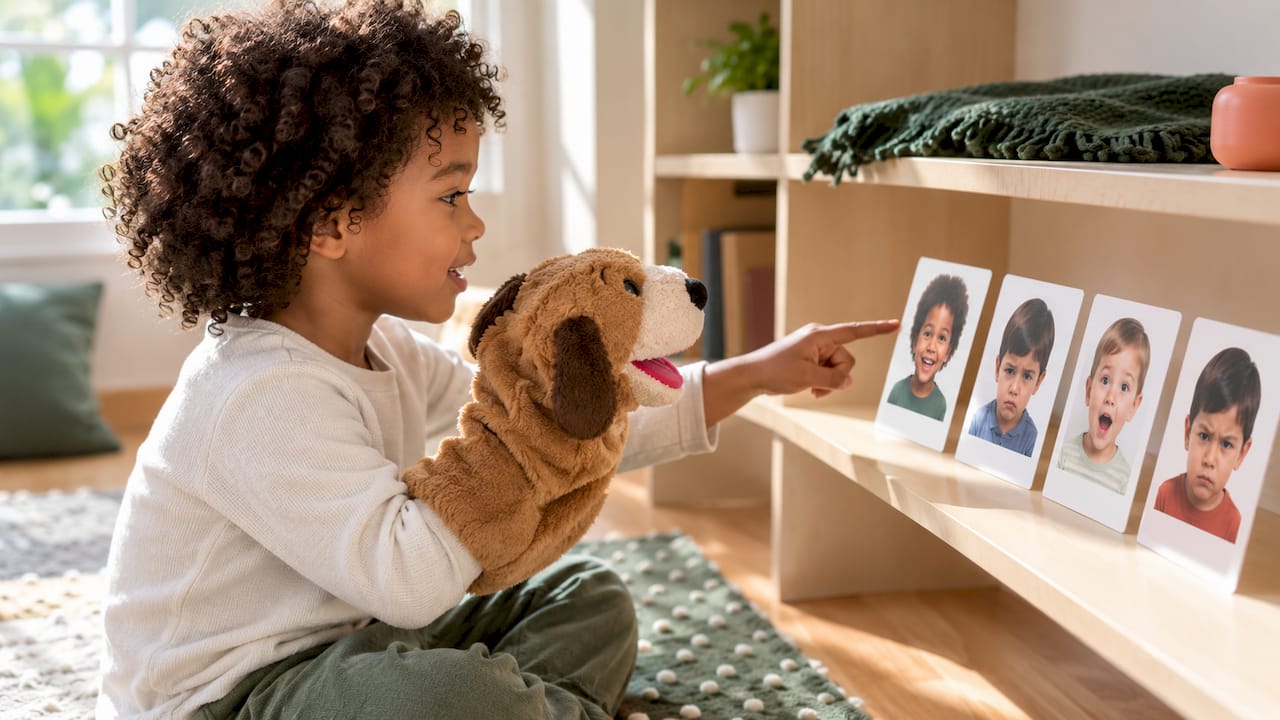
Early elementary (K to 2) kids can handle short role-play and simple cause-and-effect questions but still need visual supports. The Two Good Choices Game works well here if you act out both choices with toys first, then ask your child to predict what happens next before you reveal it.
Upper elementary (grades 3 to 5) kids can manage longer discussions and more nuanced scenarios, including hypothetical dilemmas with no clean right answer. What Would You Do? scales well at this age because you can add a second twist, like "What if your friend gets upset at your choice?"
- Preschool: shorten every activity, use puppets or stuffed animals as stand-ins, and expect to repeat instructions.
- Early elementary: add drawing or acting components before verbal explanation.
- Upper elementary: introduce open-ended dilemmas and ask "why" more than "what."
Across all three groups, the same underlying activity can flex up or down. What changes is the complexity of the follow-up question, not the format itself.
Using Stories and Role-Play to Teach Emotional Vocabulary
Shared reading is one of the most efficient homeschool SEL activities because a single picture book gives you built in emotional content without any prep. Pause at a moment of conflict and ask, "How is she feeling? Why do you think that?" This kind of inferential questioning during a story builds the same perspective-taking skill kids practice in the Emotion Detective Walk, and it works because pausing at emotional beats to ask predictive questions promotes causal thinking about emotions rather than passive listening.
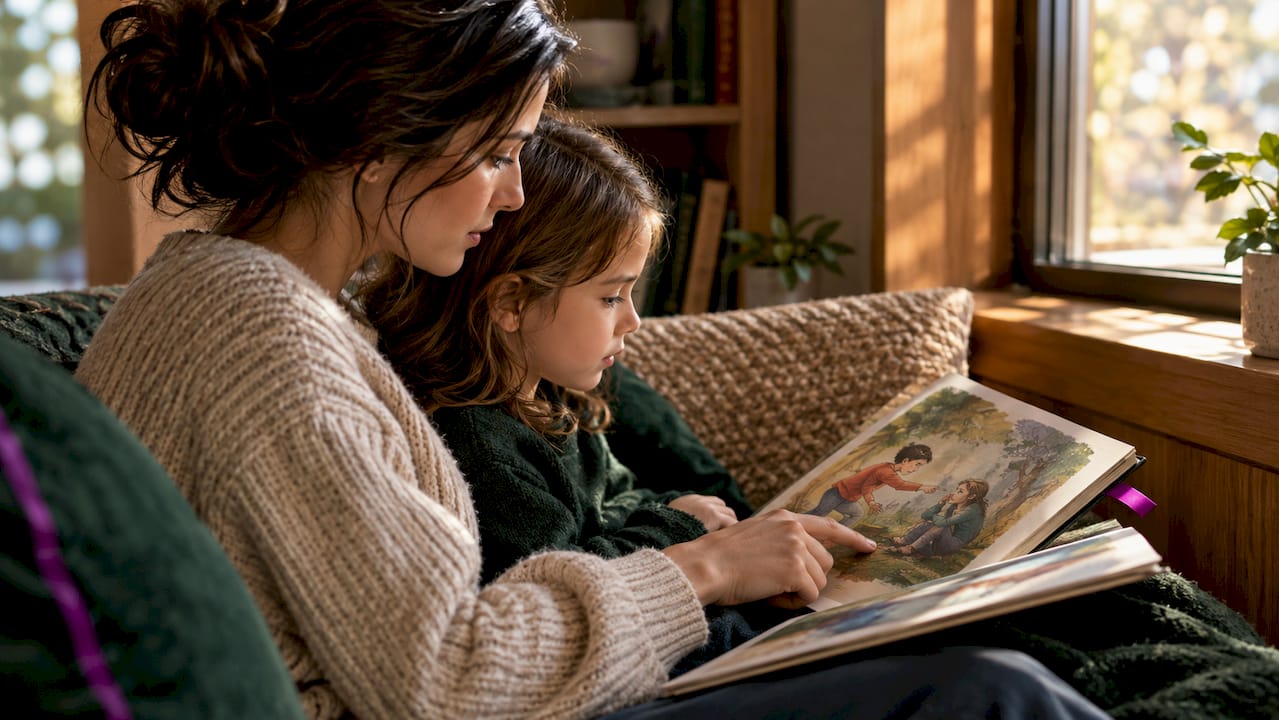
"Story repair" takes this further: after reading a simple conflict, like two characters arguing over a toy, ask your child to act out a different ending where the characters solve the problem together. Shared reading has documented emotional benefits beyond vocabulary building, and role-playing an alternate ending turns a passive story into active practice.
You don't need a curated library to start. A card deck with character prompts, like the kind used in Icon Literary's story-based activities, can extend a single book into a week of related conversations. For sourcing, your local library's picture book section covers most needs, and books specifically chosen to build empathy tend to generate richer discussion than random selections.
- A picture book with a clear emotional conflict
- Blank paper or a simple printable prompt sheet for "story repair" endings
- A character card deck or puppet for role-play
What the Research Says About SEL and Play
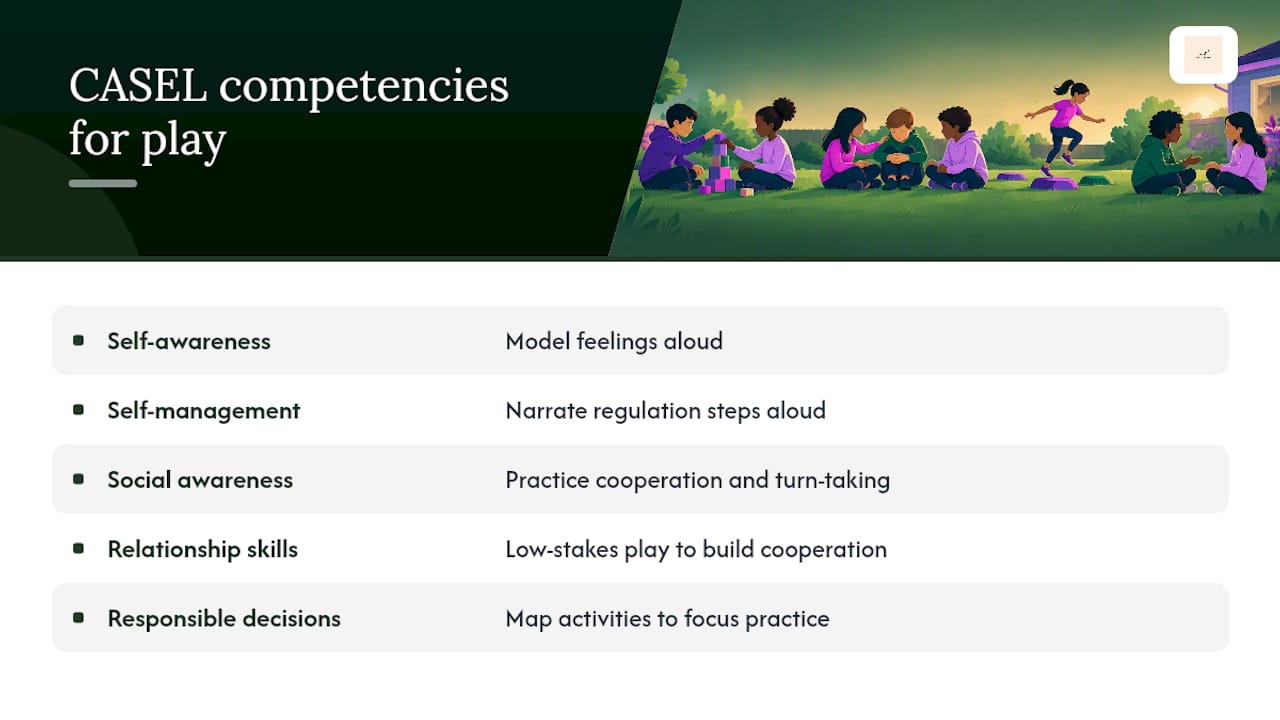
CASEL's five competencies (self-awareness, self-management, social awareness, relationship skills, and responsible decision-making) matter because mapping each activity to one competency keeps practice focused instead of vague. Playworks' research on game-based learning shows play gives kids low-stakes chances to practice cooperation and turn-taking without the pressure of a formal lesson. A peer-reviewed synthesis of SEL program outcomes found measurable improvements in social behavior linked to consistent practice.
One technique worth adopting immediately: "thinking aloud." Narrate your own feelings during ordinary moments, like "I'm frustrated this recipe isn't working, so I'm going to take a breath and try again." Modeling this out loud, rather than just telling kids to calm down, gives children a script they can borrow for their own regulation.
Handling Pushback When Kids Resist SEL Activities
Resistance to emotional check-ins is common, especially with kids who feel put on the spot when asked directly, "How do you feel?" The fix is usually format, not motivation. Switch from direct questions to indirect ones embedded in play, like Guess the Feeling Charades, where the emotional content is the game rather than the interrogation.
Some kids resist because a routine feels like "one more school thing." Keep SEL activities visually and physically distinct from academic work: use a different corner of the room, a specific box of materials, or a signal phrase like "feelings time" that never overlaps with math or reading lessons.
Older kids, particularly upper elementary, may roll their eyes at anything that feels babyish. Give them more control by letting them choose which activity to run that day from a short list, or let them "teach" a younger sibling the Pause Button signal, which reframes the activity as leadership rather than a lesson.
If a specific activity consistently flops, drop it. Not every format fits every child, and forcing a disliked game weekly does more harm than good. The goal is a sustainable homeschool emotional development practice, not a fixed script you defend out of principle.
Why Story-Driven SEL Works Better Than Worksheets
Kids remember characters longer than they remember rules. When a child watches a character face a hard choice and works through it, they build empathy by proxy, without feeling lectured. That's the quiet advantage of narrative over a worksheet: the lesson arrives sideways, through curiosity about what happens next, not head on. Keeping play and story at the center of homeschool emotional development isn't a softer approach. It's often the more durable one.
— Derek Amarillas
How Icon Literary's Duckwave Decks Make Story-Based SEL Easy
If the activities above sound worthwhile but you don't want to build every prompt from scratch, that's exactly the gap Icon Literary's printable products fill. The Duckwave Decks give you character-driven story prompts and emotion cards already mapped to relatable scenarios, so you pull a card instead of inventing a scenario on the spot.
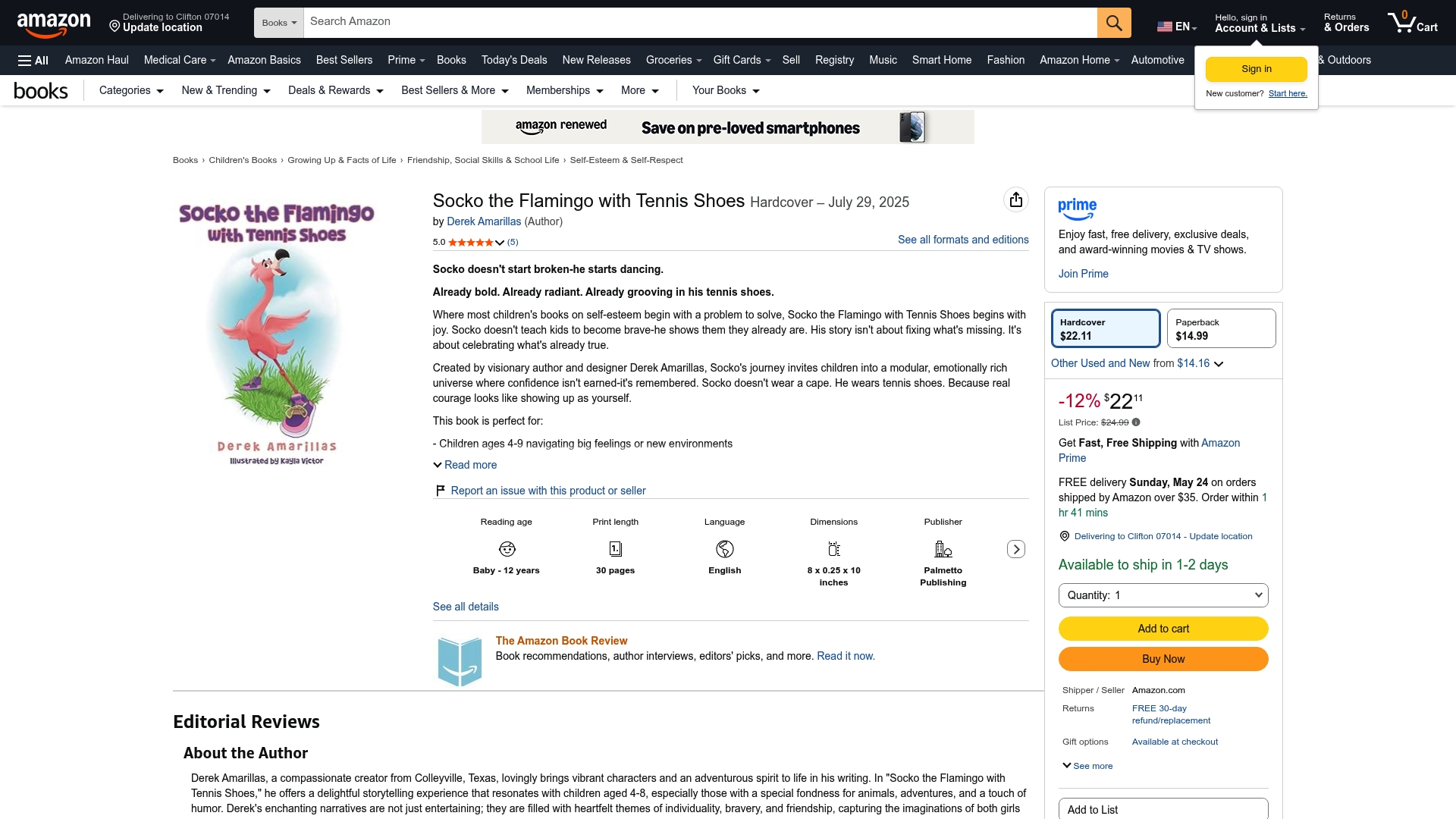
They're built for parents who want low-prep, story-first SEL without hunting for a new picture book every week or writing your own role-play scripts. A single deck can carry you through a month of five-minute sessions: pull one card, read the prompt aloud, and ask your child how the character might be feeling and what they'd do differently. If you want more activity types beyond cards, the broader Socko's Universe catalog covers additional story worlds and activity formats. Start with one deck, run the Pause Button or Story Repair format from this article using its prompts, and see how far a single $7 deck stretches before buying anything else.
Where to Find Free SEL Curricula and Printable Activities
- CASEL: the framework behind the five competencies used throughout this article.
- Playworks SEL Game Guide: free, ready-to-run games organized by skill.
- OSPI SEL parent and educator activities PDF: a free, printable family activity packet.
- UNH Extension Social, Emotional and Mindful Learning Curriculum: no-cost weekly themed lessons.
- GreatSchools SEL resources: practical scripts and short daily activity ideas.
- NAEYC guidance on building social-emotional skills at home: background on the "thinking aloud" technique.
Sources
- What is SEL? | CASEL
- SEL Game Guide | Playworks
- SEL parent and educator activities (OSPI PDF)
- PMC article on SEL evidence
- Resources for parents to nurture SEL at home | GreatSchools
FAQ
What are some good SEL activities for homeschool?
Strong options include mood check-ins, emotion charades, cooperative building challenges, and story-based role-play like "story repair" endings. The best activities are short, repeatable, and tied to a specific CASEL competency rather than left open-ended.
What is a good SEL curriculum for homeschooling?
Free options like the OSPI parent and educator activities packet and the UNH Extension curriculum offer ready-made weekly lessons. For story-driven practice without building your own prompts, a card deck like Icon Literary's Duckwave Decks covers similar ground through character narratives.
What are the 5 SEL strategies?
They're the five CASEL competencies: self-awareness, self-management, social awareness, relationship skills, and responsible decision-making. Every activity in a strong homeschool SEL routine should map to one of these five.
What are some 5-minute SEL lessons I can try today?
Try a Feelings Weather Report at breakfast, a Glitter Jar Calm Down after a frustrating task, or a Gratitude Round Robin at dinner. Each takes under five minutes and needs no special materials, making them realistic for even the busiest homeschool schedule.
How do I get kids who resist SEL check-ins to participate?
Shift from direct questions like "how do you feel" to indirect formats like charades or story prompts, which lower the pressure of being put on the spot. Letting older kids choose the activity or "teach" a sibling also reduces resistance by giving them a sense of control.