
For caregivers of children ages 3 to 8, mythic picture books offer a proven, age-appropriate way to practice emotional vocabulary, resilience, and perspective-taking. Pairing a small, well-chosen stack of these stories with guided read-aloud prompts turns story time into a genuine social-emotional learning (SEL) practice. Some publishers build their titles around the idea of myth and folklore as a low-pressure rehearsal space for big feelings.
TL;DR:
- Most mythic picture books are suitable for children aged 3 to 8, with shorter, repetitive stories for younger kids and more complex narratives for older ones.
- These stories utilize archetypes and a familiar plot structure to model resilience and emotional problem-solving while allowing safe exploration of big feelings.
- Look for books that resolve conflicts clearly, depict sustained emotional states, include discussion prompts, and feature clear, expressive illustrations aligned with the child’s age.
- Incorporating discussion pauses and activities like emotion sorting and role-playing can significantly enhance social-emotional learning during storytime.
- Selecting titles with culturally respectful origins and supplementary prompts reduces guesswork for caregivers and maximizes the books' emotional literacy benefits.
Table of Contents
- Why Mythic and Folktale Picture Books Support Emotional Literacy
- How to Choose Mythic Picture Books: A Practical Checklist
- Read-Aloud Prompts and Two SEL Activities You Can Use Tonight
- Icon Literary's Approach: Mythic Imagination as an SEL Tool
- Where Icon Literary's Books and Kits Fit Your Checklist
- Further Reading and Partner Resources
- FAQ
Why Mythic and Folktale Picture Books Support Emotional Literacy
A child who has never lost a pet can still feel real grief watching a character mourn a fallen companion in a myth. That's the mechanism at work: mythic and folktale picture books let children examine complex emotions indirectly, projecting fear, jealousy, or courage onto tricksters, monsters, and heroes instead of confronting those feelings head-on. Psychologists call this safe distance, and it's the reason folklore has functioned as emotional education across cultures for centuries, long before anyone used the phrase "social-emotional learning."
The structure of myth does the rest of the work. Most mythic tales follow a recognizable arc: a character faces a threat, makes a choice, suffers a consequence, and grows. That pattern models resilience and problem-solving in a way a straightforward realistic story often can't, because the stakes in myth are big enough to matter but strange enough to stay safe. Archetypes like the trickster or the reluctant hero give children a vocabulary for their own impulses ("I was being a trickster today") that sticks far longer than an abstract lesson on sharing.
Age matters here. A 3 to 5-year-old needs shorter arcs, repetitive language, and clear cause-and-effect; a 6 to 8-year-old can handle subplots, moral ambiguity, and longer reflective discussion after the story ends. Books that read emotional content aloud in a structured way tend to strengthen emotion vocabulary and caregiver-child conversation, which is why the format of a book matters as much as its plot.
What separates a good mythic picture book from a merely entertaining one usually comes down to three things:
- It resolves its central conflict in a way a young child can name out loud.
- It gives at least one character a recognizable, sustained emotion (not just a plot function).
- It leaves room for a caregiver to pause and ask a question without breaking the story's spell.
Modern retellings increasingly build that pause right into the page, appending discussion prompts or activity spreads that turn a passive bedtime read into an interactive SEL session.
How to Choose Mythic Picture Books: A Practical Checklist
Scanning a shelf of folktale picture books can feel like guesswork if you don't know what to look for. Use this sequence, in order, and you'll cut selection time roughly in half.
- Check length and sentence complexity against the child's age. A 3-year-old needs under 500 words and short, declarative sentences; an 8-year-old can sit through 1,500 words with subordinate clauses and richer vocabulary.
- Look at illustration clarity, not just style. Faces should show clear, distinguishable emotions. Busy or abstract art can obscure the exact feeling a scene is meant to convey to a 4-year-old.
- Verify respectful representation. Look for author or illustrator background, a cultural note, or a source attribution explaining where the myth or folktale originates. This matters as much for indigenous and non-Western traditions as it does for widely retold Greek or Norse myths.
- Scan for SEL cues. Appended feelings vocabulary, a short discussion guide, or an activity page signals a book was designed for conversation, not just consumption.
- Match the format to the setting. Board books suit toddlers who chew corners as often as they turn pages; standard picture-book editions work for shared bedtime reading; activity-enhanced editions with worksheets or card inserts hold up better in a classroom rotation.
- Confirm availability before committing. Check your local library catalog, an independent bookstore's shelf, or a digital preview to sample the pacing and art before buying.
Representation deserves special attention in mythic retellings specifically, because folklore travels across cultures and gets flattened or distorted in translation. A checklist that only screens for reading level misses this entirely, which is why picture book diversity belongs in the selection process, not as an afterthought.
Pro Tip: Read the last two pages before you buy. A rushed or confusing resolution undercuts every SEL benefit the rest of the book built, no matter how strong the opening was.
Read-Aloud Prompts and Two SEL Activities You Can Use Tonight
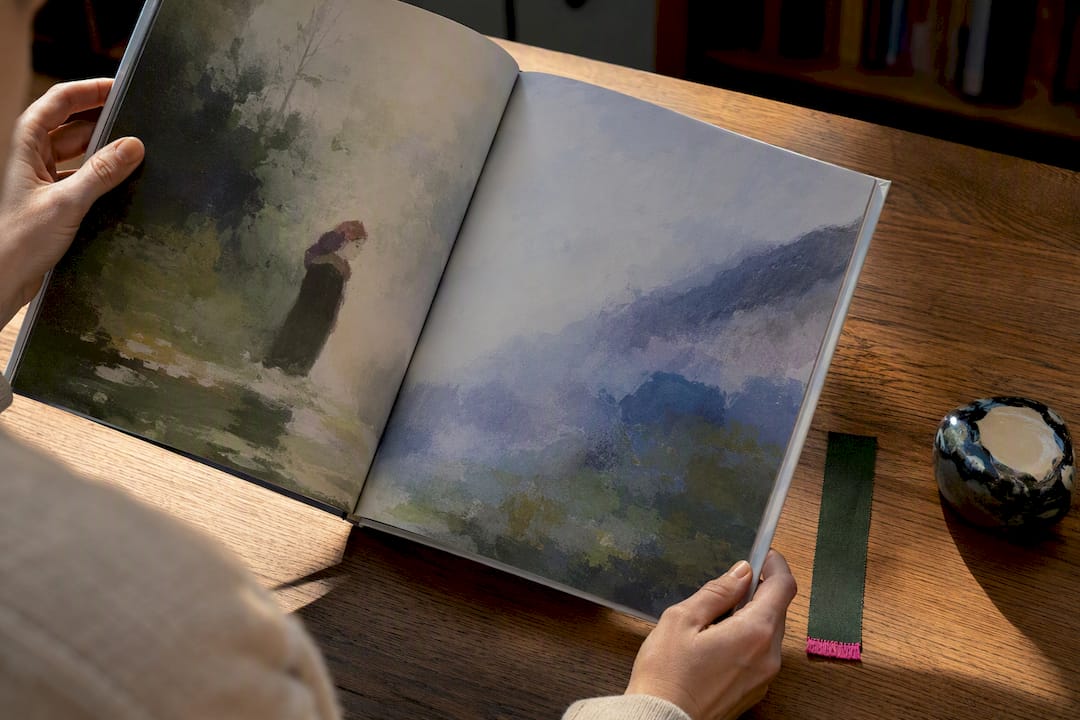
The best fantasy picture books do half the SEL work for you if you know where to pause. Three prompt patterns cover most mythic stories:
- Prediction: "What do you think the trickster will do next?"
- Feelings check: "How do you think she felt when the mountain wouldn't move?"
- Compare choices: "Would you have made the same choice as the hero? Why or why not?"
One effective structure embeds this predict-feel-reflect pattern at two fixed points: once mid-story, once after the finale, so caregivers always know exactly when to pause without breaking the narrative flow.
Two activities extend the story past the last page:
Emotion-sorting game
- Write or draw five emotions the main character felt during the story.
- Have the child sort them from "easiest to talk about" to "hardest to talk about."
- Ask why the hardest one is hardest.
Brief role-play
- Pick one difficult scene from the book.
- Act out the character's original choice.
- Act out a different choice and talk about how the outcome might change.
For groups, shorten each activity to under five minutes and rotate speaking turns so no single child dominates. Preschoolers do best with prompts of one or two sentences, while children closer to 8 can handle longer, more reflective questions without losing interest, a distinction worth building into any read-aloud session.
Pro Tip: For a reluctant speaker, skip the open-ended question and offer a forced choice instead ("Was he more scared or more angry?"). It's easier to answer and often opens the door to a fuller sentence.
Icon Literary's Approach: Mythic Imagination as an SEL Tool
Icon Literary builds its titles around a simple bet: mythic imagination isn't decoration, it's the mechanism. The studio's world-building and character work exists to give children a character strange enough to be safe and specific enough to matter. That's not incidental to the storytelling. It's the design brief.
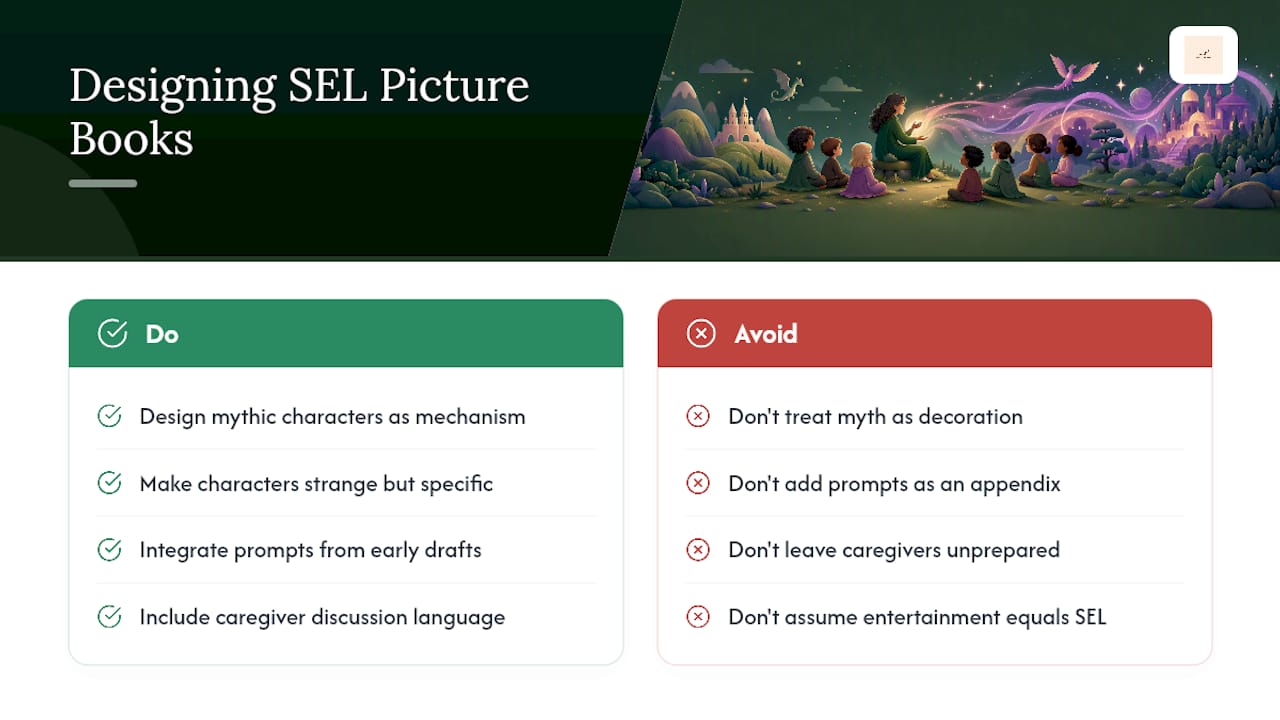
Many titles are built with a discussion layer in mind, integrating prompts and activity extensions from early drafts rather than adding them as an appendix. A character arc that models apology works best as an SEL tool when caregivers have language prepared to discuss it, often included in the text.
The gap between books that entertain and books that actually build emotional skill is smaller than people think. It's usually one well-placed question.
— Derek Amarillas
Where Icon Literary's Books and Kits Fit Your Checklist
Some catalogs of mythic picture books, activity-enhanced editions, and downloadable prompt sets are designed with feelings vocabulary, discussion cues, and age-appropriate pacing integrated, rather than added as an afterthought.
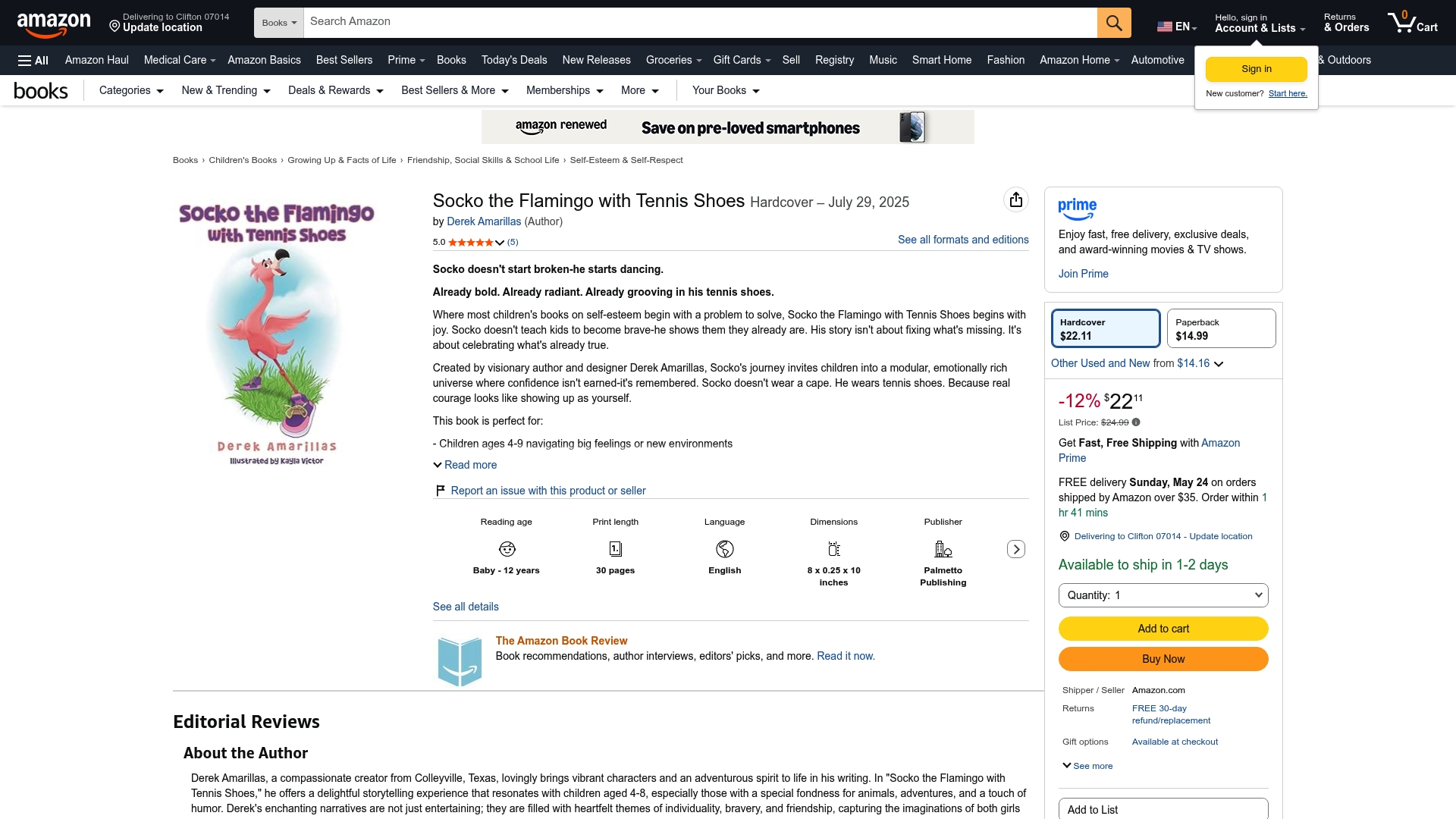
That means less prep time for a teacher assembling a weekly SEL lesson and less guesswork for a parent trying to figure out whether a book will spark conversation or just fill five quiet minutes. Activity kits for children are often designed for durability, with components like card decks or workbook pages that hold up better in classroom rotations than loose worksheets. If you want to see how the studio applies its own checklist, browse the current catalog and preview a sample activity before you commit to a full set.
Further Reading and Partner Resources
These resources go deeper on the pedagogy and practice behind mythic and folktale picture books:
- Emotional Learning Through Children's Stories: 9 Key Methods, for pedagogical frameworks connecting storytelling to explicit SEL goals.
- Build a Storytelling Curriculum for Early Learners, for classroom-level planning and pacing.
- How to Host a Storytime That Builds Emotional Literacy, for circle-time and library event formats.
FAQ
What Are Mythic Picture Books?
Mythic picture books are illustrated children's stories built from myth, legend, or folklore that use archetypal characters, such as tricksters and heroes, to explore emotions and moral choices at a safe narrative distance.
What Age Range Works Best for Mythic Picture Books?
Most mythic and folktale picture books work well for ages 3 to 8, though 3 to 5-year-olds need shorter, repetitive arcs while 6 to 8-year-olds can handle longer stories with moral ambiguity.
How Do Mythic Stories Help With Emotional Literacy Specifically?
They let children project fear, anger, or courage onto a fantastical character instead of confronting the feeling directly, which builds emotional vocabulary and gives caregivers a natural entry point for discussion.
What Should I Look For When Choosing a Mythic Picture Book?
Check the reading level, illustration clarity, respectful representation of the source culture, and whether the book includes discussion prompts or activities, then match the format (board book, picture book, or activity edition) to how you'll use it.
Does Icon Literary Make Mythic Picture Books?
Some publishers produce mythic picture books, activity kits, and downloadable prompt sets that include original characters, world-building, and SEL discussion tools designed into the titles.