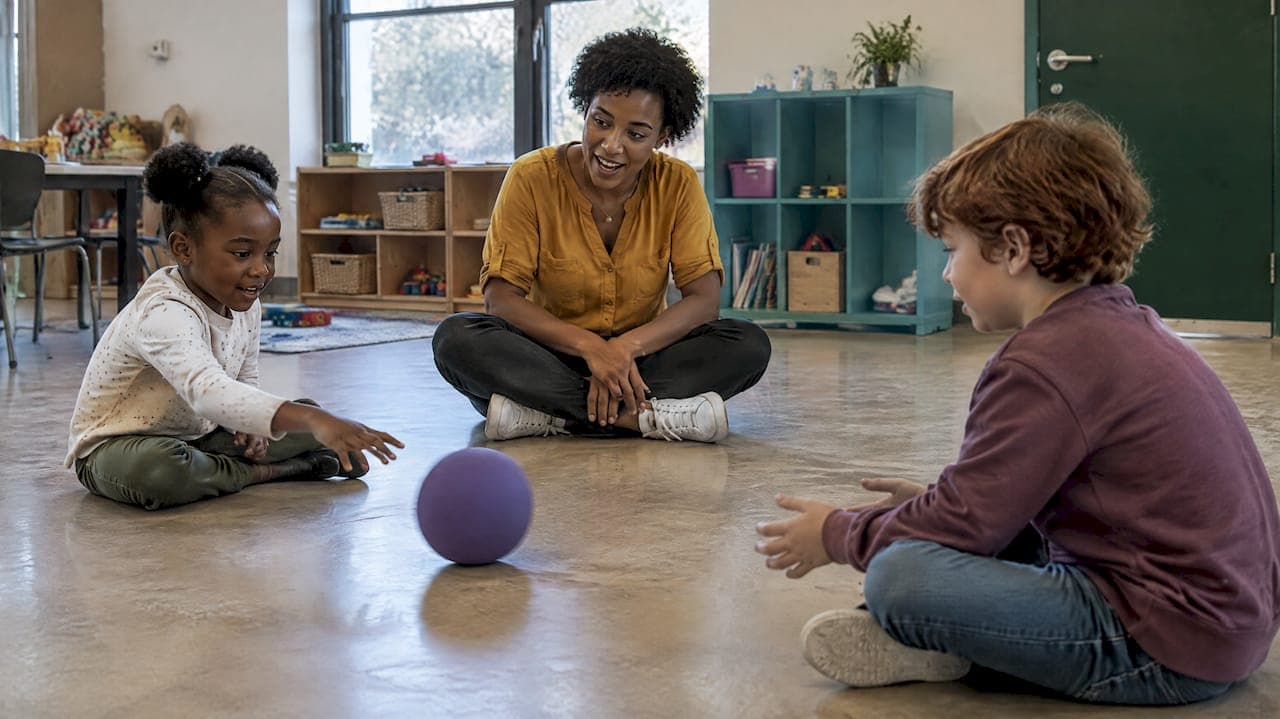
The best empathy games for kids are short, playful and built around feelings: guessing emotions, acting them out, pausing a story to ask how a character feels, and making small acts of kindness. You don't need special gear. You need a few minutes, a calm voice and a willingness to play along. This guide gives you games sorted by age, with steps you can use today at home or in class.
TL;DR
- Empathy grows through practice: naming feelings, noticing clues, and imagining how someone else feels.
- Ages 3 to 5 do well with turn-taking, pretend play and simple craft games. Ages 6 to 8 can handle charades, role-play and group kindness projects.
- Keep every game light. Ask kids to check a guess instead of announcing a "right" answer.
- Shy or sensitive kids can join through low-pressure roles, such as drawing, pointing or being the helper.
- Stories are a game too. Pause, look for clues, and ask what might help.
Table of Contents
- What makes a game an empathy game
- Empathy games for ages 3 to 5
- Empathy games for ages 6 to 8
- Guessing games that build observation skills
- Story games: empathy at bedtime and circle time
- How to adapt games for shy or sensitive kids
- A simple way to run any empathy game
- Perspective
- Play with Duckwave Decks
- Frequently asked questions
- Sources
What makes a game an empathy game
An empathy game gives a child a chance to notice how someone feels and then do something with that information. That is the whole idea. The game can be loud or quiet, but it has two parts: reading a feeling and responding to it.
PBS Kids for Parents says young children can practice kindness by identifying, naming, talking about and acting out emotions. Seeing how someone else feels can help a child understand how their own actions affect other people. That is why the games below start with feelings words and move toward action.
If your child is still building a feelings vocabulary, start with our guide to emotion vocabulary for kids. It sorts words into three age bands and gives scripts you can use right away.

Empathy games for ages 3 to 5
Younger children learn through their bodies, their toys and their routines. Keep rounds to a few minutes and stop while they still want more.
1. Paper chain teamwork
PBS suggests a paper chain for ages 2 to 5 to practice cooperation. Cut strips of paper. Take turns adding a link. Each time a child helps another child, such as by holding a strip or passing the tape, add a link and say what the helper did.
Say it plainly: "You held the paper for Sam. That helped him." The chain grows, and the kids can see kindness add up.
2. Turn-taking games
Turn-taking is the same source's other idea for this age group. Pick any simple game, such as rolling a ball back and forth or stacking blocks. Name the feeling of waiting. "It's hard to wait. You're doing it." Then name the feeling of the other player: "Now it's Mia's turn. She looks excited."
3. Caring-for-baby pretend play
Give a child a doll or stuffed animal and ask what the baby needs. Is it tired? Hungry? Sad? The child practices guessing a need and responding to it. Keep your questions open: "How do you think the baby feels?" Then let the child lead.
4. Feelings playdough
Playdough turns feelings into something kids can build and talk about. Our guide to feelings playdough mats explains how to use them well. Roll a face, name the feeling, then ask when the child last felt it.
Hands-on play like this fits a wider picture of how young children learn. If you want more background, this parent's guide to sensory play and child development covers why touch-based activities matter early on.
Empathy games for ages 6 to 8
Older children can hold a role, follow rules and think about more than one person at a time. They also enjoy a bit of drama.
5. Feelings charades
One child acts out a feeling without words. The others guess. This is the classic empathy game, and it works because it connects facial expressions, body language and voice to emotions. Learners read feelings from those three clues and then check their guess by asking.
How to play in five steps:
- Write or draw feelings on slips: happy, nervous, proud, left out, frustrated.
- One player picks a slip and acts it out with face and body.
- Guessers say what they think and what they noticed.
- The actor says yes, or says what they meant.
- Swap roles.
We have two ready-made versions. Use 10 to 20 minute feelings charades when you want no-prep scripts. Use emotion charades cards when you would rather make a set your family keeps.
6. Role-play making up
PBS lists role-play about making up for ages 6 to 8. Set up a small conflict: two kids both want the same toy. Let each child play one side, then swap. Ask each "player" how it felt, and what would help.
Keep the conflict small and pretend. The goal is to practice looking at a problem from the other side, not to replay a real fight.
7. Pretend inclusion
Another PBS idea for this age is acting out what it looks like to include someone. One child plays the new kid at the lunch table. Others practice what to say. Kids learn that a simple invitation can change someone's day.
8. The Kindness Tree
Draw a bare tree on a big sheet of paper. Each time someone in the group does something kind, a child draws a leaf and writes or dictates what happened. PBS says a Kindness Tree for ages 6 to 8 can show how kindness grows. The same page suggests giving awards to everyday heroes, which helps children think about what makes someone a hero.

9. Quiz, Quiz, Trade
This is a classroom favorite. Kids walk around with a card, pair up, ask and answer a question, trade cards, and move on. The CASEL Signature Practices playbook says Quiz, Quiz, Trade encourages understanding others' perspectives and can lower barriers to participation.
For empathy, make the questions about people: "What is something that makes you feel proud?" "What helps you when you feel nervous?" Kids hear answers different from their own.
Guessing games that build observation skills
You can play a quiet version anywhere. The Momentous Institute describes observation games: at a park or library, children guess how people feel based on posture or speed. Someone walking fast with their head down might be worried or late. Someone sitting still with a book might be calm.
Add one rule: a guess is a guess. Faces can fool us, so the best move is to check by asking. That is the heart of empathy. You get curious instead of deciding.
Try these prompts:
- "What do you notice about their face?"
- "What might have happened just before?"
- "What could we say to find out?"
For a drawing version, try feelings Pictionary. It is built for ages 3 to 8 and suits kids who would rather sketch than act.
Story games: empathy at bedtime and circle time
A picture book is already a game board. Every page has a character with a feeling and a problem.
PBS offers a simple method for practicing empathy during storytime. Pause when you notice clues about how a character feels. Then ask what might help the character with the problem or feel better. The same page reminds kids that some people tell us how they feel with words, while at other times we learn by noticing faces and body language.
CASEL lists discussing characters' perspectives, feelings and thoughts, and how characters show respect, among social-awareness activities in elementary reading lessons. You can turn this into a game:
10. Feelings detective
Give the child a "detective" job. At each pause, they find one clue (a frown, a slumped shoulder, a word) and name a feeling. Score nothing. Just enjoy the hunt.
11. Swap the ending
Ask: "What if the character had a friend who noticed?" The child invents a kinder ending and acts it out, perhaps with stuffed animals.
Need book ideas? See our guide to books that teach kids empathy. For more on seeing through another person's eyes, try our perspective-taking activities for kids ages 3 to 8.
12. Kindness coupon book
PBS also suggests a coupon book of acts of kindness. Kids make coupons such as "One free hug" or "I'll help set the table." They give them out and the receiver redeems them. The game turns noticing a need into doing something about it.
How to adapt games for shy or sensitive kids
Some children feel on the spot when they have to act or guess out loud. Here are ways to keep the game safe.
- Offer roles. A child can be the scorekeeper, the drawer, the card holder or the helper. Every role still involves feelings.
- Let them point. Use picture cards so a child can point instead of speak.
- Go first yourself. Model a guess, and model being wrong. "I thought you looked sad, but you were tired. Thanks for telling me."
- Use stuffed animals. It is easier to talk about how a bear feels than how I feel.
- Stop when they ask. Let them watch a round. Watching counts.
Adults matter here too. NAEYC describes affective statements as ones that express a feeling, describe the child's behavior and explain its impact. For example: "I felt worried when you ran off, because I couldn't see you." Statements like this show a child how to talk about feelings and how actions land. The same article encourages educators to reflect on their own biases so their classrooms respect diverse backgrounds. In practice, that means noticing that feelings can look and sound different in different families and cultures, and not treating one style as the right one.
For homeschool families, we pulled together 12 homeschool SEL activities. Teachers can use our 8 no-prep classroom feelings games with a whole group.
A simple way to run any empathy game
You can follow the same five steps for almost any game on this list.
- Pick one feeling. Start with one or two, such as happy and worried. Add more over time.
- Keep it short. Five to ten minutes is plenty for ages 3 to 5. Fifteen to twenty works for ages 6 to 8.
- Ask, don't tell. Use "What do you think?" and "How could we find out?"
- Link it to real life. Later, when a real moment happens, say "This is like our game."
- Praise the effort. "You noticed her face and asked." That reward encourages noticing, not performing.
A family-friendly way to begin is a 1 to 10 feelings rating. Everyone says how big their feeling is. It is quick, and it teaches kids that feelings come in sizes.
If a game ends in tears or a meltdown, you haven't failed. Pause, comfort your child, and come back to the game another day. If a child's distress seems intense or lasts, talk with your pediatrician or a school counselor.
Perspective
We make stories and cards for children, and we have learned one thing again and again: kids don't like to be lectured about feelings. They like to play with them.
That is why our work leans on characters, humor and design. A character with a big, messy feeling gives a child a safe way to say, "I know that one." We aim to promote emotional literacy without didacticism, so the lesson arrives through the game, not through a speech.
A good empathy game does the same job. It invites a child to notice, guess and care, without making anyone feel graded. Our Duckwave Decks are designed with that spirit: playful, a little chaotic, and made to be shared across a table.
We think the best tools are the ones families actually reach for again. If a game gets pulled out twice, it is working.
Derek Amarillas
Play with Duckwave Decks
If you want a ready-made set to pull out at the table or in the classroom, try our Duckwave Decks. They are themed card decks with original characters, designed to make feelings and imagination part of play. They are $7 one-off.

You can see the decks on the Duckwave Decks page. If you are a member, the member site is the place for printables and fresh content.
Frequently asked questions
What age should kids start playing empathy games?
You can begin as early as ages 2 to 5 with simple turn-taking, paper chains and pretend play, as PBS suggests. Ages 6 to 8 can move on to charades, role-play and group projects. Match the game to your child's attention span, and keep each round short.
Do empathy games work in a classroom?
Yes. Group games such as Quiz, Quiz, Trade and feelings charades fit well into circle time or reading lessons. CASEL's classroom examples also include discussing characters' feelings during reading. Our no-prep classroom games give teachers scripts they can use right away.
How do I know if my child is learning empathy?
Look for small changes: your child names a feeling, checks a guess by asking, or offers help without being told. Progress is gradual and uneven. Notice and praise these moments rather than testing for them.
What if my child won't join in?
Offer a lower-pressure role, such as drawing, holding the cards or playing with a stuffed animal. Let them watch first. If reluctance is strong or comes with other worries, a school counselor or pediatrician can help you decide next steps.
Sources
- Teaching Children to Be Kind and Practice Compassion, PBS Kids for Parents
- Act It Out: Dramatic Play for Kids, PBS Kids for Parents
- Practicing Empathy During Storytime, PBS Kids for Parents
- Reading Feelings, Grade 1 Lesson, Whole Earth Curriculum
- Empathy Guessing Game, Momentous Institute
- Quiz, Quiz, Trade, CASEL SEL 3 Signature Practices Playbook
- Examples of Social and Emotional Learning in Elementary ELA, CASEL
- Culturally Responsive Strategies to Support Young Children, NAEYC