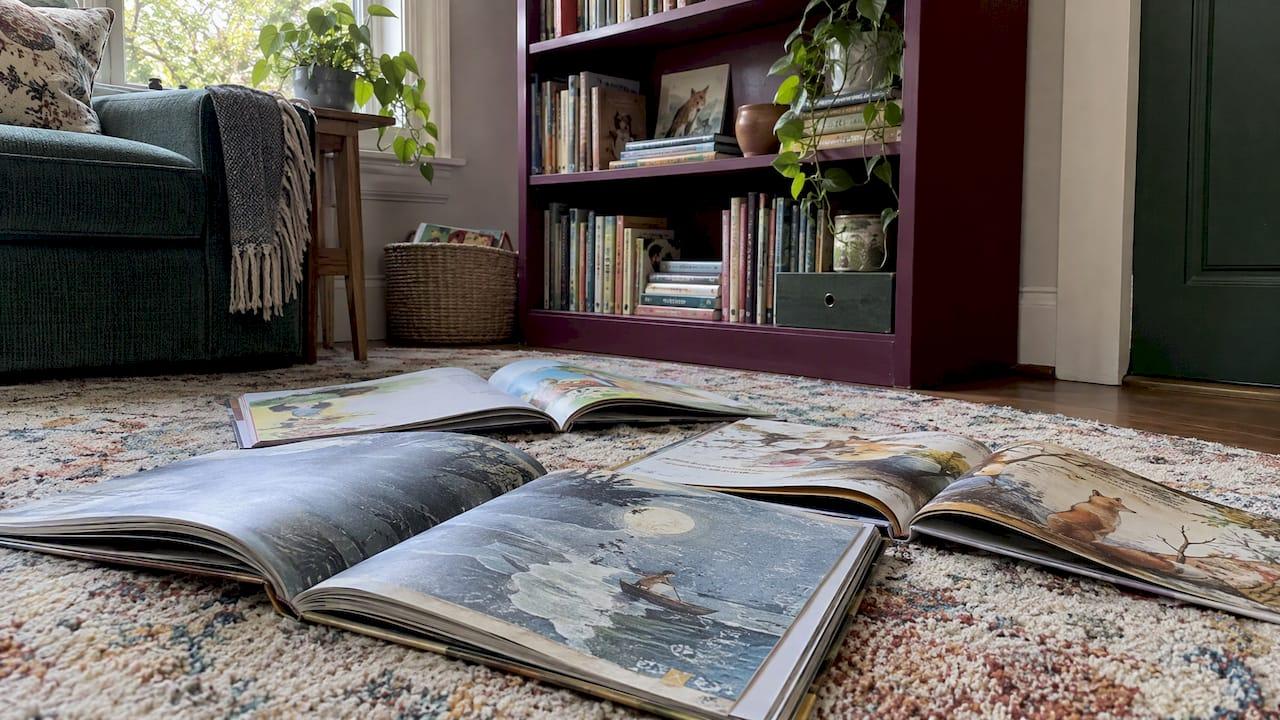
Picture books in 2026 are leaning toward comfort, emotional honesty and hand-made art. Publishers are bringing back familiar stories, giving children room to feel hard things, and putting more culture, family and community on the page. If you buy or curate books for children ages 3–8, these shifts tell you what to look for. They also help you spot books that last beyond one season. At Icon Literary, we build emotional-literacy stories, decks and activities for this age group, so we read these trends closely.
TL;DR
- Comfort, hope and familiar stories lead the year, with refreshed classics, emotional-wellbeing books and playful formats.
- Hand-drawn, textured art is rising, from cut paper and embroidery to stained-glass spreads.
- Fall 2026 books make space for grief, worry and questions without neat answers, and for a wider range of families and cultures.
- Graphic elements and hands-on, activity-style formats are growing, which suits short attention spans and active kids.
- The best pick is a book a child will ask for again, with characters who feel more than "happy" and "sad."
Table of Contents
- Comfort, hope and the familiar
- Hand-drawn art is back
- More honest about feelings
- Family, culture and community take center stage
- More pictures, more play
- Notable 2026 titles and what they show
- What sells, and why it matters to you
- Our perspective
- Start with Duckwave Decks
- FAQ
- Sources
Comfort, hope and the familiar
The broadest signal this year is a pull toward reassurance. A trend guide citing The Bright Agency's January 2026 outlook describes a move toward comfort, hope and the familiar: refreshed classic stories, emotional-wellbeing books, playful gamified formats and hand-drawn art. The key themes it lists are bravery, hope, comfort and meaning.
Publishers Weekly describes the fall 2026 picture book season as leaning into "life's anchors and twists" in its Fall 2026 Children's Preview. That phrase fits the list. Its top titles include a family's big house move, a night bike ride through New York City and a neighborhood parade.
What this means for you: a child ages 3–8 is dealing with anchors and twists of their own. Moving, a new classroom, a new sibling, a friend who stops playing. Books built around these moments give a child words before the moment arrives. If you want a plan for turning those words into routine, our 6–8 week plan to teach emotions to kids lays it out for parents and teachers.
Hand-drawn art is back
The clearest visual trend is a return to the human hand. The Bright Agency's style report, as reported by the same guide, points to hand-drawn and expressive artwork with confident lines, hand-rendered textures and cleaner, brighter palettes. The reasoning given is simple: when digital imagery and AI make everything look alike, imperfect work stands out.
School Library Journal's fall preview shows how far this goes. It describes stained-glass spreads, embroidery and appliqué, kirigami, cut-paper collage, mirrored images and cinematic wordless panels. Publishers Weekly notes that Night Ride by Christopher Myers uses wordless spreads made from photographs of purpose-built stained-glass windows.

For a young child, this matters for a practical reason. Pictures are how a 3-, 4- or 5-year-old reads. A page with texture, expression and detail gives them something to study, point at and talk about. For more on this, see our guide on how illustrations shape literacy in children's gift books.
Expressive characters
Expression is part of the same movement. Trend reports describe big, emotion-led character faces, and the Bright Agency also points to Korean-inspired styles and a "creepy-cute" mix of gentle spookiness and quirky characters. If your child is sensitive, a character whose face shows exactly what they feel can be easier to relate to than a long explanation in the text.
More honest about feelings
Here is the trend that matters most for emotional literacy: books are making more room for difficult emotions. SLJ's fall preview says picture books are showing a trust in young readers to hold wonder, experience sorrow and think through questions. It names grief and loss, anxiety, fear and uncertainty among the subjects, and it describes giving children space to sit with questions that do not resolve.
There is a reason this is worth watching. A University of Chicago Booth working paper, "(How) Do We Teach Emotions?", finds that the text of children's books exposes kids to a wide emotional range, while the images overwhelmingly show happiness and calm. Nearly half of pages show no overlap between the emotion in the words and the emotion in the picture. The same paper finds that buyers are less likely to choose books whose covers show emotions traditionally seen as negative.
So the choice you make at the shelf matters. When you pick a book whose pictures carry worry, frustration or shyness along with joy, you widen what your child sees named and drawn. The Bright Agency's view, as cited in the trend guide, is that SEL books need characters who can show more than "happy" and "sad": frustrated, overwhelmed, jealous, proud, disappointed, grateful.

A quick test for emotional range
Open a book to three random pages and ask:
- Does the picture show a feeling the text does not state?
- Is there at least one feeling beyond happy, sad, angry?
- Does the character get to feel it without being lectured?
- Would your child want to hear it again?
A yes on three of four is a good sign. Our article on the benefits of reading emotional books to kids explains why that repeat reading is where the learning happens. For shy children in particular, see our picks of books that help shy kids feel seen.
Family, culture and community take center stage
Two threads run through this year's lists: family across generations and culture shown through everyday life.
SLJ's fall preview calls out intergenerational relationships as a dominant thread. Examples include a reissued Grandma Fina's Wonderful Umbrella with new illustrations, The Ones Who Came Before and Gabriel's Winter Count, which brings the Lakota winter-count practice into the story of a boy living with his grandmother while his parents are deployed.
In SLJ's genre preview, a bookseller reports seeing a lot of culture delivered through food, with grandmothers and kitchens as the setting. It is a simple, warm way to show a child that their own family table belongs in a book.
Inclusion in the same preview
The same SLJ preview highlights inclusion-focused titles:
- I Am Indigenous, with art from 13 Indigenous illustrators representing 13 nations, territories, languages and family structures.
- Sam's Neighborhood, the true story of a deaf girl whose neighbors learned ASL.
- Family Found: A Queer Friendsgiving Celebration.
- Black Boys, I See You.
There is still a gap to close. A Portland State University paper analyzing 4,998 picture books and surveying 101 librarians finds that the largest representation gaps are intersectional: race combined with gender identity, sexuality or disability. Librarians named neurodivergence, physical disability, chronic illness and single or same-sex-parent families among the areas most in need of books. Of those surveyed, 81.5% strongly agreed that diverse intersectional picture books are important.
The Cooperative Children's Book Center data, reported in the trend guide, adds a figure to keep in mind: of 3,638 children's and YA books received for 2025, 13.5% were about Black/African characters and 2.4% about Indigenous characters. These count books received, not every book published.
If you curate for a classroom or library, a checklist helps. Our criteria for inclusive children's book selection and our guide to finding inclusive picture books for children walk through it. Librarians will also find why libraries prioritize emotional literacy books useful.
More pictures, more play
At SLJ's genre preview, an industry participant observes a lot more illustration in many titles and wonders whether a graphic element answers worries about children's attention spans. The Bright Agency's outlook also lists playful, gamified formats among its signals, and trend writers note that graphic novels and longer emotional picture books are gaining ground.
For 3–8 year olds, the takeaway is that a book does not have to stop at the last page. Cards, prompts, drawing activities and printables turn a story into something a child can handle, sort and play with. That is where emotional literacy often sticks: a child who has acted out "frustrated" with a card in hand has practiced the word.
Parents of children who like to move or fidget, homeschool families and early childhood educators can use this directly. Read the story once, then give the child a second way back in.
Notable 2026 titles and what they show
Publishers Weekly's fall preview lists a top ten that shows the trends in action. A few picture books, with the details PW reports:
| Title | Creator | Publisher | List price | Trend it shows |
|---|---|---|---|---|
| Goodbye, Koi | Jack Wong | Orchard | $19.99 (ages 4–8) | Big life change, brush-painted art |
| Night Ride | Christopher Myers | Kokila | $19.99 | Wordless, stained-glass imagery |
| Rebecca | Kate Beaton, illus. Sydney Smith | Roaring Brook | $19.99 | Craft-forward, emotional storytelling |
| A Very Good Parade | Eleanor Davis | Abrams | $19.99 | Come-as-you-are community |
| That You Are Here Is No Small Thing | Traci N. Todd, illus. Vashti Harrison | Viking | $18.99 | Black American history, belonging |
| I Wonder If I'm Growing | Raffi, illus. Jon Klassen | Tundra | $19.99 (ages 3–7) | Gentle wonder for the youngest readers |
All of these come from the PW Fall 2026 preview. Prices are list prices at publication and can vary by seller.
SLJ's Best Picture Books 2026 list includes Goodbye, Koi as well. Its reviewers praise how the author uses two distinct styles of Chinese brush painting to capture a child's experience of a major life change with sensitivity and hope. That is the whole year in one book: comfort, craft and an honest feeling.
What sells, and why it matters to you
Big publishers still dominate the charts. Publishers Weekly reports that Penguin Random House took 558 positions, about 43%, of the 1,300 spots on its 2025 picture book bestseller list. Bestseller lists tell you what sells widely. They do not tell you which book suits your child or your classroom.
For a gift, a class set or a library shelf, match the book to the child:
- A sensitive or shy child: look for expressive faces and a character who is allowed to be quiet.
- A child facing a change: pick a story about a move, a new place or a loss, told with hope.
- A child who loves to make things: choose a book with an activity or printable that goes with it.
- A group or library: balance titles so the shelf shows many families, cultures and abilities.
When you read aloud, talk about the pictures first. Our guide to reading feelings books aloud together gives ages 3–8 prompts for it. Pairing reading with hands-on play also matters for how young children learn, which this guide on sensory play and child development covers. If you want worksheets to go with a story, this overview of social emotional worksheets for kids explains what to use and how.
Homeschool families have a particular advantage here, since they can repeat a book as often as the child wants. See why homeschool kids benefit from feelings books.
Our perspective
We read these trends as a confirmation of something we already build toward. Children do not need to be told how to feel. They need a story where a character feels something big, and a picture that shows it clearly.
Our approach at Icon Literary blends luxury design with playful chaos. We design stories, decks and activities to promote emotional literacy without didacticism, so that a child finds the feeling in the character and the art rather than in a lesson. We create original, character-driven worlds, like the Duckwave Universe and Socko's Universe, where emotions arrive through humor, color and surprise.
The 2026 shift toward hand-made art, honest feelings and play is good news for children ages 3–8. We think the next step is books that live beyond the page: card decks, printables and activities that let a child practice a feeling with their hands. That is why we make them.
Derek Amarillas
Start with Duckwave Decks
If you want a first step that fits this year's trends, try our Duckwave Decks. They are themed card decks from the Duckwave Universe, priced at $7 one-off, and they give children a playful way to handle feelings and characters after a story. You can see them on our Duckwave Decks page.
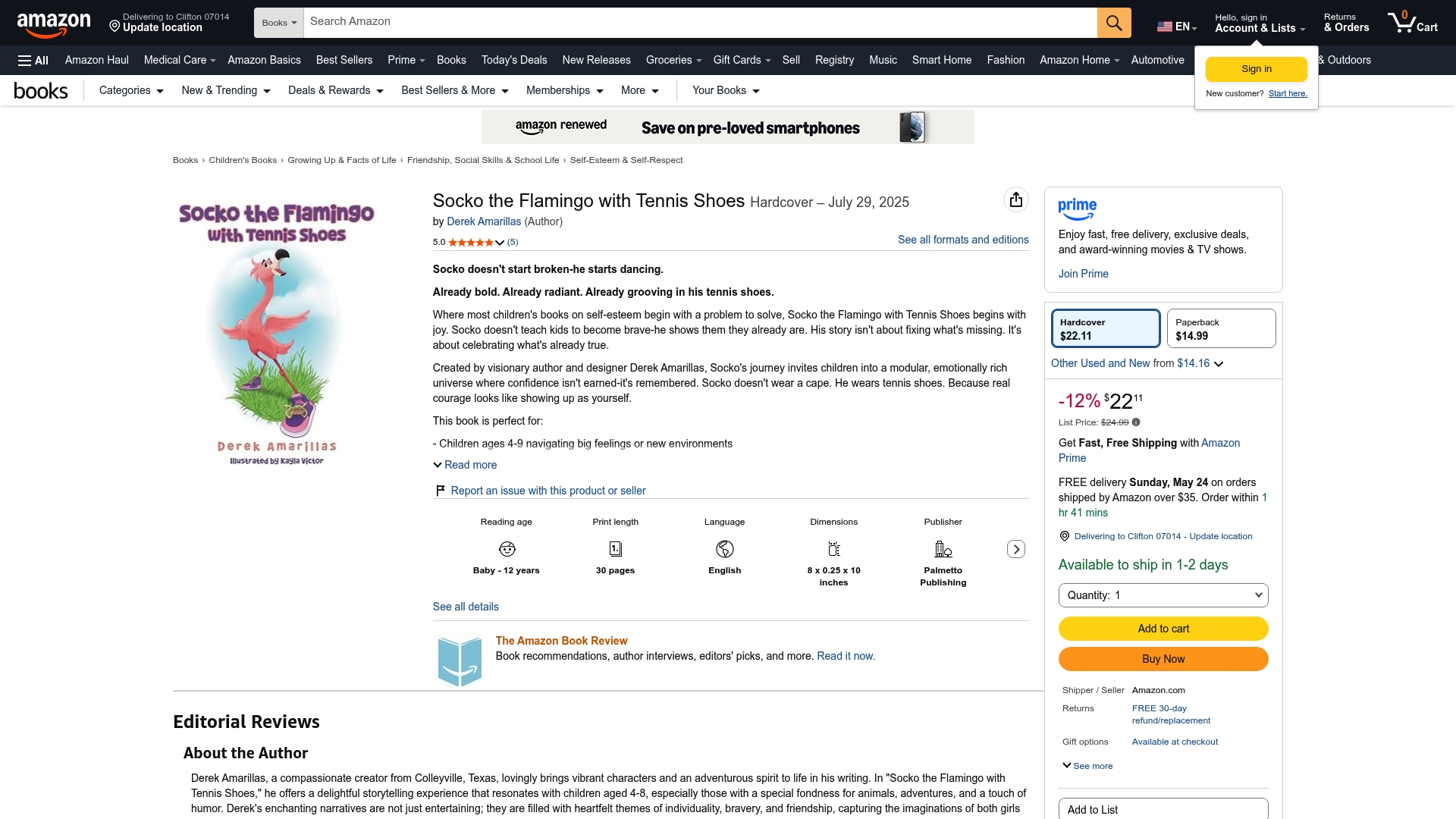
For longer stories and activities, explore the characters of Socko's Universe in our catalog, or visit our member site for printables and ongoing fresh content.
FAQ
What are the main picture book trends in 2026?
The main trends are comfort and familiar stories, hand-drawn and textured art, honest treatment of feelings such as grief and worry, and stronger inclusion of families and cultures. Graphic elements and playful, interactive formats are also growing. Together they point toward books that comfort children while trusting them with real emotions.
What are the best new picture books for fall 2026?
Publishers Weekly's fall preview highlights Goodbye, Koi, Night Ride, Rebecca and A Very Good Parade, among others. School Library Journal's Best Picture Books 2026 list also includes Goodbye, Koi. Check each book's age range, since some are written for ages 4–8 and others for 3–7.
How do I choose a picture book that teaches emotions?
Look for characters who show more than happy and sad, and for pictures that add feeling the words do not state. Pick stories a child will want again, because repeat reading builds the vocabulary. Short activities after the story, like cards or drawing, help the words stick.
Are picture books becoming more diverse?
There are more inclusion-focused titles in the fall 2026 lists, including books about Indigenous identity, deafness and chosen family. Research still finds gaps, especially for stories that combine race with disability, gender identity or family structure. Librarians and teachers can fill them by choosing titles deliberately.
Sources
- Children's Book Trends 2026: Stories, Art & 2027 Outlook
- Power & Wonder: Highly Anticipated Picture Books for Fall 2026, School Library Journal
- Discovering What's Next: Genre Preview, School Library Journal
- Discovering What's Next: Genre Preview, SLJ (illustration discussion)
- Fall 2026 Children's Preview: Picture Books, Publishers Weekly
- Best Picture Books 2026, SLJ Best Books
- (How) Do We Teach Emotions? University of Chicago Booth working paper
- The Identification of Representation Gaps in Diverse US Picture Books, Portland State University
- Status Quo for Children's Leading Bestselling Publishers, Publishers Weekly